

 English
 Dutch
 Japanese
 Hindi
 Italian
 Spanish
 French
 German
 Chinese
 Korean
 Arabic
 Hebrew
 Russian
 Portuguese
 Danish
 Czech
 Polish
 Swedish

Plan Your Next
Journey to the Himalayas!
We plan custom and flexible holiday trips according to your holiday duration, extra wishes, and demands.
Plan your Trips
Nepal is a year-round travel destination but the weather, trail conditions and mountain visibility change considerably from one season to another. The selection of the right month can make a huge difference in the trekking experience in the Himalayas which is a high-altitude destination.
The best time to go trekking in Nepal generally falls during spring (March to May) and autumn (September to November). Weather tends to be more settled during these months and daytime temperatures are warmer with the mountain views clearer. But there are pros and cons to winter and monsoon, especially for those who prefer less busy trails and rain shadow areas like Upper Mustang and Dolpo.
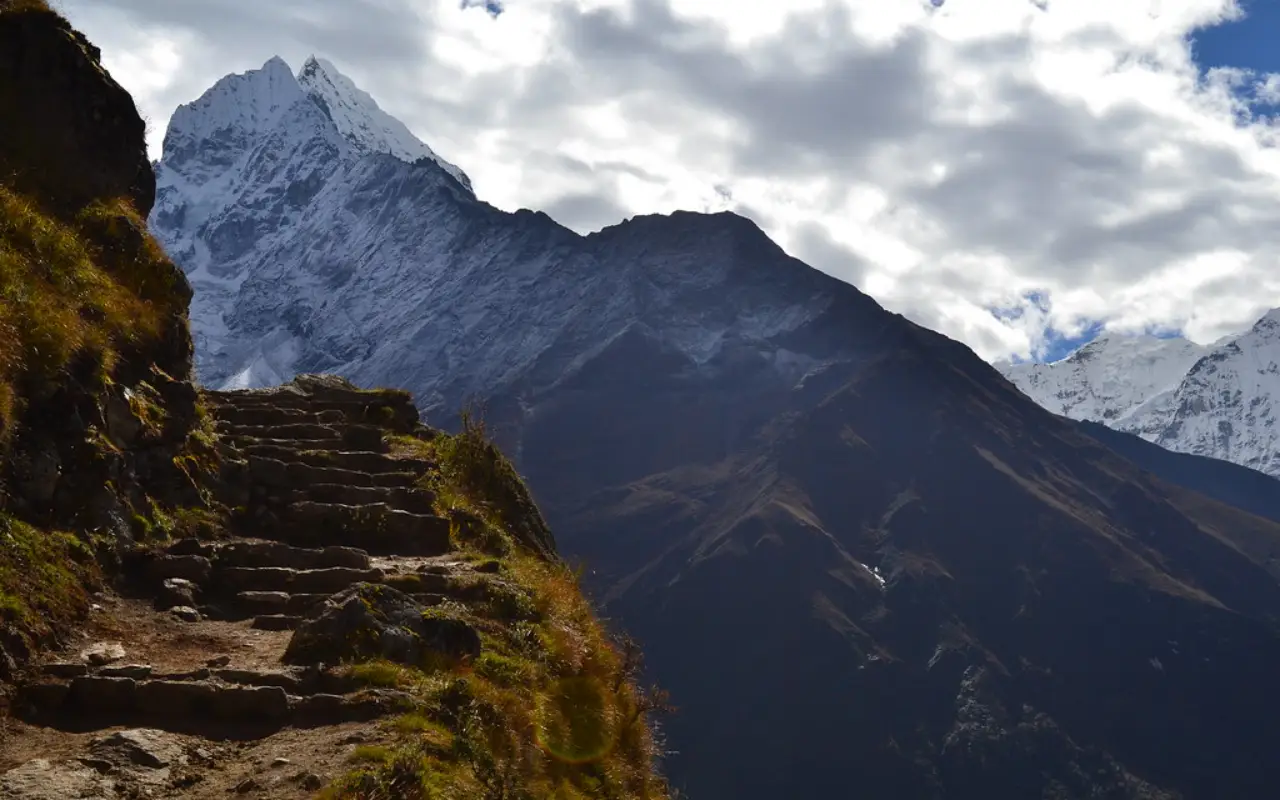
The season can also be influenced by your destination and travel plans. A person organizing the Everest Base Camp Trek might choose a different month than a person going to the Annapurna region or a person trying to climb a high point on a mountain. Likewise, when the mountaineer is destined to summit mountains higher than 6000m (19,685 ft), he must take into account snow conditions, wind speed and convenient periods for climbing.
This is the month-by-month trekking time guide to visit Nepal in 2027. It also discusses seasonal weather, popular trekking destinations, high altitude climbing opportunities and useful tips for planning your trip to the Himalayas.
There are five main seasons in Nepal, namely Spring, Summer, Monsoon, Autumn and Winter. The mountains, hills and lowland areas each have unique conditions in each season.
The peak trekking seasons in 2027 are spring and autumn. However, there are some destinations that can still be visited during the rest of the year.
| Season | Months | General Conditions | Suitable Activities |
| Spring | March to May | Mild temperatures, blooming flowers and generally favourable weather | Trekking, peak climbing and mountain expeditions |
| Summer | June to August | Warmer temperatures and increasing rainfall | Rain-shadow trekking and selected expeditions |
| Monsoon | June to September | Heavy rainfall, cloudy skies and slippery trails | Upper Mustang and Dolpo trekking |
| Autumn | September to November | Clear skies, stable weather and comfortable temperatures | Trekking, mountain climbing and photography |
| Winter | December to February | Cold temperatures, snowfall and fewer visitors | Lower-altitude trekking and selected winter climbs |
Spring and autumn are generally the most reliable choices for traditional Himalayan trekking. The ideal time to trek in Nepal, however, depends on your destination, route and weather conditions, as well as the altitude you are trekking at.
Knowing the expected weather for the month aids you to pick an appropriate time to trek. The following is what you can expect in Nepal for 2027.
January: Winter Trekking and Quiet Mountain Trails
It is one of the coldest months of the year in Nepal, especially in the Himalayan areas. At higher trekking routes, freezing temperatures, snow and strong winds are experienced. High mountain passes might become hard to pass or even closed.

Nepal is a year-round travel destination but the weather, trail conditions and mountain visibility change considerably from one season to another. The selection of the right month can make a…
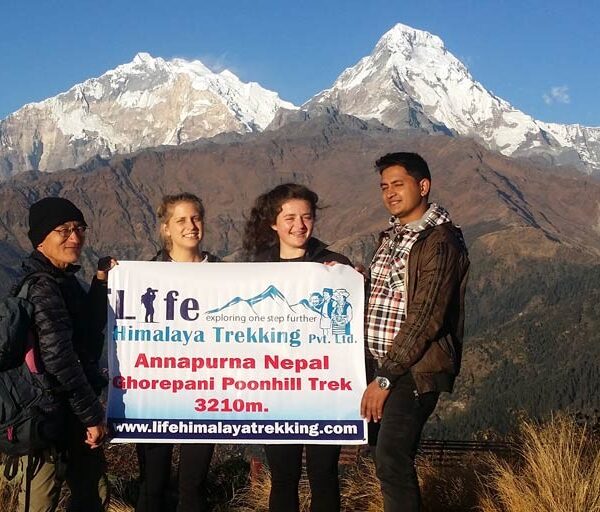
But places at lower altitudes are still good for trekking. Possible options are: Ghorepani Poon Hill, Nagarkot, the Kathmandu Valley and selected parts of the Langtang region depending on the weather conditions.
January is definitely the best month for hiking on the main trails because there are not as many hikers on them. Even though it can be cold, mornings and nights, it’s possible to see the mountains after the snow.
January is not usually the month for peak climbing, as it’s very cold with tough snow. The attempt to winter ascend requires experience, equipment and professional assistance.
February: The Beginning of the Spring Trekking Period
February is the time of the year when winter begins to fade and spring begins. In lower elevations, temperatures start to climb but in higher elevations, it is still cold.
Routes at lower and moderate altitudes like Poon Hill, Mardi Himal and some parts of the Annapurna region are suitable. Before the main spring season starts, trekkers can enjoy quieter trails.
There is still a possibility of snow in the higher areas of Langtang and the Everest area. So, it is crucial to check the conditions of the trails before starting.
February can be the season for selected winter climbs for climbers but is not typically the best season for typical peak trips.
March: A Good Month for Spring Trekking
The main trekking season is beginning in March. The weather gets warmer, forests begin to turn green and rhododendrons start to bloom in some Himalayan areas.
Popular destinations include:
Generally, mountain visibility is good, especially on clear mornings. But at times, higher trails and mountain passes can be impacted by snow.
March is also a good preparation month for climbers heading out into the spring season. If one is interested in doing peak climbing in Nepal in 2027, they can begin their trek toward Mera Peak, Island Peak and Lobuche East depending on the weather and the route.
April: One of the Best Months for Trekking and Climbing
April is one of the favourite months for trekking in Nepal. The weather is mostly good and forests are a beautiful display of rhododendrons and the daytime temperature is comfortable at many trekking elevations.
There are a lot of tourists in the Everest, Annapurna, Langtang and Manaslu region this month. Also a good time for longer treks that go across higher passes.

Mountain climbing enthusiasts know that April is important month. Numerous climbers make spring ascents to the summits Mount Everest and other Himalayan mountains.
Climbing is popular and frequently done on the following:
The levels of technical skill and fitness needed for these climbs vary. It is advisable for climbers to have appropriate permits, guides and equipment prior to departure.
May: Trekking Before the Monsoon
May is the last month of the spring trekking season. Weather conditions are typically warm at lower altitudes and still good climbing weather at higher mountain levels.
Generally, trekking is better in early May but with increasing clouds and pre-monsoon showers towards the end of May.
Nepal is a year-round travel destination but the weather, trail conditions and mountain visibility change considerably from one season to another. The selection of the right month can make a…
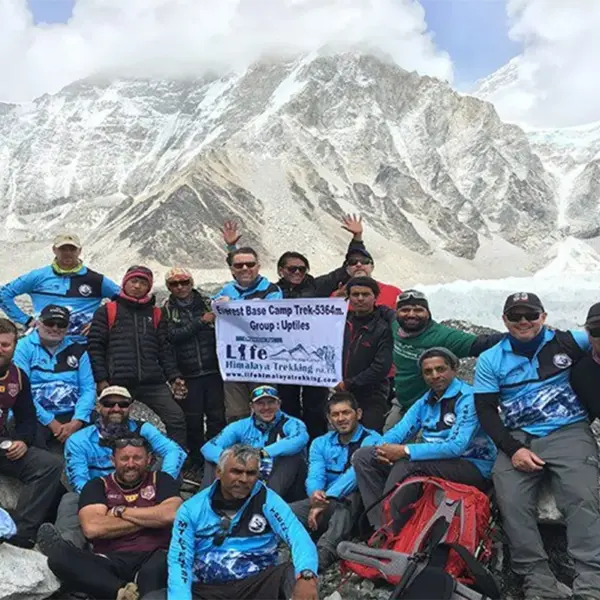
Everest Base Camp, Annapurna Circuit, Manaslu and Langtang continue to be popular. However, visibility may not be as consistent, especially during the afternoon.
May is also a big month for high-elevation mountaineering. For many expeditions, the best weather window for a summit is prior to the monsoons.
Climbers wishing to climb above 6,000 m (19,685 ft) should make as much time as possible for acclimatisation, training and weather-related delays.
June: The Beginning of the Monsoon
June is the transition from the spring to summer monsoon. It rains a bit more in eastern and central Nepal.
The trails are wet; leeches, landslides and cloudy weather make trekking in popular areas like Annapurna, Everest and Langtang more difficult.
The rainfall in the rain-shadow areas to the north of the Himalayas is, however, much lower. Therefore, Upper Mustang and Dolpo parts are suitable alternatives.
The weather conditions change in June and the regular peak hikes are not recommended to undertake. There may be some expeditions that are still running but they will require careful planning.
July: Trekking in Nepal During Heavy Rainfall
Nepal receives more rainfall in the month of July. Many hiking trails are affected by regular rains in the lower hills and in forests.
Road transportation may be hampered by landslides and trails can become muddy and slippery. The thick clouds also make it more difficult to predict what can be seen from the mountains.
Upper Mustang is a perfect place to visit during July as it is relatively dry because of the Himalayan rain shadow.
The area offers the possibility to visit the traditional settlements, monasteries and landscapes of Lo Manthang.
Dolpo is another possible destination, although individual routes and access conditions should be checked before travelling.
Most plans for conventional high-altitude climbing are not suitable for July.
August: Monsoon Trekking and Rain-Shadow Destinations
In August, the monsoon season continues; heavy rain falls in many areas of Nepal. Popular mountain trekking areas might be difficult to trek due to the wetness of the trails and the disruption of transportation.
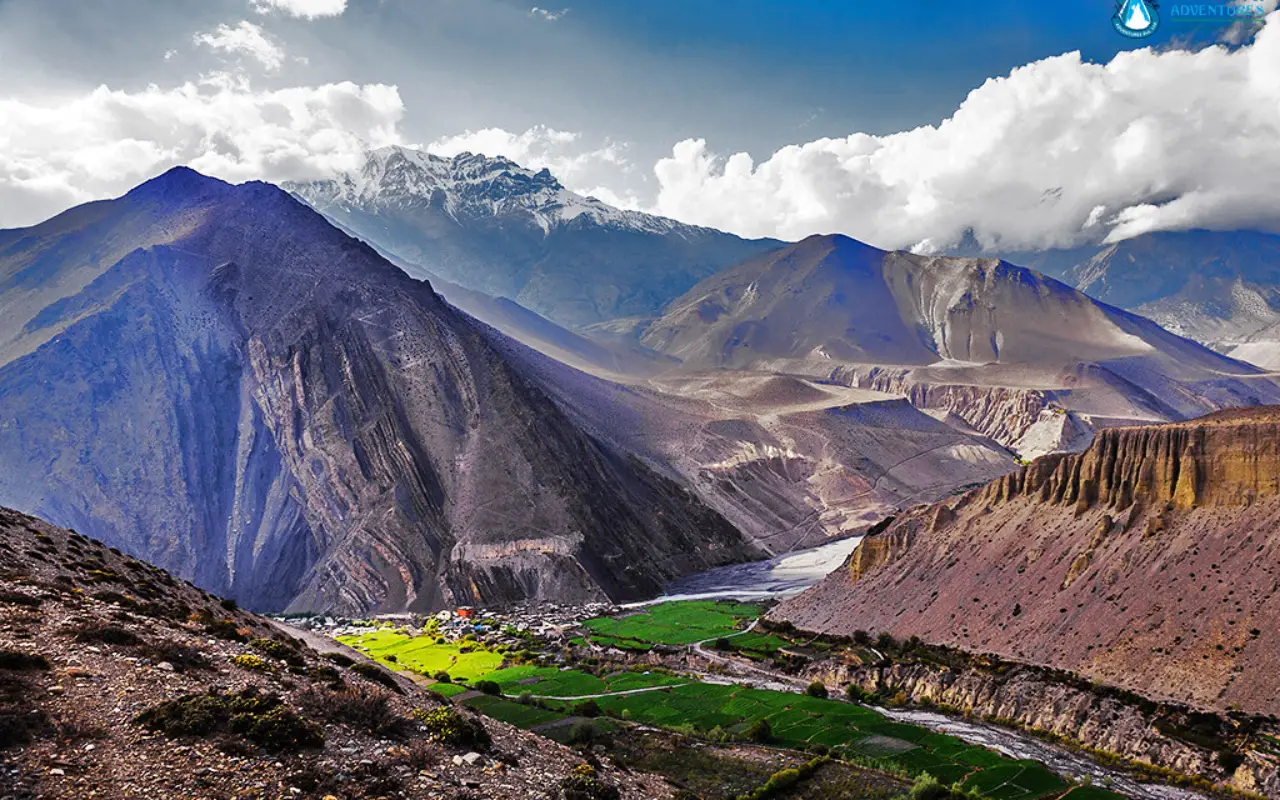
However, those interested in traveling in the rainy season in Nepal may prefer to visit Upper Mustang and Dolpo.
The landscapes are greener in many areas and the number of visitors is generally lower than during spring and autumn.
Most climbers do not prefer to go to 6,000 m (19,685 ft) peaks during the month of August. The snow conditions, rainfall and changing weather may also present extra risks.
It is important for travellers to be flexible with their travel plans and to check local forecasts before travel.
September: The Transition Towards Autumn
September is a time when monsoons turn to autumn. Precipitation slowly tapers off but there may still be showers in many areas during early September.
By the end of the month, mountain visibility is typically good and trekking conditions are getting better.
The regions in the Everest, Annapurna, Langtang and Manaslu treks are slowly attracting more and more trekkers.
Selected peaks in the Himalayas can also be climbed in September as per the weather and the seasonal conditions. But climbers should not expect that all the routes will be open right after the monsoon.
In many popular trekking areas, early September is not the best time to trek and late September is better.
October: The Best Month for Many Trekkers
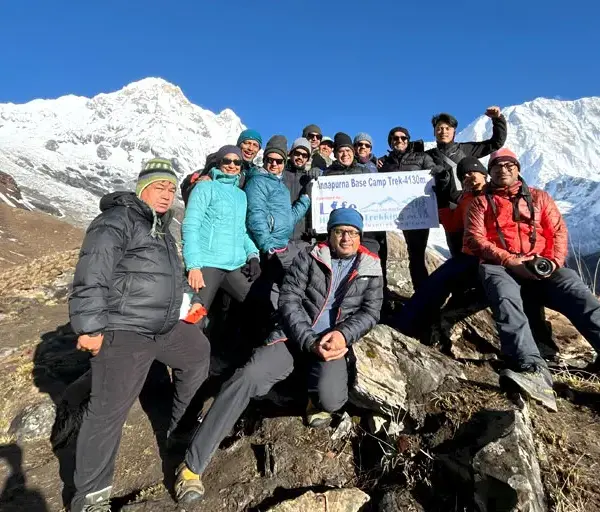
October is definitely one of the best months for trekking in Nepal. The monsoon typically fades and the weather improves in most of the mountains in the afternoon.
Nepal is a year-round travel destination but the weather, trail conditions and mountain visibility change considerably from one season to another. The selection of the right month can make a…
This month is an ideal time for long-distance trekking and trips with long high mountain passes.
Popular destinations include:
Selected autumn climbing trips are also available during October. This time of year is perfect for mountaineers wanting to climb Mera Peak, Island Peak, Lobuche East and other permitted climbing destinations.
The major drawback is the amount of traffic. Some of the popular tourist trails and hostels may be fully booked so advance booking is advised.
November: Clear Mountain Views and Comfortable Trekking
November is also a great time to trek in Nepal. It is dry with clear air and lower and mid-elevation daytime temperatures are comfortable.
The first half of November is a great time for trekking at high altitudes. Temperatures start cooling down in the latter part of the month at higher altitudes.
Common choices are treks in the Annapurna area, the Everest area, Langtang Valley and other short treks around Kathmandu and Pokhara.

There are also some autumn climbing opportunities in November. But with colder weather and different snow conditions, it is important to be properly prepared.
If you don’t like the crowds and the views are clear, November is a great time to travel.
December: Winter Trekking Begins
The winter season starts in the Himalayas in December. Elevated areas are cold and mountain trails and passes may become snow-covered.
But hiking at lower altitudes will be available. For such places, the Annapurna region the lower parts and destinations like Ghorepani Poon Hill, Kathmandu Valley and Dhampus are recommended.
Nepal is a year-round travel destination but the weather, trail conditions and mountain visibility change considerably from one season to another. The selection of the right month can make a…
The benefit of December is that the many trails get quieter after autumn. If the day is clear, mountain views can be great.
December can be a difficult time for high-altitude peak climbing due to cold temperatures, strong winds and snow conditions. Both experienced climbers and proper winter equipment are required for such ascents.
Each place for trekking has its own climatic pattern. The best time of travel depends on its location, its height and its geographical situation.
| Trekking Region | Recommended Months | Suitable Destinations |
| Everest | March to May, September to November | Everest Base Camp, Gokyo Lakes, Three Passes |
| Annapurna | March to May, September to November | Annapurna Circuit, ABC, Mardi Himal, Poon Hill |
| Langtang | March to May, September to November | Langtang Valley, Gosaikunda, Helambu |
| Manaslu | March to May, September to November | Manaslu Circuit, Tsum Valley |
| Mustang | March to November | Upper Mustang, Lower Mustang |
| Dolpo | May to October | Upper Dolpo, Lower Dolpo |
| Kanchenjunga | March to May, October to November | Kanchenjunga Circuit |
| Makalu | March to May, October to November | Makalu Base Camp |
These are recommended weather windows and not guaranteed. Weather and conditions may vary from year to year.
Nepal is not only a trekking country but also an important mountaineering country. Those who wish to venture beyond the normal trekking route can make plans to climb a peak in the Himalayas.
For experienced climbers and those seeking to enhance technical climbing abilities, Peak climbing in Nepal 2027 will offer a chance to explore the region’s mountains.
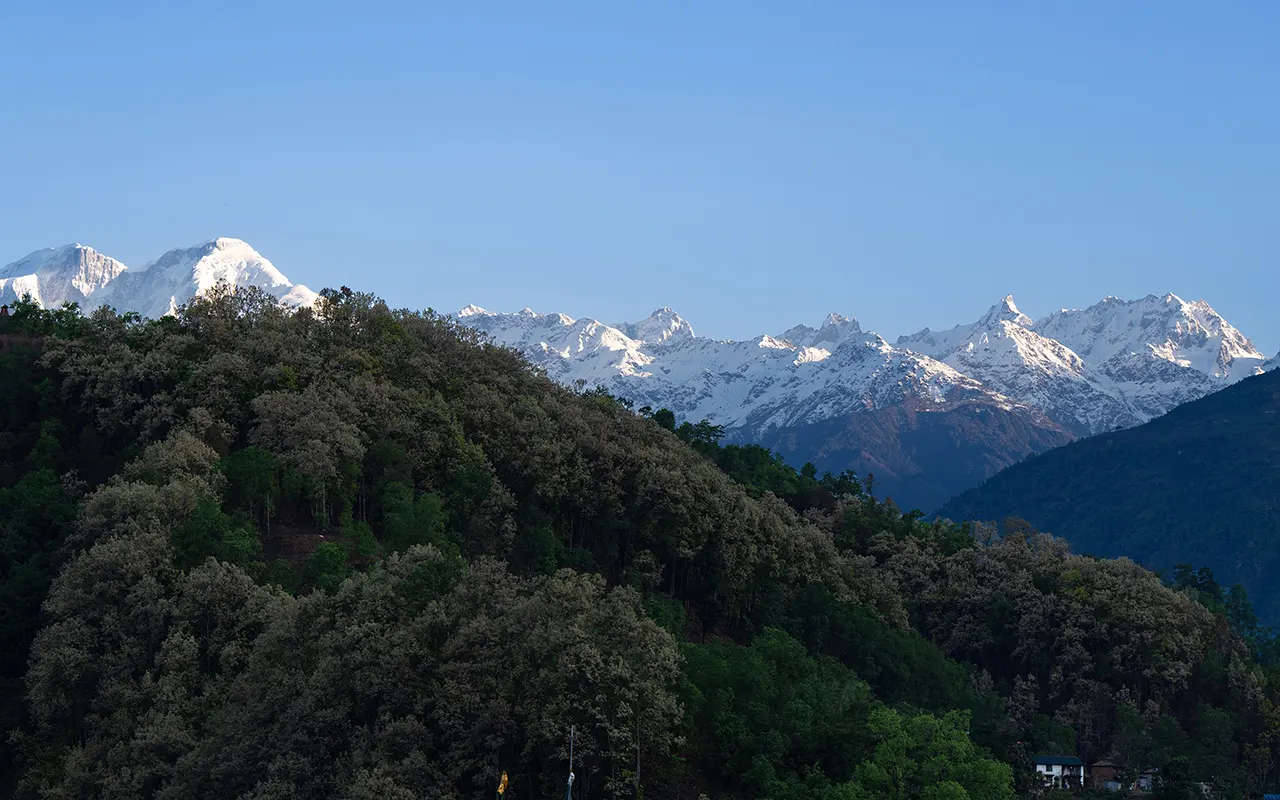
Spring (March to May) and autumn (September to November) are the main periods to consider for many climbing objectives. The spring season is significant for big Himalayan expeditions and the autumn season is suitable for several trekking peaks.
| Peak Name | Elevation | Region | Suitable Climbing Window | Climbing Experience |
| Mera Peak | 6,476 m / 21,247 ft | Khumbu | April to May, October to November | Glacier travel, crampon use and basic mountaineering skills |
| Island Peak (Imja Tse) | 6,189 m / 20,305 ft | Everest | April to May, October to November | Rope techniques, ice axe and crampon experience |
| Lobuche East | 6,119 m / 20,075 ft | Everest | April to May, October to November | Previous mountaineering experience recommended |
| Pisang Peak | 6,091 m / 19,984 ft | Annapurna | April to May, October to November | Basic technical climbing skills and glacier experience |
| Chulu East | 6,584 m / 21,601 ft | Annapurna | April to May, October to November | Good alpine experience and technical preparation |
| Chulu West | 6,419 m / 21,063 ft | Annapurna | April to May, October to November | Mountaineering experience and rope skills |
| Kyajo Ri | 6,186 m / 20,295 ft | Khumbu | April to May, October to November | Technical climbing experience recommended |
| Dhampus Peak | 6,012 m / 19,724 ft | Dhaulagiri | April to May, October to November | High-altitude trekking experience and basic climbing skills |
| Singu Chuli | 6,501 m / 21,329 ft | Annapurna | April to May, October to November | Advanced mountaineering experience recommended |
Please note that there may be some variation in peak elevations and climbing difficulty among sources. The need for permits varies by mountain and government regulations. There are some peaks that are under the management of the Nepal Mountaineering Association and others under the Department of Tourism.
Your decision should be based on your past climbing experience, physical fitness and technical ability.
Climbers who want to go to the higher Himalayas can also explore Himlung Himal (7,126 m / 23,379 ft) which is slightly more demanding but also offers the expedition support and experience necessary to undertake this trek.
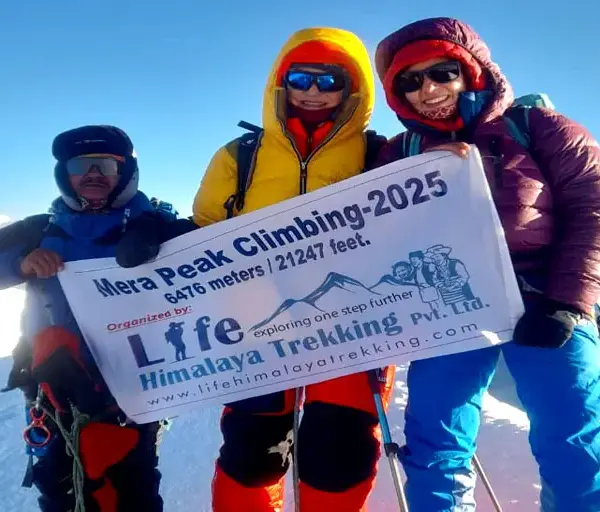
Nepal is a year-round travel destination but the weather, trail conditions and mountain visibility change considerably from one season to another. The selection of the right month can make a…
The climbing program should include some acclimatisation days, appropriate training, flexibility to adapt to the weather and emergency plans. The height of a peak is not a measure of its difficulty.
Choosing an appropriate month is just half the story when it comes to planning a trip to the Himalayas. Before booking your travel, take the following things into account.
Also travelers are advised to review the updated permit requirements, transportation options and local regulations prior to booking trips for 2027.
What is the best month to go trekking in Nepal?
October and April are two of the most popular months. October generally provides clear skies after the monsoon, while April brings warmer temperatures and blooming rhododendron forests.

Can I trek in Nepal during the monsoon season?
Yes. Although June to September brings heavy rainfall to many parts of Nepal, rain-shadow destinations such as Upper Mustang and Dolpo remain suitable options.
Is winter trekking possible in Nepal?
Yes. Many treks at lower elevations can be done in December, January and February. But on the higher mountain routes, expect heavy snow and freezing temperatures.
Which months are best for Everest Base Camp Trek?
March to May and September to November are generally the preferred periods. October and April are particularly popular because of their favourable trekking conditions.
Can beginners climb a 6,000 m peak in Nepal in 2027?
Mera Peak and Island Peak are some possible peaks for fit beginners with proper training and guidance. Both, however, should not be considered standard hikes. It is crucial to have basic mountaineering training and acclimatisation.
What is the best season for peak climbing in Nepal?
Spring and autumn are the main seasons for many trekking peaks. There are a number of big climbing trips which are especially well suited to spring and a few peaks with good conditions in autumn.

Nepal is a year-round travel destination but the weather, trail conditions and mountain visibility change considerably from one season to another. The selection of the right month can make a…
Do I need a climbing permit for peaks above 6,000 m?
Yes. Climbing permits are needed for a number of peaks with the relevant authority varying according to the peak. Climbing peaks are managed by two different bodies – the Nepal Mountaineering Association and the Department of Tourism. Before embarking on your journey, double-check the latest requirements.
Choosing the best time to go trekking in Nepal depends on your destination, experience and travel objectives. Spring and autumn remain the most reliable choices for most popular trekking routes, while winter provides opportunities for quieter lower-altitude journeys. In monsoon times, other places like Upper Mustang or Dolpo will provide alternatives.
When you think about a trip to the Himalayas in 2027, you’ll want to consider the type of trip you want to go on – a comfortable trek in a teahouse, a challenging trek up to 6000 m (19685 ft) or a more technical climb above that level. They are all at different levels of preparedness.
Make travel arrangements based on the season, make time to acclimatise and verify up-to-date weather and permit information before travelling. Depending on the preparation, there are good trekking and mountaineering opportunities in Nepal for most of the year.


We plan custom and flexible holiday trips according to your holiday duration, extra wishes, and demands.
Plan your Trips
Chat with our Travel Designer Shiba
Need assistance? Our expert agent is here to help! Please fill out the form below to initiate a chat and get your queries resolved quickly.