

 English
 Dutch
Dutch Japanese
 Hindi
Hindi Italian
 Spanish
 French
 German
 Chinese
 Korean
 Arabic
 Hebrew
 Russian
 Portuguese
 Danish
 Czech
Czech Polish
 Swedish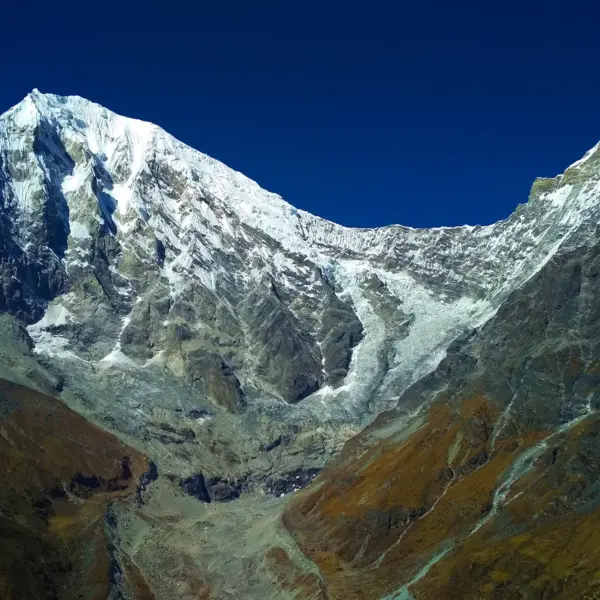
 12500
12500 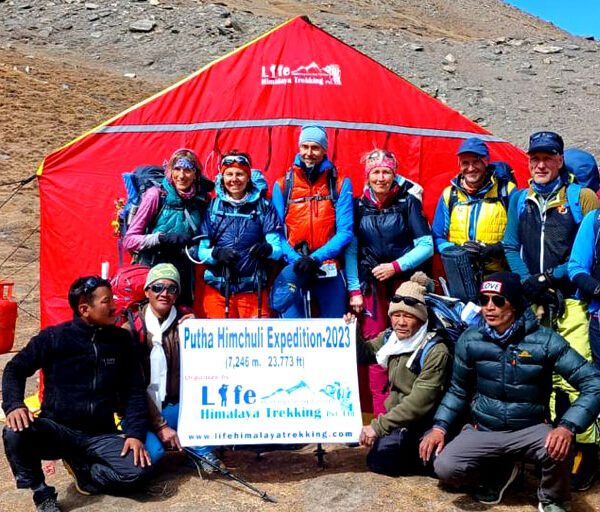
Plan Your Next
Journey to the Himalayas!
We plan custom and flexible holiday trips according to your holiday duration, extra wishes, and demands.
Plan your Trips6500m – 7500m Climbing in Nepal is tough. This is due to the extreme conditions and demands on climbers. At these heights, the air has very little oxygen. This can lead to altitude sickness. Climbers must acclimate to the lower-oxygen environment. Rock and ice climbs are often highly technical. So, you must take great care to avoid dangers like steep faces, ice, and crevasses. Exceptional technical skills are needed. They are required in addition to equipment.
Weather can be forceful at such altitudes. Actual winds are expected. It will also be cold, even at high altitudes. Climbers suffer much physical and mental stress. This altitude category has many famous high mountains. They include K2 and Makalu. So, they are a target for serious climbers. Climbers need specialized gear. It includes oxygen systems. It also has high-altitude clothing and training. They need it to handle this altitude’s physical and technical demands.
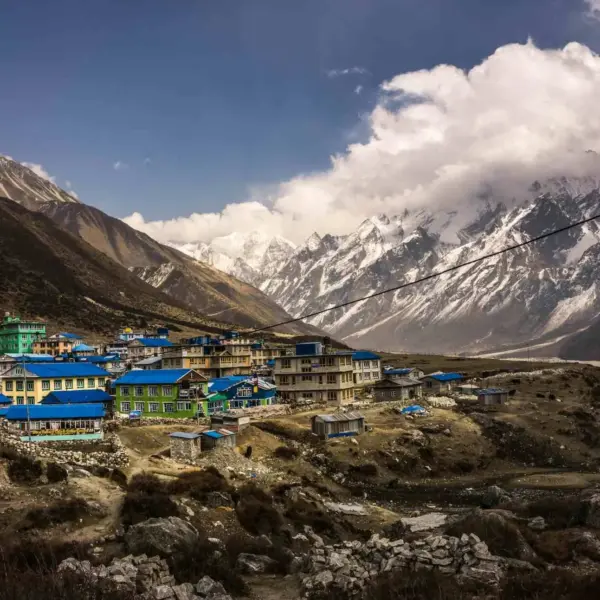
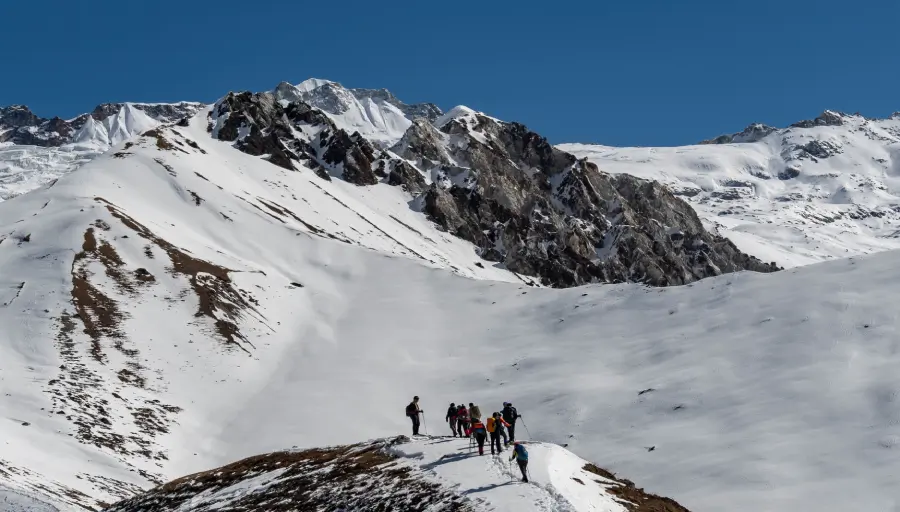 The Langtang Expedition involves the climbers. They follow the course of the Langtang Valley. The valley is famous for its stunning scenery and colorful culture. The trek is in the central Himalayas of Nepal. It offers views of mountains, green forests, and the typical communities of the Tamang people.
The guided expedition goes deep into Langtang National Park. It gives visitors the best chance to see familiar species like the red panda and Himalayan tahr. Our trip also involves climbing through old monasteries. We will meet people in the villages. This makes the journey a cultural one against the backdrop of the mountains.
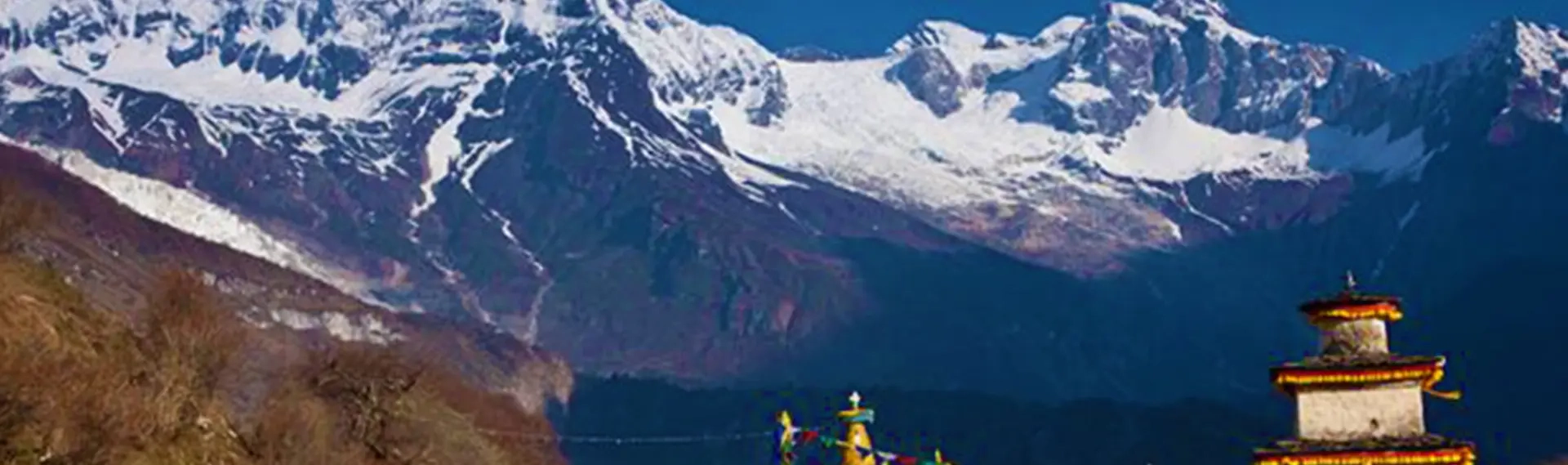 The Ganesh Himal Expedition covers the Ganesh Himal. It is less traveled than other Himalayan ranges. This trip could be better. It is famous for its unspoiled scenery.
The trek includes fantastic views of the Ganesh Himal and the taste of the cultural side of the location. This is done by crossing many terrains, like subtropical forests and alpine meadows. You also uncover new cultures. These cultures are different from those on the usual Nepalese treks.
 The Putha Hiunchuli Expedition is a technical climb. It’s an adventurous climb. The mountain is relatively untouched. It’s in the Dhaulagiri of Nepal. The Putha Hiunchuli is 7,246 meters tall. It blends technical climbing with beautiful views. It is a challenging expedition. The team has to climb glaciers and steep rocks. Doing so requires a high level of mountaineering experience.
This makes the peak very remote. Climbers are assured of a great climb with a great view of other high peaks. They also can climb in a vastly untouched area not found on typical trekking routes.
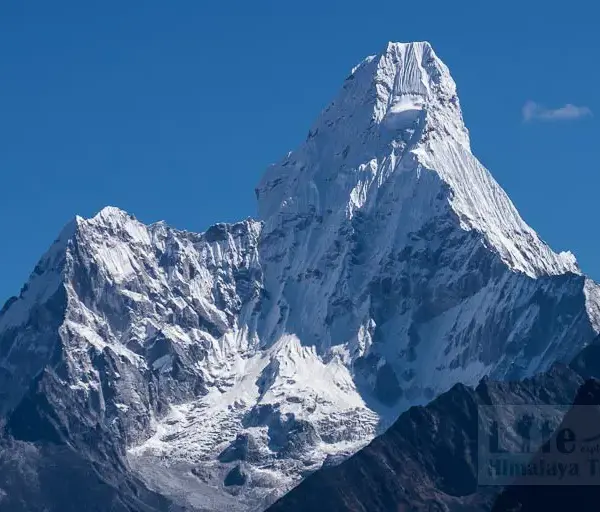
The Ama Dablam Expedition is famous for climbing one of the most famous mountains. It is in the Great Himalayan range. Ama Dablam has an impressive and pointed shape and is 6,812 meters high. It is considered one of the most beautiful mountains and is technically demanding.
It offers a challenging climb. But it has excellent views of Everest and the whole Everest region. You can see the whole of Shap rice, mountain Lhotse, and Makalu. It had ice, snow, and rock climbing. It was rewarded with great views and a feeling of accomplishment at the summit.
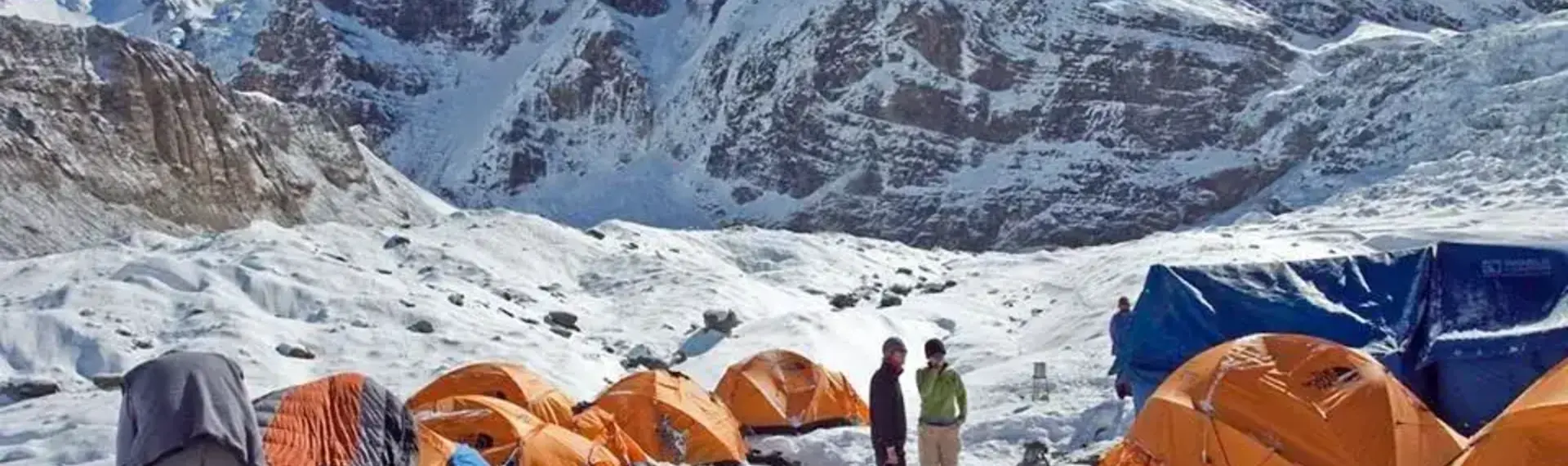 Climbing Tukuche Peak Climbing is one of the most exciting climbs in the Annapurna region of Nepal. It is 6920 meters high. The climb is a mix of hard climbing and great views. It shares a panoramic view of the Annapurna and Dhaulagiri mountains.
It includes movement over glaciers and cliffs. It focuses on the KO, using strength and speed. Tukuche Peak is different from the other major peaks. So, it offers climbers a more lonely experience. This expedition is a memorable adventure. It is for climbers with experience. The trip concerns the journey through varied terrains and reaching the summit.
Spring is the best Season for high-altitude climbing. This is because the weather is usually stable. During this time, it is warmer. There is less extreme cold and heavy snow than in winter. The snow conditions are generally manageable. They make navigation and climbing easier. Longer daylight hours provide ample time for climbing activities each day. But spring also brings the peak climbing season. This can lead to crowded routes and higher costs for permits and services. Sudden storms and high winds can happen. But stable weather makes climbing safer and more successful.
Summer is usually bad for high-altitude climbing. This is due to the monsoon season in many regions, especially the Himalayas. Heavy rain during this time can cause hazards. These include snow and ice avalanches, landslides, and floods. More rain makes climbing worse. It makes them risky and unpredictable.
However, summer might offer better conditions. This is true in regions unaffected by the monsoon, such as some areas of the Andes. Overall, the monsoon makes summer challenging. It also makes it less popular for high-altitude climbing.
Autumn is suitable for high-altitude climbing. It’s perfect after the monsoon rains. By now, the weather has stabilized. It gets more relaxed and less rainy. This leads to safer and more predictable climbing conditions. The risk of avalanches decreases. Clear skies offer better visibility. Autumn is less crowded than spring. It offers a quieter and more fun climbing experience. However, as the Season progresses, temperatures can drop. Climbers must be ready for colder conditions and possible early snowfalls.
Winter presents the most challenging conditions. They are for high-altitude climbing. Very low temperatures mark the Season. It has severe cold and frequent snowstorms. Snow and ice are often treacherous, with a high risk of avalanches and frostbite. Climbing routes can become impassable due to heavy snow accumulation and high winds.
Climbing in winter offers a unique sense of solitude and accomplishment. This is due to fewer climbers. But it needs prep, special gear, and excellent mountaineering skills. Harsh conditions make winter bad. It’s terrible for high-altitude climbing. It is the least favorable Season.
Preparing for a 6,500-meter climb 7,500-meter involves a thorough approach. It includes training. This training covers skills, gear prep, and mental readiness. Here’s a detailed guide to ensure you’re well-prepared:
Endurance and Strength: Build cardiovascular endurance, muscular strength, and stamina. Incorporate long hikes, running, and strength training exercises into your routine. High-altitude training can also be beneficial.
Altitude Training: Train at altitude or use a mask to simulate high-altitude conditions. Being gradually exposed helps your body. It allows it to adapt to lower oxygen levels.
Conditioning: Include exercises that enhance core strength, leg strength, and flexibility. Strengthen your legs with squats, lunges, and stair climbing.
Climbing Techniques: Learn to climb ice and rock. Also, learn to use crampons and ice axes. Practice on technical terrain. It will ensure you can meet the challenges of high-altitude climbing.
Navigation and Safety: Learn to use a GPS, map, and compass for navigation. Know how to handle emergencies. These include avalanches, crevasses, and other hazards.
Acclimatization: Understand and practice the principles of acclimatization to prevent altitude sickness. Plan your climb with sufficient time for acclimatization days.
Climbing Gear: Buy high-quality gear. It must include a helmet, harness, rope, ice axe, crampons, and carabiners. Make sure your gear is in good shape. Also, make sure it’s right for high-altitude conditions.
Clothing: Layer your clothing to manage varying temperatures. Use base layers that wick moisture, mid-layers that insulate, and a waterproof outer layer. Include warm gloves, a hat, and balaclava.
Footwear: Wear sturdy, insulated mountaineering boots compatible with crampons. Ensure they are well-fitted and broken in before the climb.
Oxygen System: Supplemental oxygen may be necessary for climbs above 7,000 meters. Familiarize yourself with an oxygen system and ensure you have a reliable supply.
Medical Check-up: Have a thorough exam. It’s to ensure you are fit for high-altitude climbing. Address any underlying health issues and consult a specialist if needed.
Hydration and Nutrition: Maintain a balanced diet of carbohydrates, proteins, and fats. Stay well-hydrated before and during the climb. Carry high-energy snacks. Also, carry meals for high-altitude conditions.
Altitude Medication: Consider carrying altitude sickness medications, such as acetazolamide (Diamox), if your doctor recommends. Follow all prescribed guidelines for their use.
Mental Resilience: Develop mental toughness to handle the psychological challenges of high-altitude climbing—practice stress management techniques. Also, keep a positive attitude.
Team Dynamics: If climbing with a team, foster good communication and teamwork. Understand your role and duties. Make sure everyone is aligned with the climb’s goals and safety rules.
Risk Assessment: Be aware of the risks associated with high-altitude climbing, including weather conditions and potential hazards. Have contingency plans in place for emergencies.
Permits: Obtain all necessary climbing permits and permissions required for your destination. Ensure that all paperwork is completed well in advance.
Travel and Accommodation: Plan your travel logistics, including transportation to and from the base camp. Arrange accommodations and support services as needed.
Guide Services: If you need more experience in high-altitude climbs, consider hiring a local guide or climbing service. They can help a lot. They know the area well and can keep you safe.
Proper preparation is critical to a successful and safe climb between 6,500 and 7,500 meters. Focus on full training. Cover gear, health, and mental readiness. They help you face the challenges of high-altitude climbing.
How Many 6000m Peaks Are There in Nepal?
Nepal is home to 33 officially recognized peaks over 6,000 meters. The peaks offer a range of climbing. They also provide trekking experiences. They include popular ones like Mera Peak and Island Peak. They also include more demanding climbs. These climbs are more remote. The many 6,000-meter peaks provide many chances. Climbers and trekkers seek varied adventures in the Himalayas.
What are the 6000-meter peaks Near Everest?
The 6,000-meter peaks near Everest include Island Peak (6,189 meters) and Mera Peak (6,476 meters). The peaks are in the Khumbu region. They are popular among trekkers and climbers. The peaks have stunning views of Everest and challenging but achievable climbs. Both have good acclimatization opportunities. They are for those preparing for higher altitudes
What is the Easiest 6000m to Climb?
Island Peak is often regarded as the most accessible 6,000-meter peak to climb. It stands at 6,189 meters. It is famous for climbers who seek high-altitude experience. The climb involves basic skills. It provides stunning views of Everest. This makes it a great intro to high-altitude climbing.
How Many 6000 Meter Peaks Are There in the World?
Approximately 160 peaks around the World exceed 6,000 meters in height. The peaks are mainly in the Himalayas and the Andes. They are in other extensive ranges. Climbing these peaks provides a range of challenges and experiences. Some are trekking peaks. Others are more technical climbs.
What is the Easiest Climb in the World?
The climb is on Mount Kilimanjaro in Tanzania. It is often cited as one of the most manageable high-altitude climbs. At 5,895 meters, Kilimanjaro is a non-technical trek. It does not need special climbing skills. The ascent is relatively straightforward. The routes and support services are well-established. This makes it accessible to trekkers.
Which is the 3rd Highest Peak in the World?
The Kangchenjunga is the third-highest peak in the World, standing at 8,586 meters. Kangchenjunga is on the border between Nepal and India. It is known for its stunning beauty and harsh climbing conditions. Its great height and remote location make it a prized climb. Severe mountaineers covet it.
What Type of Training is Needed for 6500m-7500m Climbing?
Climbers need tough training. It includes building heart and strength. They also need to acclimate to altitude. The exercises should focus on building leg strength. They should also focus on core stability and aerobic capacity. It would be best if you also practiced climbing techniques and high-altitude simulations.
What Are the Main Risks Associated with 6500m-7500m Climbing?
The main risks are altitude sickness, extreme weather, avalanches, and crevasses. Climbers face less oxygen. This can cause acute mountain sickness (AMS). It can also cause HAPE and HACE
We plan custom and flexible holiday trips according to your holiday duration, extra wishes, and demands.
Plan your Trips
Chat with our Travel Designer Shiba
Need assistance? Our expert agent is here to help! Please fill out the form below to initiate a chat and get your queries resolved quickly.