

 English
 Dutch
Dutch Japanese
 Hindi
Hindi Italian
 Spanish
 French
 German
 Chinese
 Korean
 Arabic
 Hebrew
 Russian
 Portuguese
 Danish
 Czech
Czech Polish
 Swedish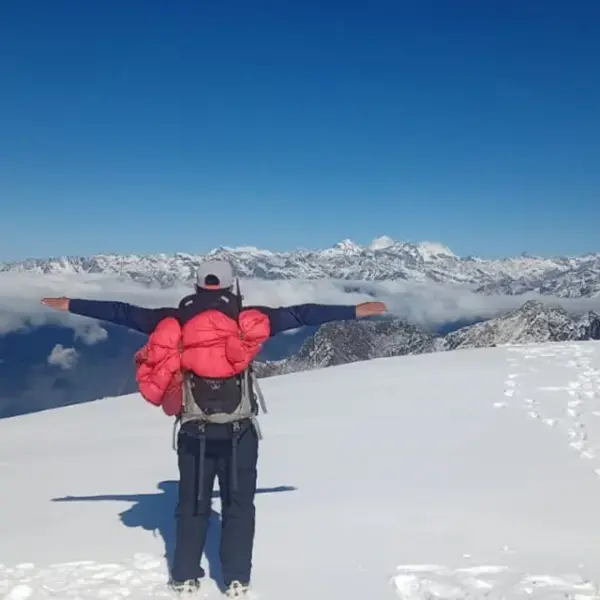
 3990
3990 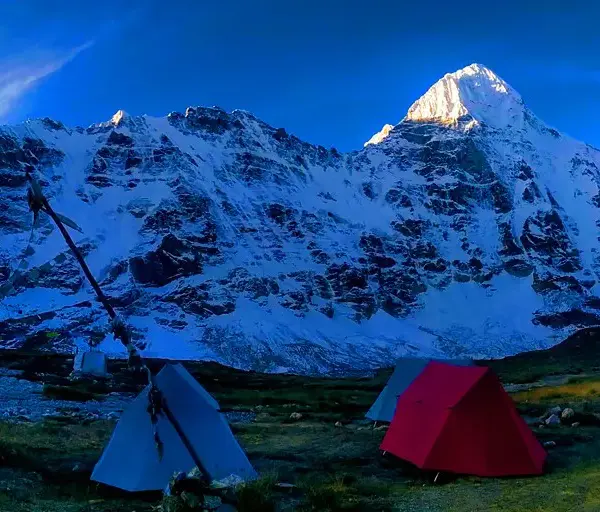
Plan Your Next
Journey to the Himalayas!
We plan custom and flexible holiday trips according to your holiday duration, extra wishes, and demands.
Plan your TripsKanchenjunga Region is one of Nepal’s best trekking regions and is among the most challenging treks in Nepal. It is also among the most remote treks, which means you will be trekking in some of the secluded areas of Nepal where there are fewer facilities, infrastructures, and comfort. You might be wondering why you should trek the Kanchenjunga Region. This blog will discuss why you should visit the Kanchenjunga Trek.
The Kanchenjunga Region is home to the extraordinary Mount Kanchenjunga, the third-highest mountain in Nepal. The region is also home to the very popular Kanchenjunga National Park, where several species of animals, plants, mammals, birds, insects, etc., live. There are several variations of the Kanchenjunga Trek, which can be a challenging adventure. So, let’s get into why you should trek the Kanchenjunga Region.
The Kanchenjunga region is filled with mystery and the remote, secluded adventure of the mountains in the Himalayas. If you love the off-beaten wilderness trek, this region is the best for you. Here are a few reasons why trek in the Kanchenjunga Region.
One main reason to visit the Kanchenjunga region is to get closer to Mount Kanchenjunga. During the Kanchenjunga region, you can explore different treks that will take you to the majestic base camp of Mount Kanchenjunga. It is one of the most challenging treks in Nepal, but when you reach the Kanchenjunga base camp and see Mount Kanchenjunga, you will feel a sense of achievement.
Another reason I chose the Kanchenjunga region is to see different types of vegetation and wildlife. During your trek, you will visit the Kanchenjunga National Park or the Kanchenjunga Conservation Area, where you will find various species of plants, vegetation, and animals. Some of the rare animals that you can see in this region are the Himalayan White Wolf, Musk Deer, Asian Black Bear, Blue Sheep, Golden-Breasted Fulvetta, Snow Cock, Blood Pheasant, and Red-Billed Chough.
During the trek, you will meet friendly locals who can learn about their culture and traditions. You can observe their daily life by talking to them. In the lower areas, you will meet Rai, Limbu, Gurung, Brahmin, and Chettri people. The Sherpa people, who follow Tibetan Buddhism, are the principal inhabitants of the higher areas. Monasteries, mani walls, prayer flags, and chortens are essential to their culture.
These are some of the reasons you should visit the Kanchenjunga Region. Now, let’s explore some of its popular treks.
The Kanchenjunga region has few treks, but some are adventurous and challenging. But overall, they are tons of fun. If you like off-the-beaten-track, remote, but challenging treks, then this trek is for you. So here are two popular treks in the Kanchenjunga Region.
Makalu Expedition is one of the best trekking destinations in the Kanchenjunga Region. During this time, you will visit the base of Mount Makalu and see one of the highest mountains in Nepal. Mt. Makalu is the fifth-highest mountain peak on Earth. It is 19km southeast of Mount Everest in the Makalu-Barun National Park, near Tibet. The mountain has a pyramid structure with four sharp ridges, making it a remarkable sight. The first successful climb was in May 1955 by a French expedition.
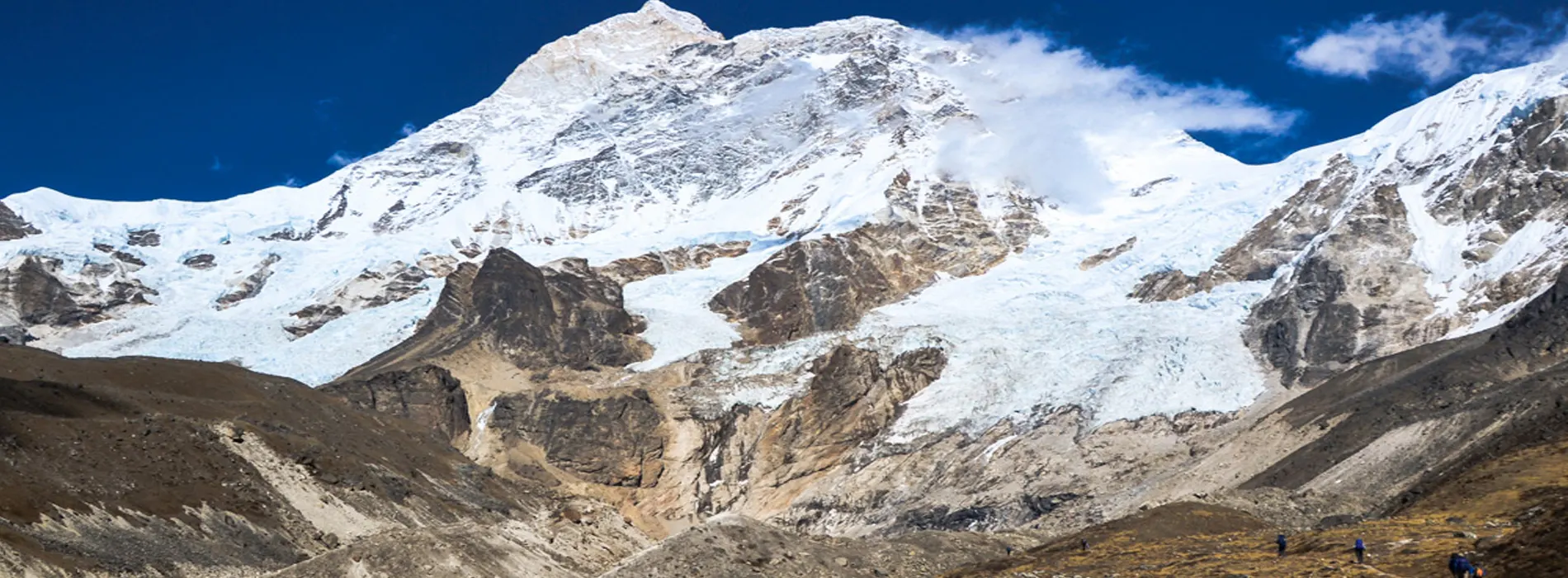
Climbing Mt.Makalu has become more prevalent in recent years, with trekking in the area offering diverse ecological zones and stunning natural landscapes. To reach Mt. Makalu, the journey begins with a flight to Tumlingtar (285m), followed by a drive to the trailhead in Chichila. The trek is a 9-day route through villages and diverse forests, eventually leading to Makalu Base Camp.
After arriving at the base camp, there will be time to rest and acclimatize before starting the ascent. The first ascent route will be ascending via the North West ridge. Five camps will be established on the mountain, starting with an advanced base camp. The climbing route involves negotiating various terrains, including steep mixed climbing, crevasses, and an exposed summit ridge.
Kanchenjunga Base Camp Trek is one of Nepal’s most famous but equally challenging treks. It is also among Nepal’s longest treks, extending from 18 to 24 days. During the Kanchenjunga Trek, you will explore all the remote and secluded areas of the region, which are pretty new and have often been unexplored.
Not many international trekkers or travelers have explored the Kanchenjunga region simply because it has not been well commercialized like other trekking destinations; Kanchenjunga Base Camp Trek has some of the major attractions of the area, such as Mitlung, Amjilosa, Ghunsa, Khambachen, Lhonak, Kanchenjunga Base Camp and others.
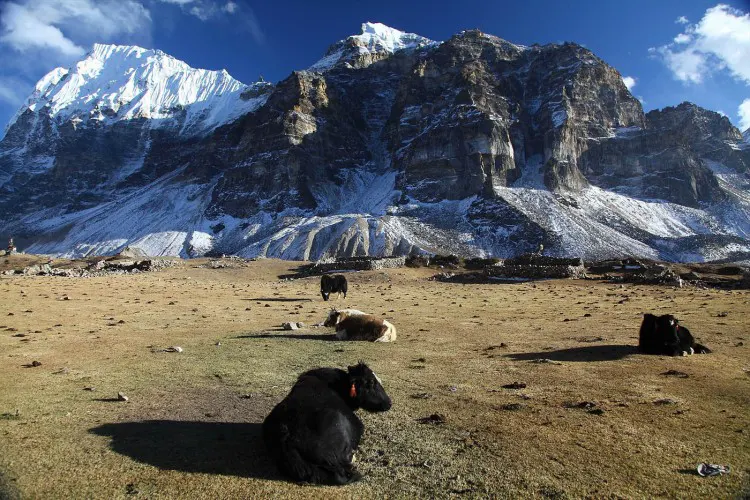
This trek goes to both base camps on the north and south sides of the mountain. It is designed for small groups of people wanting to choose dates. The route to Kanchenjunga Base Camp through the Arun Valley is among Nepal’s most beautiful trekking spots. This region also contains the Kanchenjunga Conservation area, which spreads across 2035 sqkm.
These are the two popular trekking destinations in the Kanchenjunga Region. Both treks are challenging, but the Kanchenjunga Base Camp trek is more complex than the Makalu expedition trek.
Kanchenjunga Region is undoubtedly one of Nepal’s most beautiful but challenging treks. Several factors make any region challenging. Some factors, like altitude and rough terrain, could be more controllable, whereas trekking in the ideal season could minimize others. So, let’s look at some of the best seasons to trek the Kanchenjunga Region.
Kanchenjunga Region is naturally complex and challenging due to several factors that can and can’t be controlled. One factor you can control is the trail you are trekking through. If you choose Spring, you will be welcomed by blooming flowers and jungles covered with trees, plants, and green vegetation. The weather and temperature are pretty mild and appropriate for trekking.
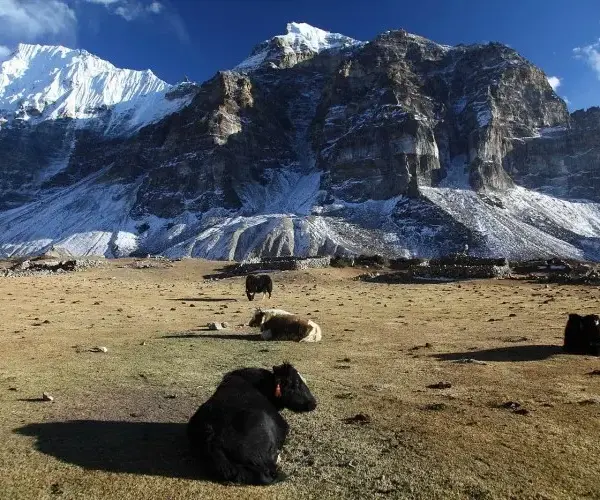
Furthermore, at the high altitude of the Kanchenjunga region, you won’t find teahouses or lodges, so you may have to stay in the camp in the open yak pastures or barren grasslands. The weather is stable in the spring, so you don’t get constant rainfall, snowfall, or snowstorms. Since the Spring season is so popular among trekkers, several visit Nepal now, so make sure to book your trek early to get the appropriate accommodation and meal services.
Like the Spring season, Autumn is ideal for the Kanchenjunga region. Although in the autumn season, you will not see the flowering trails, instead, you will see green and brown trees and forests all over the region. The mountainous region becomes more stunning during the morning and evening due to the hue of the sunrise and sunset. This season has lower rainfall and excellent visibility, making it perfect for outdoor activities.
On your trek, you’ll get breathtaking views of the Himalayas without any obstructions. Autumn is also known for its colorful foliage and the golden harvest. Unlike spring, where nature is at its peak, autumn offers a different perspective with unique shades of grey, yellow, and crimson, showcasing the beauty of the Himalayas.
Kanchenjunga Trek is not for beginners, and even some expert trekkers have to prepare beforehand. Here are some tips for preparing for the Kanchenjunga Region Trek.
Hence, the Kanchenjunga Region is one of Nepal’s most beautiful trekking regions. However, it is also among the most challenging treks, as you have to trek for over 20 days and reach an altitude of over 5000m to explore various areas of the Kanchenjunga region. Prepare for the trek and pack all the necessary items before booking your trek.
If you have not experienced the Kanchenjunga Trek, we hope you try it. However, if you are a beginner, then you might want to experience trekking some easier treks like Ghorepani Poon Hill Trek, Everest Base Camp Trek, and others.
The two Kanchenjunga Trek permits you need are the Kanchenjunga Conservation Area Permit and the Special Trekking Area Permit.
The elevation of Mount Kanchenjunga is 8,586 m, which makes it the third-highest trek in Nepal.
The least ideal trekking seasons for the Kanchenjunga Region are the monsoon and the winter. During the monsoon, the trails are wet and slippery, and during the winter, they get extremely cold.
During the Kanchenjunga Trek, you will be able to see different mountains, like Kambachen (7,903m) and the legendary Jannu (7,710m) and Jongsong (7,483m), Kabru (7,353m), Tent Peak (7,365m), and the Twins (7,350m).
Yes, in the particular trekking area, you must have at least one guide, as mentioned by the Nepal Tourism Board’s rule.
We plan custom and flexible holiday trips according to your holiday duration, extra wishes, and demands.
Plan your Trips
Chat with our Travel Designer Shiba
Need assistance? Our expert agent is here to help! Please fill out the form below to initiate a chat and get your queries resolved quickly.