

 English
 Dutch
Dutch Japanese
 Hindi
Hindi Italian
 Spanish
 French
 German
 Chinese
 Korean
 Arabic
 Hebrew
 Russian
 Portuguese
 Danish
 Czech
Czech Polish
 Swedish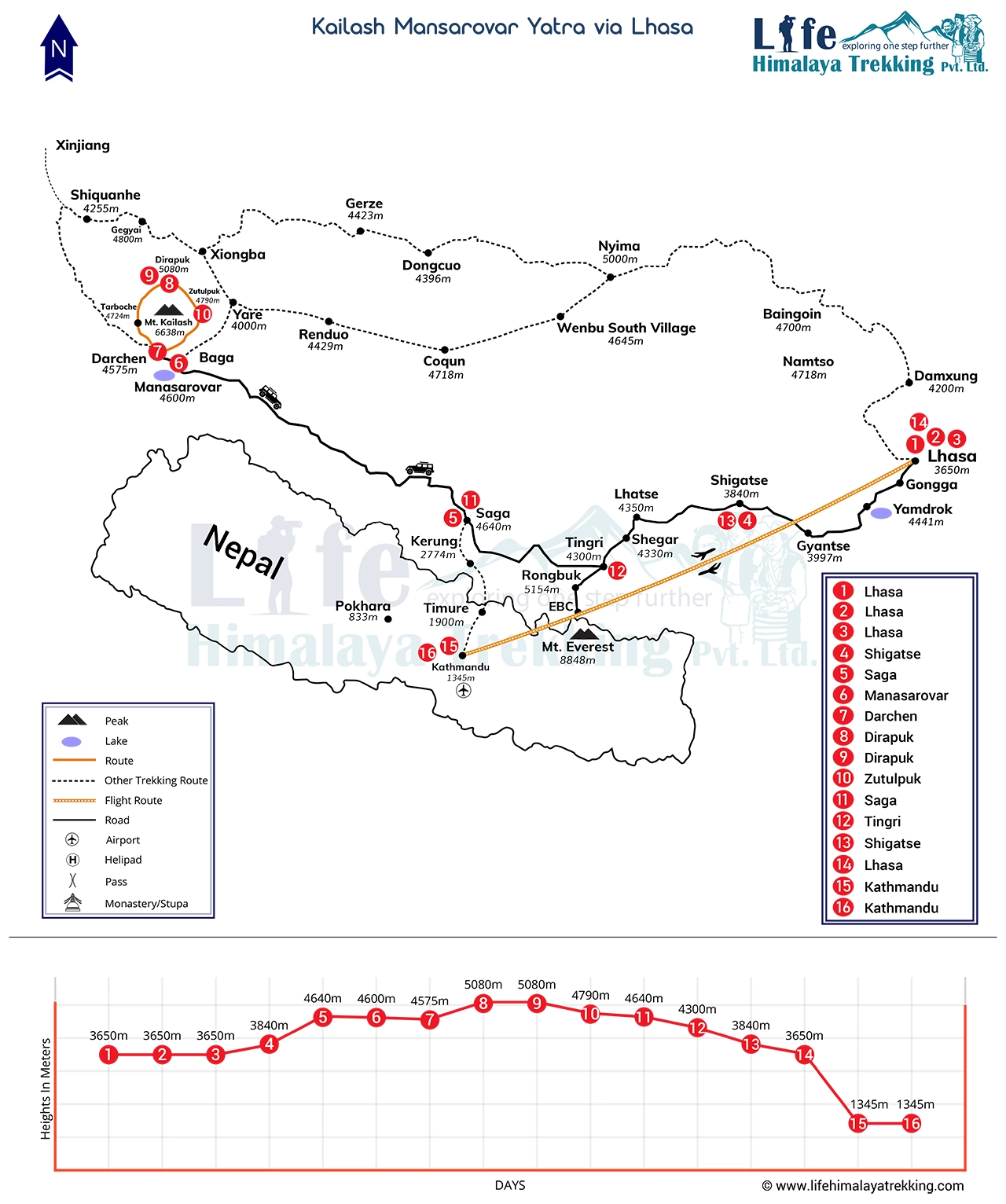






Plan Your Next
Journey to the Himalayas!
We plan custom and flexible holiday trips according to your holiday duration, extra wishes, and demands.
Plan your Trips


Max. Altitude
5,630 m
Best Season
Oct-Dec & Mar-May
Activity
Sightseeing, Trekking
Start / End Point
Kathmandu/KathmanduThe Kailash Mansarovar Yatra via Lhasa is a 16-day journey that combines cultural sightseeing, long road travel across the Tibetan Plateau, a visit to Lake Manasarovar and the sacred Kora around Mount Kailash. It starts from Kathmandu to Lhasa and then you will spend two days in Lhasa visiting cultural and religious sites and getting acclimatized to the altitude.
From then on, it goes by road from Lhasa to Shigatse, then to Saga and finally gets to Lake Manasarovar. Then you go to Darchen where the Kailash Kora starts. The walking leg of the trip takes three days and crosses the Dolma La Pass (5,630 m / 18,471 ft). The Kora also leads you through Dirapuk and Zuthulpuk before you finally get back to Darchen.
The Kailash Mansarovar yatra also involves a trek towards the Everest area. Then, after heading back to Saga, head to Shegar before moving towards the northern Everest Base Camp area around Rongbuk. The Everest visit will be at an approximate elevation of 5,000–5,200 m / 16,404–17,060 ft, depending on local access and regulations.
This trek takes a lot of time on the road, is at high elevation and includes some days of hiking. The preparation, acclimatisation and pace are important throughout the trip. It is also advisable for travellers to make allowances for changes due to weather, road and local conditions.
This trek highlights places of interest in Lhasa, the beautiful scenery around Lake Manasarovar, the Mount Kailash Kora and the Everest region. It’s intended for tourists wanting to see these places on a regular tour and not on their own in far-flung regions. Life Himalaya Trekking arranges all the travel needs and support throughout this trek.
It starts with a flight from Kathmandu to Lhasa, the capital of the Tibet Autonomous Region. The flight will fly over the Himalayan area and then touch down at Lhasa Gonggar Airport. Lhasa is at high altitude, and the first day is a leisurely one.
Once in Lhasa, you will be transferred to your hotel to get some rest. Be careful not to overwork the body and let it acclimatize to the altitude. You’ll be ready for the day ahead if you drink plenty of water and take it easy in the evening.
The city of Lhasa is located at about 3,650 m / 11,975 ft, so it is necessary to acclimatize while going to Lhasa. Free time for the remainder of the day for relaxation.
Maximum Altitude
3,650 m.
Meals
Breakfast, Lunch DinnerTrek Duration
1.5–2 hrs flight
Accomodations
Hotel
Transportation
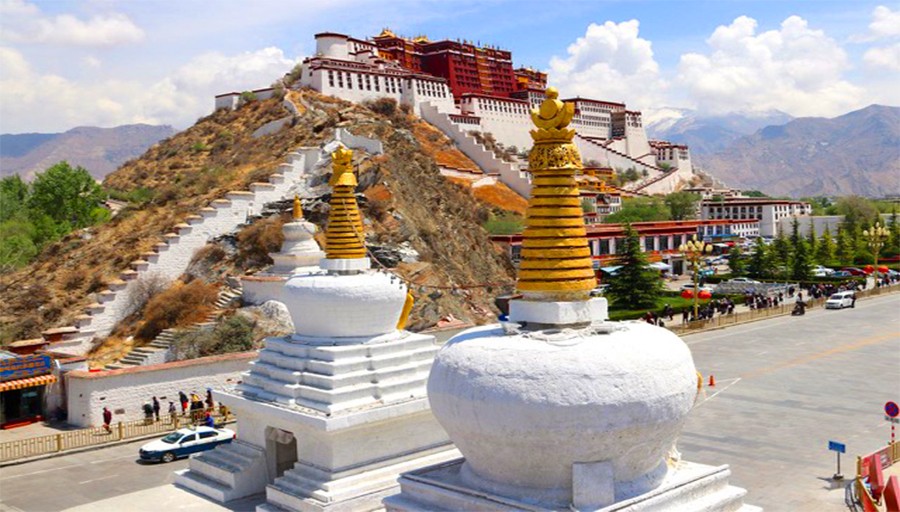
FlightFollowing breakfast, you will visit the former summer residence of the Dalai Lamas, Potala Palace. It is also an important cultural site in Lhasa.
The next sightseeing will be the ruins of the Jokhang Temple which is an important Buddhist temple in the old city. One can also stroll around the traditional area around the temple, called “Barkhor” where pilgrims used to circumambulate the temple.
You will be going at a comfortable pace since your body is still acclimating to the altitude. Rest often, drink plenty of water and do not exert yourself unnecessarily.
Maximum Altitude
3,650 m.Meals
Breakfast, Lunch DinnerTrek Duration
5–6 hrsAccomodations
HotelTransportation
Private VehicleThe second day in Lhasa is dedicated to sightseeing and acclimatization. Sera Monastery where monk debates and traditional Buddhist learning take place, will be visited. Another key religious site, the Drepung Monastery, was once one of the largest monasteries in Tibet.
You will also get a chance to visit the former summer palace complex of Norbulingka. The sequence of the sightseeing might vary according to the opening time and local arrangements.
It is important to keep on a moderate pace throughout the day which will allow your body to acclimatise before reaching higher altitudes. Get a good night’s sleep and get ready for your journey to Shigatse in the evening.
Maximum Altitude
3,650 m.Meals
Breakfast, Lunch DinnerTrek Duration
5–6 hrsAccomodations
HotelTransportation
Private VehicleAfter breakfast you will leave Lhasa and proceed to Shigatse. A few hours of driving in a picturesque country setting with a mountainous landscape.
The route from Lhasa to Shigatse is about 367 km and takes about 8-9 hours depending on the conditions of the road and the stops made.
In Shigatse, you will be able to visit Tashilhunpo Monastery (when you have time). The monastery is a religious center and is a traditional religious site connected to the Panchen Lamas. Once you have seen the sights, you will check in to your hotel and get some sleep.
Maximum Altitude
3,850 m.Meals
Breakfast, Lunch DinnerTrek Duration
8–9 hrs driveAccomodations
HotelTransportation
Private VehicleToday you’ll drive towards Saga. The road travels across the vast plateau, through wide valleys and mountain scenery and far from populated areas.
Normally takes about 8 to 10 hours, depending upon road conditions and stops and is about 445 km in length. Much of the day will be spent travelling and breaks for rest and refreshment will be helpful.
Saga sits at (4,450m / 14,600ft) which is quite high compared with Shigatse. It’s possible you’ll experience a different sense of air as soon as you arrive, so relax into the evening and give your body time to acclimate.
Maximum Altitude
4,450 m.Meals
Breakfast, Lunch DinnerTrek Duration
8–10 hrs driveAccomodations
HotelTransportation
Private VehicleFrom the town of Saga to Lake Manasarovar. You will get deeper into the Tibetan Plateau with more open and distant scenery.
The distance is about 370 km and the journey takes about 6-7 hours. On the way, you come across high mountain scenery and broad valleys until you reach the Lake Manasarovar region.
Lake Manasarovar is situated at 4,590 m / 15,059 ft. Once you arrive, you will be able to relax and enjoy the peace of the area around the lake, depending on the program and weather. The rest of the day is available for rest.
Maximum Altitude
4,590 m.Meals
Breakfast, Lunch DinnerTrek Duration
6–7 hrs driveAccomodations
hotelTransportation
Private VehicleYou will spend some time around Lake Manasarovar and then head towards Darchen where the Mount Kailash Kora starts. The road from the lake to Darchen is short but relatively long compared with previous days.
It takes about 1 to 1.5 hours to reach the destination which is at a distance of around 40 to 50km. After arriving in Darchen (4,575 m / 15,010 ft), you will be able to get some rest and prepare for the hike.
Use the afternoon to inspect your walking gear, pack your day bag and get ready for the first leg of the Kora.
Maximum Altitude
4,575 m.Meals
Breakfast, Lunch DinnerTrek Duration
1–1.5 hrs driveAccomodations
HotelTransportation
Private VehicleToday marks the beginning of the Mount Kailash Kora. Your journey from Darchen will lead to Dirapuk and will slowly wind its way into the valley of Mount Kailash.
There may be a short vehicle transfer depending on the current road access before the walking part of the course starts. It is normally a walking distance of 18 to 20 km and 6 to 8 hours depending on the starting point and the condition of the trail.
The path slowly climbs as you approach Dirapuk. The overnight area is located around 4,920 m / 16,142 ft. Use small steps, take frequent rest breaks and listen to your guide’s instructions during the hike.
Maximum Altitude
4,920 m.Meals
Breakfast, Lunch DinnerTrek Duration
6–8 hrs trekAccomodations
hotelA rest and acclimatisation day will be observed at Dirapuk today. This rest day allows your body to acclimatize itself after the initial day of the Kora before tackling the more challenging Dolma La Pass.
The accommodation offers the possibility of a good long nap during the day. You can have a short, easy walk around the local area if the conditions and local arrangements allow, but don’t have to go on an all-day hike.
If altitude is an important factor, then Dirapuk is at 4,920 m / 16,142 ft. Eat well, drink plenty of water and keep activities light.
Maximum Altitude
4,920 m.Meals
Breakfast, Lunch DinnerTrek Duration
Rest dayAccomodations
HotelThe heaviest part of the Kora around Kailash is today. From Dirapuk, you will head up steadily towards the pass of Dolma La which is the highest on the circuit. The trail begins to climb as it approaches the pass.
Dolma La reaches approximately 5,630 m / 18,471 ft. Crossing the pass, the descent is towards Zuthulpuk. The overall walk length is about 20-22 km and is likely to take 8-12 hrs depending on the trail conditions and the walkers’ stamina.
The hike down can also be strenuous as the path is rough and uneven. Do not rush; take your time and follow your guide’s instructions. The location of Zuthulpuk is approximately 4,790 m / 15,715 ft.
Maximum Altitude
5,630 m.Meals
Breakfast, Lunch DinnerTrek Duration
8–12 hrs trekAccomodations
HotelThe final part of the Kailash Kora is finished today. The trail from Zuthulpuk gradually leaves the mountain valley and continues towards Darchen. This walking portion is typically 10–12 km and takes 3–4 hours, depending on the trail and vehicle access.
Once the Kora has finished, you will get acquainted with the vehicle and start the journey to Saga. The journey distance from Darchen to Saga is about 450-495 km which will take about 7-9 hours.
This is a long day, so there’s some rest time while traveling. Once in Saga, you check in to your accommodation and get a good night’s sleep.
Maximum Altitude
4,790 m.Meals
Breakfast, Lunch DinnerTrek Duration
3–4 hrs trek + 7–9 hrs driveAccomodations
HotelTransportation
Private VehicleFollowing breakfast, you will head off from Saga to head towards Shegar (known as New Tingri). The trip is across another stretch of the Tibetan plateau featuring expansive valleys, high mountain vistas and remote villages.
The majority of the day will be spent on the road, with appropriate rest, meals and other necessary stops planned. The actual travel time may be impacted by road conditions.
Shegar or New Tingri is located at an elevation of 4,350 m / 14,272 ft. On arrival, you will have time to rest and prepare for the next day’s trek up to the Everest region.
Maximum Altitude
4,350 m.Meals
Breakfast, Lunch DinnerTrek Duration
7–9 hrs driveAccomodations
HotelTransportation
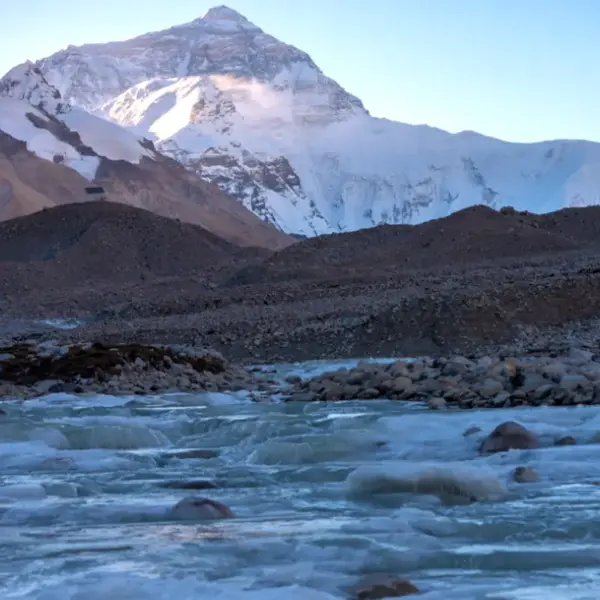
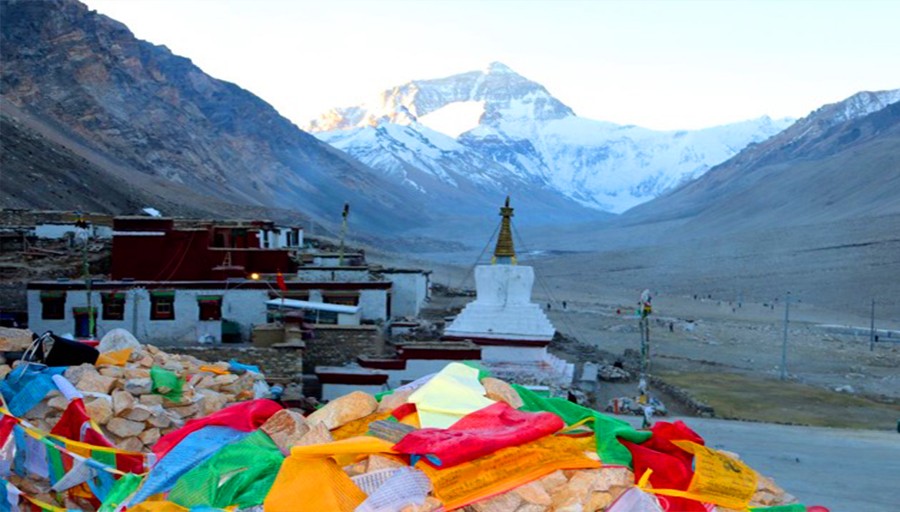
Private VehicleToday you will drive from Shegar towards the Everest region and Rongbuk. The road heads up towards the north of Mt. Everest and the journey towards Rongbuk and the Everest Base Camp area becomes more remote.
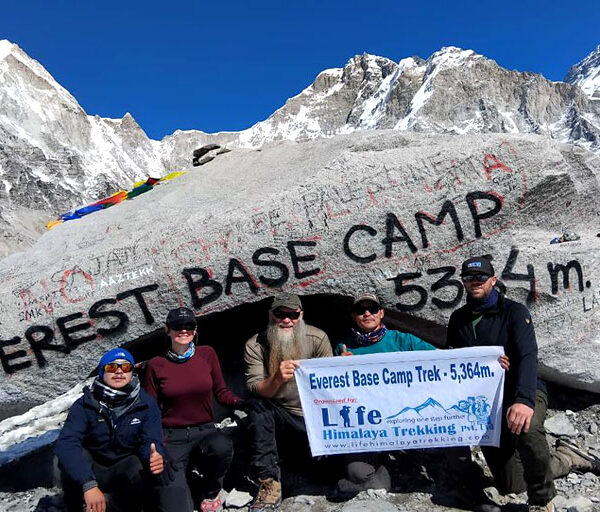
Depending on the permitted point of access for tourists and the current road access in Tibet, the Everest Base Camp area is reached at about (5,000 – 5,200 m / 16,404 – 17,060 ft).
You will spend a few days in the Everest region before embarking on the journey back towards Shigatse. This is a long travel day and can be subject to change depending on the roads and based on local regulations and time spent in the Everest area.
Maximum Altitude
5,200 m.Meals
Breakfast, Lunch DinnerTrek Duration
Approx. 9–12 hrs drive including Everest visitAccomodations
HotelTransportation
Private VehicleYou’ll depart Shigatse and head back to Lhasa. This trip takes place along the road through the Tibetan Plateau and covers a distance of about 265 km.
The usual driving time is 4-5 hours, not counting stopping for sightseeing. There are chances for stopping off on the way, depending on the schedule.
Once you arrive in Lhasa, you will be dropped off at your hotel and have some time to rest. This is because it is necessary to come back to Lhasa after spending a few days at greater heights.
Maximum Altitude
3,850 m.Meals
Breakfast, Lunch DinnerTrek Duration
4–5 hrs driveAccomodations
HotelTransportation
Private VehicleYour journey in Tibet is over today. After the breakfast, you will be flown to Lhasa Gonggar Airport and back to Kathmandu.
The flight goes over the Himalayas and lands in Kathmandu. The actual time of flight can vary as a result of airline and operating conditions.
Once in Kathmandu, you can have a rest or arrange for the onward trip. The remainder of the day will be free as per your flight schedule.
Maximum Altitude
3,650 m.Meals
Breakfast, Lunch DinnerTrek Duration
1.5–2 hrs flightAccomodations
HotelTransportation
Private VehicleIt is the last day of your tour to Tibet and Mount Kailash. Following breakfast, there will be free time until departure.
Your departure transfer will be arranged as per your international flight schedule to Tribhuvan International Airport. Ensure that your passport, travel documents and personal belongings are in order before you depart from the hotel.
If you are flying later in the day, you can have the rest or the last preparations in Kathmandu. This is the end of your trip – the airport.
Maximum Altitude
1,400 m.Meals
BreakfastTrek Duration
Approx. 30–60 min transferTransportation
Private Vehicle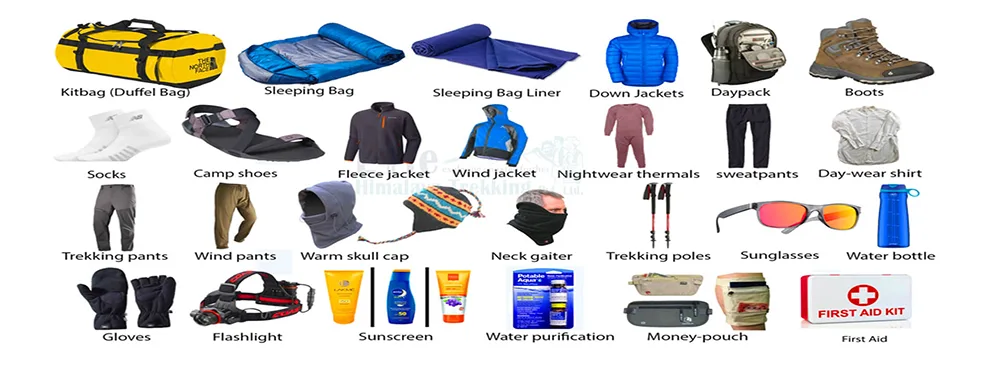
The Kailash Mansarovar Yatra to Lhasa is a difficult high- altitude trek. The challenge is in the elevation, not in climbing. The three-day Kailash Kora involves long walking days, high passes and crossing Dolma La (5,630 m / 18,471 ft).
The excursion is not technically demanding, but a certain level of fitness is required. The highest walk is a tough one due to the loss of oxygen in the air at higher elevations. You should be at ease walking for several hours on rough mountain tracks.
| Section | Approx. Distance | Difficulty | Main Challenge |
| Darchen to Dirapuk | 18–20 km | Moderate to challenging | Gradual altitude gain |
| Dirapuk to Zuthulpuk | 20–22 km | Very challenging | Dolma La crossing |
| Zuthulpuk to Darchen | 10–12 km | Moderate | Long descent and uneven trail |
| Overall Kora | Approx. 50–52 km | Challenging | High altitude and long walking days |
It’s recommended for those who are able to walk for extended periods at high elevations.
Finally, there are two routes to the Kailash region: the Kailash Mansarovar Yatra via Lhasa and the traditional overland route from Nepal. The Lhasa route starts from Kathmandu, passes through Lhasa, Shigatse and Saga and ends at Lake Manasarovar.
The overland route from Nepal normally passes through the Rasuwagadhi and Kerung border corridor. But this path is now disrupted due to the extreme flood that struck Rasuwa on 26th August 2026. The road and the bridges were also damaged by the flood and the Rasuwagadhi crossing is still closed.
| Feature | Via Lhasa | Overland via Kerung |
| Starting point | Kathmandu | Kathmandu |
| Nepal Tibet crossing | No land crossing | Rasuwagadhi Kerung |
| Initial travel | Flight to Lhasa | Road from Kathmandu |
| Main Tibetan route | Lhasa, Shigatse, Saga | Kerung, Saga and western Tibet |
| Kailash Kora | Included | Usually included |
| Current 2026 status | Practical alternative to affected land route | Rasuwagadhi Kerung route currently closed |
| Current flood impact | Avoids the damaged Rasuwa corridor | Directly affected by the August 2026 flood |
| Alternative possibilities | Fly into Lhasa and continue by road. | Hilsa route may be considered subject to permits, transport and operational conditions. |
| Main advantage | Avoids the damaged Nepal-Tibet land corridor and includes Lhasa sightseeing | Normally provides a road-based journey from Kathmandu. |
| Important consideration | Requires Tibet entry permits and flights | Reopening depends on restoration of the border corridor |
Currently, the Kerung overland route is not viable for travel as the Rasuwa flooding will hinder travel as of 3 Sept 2026. China has opened its road access for rescue operations, but this does not mean it has opened its border for pilgrimage travel.
In principle, it is possible to use the western route through Nepalgunj, Simikot and Hilsa; however, the route will depend on the availability of helicopter transportation, permits, weather conditions and arrangements on the Tibet side. If you need to make changes to your trip, please check with your operator directly.
For the current conditions, the Lhasa flight route is a clearer choice for those who would like to avoid the damaged Rasuwa and Kerung corridor, provided that the flights are available and Tibet travel permits are obtained.
The weather conditions of the Kailash Mansarovar Yatra are very different depending on the region. There are cold nights and strong winds with rapid temperature variations in Kailash, but Lhasa and Shigatse are generally more comfortable.
May to October is the peak travel season. The relatively favorable conditions during the months of May, June, September and early October make them often preferred months. Warmer weather and increased rainfall are possible during the months of July and August. It is much colder in the winter and roads and trekking can be impacted by snow and ice.
| Month | Typical Conditions | Suitability |
| January | Very cold, dry and possible snow | Not recommended |
| February | Very cold with winter conditions | Not recommended |
| March | Cold with possible snow | Not recommended |
| April | Cold, with some remaining snow | Possible, but conditions can be difficult |
| May | Cooler mornings, improving conditions | Good |
| June | Mild daytime weather and generally favorable trekking | Very good |
| July | Warmer but wetter | Good with weather flexibility |
| August | Warmest period but more rainfall | Good with weather flexibility |
| September | Cooler, generally clearer conditions | Very good |
| October | Cold nights and changing weather | Good in early October |
| November | Very cold and increasing winter conditions | Not recommended |
| December | Very cold with possible snow and ice | Not recommended |
Kailash Kora is the primary trek route of Kailash Mansarovar Yatra from Lhasa. It typically takes three days to travel from Darchen, going through Dirapuk and Zuthulpuk before returning to Darchen.
The length of the walk is typically 50 to 52 km, but can vary based on where the local governments and tour operator begin and end their hike. The second day is the toughest as the route goes through Dolma La Pass (5,630 m / 18,471 ft).
| Day | Route | Approx. Distance | Main Point |
| Day 1 | Darchen to Dirapuk | 18–20 km | Gradual climb towards the northern side of Mount Kailash |
| Day 2 | Dirapuk to Dolma La to Zuthulpuk | 20–22 km | Highest and most demanding section |
| Day 3 | Zuthulpuk to Darchen | 10–12 km | Complete the Kora and return to Darchen |
| Total | Three-day Kora | Approx. 50–52 km | High altitude pilgrimage circuit |
Walk at a moderate rate, not a quick rate, especially when crossing Dolma La.
Among the activities included in the Kailash Mansarovar Yatra via Lhasa is a three-day Kora around Mount Kailash. This section is physically demanding due to the high altitude, extended walking time and the ever-changing mountain conditions.
On the first day, you travel from Darchen to Dirapuk. The second day is the most difficult one and involves the ascent to Dolma La Pass (around 5630 m / 18471 ft), then to Zuthulpuk. The last day is spent in the valley before the Kora.
Be prepared for:
If you experience severe symptoms, or you believe you are unable to proceed, you must follow your guide’s directions and report it to the support team!
One important thing to keep in mind about the Kailash Mansarovar Yatra via Lhasa is the fact that much of the route is taken at high elevation (3,000m / 9,843ft) and the Kora route climbs up to roughly (5,630m / 18,471ft).
Symptoms can range from headaches to tiredness and dizziness, nausea and a lack of appetite and sleep. If symptoms are mild, this should not be overlooked, as the symptoms may get worse with increases in elevation.
Important points:
A well-planned acclimatization that is undertaken in Lhasa and on the way to Kailash is essential in managing altitude risk.
An important aspect of the Kailash Mansarovar Yatra from Lhasa is the elevation. Especially at the Kailash Kora. Locally, the team can have oxygen available for emergency use, but this should not be used as an alternative to adequate acclimatisation and a comfortable walking speed.
If someone starts to be very short of breath, confused, unable to walk, or continues vomiting, the guide should let him or her know right away. The individual may have to cease walking, descend to a lower altitude, or may require medical treatment.
Life Himalaya Trekking will offer guidance and coordination during the planned travel assistance; however, in case of emergencies, various evacuation arrangements may be made.
When one is well-prepared, the Kailash Mansarovar Yatra itinerary is much easier to handle. No experience necessary, but you should be able to walk several hours on uneven and uphill trails.
Begin preparations a few weeks before travel. Moderate cardiovascular exercises – walking and climbing the stairs regularly can help to enhance endurance. Longer walks on weekends are helpful as the Kora involves full days of walking.
Before departure:
While fitness does help to prevent altitude sickness, it does not cure it. Acclimatization is still relevant even for physically fit travellers.
Wise packing is essential as there is a limited availability of shops along the Kailash Mansarovar Yatra route. Clothing for the cold, windy weather should be brought with you and lighter clothing for warmer daytime weather.
During the Kora, a small daypack comes in very handy as you’ll only need the essentials for each day of the walk. Do not store vital records, prescription medications, or any valuables in your suitcases.
Essential items include:
Depending on the season, pack accordingly, but remember that it can get extremely cold at high altitude, even in the summer months.
Due to the route being in remote areas at altitude, safety is of utmost importance in the Kailash Mansarovar Yatra from Lhasa. The day program may be subject to change due to weather, road and elevation conditions.
If you don’t feel well, tell your guide and/or your support team right away. Do not withhold symptoms just because you want to go on the planned trip. One of the most challenging crossings in the Kora is at Dolma La, so you need to take enough breaks and walk slowly.
The following safety precautions should be taken:
Expect changes during the winter and spring due to weather and roadway conditions.
The Kailash Mansarovar Yatra package strongly recommends taking travel insurance, especially as this hike is undertaken in remote locations at higher elevations.
Don’t assume that a regular travel policy will cover the entire trip; check the actual terms before buying a policy. Some policies place a limit on the height of trekking in certain policies or exclude trekking at high elevations.
Your policy should cover as much as:
Review with the insurer, in writing, that the policy will include the activity and the highest altitude for your itinerary. Bring the policy and emergency numbers on the trip.
One must document and make arrangements in advance to travel to Tibet. To undertake the Kailash Mansarovar Yatra package, you must have a valid passport and Chinese visa and Tibet-related travel permits for most of the international visitors. Other permits might also be needed for western Tibet.
The normal mode of travel to the Kailash region is not independent travel, as in a normal independent holiday. Travel is arranged through an authorised travel agency and permits are issued as per relevant regulations.
Some of the common documents and permits include:
Requirements may change, so be sure your agency verifies the current requirements before leaving. Life Himalaya Trekking will arrange the travel permit and other arrangements as per the package.
The Kailash Mansarovar Yatra package also includes international flights between Nepal and China, so travelers should ensure that they have the necessary entry and permits into Tibet. The specific documents will vary according to nationalities and the Chinese travel regulations at the time of writing for Tibet.
If you are traveling from Kathmandu to Lhasa, you will experience a different border procedure than traveling by land through Nepal, as you do not enter Tibet by land, but by air.
Travelers should:
Conditions for permits may be subject to change and travellers must not use information from the Internet which may not be up to date. Life Himalaya Trekking can arrange for the necessary travel documents and permits based on the current rules and regulations.
One of the biggest aspects of Kailash Mansarovar Yatra is transportation, as the entire route is a trek on the Tibetan Plateau. The route starts from Kathmandu to Lhasa and is followed by a return flight from Lhasa to Kathmandu.
The train is used for the transportation of vehicles between Lhasa, Shigatse, Saga, Lake Manasarovar, Darchen, Shegar and other sites on the tour. Depending on the size of the group, the road conditions and local arrangements, vehicles are used for the journey.
Due to the high altitude and distance, the road sections take many hours. Rest stops are usually made for meals, rest and as needed.
In the Kailash Kora, walking is the primary mode of transport. Depending on the state of road access at the time and local regulations, local transport may be employed at certain locations. Please confirm the vehicle arrangement with Life Himalaya Trekking before going.
The weather may impact travel on the Tibetan Plateau. Driving conditions can sometimes be slower than expected due to strong winds, snowfall, rain, lack of visibility and changing road conditions. Things can shift rapidly at high altitudes, too.
The Kailash Mansarovar Yatra route could be impacted by delays on the road. Especially during the long night drives between the remote pilgrimage centers. Other factors that may affect daily travel time include checkpoints, local travel restrictions, road maintenance, weather and traffic conditions.
The Kailash Mansarovar yatra to Lhasa passes through some very remote and difficult-to-reach areas. Should there be a change in the planned schedule due to weather or circumstances, the local team will make the necessary arrangements as weather permits.
The accommodation on the Kailash Mansarovar Yatra from Lhasa to the remote regions of the Tibetan Plateau can vary, depending on where you are staying. Housing is usually very comfortable in Lhasa and Shigatse and you’ll find that standard hotel rooms are provided with private rooms, baths and even electricity.
Hereafter, it is less complicated to make lodging en route to Saga, Lake Manasarovar and Darchen. Due to the remoteness of the location and harsh high-altitude conditions, fewer facilities are available in remote areas.
Avoiding the luxury of hotels, the Lake Manasarovar accommodation can be basic; there are simple rooms and shared facilities. Darchen offers better accommodation facilities such as guesthouses and hotels and is the primary base for embarking on the Kora.
The level of accommodation on the trip is not guaranteed to be the same. The availability also differs during the high seasons of pilgrimages and is normally booked in advance for organized groups.
The hotels used in Lhasa, Shigatse and other larger towns are not as easy to book as during the three-day Kora. The typical overnight destinations are found around Dirapuk and Zuthulpuk; pilgrims stay at simple guesthouses or accommodation that is related to the monastery.
Rumors suggest that a large portion of the rooms are shared and that there are simple beds or mattresses and blankets. Private rooms are not to be expected. Toilet facilities are simple; they may be outside the main sleeping building.
No hot water/running water is available and cannot be counted on. There is also limited electricity, especially at the far-flung Kora stops.
Be ready for:
These two nights are most beneficial with a warm sleeping bag, personal toiletries and wet wipes.
The Kailash Kora is the high-altitude walking section which is one of the most difficult paths in the trek; with the proper support of the locals, it will be easier to manage this section. Guides are available to assist people with the route and pace, as well as the conditions around them on the walking days.
During the Kora, it can be convenient to have the assistance of a porter for carrying some personal items. Travelers are advised to have water, medicines, warm clothes, documents and personal valuables with them.
The Kailash Mansarovar Yatra tour package involves a number of long road trips in addition to the trek around Mount Kailash. The guide is also able to help organise the group in the event of a change of circumstances or if a traveller requires assistance.
Life Himalaya Trekking can provide you with more detailed information about the guide and porter options before you start your trek.
For people who prefer horses or ponies, some travelers may want to consider hiring them for the Kailash Kora, particularly given the mountain’s high elevations and some of its steep inclines. You may have to book in advance due to availability depending on local arrangements, weather conditions, animal availability and conditions on the route.
Before relying on horse or pony services, please make sure they are confirmed. There are also likely to be extra fees if they do not come with the package.
The part that is most challenging is the crossing towards Dolma La where the track attains an elevation of approximately 5,630 m (18,471 ft). Animal support may not be feasible in certain sections due to conditions.
In the Kailash Mansarovar Yatra package, one should confirm the exact number of horses/ponies in the package with the organizing team before departure.
The meals on the Kailash Mansarovar Yatra package are usually basic and intended to supply sufficient energy for the lengthy walking days and trekking. The food provided will include simple local or prepared dishes such as rice, noodles, vegetables, soups, lentils, potatoes, eggs, etc.
On the Kora, there may be less variety of food, especially because of the remoteness of the route. It is helpful to have a few familiar snacks to bring along, like energy snacks, biscuit/chocolate, nuts and dried fruits.
Drink water frequently during the day. Don’t always assume that if you feel thirsty, you are. In cold weather, warm beverages like tea and soup may help, too. Don’t overindulge in alcohol as it can dehydrate and make acclimating more difficult.
Please inform Life Himalaya Trekking about your special dietary needs before departure and discuss any changes needed to accommodate your request.
A journey that varies greatly in terms of bathroom provision. In Lhasa, Shigatse, Saga and other large towns, the hotel or guesthouse facilities tend to be better developed.
As the trek progresses toward the shores of Lake Manasarovar, Darchen and the remote villages which are used on Kailash Kora, the conditions become more basic. Expect minimal amenities and restricted amenities for some road stops and walking segments.
The route of the Kailash Mansarovar Yatra is a long journey through remote regions of the Tibetan Plateau and restroom facilities are not always available along the way.
When you’re ready for simple amenities, it makes the trip more pleasant and you won’t have to deal with any hassles on long days.
The hotel and better-equipped accommodation in Lhasa and other big cities are more likely to provide regular showers. The availability is restricted during the trekking period in remote areas and also during the Kailash Kora.
Personal hygiene will need to be handled with fewer facilities while on the walk. If you don’t have access to a full shower, wet wipes, tissues, hand sanitizer and a small personal hygiene kit can help.
The Kailash Mansarovar Yatra from Lhasa also involves a few days at very high altitudes where the cold climate can make showering unpleasant as well. Simple measures to keep you clean are often more practical than having full bathroom facilities daily.
As one gets further into the Tibetan route of the Kailash Mansarovar Yatra, the reliability of electricity decreases. Most suggest that charging facilities are available at hotels in Lhasa, Shigatse and Saga, though they may not be available all of the time.
There is remote accommodation near Lake Manasarovar where electricity is available for specific hours or days, or during the Kora. A few of the guesthouses may be operating on generators or other less reliable power systems and charging stations are not always available.
For easier travel:
Charging should be limited while using the Kora and keep the batteries for important communication and photo taking.
The currency of Tibet is Chinese yuan or RMB. While on the Kailash Mansarovar Yatra package, you will have to carry adequate money since you have to deal with fewer payment facilities in the remote areas.
Banks and ATMs are more widely available and electronic payment services are available in major towns, but they do not necessarily work for all international travellers. Around Lake Manasarovar and Kora, there are very few shopping opportunities at remote stops.
It is useful to:
The operator should verify your main package payments and any services you are included with before you travel to ensure you are able to pay for the package yourself.
The principal package of Kailash Mansarovar Yatra includes the services as stated in your tour arrangement from Lhasa. Personal expenses should be met; however, during the trip, some extra cash should be carried.
Additional expenses may depend on your tastes and the specific services that are offered in your specific package.
Bring some money, as it may be difficult to pay by bank card or use an ATM in remote areas of Tibet.
The further you go from Lhasa, the more limited your communication will be. The language spoken is primarily Mandarin and Tibetan and English is understood by the majority of visitors and some guides and tourism workers in tourist areas.
As far as communication, transportation and local arrangements are concerned, the guide is generally the first to be involved during the Kailash Mansarovar Yatra itinerary. Useful to have important information like hotel name, passport information and contacts in case of emergency recorded.
It is possible to get mobile phone reception in different areas of the trip. It may also be difficult to get to the Internet outside major towns.
Useful tips include:
Photography is an integral component of the Kailash Mansarovar Yatra to Lhasa, but visitors must adhere to the rules. Certain monasteries, temples and other places of religious or governmental control may have photography restrictions.
Please consult with the guide or local staff before taking photos at religious sites. Don’t take photographs of people without their consent, particularly at religious services.
For drone users:
As regulations may vary, check the current regulations before departing, rather than assuming that they are the same as they were in the past.
For many religious traditions, Mount Kailash and Lake Manasarovar are sacred sites. Participants of the Kailash Mansarovar Yatra package must show respect at prayer places, monasteries, temples, lakes and Kora along their way.
Avoid using religious locations as photography sites. Avoid touching religious objects unless you are given permission to do so and follow the local instructions. There might be some restrictions on walking or taking photos in certain areas.
Responsible visitors should:
Respectful travel which preserves the cultural and religious significance of the travel destinations along the way.
It is essential to abide by the customs and religious practices of the area from the beginning to the end of the Kailash Mansarovar Yatra package. Tibet has its own religion and culture, especially at monasteries and temples, prayer sites and Mount Kailash.
Avoid the following:
Travel easily and with respect to others and religious sites by following these simple guidelines.
The first Kailash Mansarovar Yatra route can get quite challenging due to the combination of a long road journey, high altitude and multiple days of trekking. This will be made easier by good preparation and an adaptable attitude.
Some helpful first-time travellers’ advice:
Most important thing: Do not hurry. The path goes to very high altitudes, so it is more important to take your time to acclimatize and stick to the pace than to rush through each section.
The Kora is part of the program, however should a traveler feel unable to continue they should discuss options with their guide and local support team.
Yes, there is a tour to Lake Manasarovar, around the lake and further to Darchen before Kora begins.
Yes, the northern Everest Base Camp region is included before heading to Shigatse for the night.
Mount Kailash is not climbed. Instead, the sacred Kora, a walk around the mountain, is the itinerary.
The period spent in Lhasa is three days, on the first day you will arrive and have a rest, then on the second and third day you will sightsee.
During the sightseeing period of Lhasa we are going to visit Potala Palace, Jokhang Temple, Barkhor, Sera Monastery, Drepung Monastery and Norbulingka.
Yes, it is possible to visit Tashilhunpo Monastery after arriving in Shigatse, depending on the length of the visit.
Walking section starts at Darchen where walkers head towards Dirapuk and then on to Zuthulpuk.
Upon arriving at the last walking stage, the visitors then transfer to a vehicle and head towards the town of Saga from Darchen.
Yes, visitors do come back to Shigatse from the Everest region and then head back to Lhasa from Shigatse.
Yes, Lhasa and Shigatse are rich with a number of important monasteries and temples that are part of the tour, along with the pilgrimage route.
The highest is Dolma La Pass during the Kora (5630 m / 18471 ft).
Yes, the tour joins in flights from Kathmandu to Lhasa and Lhasa to Kathmandu at the start and end of the tour.
Yes, there’s a special rest and acclimatization day at Dirapuk before the crossing of Dolma La Pass.

top rated - Based on 200 TripAdvisor & 93 Google Reviews
Join us on similar trips in the same region
We plan custom and flexible holiday trips according to your holiday duration, extra wishes, and demands.
Plan your Trips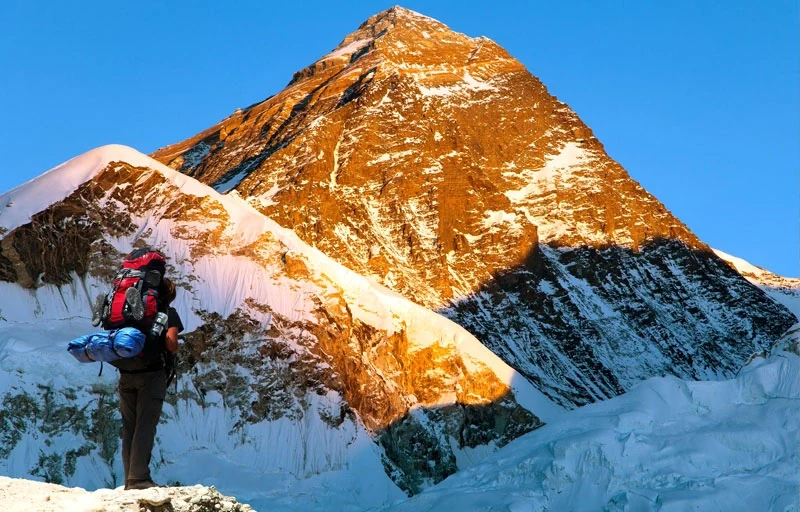
Chat with our Travel Designer Shiba
Need assistance? Our expert agent is here to help! Please fill out the form below to initiate a chat and get your queries resolved quickly.