

 English
 Dutch
Dutch Japanese
 Hindi
Hindi Italian
 Spanish
 French
 German
 Chinese
 Korean
 Arabic
 Hebrew
 Russian
 Portuguese
 Danish
 Czech
Czech Polish
 Swedish
 17500
17500 Plan Your Next
Journey to the Himalayas!
We plan custom and flexible holiday trips according to your holiday duration, extra wishes, and demands.
Plan your Trips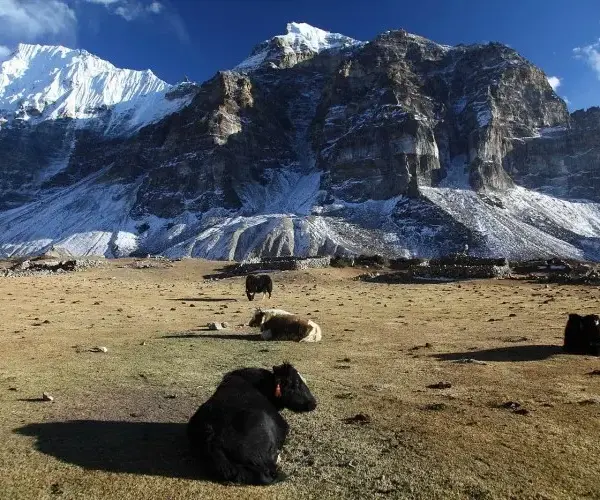
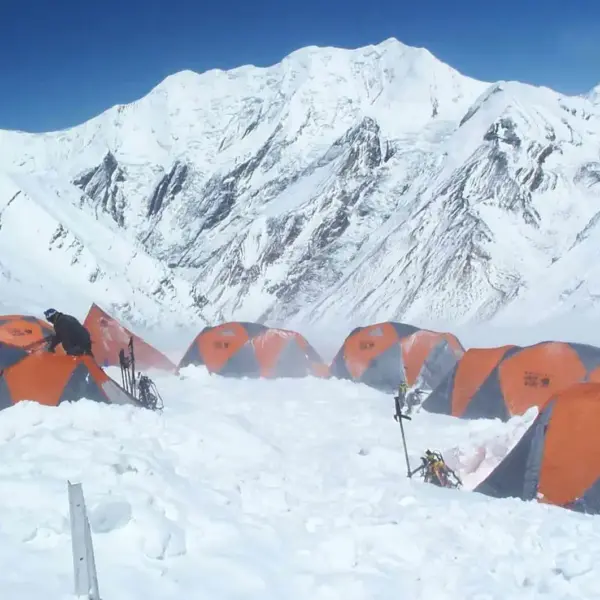
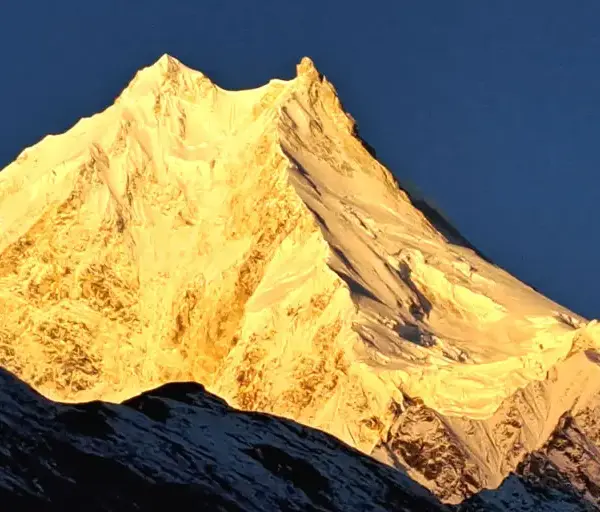

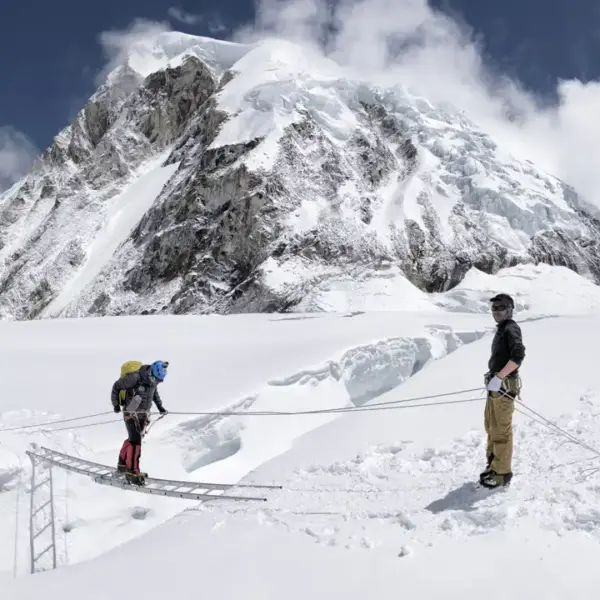
Expeditions to Dhaulagiri, Kanchenjunga, Annapurna, Makalu, Manaslu, etc. are some examples of 7500m-8000m above Climbing expeditions in Nepal
The Himalayan trails of Nepal are quite popular among mountaineers worldwide. Nepal houses 8 of the 10 tallest peaks in the world. From amateur climbing to expert death zone level, expeditions are available among Nepali mountain trails.
Here, we will discuss the expeditions of 7000m and above 8000m peaks of Nepal. Nepal has around 65 mountain peaks that lie between 7000m to 7500m. The number of peaks that lie above that and below 8000m is 24. There are around 72 peaks above 7000m permitted by the Government of Nepal for the expedition.
Climbing 7500m and 8000m high peaks is one of the top challenges in mountaineering. “Death zones” are high altitudes that present formidable challenges. The thin air and harsh weather make it hard to breathe. Careful planning is vital. Preparation is, too. Both are essential for safety. The climbers conquer such heights to feel like climbing some of the tallest mountains in the world. Also, climbing to them requires more skill and lots of strength.
But, more important, it requires recognizing the power of the mountains. This power makes the accomplishment even more gratifying. The challenge is the top motive for many climbers. The vistas are the second reason. The feeling of brotherhood with climbers is the last.
Nepal has some of the world’s famous 7500m and 8000m peaks. They inspire people to climb all across the globe. Here are the famous expeditions:
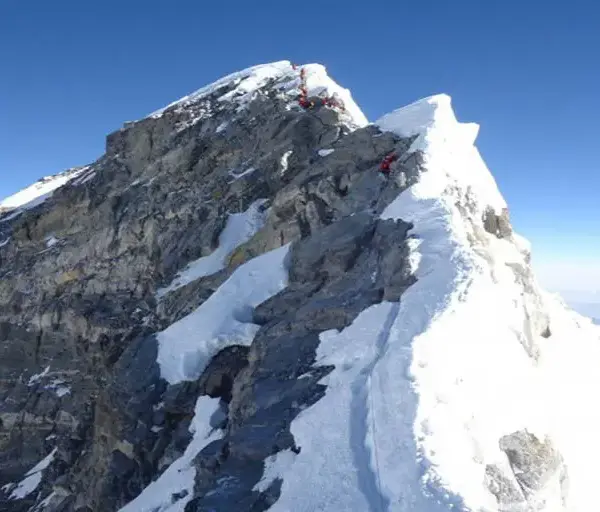
Mount Everest is the world’s highest peak. It is the ultimate goal for many mountaineers. The Everest expedition is challenging because of its extreme altitude. The weather and terrain are unpredictable. Climbers usually try the summit via the South Col route. This route needs careful acclimatization. You also need much preparation. The allure of standing on the highest point on Earth drives many to take on this complex challenge.
Dhaulagiri is the world’s seventh-highest peak. Dhaulagiri Expedition is famous for its large size and steep rise above the land around it. The climb is steep. It’s very technical, so it’s hard for novice climbers. The Northeast Ridge is the most accessible and famous of the routes. It has rather technical slopes of ice and snow. The climb is technical. It is far away. This makes the place dearer to experienced climbers.
Kanchenjunga is the third-highest mountain. It is famous for its beautiful but challenging routes. The Kanchenjunga Expedition is in a more secluded place. So, it has a more solitary experience than Everest. The climb is technical. It may include rock, ice, and snow climbing. The South Face is the busiest. It takes a lot of time and many skills at high altitudes.
Annapurna is the tenth-highest peak. Annapurna Expedition is one of the most dangerous mountains to climb, with a high death rate. The South Face route is known for its high technicality. It is also known for the risk of an avalanche. Still, the risk and the views draw experienced climbers. They hike to get the most out of extreme sports. Climbing Mount Annapurna is a significant milestone for climbers and mountaineers.
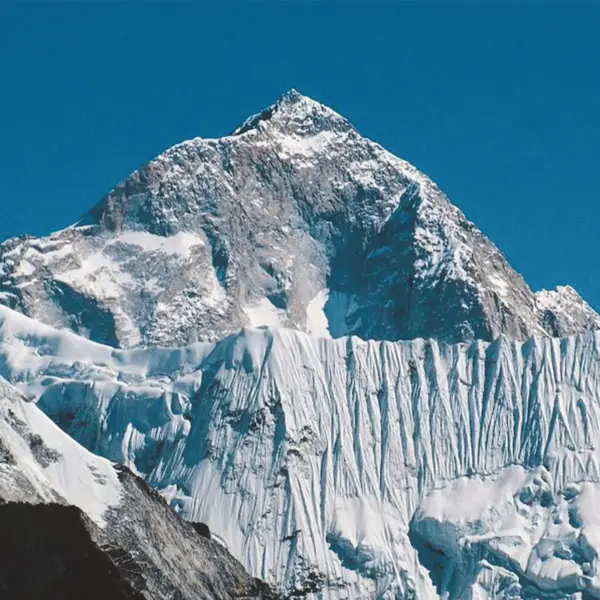
Makalu is the fifth-highest mountain. It has a perfect pyramid shape and steep ridges. The standard route goes via the Northwest Ridge. Climbers must navigate technical rock and ice. The climb is less crowded than Everest. Makalu Expedition offers a more solitary and challenging experience. Climbers must be ready. Makalu has harsh weather. They must also prepare for its technical problems.
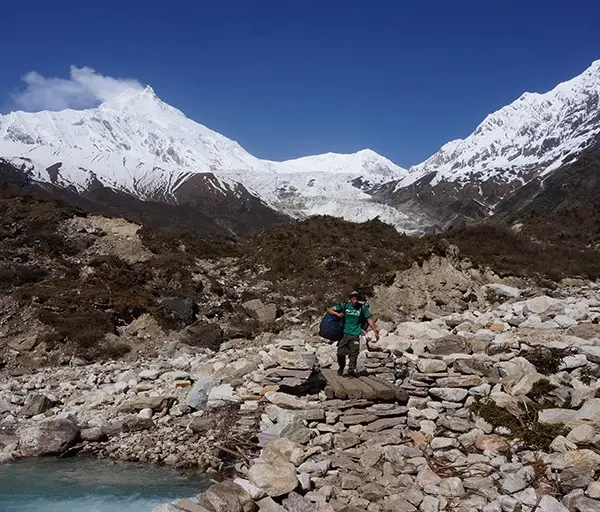
Manaslu is the eighth-highest mountain. It is famous as an alternative to Everest. The standard route follows the Northeast Face. It involves a mix of rock, ice, and snow climbing. Manaslu Expedition offers a less crowded expedition. It has breathtaking views of the Himalayas. The climbing is easy to hard. The hike has steep inclines. These would need technical skills and fitness.
Each of these trips has its challenges and benefits. They are essential goals. Real fans of high-elevation mountaineering eagerly await them.
Spring is the best time for climbing high peaks, like 7500m and 8000m. In this season, temperatures are slightly higher than in other seasons. This lowers the chance of freezing and frostbite. Thus, the weather is milder. It has fewer storms and less heavy snow. This makes climbing harder for climbers. More time is available during the day. Other climbers have more time to ascend or descend. But still, climbers have to watch for avalanches and fast-changing weather. This is still possible.
Summer is the monsoon season in many high-altitude places. This is true of the Himalayas. This season has heavy downpours. They cause more avalanches and landslides because they nicely melt snow and ice. The monsoon can also bring high humidity. It worsens the climbing conditions and makes high-altitude treks bad. Also, many storms and clouds can cut visibility. This affects navigation and climbing. Because of these reasons, summer is generally not an appropriate season for alpine ascents.
Autumn is also suitable for climbing high mountains. The monsoon rains have almost ended. We now have clear blue skies and relatively dry weather. The weather is less extreme than in the winter. But, it remains chilly, giving climbers a better chance to climb. Avalanches are much less likely in winter. There are fewer other natural hazards, too. This is compared to the summer season. Still, the days are short. So, the climber has fewer hours of light to work in. And nights are cold. But bad weather does not deter many climbers. They still choose the autumn because the weather is stable.
Winter presents the most challenging conditions for climbing. They are the most extreme and difficult. Temperatures drop drastically. They often go well below freezing. This increases the risk of frostbite. It also raises the risk of hypothermia. Winter has high winds and heavy snowfall. They make climbing routes more dangerous. They also make them hard to navigate. The cold can also freeze gear. This adds to the climb’s difficulty. Shorter daylight limits climbing time. The risk of avalanches and other winter dangers has increased. They make climbs perilous. As a result, climbers usually avoid winter due to these harsh conditions.
Preparing for a 7500m or 8000m climb needs careful planning. It also requires hard physical training and deep knowledge of high-altitude mountaineering. Here are vital aspects to consider:
High-altitude climbs demand exceptional physical fitness. Do comprehensive cardiovascular exercises. Also, do strength training and endurance workouts. Focus on building leg strength, aerobic capacity, and core stability. Use high-altitude simulation training. This can include hiking or climbing at higher altitudes. It will acclimatize your body to lower oxygen levels.
Proper acclimatization is vital. It prevents altitude sickness. Plan your climb to include gradual ascents and acclimatization days. Spend time at progressively higher altitudes to allow your body to adjust to reduced oxygen levels. Getting used to the altitude lowers the risk of AMS. It also lowers the risk of HAPE and HACE. They are types of altitude sickness.
You need advanced technical climbing skills. You also need experience in ice and rock climbing and navigating challenging terrains—practice using crampons, ice axes, and other climbing equipment. Learn how to cross crevasses. Also, learn how to deal with avalanches. Learn to handle extreme weather.
Invest in high-quality gear. It should be specialized and suitable for extreme conditions. The gear includes a four-season tent. It also has a cold-weather sleeping bag and thermal clothing. Climbers need ropes, harnesses, helmets, crampons, ice axes, and avalanche gear. Ensure all gear is in excellent condition and you are proficient in using it.
Get the permits and permissions for climbing. They vary by region and peak. Arrange for logistical support. This includes setting up a base camp, getting food, and arranging transportation. Coordinate with local guides and support staff. They have climbed at high altitudes. They can provide valuable help.
Undergo a thorough medical check-up to ensure you are fit for high-altitude climbing. Consult with a physician who specializes in high-altitude medicine for personalized advice. Carry a comprehensive first-aid kit and be prepared for emergencies. Familiarize yourself with the symptoms of altitude sickness and know how to respond if they occur.
The preparation of mindset is also an essential component of this strategy. They need critical psychological resources. These resources allow for coping with complex conditions. The conditions could be more comfortable. There is loneliness, cold, and hard work. These methods will also help preserve clear thinking. They will help in making good decisions under pressure. Understand: you must know how to handle altitude sickness and bad weather. You must follow a set plan and schedule for this.
Research the weather conditions of the area and the escalation of the day of your intended climbing. Conditions can affect your ascend tremendously, and you
must be ready to change your strategy depending on the weather conditions. Knowing the regular climates of the season you plan to climb is helpful. It helps in appropriate planning. Tackling these key areas can make a 7500m or 8000m climb safe and successful.
Which 7000m peak is best to climb?
Pumori (7161m) is often considered the best 7000m peak to climb. This is because it blends technical challenges with great views. These include views of Everest and Lhotse. It provides a good mix of rock and ice climbing, making it an excellent preparation peak for higher altitudes.
What is the safest 8000-meter peak to climb?
Cho Oyu (8188m) is the safest 8000m peak to climb. This is due to its simple route and lower difficulty. The generally stable weather conditions and less hazardous terrain make it a popular choice for climbers seeking their first 8000m summit.
How long can you stay above 8000m?
Climbers are advised not to stay above 8000m, known as the “death zone,” for more than 24-48 hours. The severe lack of oxygen at these altitudes can lead to life-threatening conditions such as high-altitude cerebral edema (HACE) and high-altitude pulmonary edema (HAPE).
Which 8000m peak is accessible?
Cho Oyu (8188m) is considered the most accessible 8000m peak due to its relatively moderate slopes and non-technical route. The favorable weather conditions and accessible climbing path make it a suitable option for climbers attempting their first 8000m peak.
What is the cheapest 8000m mountain to climb?
Manaslu (8163m) is often the cheapest 8000m peak to climb. The lower permit fees and less complex logistical requirements compared to peaks like Everest make it a more affordable option for climbers aiming to summit an 8000-m mountain.
Which 3 Peaks are most challenging?
K2, Annapurna, and Nanga Parbat are the three most challenging peaks. These peaks are notorious for their extreme technical challenges, high fatality rates, and unpredictable weather conditions, requiring climbers to have exceptional skills and experience.
Can I do three peaks without training?
Attempting to climb three high-altitude peaks requires extensive training. High-altitude climbing demands significant physical conditioning, technical skills, and acclimatization to prevent serious health risks, such as acute mountain sickness, which can be fatal.
Which 8000 peak is most challenging?
K2 (8611m) is the most challenging 8000m peak. The mountain’s steep, technical routes, frequent avalanches, and unpredictable weather conditions create a highly demanding and dangerous climbing environment, requiring climbers to possess advanced skills and resilience.
What is the most challenging peak to climb?
K2 (8611m) is often considered the most challenging peak due to its severe weather conditions, highly technical climbing routes, and frequent avalanches. These factors combine to create one of the most formidable challenges in the mountaineering world.
Is K2 or Annapurna harder?
K2 is generally more complex than Annapurna due to its more technical climbing routes, harsher weather conditions, and higher fatality rate. While Annapurna is also extremely dangerous, K2’s additional technical difficulties make it a more challenging climb.
Which mountain kills the most climbers?
Annapurna I has the highest fatality-to-summit ratio among the 8000m peaks, making it the deadliest mountain for climbers. The high risk of avalanches and severe weather conditions contribute significantly to its danger, resulting in many fatalities.
How many bodies are on Annapurna?
It is estimated that around 60 climbers have died on Annapurna, with many bodies remaining on the mountain due to the treacherous and rugged terrain, which makes recovery efforts extraordinarily challenging and dangerous.
We plan custom and flexible holiday trips according to your holiday duration, extra wishes, and demands.
Plan your Trips
Chat with our Travel Designer Shiba
Need assistance? Our expert agent is here to help! Please fill out the form below to initiate a chat and get your queries resolved quickly.