

 English
 Dutch
 Japanese
 Hindi
 Italian
 Spanish
 French
 German
 Chinese
 Korean
 Arabic
 Hebrew
 Russian
 Portuguese
 Danish
 Czech
 Polish
 Swedish


Plan Your Next
Journey to the Himalayas!
We plan custom and flexible holiday trips according to your holiday duration, extra wishes, and demands.
Plan your Trips
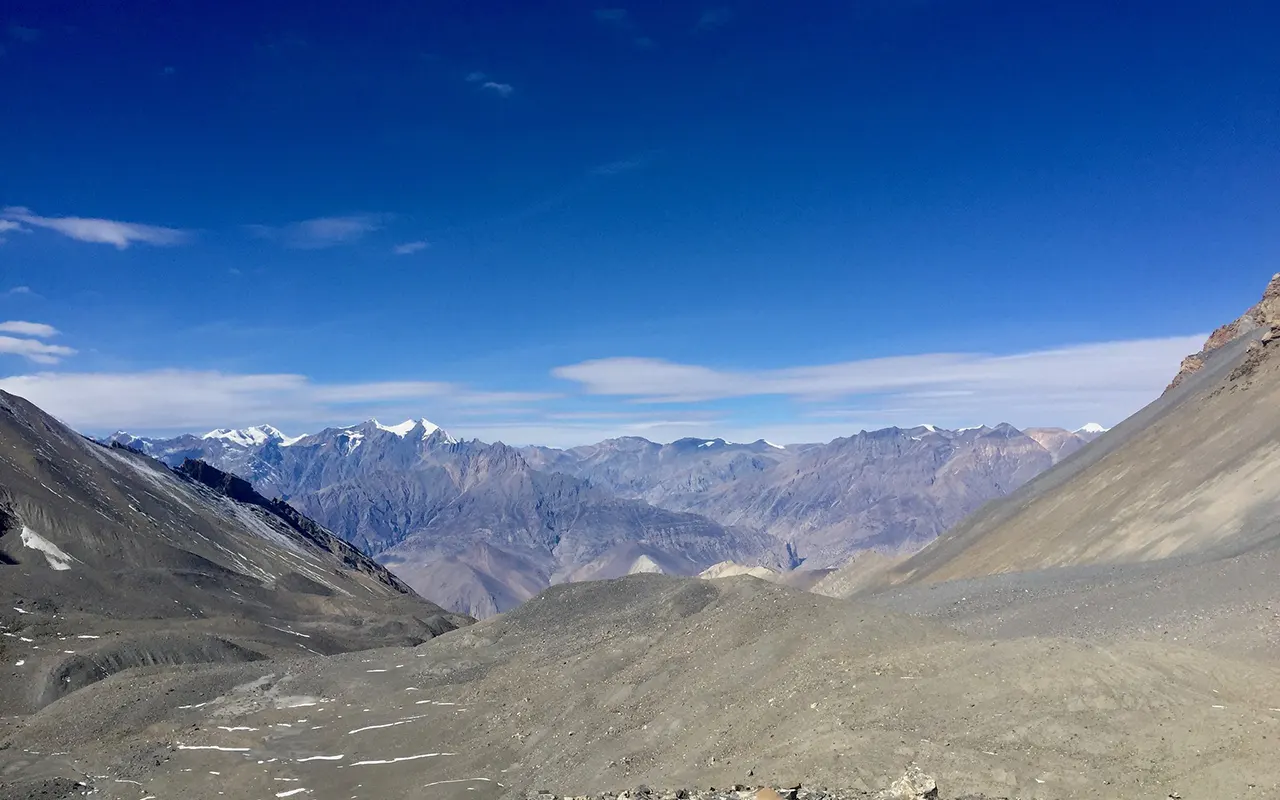

Max. Altitude
5,320 m
Best Season
Oct-Dec and Mar-May
Activity
Sightseeing
Start / End Point
Kathmandu / KathmanduNar Phu Valley and Kang La Pass Trek is an 18-day adventure through one of the remote trekking regions of the Annapurna area in Nepal. This trip will whisk you away from the hustle and bustle of crowded trekking trails and into the traditional mountain villages, deep river valleys, high alpine landscapes and ancient Buddhist settlements. It is a blend of cultural experience with a challenging high-altitude walk, offering an alternative to those wishing to experience a quieter side of the Himalayas.
It starts with a trip from Kathmandu to Jagat via Besisahar. The trail then goes through Marsyangdi Valley towards Dharapani and Koto in the restricted area of Nar Phu. The valley further on transitions from green forests and riverside towns to dry hillsides, rocky paths and open mountains.
The Phu and Nar villages are one of the highlights of the Nar Phu Valley Trek. The traditional stone houses, the monasteries, the prayer flags and the local customs have all left their mark on these settlements, making them a place of strong Tibetan culture. In addition, you will visit Tashi Lhakhang Gompa in Phu and spend an acclimatization day in the surrounding village.
As you head towards the village of Nar, the trek will get tougher and you will be crossing Kang La Pass (5320 m / 17454 ft). This is the summit of the trek and will demand an early start, physical fitness and careful walking. The trail drops down from the pass to Ngawal, then links back in with the main Annapurna Circuit route on to Manang.
The Kang La Pass Trek also leaves plenty of time to explore the villages of the mountains around Manang and the lakeside town of Pokhara. The route includes an acclimatization day in Phu and a buffer day in Manang to allow for rest and a change in route conditions.
This walk is suitable for those with previous hiking experience and is comfortable for those who can enjoy long days of walking and simple lodging in small mountain villages. Generally, spring and autumn are the best times to trek because of the more favourable conditions.
Life Himalaya Trekking can help you to obtain permits, accommodation, transportation and guide to the remote villages of Nar and Phu with a high Himal pass crossing. Give us a call today for more information about your trip and to plan your adventure in the Nar Phu Valley and Kang La Pass, Nepal.
On arrival at Kathmandu Tribhuvan International Airport, our representative will pick you up and take you to the hotel. The drive will depend on where you stay at the hotel and traffic.
After arriving at the hotel, guests can check in and get some rest after travelling. Please make sure to arrive early and feel at ease so you can take a walk in the surrounding streets or relax in the hotel.
Kathmandu is the starting point of our Nar Phu Valley and Kang La Pass Trek. There will be no scheduled events in the day, allowing you to get well from your flight. We will also be on hand to assist with any current arrangements.
Maximum Altitude
1,400 m.
Meals
As per arrival timeTrek Duration
30 minutes to 1 hour
Accomodations
HotelToday will be for preparation before heading towards the Nar Phu Valley. At the hotel, we will review trekking arrangements and finalise the required permits for entering the restricted area of Nar Phu. The restricted area permit is to be requested before entry into the valley.
You will be given a short briefing by your trekking guide, who will tell you about the route, the walking schedule, accommodation and important safety information. A chance to discuss the difficult parts – especially the high altitude route and the crossing of Kang La Pass.
Your trekking gear will be inspected to ensure that you’re prepared with the necessary clothing and equipment for your trip. Any items not purchased or rented can be bought or rented during the remaining time.
Maximum Altitude
1,400 m.Meals
BreakfastTrek Duration
2 to 3 hours for preparation and briefingAccomodations
HotelFollowing breakfast, we will depart from Kathmandu for the journey to Jagat, passing through the hills of central Nepal, along the highway. This road runs through riverside villages, terraced agricultural fields and small towns to reach Besisahar, the district headquarters of Lamjung.
From Besisahar, we will proceed on to Jagat in a local jeep or appropriate Four Wheel Drive (4WD) vehicle. The course is along the Marsyangdi River and slowly crosses into the mountain terrain of the Annapurna region. However, the road conditions may vary, especially past Besisahar and the journey might take longer depending on traffic and weather.
Jagat is a small village located on the Annapurna Circuit trail and is the beginning of the trek on this route. Once in the village, we will go and stay in a local teahouse and rest.
Maximum Altitude
1,400 m.Meals
Breakfast, lunch and dinnerTrek Duration
8 to 9 hoursAccomodations
Teahouse
Transportation
Private VehicleToday we will start our trek along the Marsyangdi River towards Dharapani. We then head through the traditional villages and cultivated fields to the forested parts of the trail, with glimpses of the hills in the background after breakfast. This will be a mixed trail with stone steps, village paths and parts of the Annapurna Circuit.
Further on, it goes through smaller towns and across suspension bridges over the river. The trail rises towards Dharapani and the landscape slowly evolves, becoming narrower and hillier as the valley becomes narrower. With several uphill and downhill sections, keeping to a comfortable walking pace is important.
Dharapani is a traditional village located in the mountains where the road to the Nar Phu Valley takes off from the main Annapurna Circuit. Upon arrival, we will be staying in a local teahouse for the night in the village.
Maximum Altitude
1,960 m.Meals
Breakfast, lunch and dinnerTrek Duration
6 to 8 hoursAccomodations
TeahouseFollowing breakfast, we will head towards Koto from Dharapani. The trail winds through pine forests, villages of the mountain people and rocky parts. The route will slowly ascend as you venture further up the valley.
On the way, we will go across Bagarchhap, Danaque and finally Timang. This section offers spectacular views of the surrounding mountainous area, which includes peaks in the Manaslu and Annapurna regions, in clear weather. There are long stretches of ascent and descent and shorter steep sections of the trail.
At Timang, we will head towards Koto, a small village at the entrance of the restricted Nar Phu Valley. This village is an important checkpoint where trekking permits are checked before entering the restricted area.
From Koto, we spend the night in a local teahouse and get ready for the more distant parts of the trek.
Maximum Altitude
2,600 m.Meals
Breakfast, lunch and dinnerTrek Duration
5 to 6 hoursAccomodations
TeahouseWe will depart from Koto after breakfast and start trekking into the restricted Nar Phu Valley. Before heading down the trail, our permits will be checked at the checkpoint. The trail winds through a narrow gorge of the river Nar Phu Khola with cliffs and hilly forest on both sides.
The path runs through pine forest, rocky stretches and suspension bridges. As we head away from the more popular Annapurna Circuit, you will see a difference in the landscape. The road is quite hilly at times and becomes quite isolated towards Meta.
The settlement of Meta is situated on an unobstructed hillside above the valley. There is basic housing in the teahouse in the village and there are places to rest after the long climb. We will spend the night here before continuing towards Kyang.
Maximum Altitude
3,560 m.Meals
Breakfast, lunch and dinnerTrek Duration
7 to 8 hoursAccomodations
TeahouseFrom Meta, we will head up into the upper Nar Phu Valley to Kyang, continuing our trek today. The path slowly leaves the lower valley and climbs through more open terrain, dry hillsides, rock faces and mountain vistas. The environment gradually turns into the high-altitude land of the Tibetan Plateau.
On the way, we will travel through the small towns of Chyaku and others. The path has some inclines and some uneven areas so a slow pace will allow you to adjust to the change in elevation. Also visit traditional stone buildings and small shelters where the locals and traveling herders of livestock have settled.
We will be walking for a couple of hours until we reach a small settlement, Kyang, at the top of the valley. The village is a peaceful resting place before heading towards Phu. This evening we will rest and prepare for the following day’s walk.
Maximum Altitude
3,840 m.Meals
Breakfast, lunch and dinnerTrek Duration
5 to 6 hoursAccomodations
TeahouseWe will continue our journey from Kyang towards Phu Village after breakfast. The path runs up the upper valley with stretches of dry mountain conditions, rocky tracks and views of the Phu Khola. The higher you go, the more open the area is, with fewer trees and more bare hillsides.
The walk glides through village stone structures and fields, leading to Phu. The unique architecture of the village appears; the houses are built close to each other in the stone and lie along the hillside. This section is significant in the overall route to the remote Nar Phu region, for the surrounding mountains and the remote location.
Phu Village is the principal village in the restricted valley and houses the communities with Tibetan cultural influences. Once we arrive at the village, we will stay at a local tea house and get a rest. The following day we’ll spend here to aid in acclimatization.
Maximum Altitude
4,110 m.Meals
Breakfast, lunch and dinnerTrek Duration
5 to 6 hoursAccomodations
TeahouseToday is for acclimatization and exploration in Phu Village. The extra night at this level allows time to acclimatise before heading up to the higher parts of the route. We will not do any strenuous walking but will have some lighter activities.
Once up and around, you can wander through the maze of village lanes, see the traditional village stone houses and hear some of the local community’s way of life. Tibetan culture is evident in the village through its architecture, prayer flags, monasteries and customs.
Also, we will visit Tashi Lhakhang Gompa, an important Buddhist monastery in the region. Take some time to explore the monastery and understand its religious importance. An acclimatisation walk is also optional, depending on energy levels and guidance from the guide.
The rest of the day will be at your disposal for preparation for the next section of trekking.
Maximum Altitude
4,110 m.Meals
Breakfast, lunch and dinnerTrek Duration
1 to 2 hours of easy walkingAccomodations
TeahouseWe’ll head back up the upper Nar Phu Valley soaking up some of the scenery along the way from Phu Village. The trail winds through rocky hillsides, open mountain areas and some areas with a view of the river. We will continue towards Kyang before moving along the way to Nar Phedi.
Today’s walk has a significant amount of descending, but there are also some rough ground and smaller climbs. The valley’s remote villages and old-fashioned environment can be viewed once again in the changing landscape. We will keep a steady pace, especially on the steeper descents, with the help of our guide.
The Buddhist monastery is a hallmark of Nar Phedi. Once we have arrived in the settlement, we will have time to visit the monastery and find out its religious significance. The next day, we will climb up to Nar Village and spend the night here.
Maximum Altitude
4,110 m.Meals
Breakfast, lunch and dinnerTrek Duration
6 to 7 hoursAccomodations
TeahouseToday we will depart from Nar Phedi and start to make our way up to Nar Village. The trail follows open hillsides and rocky sections with views out over the surrounding mountains to the upper Nar Valley following breakfast. The walk is fairly short, but the terrain rises so it’s necessary to pace oneself.
The view opens out into a more exposed area; trees and vegetation diminish as we head further uphill. Traditional stone walls, small agricultural fields and areas where residents and farm animals use the trail will be encountered. Also, the route offers views of the surrounding mountain slopes.
We will now enter a restricted valley and reach Nar Village, another traditional village, in around 4-5 hours. Stone houses, Buddhist prayer flags and local Tibetan-influenced culture are all hallmarks of the village. After we reach the destination, we’ll be able to get some rest and then get ready for the hard crossing of Kang La Pass.
Maximum Altitude
4,110 m.Meals
Breakfast, lunch and dinnerTrek Duration
4 to 5 hoursAccomodations
TeahouseIt is the toughest day of the trip today, crossing the Kang La Pass, which is the highest point in the trip. We will start early from Nar Village and follow the trail towards the pass. The path is steeply uphill through rocky slopes, moraine and high mountain ground after breakfast. Due to the altitude and the nature of the trails, slow walking and following the guide’s directions will be necessary.
We will then reach the Kang La Pass (5320 m / 17454 ft) and take some time to rest and enjoy the views of the surrounding Annapurna mountain range. Prayer flags are placed on the pass and it offers a good idea of the remote mountain environment.
After crossing the pass, we will start a long descent towards Ngawal. The path goes through steep and rocky areas before it eventually leads to the more developed Annapurna Circuit route. On reaching Ngawal, we will stay overnight in the local tea house after this tough day.
Maximum Altitude
5,320 m.Meals
Breakfast, lunch and dinnerTrek Duration
8 to 10 hoursAccomodations
TeahouseWe will trek up to Manang on the Annapurna Circuit route from Ngawal after breakfast. The walk is not as strenuous or as long as the crossing on Kang La Pass the day before. It is a well-established mountain route with views of the Annapurna range and surrounding valley.
We will cross through the traditional villages and fields as we gradually head down to Braga. This village is famous for its ancient Buddhist monastery, traditional stone houses and mountainous landscape. If time allows, we can visit Braga Monastery and take a look at the religious environment and traditional Buddhist artwork that is seen there.
From Braga, we will follow the trail towards Manang. The village is a key stop on the Annapurna Circuit, featuring teahouses, shops and amenities for trekkers. Then we’ll arrive at Manang, check in to the accommodation and have a nice evening.
Maximum Altitude
3,660 m.Meals
Breakfast, lunch and dinnerTrek Duration
3 to 5 hoursAccomodations
TeahouseIn Manang today is a rest and buffer day. Once you have finished the Nar Phu Valley and have crossed the Kang La Pass, you will have time to recuperate from the rigors of the mountain walks. No long-distance trekking or driving is scheduled so you can enjoy a more relaxed day in the village.
Manang is one of the primary settlements that pass through the Annapurna Circuit and offers a number of facilities for trekkers. Following breakfast, you can wander through the village, shop, enjoy the mountain views or sit in your teahouse. If you feel comfortable, short walks around the settlement are possible, but strenuous activities are not necessary.
The additional day also gives flexibility in case of any delay in the journey due to weather, trail conditions or any other unforeseen situations in the early stages of the journey. This day will be determined by the group’s condition and travel plans and will be decided by our guide.
Maximum Altitude
3,540 m.Meals
Breakfast, lunch and dinnerTrek Duration
Free day with optional short walksAccomodations
TeahouseFollowing breakfast, we will depart from Manang and drive the road to Pokhara. The drive runs through the Marsyangdi Valley, through mountain villages and parts of the Annapurna Circuit road. We will be heading downhill through the valley, slowly moving away from the higher mountain area.
We then head towards Besisahar, where we will meet the main road from the hill districts to the Pokhara area. The trip could be multi-stop and multi-vehicle depending on the road conditions and traffic. Parts can be quite rugged, especially during and following the rainy season.
Then we head towards Pokhara, the lakeside city in central Nepal, from Besisahar. From there, we will be taken to our hotel in the city and have the rest of the evening free. After the long drive or a short stroll around the Lakeside area, you can enjoy a relaxing experience.
Maximum Altitude
3,540 m.Meals
Breakfast, lunch and dinnerTrek Duration
10 to 12 hoursAccomodations
HotelTransportation
Private VehicleToday is a free day in Pokhara for relaxing after the trek and a long road journey. There is no physical activity planned as on the previous days in the mountains so you can enjoy the city at your own pace.
Following breakfast, you have the option of exploring the Lakeside area, spending some time at Phewa Lake or one of the local cafés. Additional features include Davis Falls, Gupteshwor Mahadev Cave and World Peace Pagoda. These visits can be done on your own or by combining them with other transport, such as a walk to the nearby area.
There are also some shops and restaurants here in Pokhara where you can buy some souvenirs or local and international food. It might be better to stay at the hotel all day, though. The evening is free and can be enjoyed as your last full day in Pokhara before heading back to Kathmandu.
Maximum Altitude
822 m.Meals
BreakfastTrek Duration
Free day with optional sightseeingAccomodations
HotelIn Pokhara, you’re going to have the morning free so you can relax or explore the Lakeside area before you head back to Kathmandu. Upon arriving at the hotel after breakfast, you can either stroll around Phewa Lake, head to the local shops or simply relax after the trek.
During the afternoon, we will be moved to Pokhara Airport for your next flight to Kathmandu. The duration of the flight is approximately 25-30 minutes, depending on weather and airline. En route, one might see the surrounding hills and the Himalayan peaks in clear weather.
Your representative will drop you off at Tribhuvan International Airport, Kathmandu, where you will be met by a representative for your transfer to the hotel. After check-in, there will be free time for the rest of the evening for relaxation or independent activities.
Maximum Altitude
1,400 m.Meals
BreakfastTrek Duration
25 to 30 minutes by flightAccomodations
HotelTransportation
FlightYou have just completed your trek in Nar Phu Valley and Kang La Pass. Our representative will pick you up from your hotel in Kathmandu and transfer you to Tribhuvan International Airport, depending on your international flight schedule.
Depending on your departure time, you will have the opportunity to enjoy breakfast at the hotel. Please allow ample time for airport check-in, immigration and other formalities before departure. The time you need for the transfer will vary depending on your flights, your hotel and the traffic in Kathmandu.
When leaving the hotel, ensure that you have retrieved all your personal items, travel documents and other valuables. Our staff will be on hand to help you with any arrangements for departure to make it easy and simple.
Once at the airport, you can finish your formalities regarding your onward travel. This is the end of your 18 days of trekking and travelling in Nepal.
Maximum Altitude
1,400 m.Meals
BreakfastTrek Duration
30 minutes to 1 hour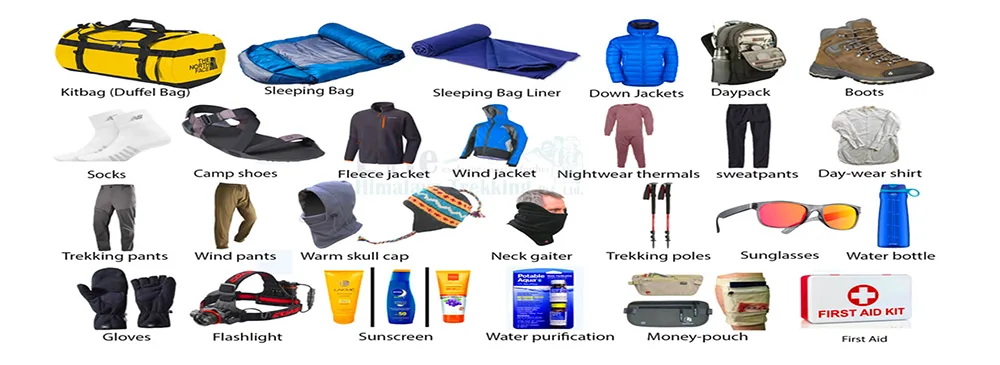
Nar Phu Valley and Kang La Pass Trek is a difficult trail that requires good physical fitness and hiking experience and is set at a high altitude. This hike is a combination of forest trails, narrow gorges, rocky paths, steep climbs and long downhill hikes. The walking time varies during most trekking days from 4 to 8 hours and a crossing of Kang La Pass can take 8 to 10 hours.
Walking distance is not the sole hurdle; the higher altitude and lack of services in remote villages are also challenges. The final pass crossing requires good stamina, balance and confidence on uneven ground.
The trail climbs progressively through the lower Marsyangdi Valley to the far-off hamlets of Nar and Phu. For the Nar Phu Valley Trek, you will be spending several nights above 3,500m (11,483 ft) so proper acclimatization is a very important aspect of the trek. The summit is Kang La Pass (5,320 m/17,454 ft) and then a descent towards Ngawal.
The trip includes one acclimatization day in Phu Village at 4110m (13484 ft). During this extra night, your body has additional time to acclimatise before you head towards Nar Village and the high pass.
Nar Phu is a restricted trekking area in the Annapurna area and one should get special permission to be able to trek in the valley. The primary documents needed are the Nar Phu Restricted Area Permit (RAP) and Annapurna Conservation Area Permit (ACAP). Trekkers also have to have a licensed trekking guide with them and obtain a restricted area permit from a registered trekking agency.
All the necessary permits and documents will be arranged by Life Himalaya Trekking. No application process; the permit arrangements are included in the package.
Before leaving, you need to give a clear copy of your passport to our team and the required personal travel information. Keep your passport and permit documents accessible during the journey because officials may check them at designated checkpoints, including Koto.
The highest point is crossing Kang La Pass (5,320 m /17,454 ft). The trail begins at Nar Village, then heads up through rocky slopes, moraine areas and open mountain country to the pass. The path from the top heads down to Ngawal, leading to Annapurna Circuit, which is a remote area of the Nar Phu.
With the crossing of Kang La mountain, it is a long trek up and down, hence an early morning start for this trek. The route can be tricky – even for seasoned trekkers – in the face of strong winds, fresh snow and low visibility.
The trek accommodates in local teahouses and simple mountain lodges primarily. The facilities are fairly developed in the areas of Dharapani, Koto and Manang and get easier as you go into the remote area of Nar Phu. There is limited accommodation available at Meta, Kyang, Phu and Nar so basic rooms and shared bathroom facilities are to be expected.
Rooms are double-bedded with mattresses, pillows and blankets. Bedrooms generally don’t have heating, except in the center of the dining area. Some villages may have limited or no hot showers, Wi-Fi and charging facilities.
It is advisable to bring an appropriate sleeping bag, particularly for cooler nights at higher altitudes during the Nar Phu Valley Trek. Accommodation will be arranged by Life Himalaya Trekking as per the itinerary and availability locally.
The food is primarily prepared in the villages by the local teahouses depending on the availability and the meals offered vary from village to village. Common foods are Dal Bhat, vegetable curry, noodles, fried rice soups, Tibetan bread, potatoes, eggs and porridge. Dal Bhat is a good option as it will provide carbohydrates and energy for long walking days.
In remote areas like Meta, Kyang, Phu and Nar, the choice of food is limited. For longer trekking days, bring along a few energy bars, nuts or other lightweight snacks.
The local sources and teahouses have drinking water facilities. But water should not be consumed if it is untreated. Carry a reusable bottle and use purification tablets, filters or properly boiled water. Other hot beverages are also available like ginger tea and lemon tea.
Nar Phu Valley and Kang La Pass trek is usually done in the spring and autumn seasons. Spring (March to May) brings warmer temperatures and longer daylight hours. Autumn (September to November) usually provides clearer mountain views and more stable conditions for crossing the high pass.
Climate varies significantly at high elevations. Daytime temperatures can be mild in lower villages, with nights in Phu and Nar being very cold. The trail around Kang La can be impacted by snowfall and high winds, especially during off-peak seasons.
This walk has long days of walking and steep trails so good physical preparation will help to make these days manageable. The Nar Phu Valley and Kang La Pass Trek is not a walk in the park, requiring more than just fitness as you walk for two days, gain altitude and traverse rugged mountain areas. Training should preferably start 8-12 weeks before departure.
Walking, climbing steps, cycling and uphill hiking are all examples of activities that help increase cardiovascular endurance. Leg, hip and core strengthening exercises will also assist with balance and stability on the rocky trails. If possible, walk for 2 or more hours with a backpack that is like the one you will use.
Anyone, no matter their fitness or age, can suffer from altitude sickness when going to a higher elevation. On the Kang La Pass Trek, you will have to spend a few nights at high altitude before arriving at the Pass and it is important to understand the symptoms of Acute Mountain Sickness (AMS).
Symptoms consist of headaches, nausea, dizziness, loss of appetite, unusual tiredness and problems sleeping. More severe symptoms are confusion, stumbling while walking, shortness of breath when resting and a chronic cough. Descent to lower altitudes is indicated and medical treatment is indicated for these symptoms.
Life Himalaya Trekking will have a proper guide to observe the condition of the party and arrange the emergency supply accordingly, if needed. Do not pretend health issues are not there or try to keep going even though health is in danger.
The trip starts with a road trip from Kathmandu to Besisahar and then by jeep road to Jagat. The Besisahar to beyond Besisahar route is along the Marsyangdi River and is a rough, narrow and uneven road in several places that passes through mountain settlements. Travel time is affected by the condition of the roads, traffic and the weather.
Once the trekking part is over, arrangements will be made for a transfer from Manang via Besisahar to Pokhara. This is a long drive back and car transfers will be required if there are road access or local arrangement issues.
There are no domestic mountain flights needed on the Nar Phu Valley and Kang La Pass Trek. But during the monsoon and in the rainy season, road delays are possible. The required vehicles and transfers will be organised by our team in accordance with the programme.
The amount of mobile network coverage decreases the further into the Nar Phu area you go. May get reception in some lower settlements; it is difficult to receive around Meta, Kyang, Phu and Nar. However, the availability of the network also relies on the SIM card operator and the geographical location.
Some teahouses might have Wi-Fi, especially in larger towns, but it may be slow and unreliable. Some remote villages also have limited charging facilities and extra fees may be charged.
It is advisable to get a local Nepali SIM card in Kathmandu before beginning the trek. Download maps offline, store contact numbers and let your family know that you might not be able to communicate with them for a few days. It’s also a smart idea to bring a power bank to keep your phone and other vital devices charged up.
The importance of proper equipment is emphasized, as temperatures, trail conditions and accommodations vary along the way. Warm clothing, reliable footwear and adequate protection from the wind and cool temperatures, as well as the potential for snow, are required for the Kang La Pass Trek. Layering clothes will enable you to adjust with ease when walking and resting.
The journey will be made easier with a comfy backpack, trekking poles and a good-quality sleeping bag. Your sleeping bag ought to be appropriate for freezing mountain nights, especially in Phu and Nar. Bring personal medicine and a first aid kit with you too.
The traditional houses, prayer flags and daily activities of the villages of Phu and Nar show strong Tibetan Buddhist influence. Many of the local customs have been preserved and visitors should be sensitive to their culture. While trekking in the Nar Phu Valley, you will be able to see some of the activities of the villages and also visit some important religious places.
On the way, visitors can also visit Tashi Lhakhang Gompa in Phu and the monastery at Nar Phedi. Take off shoes if and when required, dress appropriately and follow local directions when entering religious institutions.
Learning about local traditions will help you interact respectfully with residents and better understand the cultural character of the valley.
This is a high-altitude journey so travel insurance is a must. A trekking policy should explicitly include trekking at altitudes of more than 5,000 m (16,404 ft), emergency helicopter evacuation, medical care and hospital costs. Check the conditions of the standard travel insurance policy before leaving the country, as activities at such heights may not be covered.
In the remote Nar Phu area, there are few medical facilities. Some villages might have simple medical facilities, but if there is a serious injury or a problem with the altitude, then you might need to be taken to the nearest hospital in a larger town or Kathmandu.
Life Himalaya Trekking will supply an experienced trekking guide who will help in emergency coordination. Have insurance, passport and emergency contact information with you on the trip.
The main trekking arrangements in your package but you should bring extra money for your own expenses. There are not many ATMs along the trekking path and only a limited number of banking facilities are available in remote villages. Removing adequate Nepalese currency in Kathmandu before travelling is better.
Other costs associated with the Kang La Pass Trek include personal purchases, laundry, personal device charging, hot showers, snacks and bottled water. Any tips for your guide/porter/other supporting staff to be given should also be addressed as a separate item, unless part of your package.
After the trek, if you have some spare time, you can stay longer in Pokhara or visit other parts of the Annapurna region. However some extensions are suggested, such as more sightseeing in Manang or another extended trek on the Annapurna Circuit. Discuss extra arrangements with Life Himalaya Trekking before making your travel plans.
Yes. Trekkers must have a Nar Phu Restricted Area Permit and an Annapurna Conservation Area Permit (ACAP) in addition to a trekking agency permit.
No. In a restricted area, trekking is required to be done with a licensed guide by a registered trekking company following applicable permits.
Yes. Simple lodging facilities are available at Nar Phedi Monastery. There are no fancy facilities so only basic facilities are available.
Yes. In winter, when conditions are bad because of snow, strong winds or lack of visibility, crossing may be dangerous. The route may be shortened, altered or cancelled by the guide.
These villages don’t have mobile phone signals or wifi. Download relevant maps and information before entering the restricted area.
Yes. The porters can be hired through the trekking agency. Check the bag limits, porter and extra charges before travelling.
Yes. The city of Kathmandu has shops that sell sleeping bags, down jackets, trekking poles and more. Please inquire about availability before leaving.
Yes. Additional days, permits and arrangements will be required for the planning of an extension towards Thorong La Pass using the Annapurna Circuit.
Helicopter evacuation may be arranged in emergencies, depending on weather, landing conditions and insurance coverage. Delays may occur due to remote locations.
Carry sufficient Nepalese cash from Kathmandu. Most remote Nar Phu settlements do not have banking facilities or ATMs.

top rated - Based on 214 TripAdvisor & 107 Google Reviews
Join us on similar trips in the same region

We plan custom and flexible holiday trips according to your holiday duration, extra wishes, and demands.
Plan your Trips
Chat with our Travel Designer Shiba
Need assistance? Our expert agent is here to help! Please fill out the form below to initiate a chat and get your queries resolved quickly.