

 English
 Dutch
Dutch Japanese
 Hindi
Hindi Italian
 Spanish
 French
 German
 Chinese
 Korean
 Arabic
 Hebrew
 Russian
 Portuguese
 Danish
 Czech
Czech Polish
 Swedish




Plan Your Next
Journey to the Himalayas!
We plan custom and flexible holiday trips according to your holiday duration, extra wishes, and demands.
Plan your Trips


Max. Altitude
4,130 m
Best Season
Mar-May & Sep-Nov
Activity
Hiking
Start / End Point
Kathmandu/KathmanduAnnapurna Base Camp Trek Helicopter Return is one of the most rewarding activities in Nepal,which entails the traditional attraction of the Annapurna Base Camp Trek, and the comfort and adventure of a helicopter flight back. This trek is ideal for individuals who wish to explore the Himalayas at an up-close distance, but because of the time constraint, or they do not want to take the long downhill hike. There is a complete trek on the ascending hill and the scenic helicopter ride back with incredible mountain sightings.
The trek will bring you to the core of the Annapurna region, one of the most renowned trekking destination all over the world. The path cuts across scenic villages, forests, terraced agriculture and the valley of rivers. You pass through rhododendron forest, suspension bridges and have warm hospitality at traditional teahouses. Along the way, you can see beautiful mountains such as Annapurna, South, and Hiunchuli, Machhapuchhre (Fishtail), and Annapurna I.
The best part of the Annapurna Base Camp Trek Heli Return is reaching the base camp of Annapurna at 4,130m (13,550ft). The base camp gives one of the best mountain views in Nepal, surrounded by a natural amphitheatre of snow-covered mountains. Before this, trekkers visit Machhapuchhre Base Camp at 3,700m (12,139ft), which is also another scenic destination that overlooks Machhapuchhre with stunning close-up shots.
The Annapurna Base Camp Trek is rated as moderate. No technical climbing abilities are necessary; however, you should also be physically fit and ready to spend several days on foot. The maximum altitude is 4,130m (13,550ft), and therefore it is necessary to acclimatise and take your time.
The speciality of the Annapurna Base Camp Trek Heli Return is the return flight. You do not need to walk for several days to get back from base camp, but you can reach Pokhara directly by helicopter. This is a very brief flight which provides an unforgettable bird’s-eye view of glaciers, valleys and Himalayan peaks.
All in all, Annapurna Base Camp Trek with Heli return is an ideal combination of adventure, comfort, culture, and nature and is a great place to experience by both first-time and experienced trekkers.
Your Annapurna Base Camp Trek with Heli Return adventure begins today.Welcome to Nepal. Upon arrival at Tribhuvan International Airport, our representative welcomes you at the airport anddrives you to a hotel. The drive is approximately 30 minutes. Once you have checked in, you are able to rest and unwind after the journey.
Kathmandu is a vibrant city with culture, temples and colourful streets. In the evening, you will meet your trekking guide,who will brief you on the Annapurna Base Camp Trek. The orientation describes the route, precaution measures, altitude consciousness and inspects your trekking equipment. This is when it is good to ask questions and ensure that all is prepared.
You can visit Thamel after that, which is quite a touristy place with cafes and trekking stores.
Later, have a welcome dinner with typical Nepali cuisine such as dal bhat and momos. Sleep well tonight before the adventure.
Maximum Altitude
1,320 m.
Meals
Breakfast, Lunch & Dinner
Accomodations
HotelIt is a significant preparation day for your Annapurna Base Camp Trek Heli Return. Following breakfast, you visit some of the cultural points of Kathmandu at 1,320m (4,331ft). You pay a visit to popular UNESCO World Heritage Sites likeSwayambhunath Stupa or Monkey Temple,which provide excellent views of the city. You also pay a visit to Pashupatinath Temple, which is one of the most holy Hindu temples in Nepal.
The sightseeing day will make you familiar with the culture of Nepal as you gradually adapt to the altitude before the Annapurna Base Camp Trek starts. A stroll through the markets of Thamel and Ason will provide you with an opportunity to experience day-to-day life and purchase some snacks or souvenirs.
In the evening, your guide assists you in preparing for the trek. You verify the contents of your backpack, hire or purchase any missing equipment, and inspect the trekking schedule. Due to the correct preparation, the Annapurna Base Camp Heli Return trek is safer and more comfortable. The evening after that is at liberty to rest, take up a nice meal and go to sleep.
Maximum Altitude
1,320 m.Meals
BreakfastAccomodations
HotelToday, the actual Annapurna Base Camp Heli Return trip begins. The next stop is a scenic flight to Pokhara at 822m (2,697ft) after breakfast. From the plane, you can see the Annapurna and Dhaulagiri range.
After the flight, it takes approximately 1.5 hours to get to Nayapul 1,070m (3,510ft) in a jeepfrom Pokhara after the flight. Nayapul is a small town which is the base of the trek.
The trail follows the Bhurungdi River, passing small villages along the way.After lunch, you begin the famous stone steps leading to Ulleri. The ascent is difficult, but gradual. You go past the houses, the mule caravans and the villagers welcoming you.
Towards the end of the afternoon, you arrive at Ulleri at 2,050m (6,726ft). This is where you can see the first good sight of Annapurna South and Hiunchuli. You spend the night after the first day of your trek, resting in a teahouse after dinner.
Maximum Altitude
2,050 m.Meals
Breakfast, Lunch & DinnerAccomodations
TeahouseYour Annapurna Base Camp Trek Heli Return continues after breakfast through some beautiful forest, rhododendron and oak forest. The path is not steep, and the terrains grow cold with each rise in height. During spring, the woods are laden with rhododendron flowers of various colours.
You go through little villages such as Banthanti, 2,250m (7,382ft) and Nangethanti, 2,460m (8,071ft), where you have lunch. This trail passes through silent woods and rivers. The Annapurna Base Camp Trek is a nice experience due to this serene environment.
You go on up the hill after lunch, and you arrive in Ghorepani at 2,850m (9,350ft). Here, you can view Dhauligiri and Annapurna South properly in case the sky is clear.
Ghorepani is a famous tourist attraction, which belongs to the Gurung community of Nepal. You spend the evening in the teahouse, and get ready to go hiking in the early morning the following day to Poon Hill.
Maximum Altitude
2,850 m.Meals
Breakfast, Lunch & DinnerAccomodations
TeahouseIn the early morning, you walk to Poon Hill at 3210m (10531ft), which is the highest point of the day. This is among the most favourable perspectives of the Annapurna Base Camp Trek Heli Return. It is memorable how the Annapurna I, Dhauligiri, Machhapuchhre and other mountains rise and set up in the sunrise over the mountain. Once you have the sightseeing, then you take breakfast at Ghorepani.
The next thing you do is to continue with the Annapurna Base Camp Trek to Tadapani. The path cuts across woods, ridges and mountain sceneries. You can come across monkeys or birds. There is lunch on the trail after which you descend and ascend once more to arrive at Tadapani 2,630m (8,629ft).
Machhapuchhre (Fishtail) is very close and beautiful to seefromTadapani. You remain in a teahouse, dine and sleep at the end of a long, yet rewarding day.
Maximum Altitude
3,210 m.Meals
Breakfast, Lunch & DinnerAccomodations
TeahouseOn the Annapurna Base Camp Trek Heli Return today, it starts with a sharp drop in the dense forest. The route is outlined and quiet with birds and flowing water. You walk down and cross the suspension bridge on the KimrongKhola. The path here leaves off upwards again through little farms and terrace gardens. The perspectives gradually widen, revealing green mountains and far snowy mountains.
The Annapurna Base Camp Trek takes you through small villages and local houses, which are made of stone, as you go on. In a few hours of ups and downs, you arrive at 2,170m (7,119ft) at Chhomrong, a gorgeous village of Gurung people. It is a great place to view both Annapurna South and Machhapuchhre.
During the evening, youcan explore the village or have tea at the teahouse. The gateway to the Annapurna Sanctuary is Chhomrong, and the mountain scenery from here is much closer and dramatic. Have your dinner, watching the colours of the sunset on the peaks.
Maximum Altitude
2,630 m.Meals
Breakfast, Lunch & DinnerAccomodations
TeahouseThe Annapurna Base Camp Trek Heli Return is going deeper into the valley. You begin by walking through long stone steps to ChhomrongKhola, after which you cross a suspension bridge. There is a steep climb after the bridge to Sinuwa at approximately 2,350m (7,710ft). Here, the scene shifts to a thick forest with bamboo, oak and rhododendron trees.
As you enter the Annapurna Sanctuary region, the trail turns colder and more serene. At 2,310m (7,579ft), you pass Bamboo, a small village amidst a great mass of greenery. It is a winding up and down road by the Modi River and has waterfalls and wooden bridges. It is a pleasant and silent walk in this forest, with no villages or roads nearby.
We reach Dovan at 2,600m (8,530ft) by afternoon. It is a little village with some lodges amidst steep-sided valleys. It is colder in the air, and you feel the elevation. Take a rest, have warm tea and eat dinner in the teahouse.
Maximum Altitude
2,600 m.Meals
Breakfast, Lunch & DinnerAccomodations
TeahouseIt is the most thrilling day in the Annapurna Base Camp Trek Heli Return. The path ascends gradually up the forest to Himalaya at approximately 2,900m (9,514ft) and on to Deurali at 3,200m (10,499ft). The disappearance of trees and the onset of rocky terrain make the valley open up.
You walk slowly and breathe slowly as you go higher. Very quickly, you arrive at the Machhapuchhre Base Camp at 3,700m (12,139ft). The Mount Machhapuchhre (Fishtail)view is spectacular from here. Then you take a brief rest, and then proceed on a smooth rise on the glacial moraine.
And that is where you are finally at Annapurna Base Camp 4,130m (13,550ft) with massive mountains such as Annapurna I 8,091m (26,545ft) and Annapurna South around you. This is the highlight of the Annapurna Base Camp Trek. The mountains are like a chain around you, which makes a natural amphitheatre. Take pictures, relax and celebrate the success of reaching the base of Mount Annapurna before dinner and spend the night in base camp.
Maximum Altitude
4,130 m.Meals
Breakfast, Lunch & DinnerAccomodations
TeahouseWake up early and see the sunrise above the mountains in your Annapurna Base Camp Trek Heli Return. The sunrise on Machhapuchre and Annapurna is something to remember. Then, you are ready to take the helicopter flight after breakfast, which is actually a highlight of this trip.
The helicopter takes off from Annapurna Base Camp 4,130m (13,550ft). When you are flying, you get to see glaciers and deep valleys as well as the walking paths down below. From the air, you can clearly see the trail and the distance you covered during the trek. The journey takes approximately 20 minutes, and it touches down in Pokhara at 822m (2,697ft).
The cold mountains are replaced by the warm air and green hills. You check into your hotel, where you take a shower and rest. Later on, you can stroll along Phewa Lake, go to cafes, or even relax.
Maximum Altitude
4,131 m.Meals
BreakfastAccomodations
HotelAfter breakfast,you take a short flight back to Kathmandu at 1,320m (4,331ft). This might also be your last sight of the Himalayas from the flight, which lasts 25 minutes. This is the end of the trek of your Annapurna Base Camp Trek Heli Return.
You get transferred to the hotel back in Kathmandu. The rest of the day is free. You may go shopping in Thamel, go to temples or have a rest in a cafe. It is high time to recollect your experience in the Annapurna region.
Have a traditional Nepali dinner with cultural dance in the evening. Congratulate your guide and your team on the successful completion of your Annapurna Base Camp Trek.
Maximum Altitude
1,320 m.Meals
Breakfast & DinnerAccomodations
HotelYour Annapurna Base Camp Trek Heli Return trip today will come to an end. You have your breakfast at your hotel in Kathmandu at 1,320m (4,331ft), and then get ready to go back home. You can rest or have a brief stroll in the surroundings, depending on the flight time.
You are taken to the airport that is 30 minutes away from the hotel by our representative. When you bid Nepal a farewell, you take along your memories of mountains, forests and the thrilling helicopter ride taken at Annapurna Base Camp.
This will be an adventure to remember in your heart forever as you go through this region, the Annapurna Base Camp Trek.
Annapurna Base Camp Trek Heli Return is regarded as a moderate trek. You are walking 5-7 hours a day on mountain trails on average.Some parts are steep, particularly the stone steps in the neighbourhood of Ulleri, and there are numerous ups and downs.
The highest point is Annapurna Base Camp at 4,130m (13,550ft), which is manageable with proper acclimatisation. The majority of individuals of average fitness are able to do this trek.
Climbing skills are not necessary since the Annapurna Base Camp Trek is a well-marked trail. The primary difficulty is walking for numerous days, and the adaptation to the thin air at the high altitudes. As you climb higher, you will be more likely to feel fatigued or slightly out of breath. The itinerary, however, is made in such a way that it will be gradual, therefore allowing your body to adjust.
The helicopter return simplifies the Annapurna Base Camp Trek when compared to the usual classic ABC trek, since you save several days of downhill walking. Even the first-time trekkers can complete the adventure with simple cardio training and a positive attitude towards the task.
The Annapurna Base Camp Trek Heli Return is largely dependent on the weather. Spring (March-May) and autumn (September-November) are the best seasons. The skies are most often clear in these months, and the views of the mountains are good.
During spring, rhododendron forests are in blossom, and the weather is comfortable enough for the Annapurna Base Camp Trek. The lower parts have a warm daytime and may fall below zero during the nights around the Annapurna Base Camp of 4,130m (13,550ft).
The most preferred season of Annapurna Base Camp Trek Heli Return is in autumn. Following the monsoon, there is clean air, and visibility is very clear. The weather is conducive to walking, and helicopter flights are more desirable because of the consistency in the weather.
The rainy season (June-August) is characterised by heavy rain, trails that are slippery and cloudy weather, which blocks the mountain views. The season of winter (December-February) is clear with very low temperatures, particularly at the Annapurna Base Camp. Snow can cover the trail.
Overall, spring and autumn are the best seasons for clear views, stable weather, and safer trekking.
Meals on the Annapurna Base Camp Trek Heli Return are basic, cozy and nutritious. The teahouses are used to provide three meals a day (Breakfast, Lunch and Dinner).
Dal bhat, consisting of lentil soup, pickles, rice and vegetables, is the most common dish. It is very energetic, and it is also a favourite among trekkers. Noodles, fried rice, pasta, potatoes, pancakes, eggs, and momos can also be found. As the altitude increases, so does the simplicity of food that is vegetarian in nature.
It is highly important to drink a lot of water. Daily consumption of at least 3 litres of water is recommended in the Annapurna Base Camp Trek. The higher elevations have bottled water, but at a very high price. Instead, you should use boiled water or water purified using water purifying tablets in your reusable bottle.
Hot beverages such as tea, coffee, ginger tea and hot lemon are accessible. These hot drinks help you to stay warm when it is cold at Annapurna Base Camp at 4,130m (13,550ft). Alcohol should be avoided since it worsens dehydration and accelerates the symptoms of altitude sickness.
One of the issues on the Annapurna Base Camp Trek Heli Return is altitude sickness. The higher the altitude, the less oxygen. At the Annapurna Base Camp, which is 4,130m (13,550ft) above sea level, the altitude is enough to have some symptoms if you move too fast. Our itinerary of the Annapurna Base Camp Trek goes at a gradual increment in altitude to ensure that your body becomes acclimatised.
Ordinary mild symptoms consist of headache, insomnia, dizziness, or anorexia. The prevention of problems is drinking a proper amount of water, walking slowly, and getting proper rest. Your guide monitors your condition and sets a safe, steady pace.
Another safety advantage of the Annapurna Base Camp Trek Heli Return is the fact that, in the case of an emergency, even in the higher points, evacuation can be done via helicopters. Nevertheless, there are no serious problems if the itinerary is adhered to.
It is quite important to listen to your body. Never keep your guide guessing about how you feel. The right acclimatisation, fluid consumption and slow speed allow the majority of trekkers to arrive at Annapurna Base Camp without complications.
The Annapurna Base Camp Trek Heli Return is much easier when well prepared. The trek requires several days during which one walks on irregular paths uphill and downhill. The training should start at least 6 weeks before the trek.
Stamina is enhanced by cardio activities such as walking, jogging, cycling or swimming. Stair climbing is also a good training forthe steep areas of the Annapurna base camp trek. Squats and lunges are exercises that strengthen your legs to make you feel less tired. Test the weight-carrying by taking a small backpack on a hike.
Wearing well-broken-in trekking boots during training helps prevent blisters. Mental training is also relevant. Certain days are long days, weather changes fast, and facilities are primitive. Rushing is not as good as a slow, gradual one.
Having a moderate fitness level, preparation, and determination, the majority of people can complete the Annapurna Base Camp Trek Heli Return successfully and enjoy the Himalayan scenery to the fullest.
The document preparation forthe Annapurna Base Camp Trek Heli Return trip is not difficult. The majority of the travellers receive a tourist visa at Kathmandu airport. The visa fee is USD 30 and lasts 15 days, which should be sufficient to cover the Annapurna Base Camp Trek. Carry passport photographs and cash. The passport should be validfor at least 6 months.
In the Annapurna Base Camp Trek Heli Return, two permits will be needed, which are the ACAP permit (Annapurna Conservation Area Permit) and the TIMS (Trekkers’ Information Management System)card. ACAP enables entry access into the Annapurna Conservation Area, and TIMS assists the authorities in monitoring the safety of the trekkers. Such permits are inspected at such points of the trail as Birethanti and Chhomrong.
When you make a booking with an agency like us, we will prepare all the documents for you so that you don’t have to worry about the documentation and the process.
Helicopter flight coordination is also needed when returning from Annapurna Base Camp, 4,130m (13,550ft), which we handle.
Trekkers do not need any additional permits. Special permits are also necessary in case a drone is brought. Carry photocopies of your passports on the Annapurna Base Camp Trek to make it legal and safe.
The Annapurna Base Camp Trek Heli Return is a very important period in your safety. Trekking to the ABCat 4,130m (13,550ft), so one should be aware of the altitude. Guides receive first aid and altitude training. Tell your guide at any time in case of headache, dizziness or nausea.
Take lots of water, eat hot cooked food and walk slowly. The problems that occur regularly during the Annapurna Base Camp Trek are dehydration and sunburn; sunscreen and lip balm are required. Stomach problems can also be avoided due to good hygiene.
Guides are in charge of trail safety, crossing rivers and steep stone steps. Walk on the mountain sides if you encounter mules. Never trek alone. Helicopter evacuation could be organised within a short time in case of an emergency in such places as Deurali or the base camp. Helicopter rescue travel insurance must be taken.
Teahouses are secure, although items should be locked up. Animals such as yaks and monkeys are not dangerous as long as you stay far. The Annapurna Base Camp Trek Heli Return is safe and fun after following the instructions of the guide.
The Annapurna Base Camp Trek Heli Return is properly coordinated in terms of transportation. In Kathmandu, you get picked up at the airport in a private vehicle. A flight that is within the country links Kathmandu to Pokhara, and it provides the passengers with a splendid view of the Himalayas.
Departing the town of Pokhara, a private vehicle takes one to the beginning of the trek-trail, which is normally at Nayapul. There are partly paved and scenic roads. The Annapurna Base Camp Trek, consequently, is a walk, without roads, through villages, forests, and valleys.
The end of the trek is the flight by helicopter between Annapurna Base Camp (4,130m (13,550ft) and Pokhara. This is taken instead of 2-3 days of down-step. The weather is often clear in the morning, and so flights take place. Pilots adhere to the strict safety regulations and might postpone the flights in case the conditions are unfavourable.
The trek is followed by a flight back to Kathmandu, where you are picked up at the airport, again in private transportation. This hassle-free transport network renders the Annapurna Base Camp Trek Heli Return comfortable and time-saving.
In the Annapurna Base Camp Trek Heli Return, travel insurance is compulsory. The trek goes up to 4, 130m (13, 550ft), and, therefore, the insurance should include high-altitude trekking and helicopter evacuation. Without insurance, it takes thousands of dollars for the rescue flights.
Your policy must cover medical coverage and evacuation coverage. Keep a copy of your policy and emergency telephone number. These are the details we take from you before the Annapurna Base Camp Trek.
Insurance also comes in handy when flights are postponed, you lose your luggage, or other interruptions occur. Other insurers demand an adventure sports add-on to trekking above 4,000m. This is something that has to be checked before purchasing.
In Kathmandu, hospitals are well-equipped and medical care in the hospital should be covered by insurance. The Annapurna Base Camp Trek Heli Return will be a secure choice with good coverage because you will not experience financial losses in case of emergency situations.
Though the Annapurna Base Camp Trek Heli Return package covers most of the expenses, you are expected to spend money out of pocket. Dinners cost between $5 and 20 dollars, depending on the restaurant in Kathmandu and Pokhara, which is not included in the package.
In the Annapurna Base Camp Trek, additional beverages, snacks, Wi-Fi, hot showers, and charging devices require extra charges. The prices are high at altitude and particularly around the Annapurna Base Camp of 4, 130m (13, 550ft).
It is normal to tip guides and porters. Such items as handicrafts, scarves, and tea are popular purchases. Bring Nepali rupees because the trail does not have any ATMs.
It is importantto have USD 200-400 fora contingency fund in case of additional nights, minor medical expenses, or post-trek treats. These extras will make you have fun during the Annapurna Base Camp Trek Heli Return.
In the Annapurna Base Camp Trek Heli Return, one takes a stroll through the villages of Gurung and Magar. Nepali is the national language of Nepal, although a good number of individuals working in the Annapurna Base Camp Trek speak simple English. Knowing a word or two makes people around quite pleased. Namaste translates into hello, Dhanyabad translates into thank you, and Thik cha translates into okay.
The Nepalis are hospitable and respectful. It is important to seek permission before taking pictures of individuals or places of worship. Dress modestly in villages. Do not touch the head of a person, and do not point your feet at shrines. Give or receive things with your right hand.
The Annapurna Base Camp Trek trailhas prayer wheels, stupas and mani stones. Circle them in a clockwise manner as an indication of respect. Put off shoes prior to entering homes or teahouses. Children can come to you with Namaste – return you with a smile, but do not give sweets.
Goodwill, smiles, and patience can assist in communication even in the lack of language.
During the Annapurna Base Camp Trek Heli Return, connectivity is not that good, but it is getting better over time. Mobile signal can be accessed in lower villages, whereas high regions with the Annapurna Base Camp being 4,130m (13,550ft) might have poor or no signal. You purchase a local NTC SIM card in Kathmandu or Pokhara.
Many teahouses have Wi-Fi, which might be slow and unreliable and costs money. It is most effective in such villages as Ghorepani and Chhomrong. Let your family know that you are offline for some of the Annapurna Base Camp Trek.
The cost for charging devices is additional, and their price rises with the altitude. Bring a power bank and additional batteries. Electronics should not be left in cold because it can drain the batteries. Use aeroplane mode to conserve energy.
Have a digital detox and enjoy nature.
When doing the Annapurna Base Camp Trek Heli Return, do not walk at a high speed. The altitude rises to 4,130m (13,550ft), and even symptoms of illness should not be neglected. Always inform your guide in case you are feeling bad.
Drinking alcohol and smoking at high altitude is not well advised, as it influences respiration and water loss. Do not litter. Take your trash and go plastic-free. Conserve the environment during the Annapurna Base Camp Trek.
Respect culture. Wear modest clothes or do not enter temples with shoes and disturb prayer places. Do not give money or candy to children. Keep up with your group together and do not visit lonely places.
Do not overpack. When it is a heavy bag, it is difficult to trek. Always keep away from yaks and mules, and when they pass, be on the corner side.
Some of the travellers continue the Nepal tour after the Annapurna Base Camp Trek Heli Return. Pokhara is a good rest after flying there by helicopter from the base camp. You may go boating on Phewa Lake, visit the World Peace Pagoda, or you can also go paragliding.
Another alternative is Chitwan National Park. You will be able to see the rhinos, elephants, birds, and possibly a tiger. It has jungle safaris and cultural programs.
You can also visit the heritage sites of Kathmandu Valley, such as Bhaktapur and Patan. These cities demonstrate the history of Nepal, its temples and the art of that country.
Other trekkers may opt to go on a short optional trek, such as Mardi Himal, to see more mountains. Others take rafting or adventure sports.
A continuation of your visit once the journey is completed at the Annapurna Base Camp Trek will enable you to enjoy more nature, culture, and adventure.
One of the attractions of the Annapurna Base Camp Trek Heli Return is photography. The sunrise at the Annapurna Base Camp, 4,130m (13,550ft), is wonderful. The morning and evening light work best. Always keep your batteries warm since power is wasted when it is cold.
It is good to seek permission before capturing individuals or religious events. When going to the Annapurna Base Camp Trek, you should respect privacy and culture.
The utilisation of drones in Nepal is extremely limited. Authorities have to be granted special permits, particularly within the Annapurna Conservation Area. Unauthorised flying may result in fines or seizure. Drones may disrupt wildlife and the operation of helicopters.
Even ordinary cameras and phones do not have issues when it comes to taking good photos. Spend time on the scenery and safe and respectful photography.
The Annapurna Base Camp Trek Heli Return is an adventure, and with the right strategy, you will get to enjoy the Annapurna Base Camp without any problems. The greatest regulation is to move slowly and steadily. The route ascends to elevated altitudes with the highest altitude being Annapurna Base Camp of 4,130m (13,550ft), hence taking time to ascend aids your body to adapt to the altitude. There is no need to hurry or to compete with others; take pleasure in the walk.
One should drink lots of water daily. Dehydration causes fatigue and may increase the symptoms of altitude. Have large meals to maintain your strength. Local food, such as dal bhat, is nutritious and nourishing.
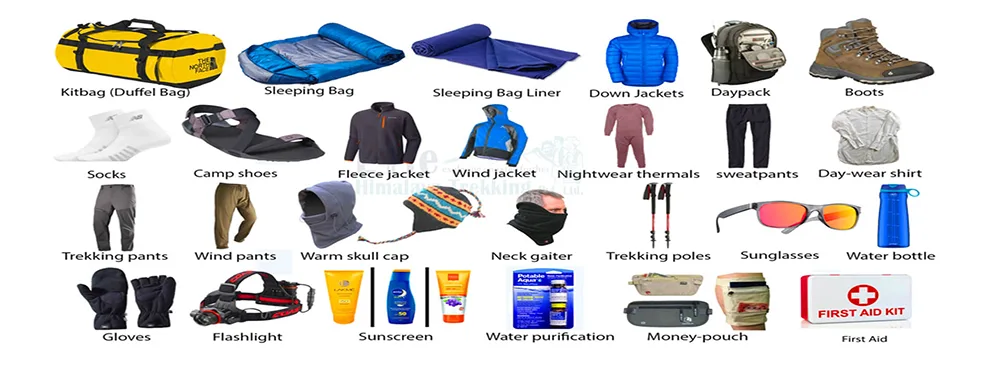
Bring everything necessary: good trekking shoes, warm clothes, rainproof, sun hat, gloves, and a water bottle. Maintain the proper care of feet by putting on well-fitting socks and dealing with blisters at their onset.
Show respect to nature and local culture. Greet people with Namaste, do not litter and listen to your guide. Guides are aware of the routes to follow, weather, and safety requirements of the Annapurna Base Camp Trek Heli Return.
Above all, be positive. Trekking may be strenuous, yet the mountain scenery and goal accomplishment are worth the process.
The Annapurna Base Camp Trek Heli Return is a trekking journey to the Annapurna Base Camp and then a helicopter flight back rather than trekking down.
The base camp of Annapurna is 4,130m (13,550ft).
Annapurna Base Camp Trek is moderate and good enough to fit beginners.
The journey takes about 9 to 11 days altogether.
Past trekking experience is not necessary, although it may be of help.
Trekker requires the TIMS card and the ACAP permit.
The climb is indeed over 3,000m (9,843ft) and thus altitude consideration is critical.
Autumn and spring have the most favourable weather and mountain scenery.
The lodges (teahouses) offer simple and comfortable rooms.
The tea houses offer small and plain Nepali and international cuisines.
One will need travel insurance that covers trekking up to 4,130m (13,550ft) with helicopter evacuation.
The helicopter ride to Pokhara will last 20-25 minutes.
Trekkers walk 5 to 7 hours daily.
Yes, the boiled or filtered water can be found in teahouses.
Guide hiring is strongly advised due to guide and navigation safety.
Yes, beginners who are in good shape can accomplish the trek.
In most villages, mobile signal is available, but it becomes poor at high altitudes.
Most lodges have hot showers at a fee.
One will need warm layers, trekking boots, rain gear, sun protection and personal necessities.
Trekkers should have to wait or walk down before the conditions improve.
Yes, Annapurna Base Camp Trek Heli Return is not dangerous when it is completed with good acclimatisation and with a professional guide.
The trek typically begins at Nayapul or Jhinu Danda in the environs of Pokhara.
Annapurna Base Camp 4,130m (13,550ft) is the highest point.
The temperature in 4,130m (13,550ft) may reach freezing levels, particularly during the night.
The helicopter’s return depends on the weather conditions.
It does not have a rigid age requirement, only that one is physically fit.
Yes, the majority of teahouses have charging points at an additional charge.
Yes, vegetarian food selections are very common in the course of the Annapurna Base Camp Trek.
No one should boil, filter or purify water and then drink.
Sure, you need cash since there are no ATMs on the trail.
There are some simple health posts in some of the villages, and some big-time facilities are in Pokhara.
The distance of the daily trekking is not fixed, but it is normally between 8 and 12 km.
During colder months, snow is frequent in the Machhapuchhre Base Camp at 3,700m (12,139ft) and Annapurna Base Camp at 4,130m (13,550ft).
Yes, it is the custom and is welcome on the completion of the trek.
Most lodges serve tea, coffee and hot lemon drinks.
Teahouses also have basic Western-style or squat toilets.
A number of the villages have Wi-Fi that might be slow and unreliable.
Yes, there is always time, fitness, and preferences to make adjustments to the itineraries.
The greatest benefit is that it will save time and not take several days to trek.
One does not need any special training; however, walking and some basic fitness preparations are beneficial.
The trek comprises stone steps, forest trails, and hanging bridges as well as mountain valleys.
Yes, the walking sticks assist in balance and lessen pressure on the knees.
Yes, in Kathmandu or Pokhara, one could rent trekking gear.
Yes, high altitude trekking and helicopter evacuation insurance are a necessity.
There are itineraries with acclimatisation, or rest stops, depending on the route.
Monsoon trekking is possible, but the trails are slippery, and the view is less impressive.
Report to your guide at once and come down in the event of the signs of altitude sickness.

top rated - Based on 200 TripAdvisor & 93 Google Reviews
We plan custom and flexible holiday trips according to your holiday duration, extra wishes, and demands.
Plan your Trips
Chat with our Travel Designer Shiba
Need assistance? Our expert agent is here to help! Please fill out the form below to initiate a chat and get your queries resolved quickly.