

 English
 Dutch
Dutch Japanese
 Hindi
Hindi Italian
 Spanish
 French
 German
 Chinese
 Korean
 Arabic
 Hebrew
 Russian
 Portuguese
 Danish
 Czech
Czech Polish
 Swedish




Plan Your Next
Journey to the Himalayas!
We plan custom and flexible holiday trips according to your holiday duration, extra wishes, and demands.
Plan your Trips


Max. Altitude
1730m
Best Season
Oct-Dec & Mar-May
Activity
Trekking
Start / End Point
Kathmandu/KathmanduThe Royal Trek is an 8-day mountain trek in the Annapurna foothills of Nepal, a blend of gentle mountain trekking with cultural exploration. This is an ideal trek for people who have limited time to spend on a Himalayan adventure and still seek adventure. It is a trail along the shrubs to the North of Pokhara, and passes through the rhododendron forests, rice fields, and traditional Gurung villages.
During a clear day, you can have a panoramic view of high peaks such as Annapurna, Dhaulagiri, and Manaslu. The route is called the Royal Trek because Prince Charles and his entourage first hiked this path in the 1980s, adding a bit of royal history to the journey. Wild orchids dot the trail in spring, and native birds are abundant along the way.
Starting with a stay in Kathmandu, you will visit historic temples and get a trek briefing. Then you travel by road on the Prithvi Highway to Pokhara, Nepal’s lakeside city, catching sweeping views of mountains and valleys along the way. The trekking portion begins at Bijayapur Khola, where you walk uphill through green farm terraces to reach Kalikasthan (1,370m).
Each day the trail gains and loses only a modest amount of elevation, so you never climb above 1,730 meters (at Syaglung) on this trek. The Gurung people live in the villages through which you travel, and they are friendly and have their colorful traditions. The climb culminates in the peaceful Begnas Lake, where the boat ride on the still waters is a calming end.
In this Royal trek itinerary, simple local lodges and homestays, sometimes with tents, are operated by local villagers, where you stay. At every meal, you may sample traditional Nepali dal bhat (rice and lentils) or other local dishes. Life Himalaya Trekking has very helpful guides and porters who take care of logistics and carry your equipment, and tell you about the local culture.
The relaxed nature of this trail and comfortable lodging make the Royal trek an option even for first-time trekkers or families. The Royal trek brings long-term memories of the beauty of nature that Nepal has to offer and Nepal’s cultural heritage, with starry nights in the mountains and new friends on the way.
Upon your arrival at the Kathmandu airport (Tribhuvan International Airport), our team welcomes you and takes you to your hotel. Once you settle, you can either relax or go sightseeing around the surrounding streets of the Thamel area.
Later in the afternoon, you will meet your guide, who will provide you with an in-depth briefing of the Royal Trek itinerary ahead. You can have a leisurely stroll around the nearby markets or have time to relax at the hotel, provided there is time.
It is a pleasant evening to rest and familiarize oneself with the environment before the journey starts. The overnight will be in a good hotel within Kathmandu.
Maximum Altitude
1,350 m.
Meals
Welcome dinner
Accomodations
HotelYou will spend the full day on a cultural tour of Kathmandu after breakfast. Your guide will show you the key heritage sites like the sacred Hindu temple of Pashupatinath and the ancient Buddhist stupa of Swayambhunath (Monkey Temple). You can also explore the giant Boudhanath stupa and Patan Durbar Square, which are full of history and art.
These are some of the places where you will have an idea about the rich culture of Nepal prior to the trek. You will have a local lunch back in Kathmandu. You will then go back to your hotel in the evening to rest and look forward to the journey ahead. You can also have a last-minute shopping or buy souvenirs. You will spend your overnight in Kathmandu.
Maximum Altitude
1,350 m.Meals
B L DAccomodations
HotelYour journey will begin after having breakfast in Kathmandu on the scenic drive to Pokhara. The trip is along the Prithvi Highway covering a distance of approximately 200 km and requires approximately 6-7 hours.
The road cuts along a picturesque landscape of green hills and villages; when it is clear, you can spot the Annapurna range, Machhapuchare (Fishtail), or Dhaulagiri on the horizon.
You will take lunch along the road at a small restaurant. Later in the afternoon, you will reach Pokhara and get into your hotel on the lakeside.
You can also visit the Bindhyabasini Temple or walk around the Phewa Lake, in your event of time. You will spend your evening having dinner in a restaurant by the lake and sleep well before the trek.
Maximum Altitude
820 m.Meals
B L DAccomodations
HotelToday you will drive about 25 km from Pokhara to Bijayapur Khola (army camp) in about 1 hour. From there, the Royal trek starts. The trail leads gently uphill across green rice terraces and river crossings. After about an hour’s trek, you will start climbing through a pine and bamboo forest.
By early afternoon, you will reach the village of Kalikasthan (1,370m), where you will set up camp or stay in a simple lodge. The surrounding fields offer panoramic views of the Annapurna and Lamjung peaks. You will have your dinner and overnight at the camp or lodge.
Maximum Altitude
1,370 m.Meals
B L DTrek Duration
4-5 hrs + 25km driveAccomodations
LodgeAfter breakfast, the trail climbs steadily out of Kalikasthan along a green mountain ridge. You will pass through several small Gurung hamlets and rhododendron forests. Keep an eye out for mountain vistas: on clear days, you see Annapurna and Lamjung Himal flanking the valley.
Around midday, you will stop for lunch on the trail, then continue the ascent to Syaglung at 1,730 meters. This is the highest point of your trek. From here, you will get a fantastic panoramic view of the Annapurna range at sunset. You will have your dinner and sleep in a lodge or camp at Syaglung.
Maximum Altitude
1,730 m.Meals
B L DTrek Duration
5-6 hrsAccomodations
LodgeThis morning, you will trek through mixed rhododendron and sal forests. The trail descends about 400m into a valley, then climbs up to the ridge at Chisapani Danda, a popular viewpoint. From here, you get a 360° Himalayan panorama including Dhaulagiri, Annapurna, and Manaslu. You will have lunch along the way before the final 600m ascent.
By afternoon, you will arrive at Chisapani (1,550 m), a peaceful Gurung village. Have a hot meal cooked by locals in the village and have an evening off. The sky is clear and the stars are overhead as it gets dark.
Chisapani has a mild topography that can allow one to sleep comfortably without the problem of high altitude. You will stay in a homestay or lodge in Chisapani.
Maximum Altitude
1,550 m.Meals
B L DTrek Duration
4-5 hrsAccomodations
LodgeToday is our longest day of trekking. From Chisapani, you will first descend into the Rupatal valley, passing lush farmland. Around mid-morning, you will begin a steep ascent (about 500 m) to reach Sundare Danda at 1,680 m. This is one of the best viewpoints on the trek, with Himalayan peaks on one side and Begnas Lake far below on the other.
Enjoy a packed lunch here on the ridge. In the afternoon, you will descend to Begnas Lake (830m) and take a short boat ride on the lake. Later, you will drive 1.5 hours back to Pokhara. You will stay overnight at your lakeside hotel in Pokhara.
Maximum Altitude
1,680 m.Meals
B L DTrek Duration
6-7 hrs (trek + boat + drive)Accomodations
HotelToday you will drive back to Kathmandu from Pokhara. The 200 km trip involves an approximate time of 6-7 hours. The highway presents beautiful scenery of terraced fields, small villages, and mountain ridges as you get back to Kathmandu Valley. You will take a lunch break in a town on your way.
In the evening, the last highway ride will take you to Kathmandu. You will stay in your hotel and spend one final night in town.
You can go out to dine at a Nepali restaurant or just relax. Your Royal Trek ends with an overnight stay at your hotel in Kathmandu.
Maximum Altitude
1,350 m.Meals
B LAccomodations
Hotel
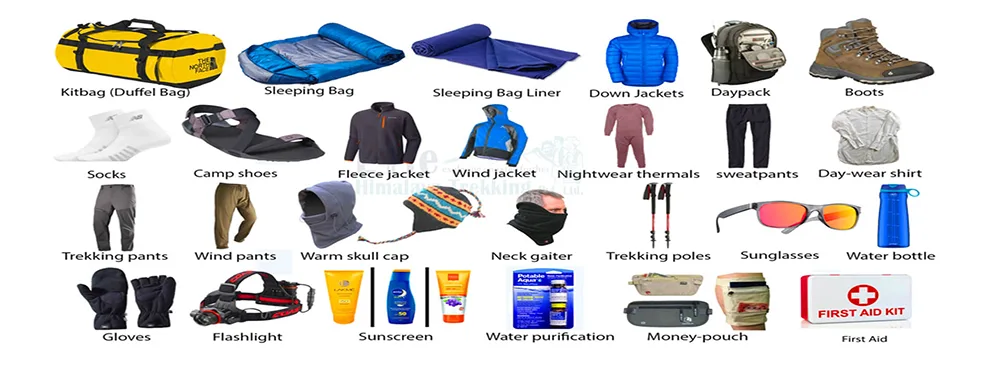
The Royal trek is generally easy to moderate. Most days involve only 4–6 hours of hiking on clear, well-maintained trails. Moderate ascents are very few (up to approximately 500-600 meters in a day), and you often put in or take out a few hundred meters on the whole.
The peak is 1,730m, thus there is no major issue of altitude for most human beings. The Royal trek is suitable for first-time trekkers and families, and older travelers due to the easy profile. This trek can be comfortably enjoyed with simple fitness and exercise.
There are no technical climbing requirements, and just comfortable walking shoes are needed. Porter service will be offered to take your heavy baggage.
Summing up, it can be said that the inclination of the Royal trek is not steep and the road is simple, and thus this is one of the simplest treks in the Annapurna region.
The Annapurna foothills have a temperate climate. Autumn (September-November) and spring (March to May) are the most favorable periods to do the Royal trek.
The weather is calm and clear during these months. During spring, the rhododendrons are in blossom and the days are warm. Autumn is crisp and has colorful harvest fields.
Daytime temperatures in these seasons typically range from 15°C to 25°C (60–75°F), dropping to chilly but not freezing nights. The monsoon season (June–August) brings heavy rain and slippery trails, so we do not recommend trekking at that time.
Winter (December–February) has cold nights (near freezing) and sunny days; if you trek then, be prepared for frost at higher altitudes. Overall, autumn and spring give the best mountain views and most comfortable hiking conditions.
Nepalese mountain meals are hearty and filling. On the Royal trek, you will typically get three meals a day (breakfast, lunch, dinner) – the cost is included in the package.
Breakfast might include eggs, porridge, or local bread, served with tea. Lunch and dinner usually feature dal bhat (lentil soup with rice), curry, vegetables, and sometimes meat.
You will also have options like noodles, pasta, omelets, soups, or fried rice at lodge restaurants. Vegetarian and vegan diets are easily accommodated; just let us know in advance.
Drinking water is boiled or filtered; drink only bottled or treated water. Avoid uncooked vegetables unless they were washed in treated water.
Tea (often masala tea) and hot lemon or ginger tea are served at meals and rest stops. On the trail, you can also buy snacks like biscuits, chocolate, or fruit.
In Kathmandu and Pokhara, you can enjoy Western-style meals as well. In some villages, there may even be fresh local yogurt or butter tea.
Altitude is not a major concern on the Royal trek, since the highest camp is only 1,730 meters. Most travelers experience no altitude symptoms at this elevation.
However, it pays to be aware. On the first day in Kathmandu (1,350m), you should take it easy after your flight. When trekking, drink plenty of water (at least 2–3 liters per day) and eat well.
Go at a steady pace. Mild headaches or sleep disturbances are rare at these heights, but if anyone feels unwell, our guides will monitor them. Since serious altitude sickness usually occurs above 2,500m, the risk here is extremely low.
We recommend familiar measures: don’t rush the ascent, stay hydrated, and use sunscreen. Some people bring a low dose of Diamox (consult a doctor first), but it is generally unnecessary on this trek. In short, enjoy the views – the Royal trek is designed to avoid altitude problems.
You do not need to be an athlete to do the Royal trek, but a little preparation helps. Walk or hike regularly in the weeks before your trip. Try to do a few practice hikes of 2–3 hours while carrying a backpack with about 5–10 kg to simulate trekking conditions.
If you have time, climb a few hills or use the stairs to build endurance. Core and leg exercises (squats, lunges, planks) can also strengthen the muscles you’ll use. Make sure to break in your hiking boots or shoes before the trek. Wear them on walks to prevent blisters.
Pack and carry a daypack of around 10–12 kg to get used to the weight; heavier bags can be carried by our porters (we provide porters in the package). Include layers of clothing (the weather can change quickly at altitude) and rain gear, even if the forecast is fine.
Besides your personal gear, you don’t need any special equipment – we supply tents if camping and pots for meals. Overall, regular walking and moderate exercise will make the Royal trek comfortable. Many travelers with only everyday fitness levels find it very enjoyable.
Most visitors to Nepal get a tourist visa on arrival at Kathmandu’s Tribhuvan International Airport or at land border crossings. Fill out the visa form and pay the fee in USD (approximately US$30 for 15 days, $50 for 30 days, though rates may change). Bring two passport-size photos. Ensure your passport is valid for at least 6 months beyond your entry date.
For trekking, you need special permits. The ACAP permit costs around NPR 3,000 (about USD 25) for foreigners, and TIMS costs around NPR 1,000–2,000 (about USD 8–15) depending on whether you trek in a group or individually.
By presenting your passport and photos, our guide will assist you in acquiring them before the trek (usually in Pokhara or Kathmandu). Carry your permits on the trek because officials might inspect them.
You cannot hike in the Annapurna zone without these permits. The fee on permits may vary; when booking, it is advisable to verify the updated fee.
On the Royal trek, safety is very important. Vaccination should be up to date before traveling. We recommend Hepatitis A and Typhoid vaccinations due to the local food and water.
No malaria prophylaxis is needed for the trekking areas. Carry personal medications for common issues (e.g., diarrhea, pain relievers).
We supply basic first-aid kits, and our guide has extra supplies. Stay hydrated by drinking plenty of boiled or treated water; dehydration and sun exposure can cause problems faster than altitude.
Wear sunscreen (SPF 30+) and sunglasses because UV rays are more intense at elevation. Wear a hat to avoid heatstroke. Watch for slippery stones or muddy paths after rain.
Insects are minimal on this trek’s trail, but a little repellent can keep mosquitoes away around lakes. Emergency medical care is limited on the trail.
If someone falls ill or gets injured, the group will move to the nearest lodging or back down the trail. For serious cases, we can arrange a helicopter evacuation or drive to the nearest hospital.
Therefore, travel insurance that covers emergency rescue is mandatory (see below). At village stays, be polite and cautious with food allergies – tell your guide of any dietary restrictions.
Crime in Nepal’s mountain areas is very rare. The main safety advice is to keep your belongings secure: use money belts or zipped bags.
Do not leave valuables unattended. When it comes to cultural safety, treat people and places with respect. Follow local customs (e.g., remove your shoes in homes, do not touch sacred objects).
Always let your guide know if you feel unwell or uncomfortable. Overall, the Royal Trek is very safe when you follow these basic precautions.
All group transportation is included. Upon arrival, you have a private vehicle or taxi from the airport to your Kathmandu hotel.
On Day 3, we travel the 200 km from Kathmandu to Pokhara by tourist bus or private jeep (6–7 hours). The bus is comfortable and makes brief stops. Alternatively, you can choose a short domestic flight (25-minute Kathmandu–Pokhara), but the standard plan is by road.
In Pokhara, after the trek begins, we use private jeeps/minibuses. On Day 4, we drive about 25 km (1 hour) from Pokhara to Bijayapur Khola (trailhead).
On Day 7 after the trek, a short boat ride on Begnas Lake is followed by a 40 km drive (1–2 hours) back to Pokhara. Finally, on Day 8, we return to Kathmandu by road (another 6–7 hours).
All roads are paved or gravel. The vehicles are durable and in good condition. Our travel may take some time depending on the traffic or roads, and that is why we are flexible. On the whole, you ride on cozy buses and jeeps and look through the window to the Nepali landscape.
Travel insurance is required for this trek. It must cover emergency medical treatment and helicopter rescue. Although the trek is easy, accidents or illness can happen (for example, sprains, allergies, or severe altitude reaction in rare cases). A helicopter evacuation from the mountains can cost several thousand USD.
Your insurance should explicitly include rescue and medical evacuation by air, plus trip interruption or cancellation. It’s a good idea to keep a copy of your policy with your passport.
We also recommend Insurance covering personal belongings and equipment in the case of loss or delay. Emergency requirements or evacuation can be insured in the event of natural disasters (e.g., earthquake), which are unlikely to happen.
You must get your travel insurance before starting the trip. Check the coverage limits carefully; a standard travel policy may need an add-on for trekking above 1000m.
Carry emergency contact numbers for the insurer. With proper insurance, you can relax and enjoy the Royal trek knowing help is arranged if needed.
There are several ways to customize this journey. One popular extension is to continue trekking after Begnas Lake up to Sarangkot (1,591m) for sunrise views, which adds one day.
Another option is to combine the Royal trek with the Poon Hill trek – you could start or end with a few days doing Poon Hill (Ghorepani, 4,132m viewpoint).
You can also modify the order: some groups start in Pokhara and finish there (like our itinerary), or reverse it and end in Pokhara.
If short on time, a 6-day Royal trek (skipping a rest day in Kathmandu or doing a fast drive) is possible, though less relaxing. For longer adventures, you could add the Annapurna Base Camp trek (2 weeks total) or Lantang region treks later.
Beyond trekking, many travelers extend their Nepal stay with a few days in Chitwan National Park for wildlife safaris, or a cultural tour in Bhaktapur/Patan. Flights home from Kathmandu or from Pokhara (after an internal flight) can be arranged.
Keep in mind that any new trek route outside Annapurna will require different permits (e.g., Mustang or Langtang areas). Ask us for details if you want to tailor your trip further!
Apart from the tour cost, budget for personal items. Small expenses on the trek include drinks and snacks: bottled water is about $1–2 USD per liter, juice or soda is around $1, and a local beer $3–5.
Electricity for charging devices at lodges is often $1–2 per charge. Hot showers (when available) typically cost $1. Laundry service in larger lodges is $1–3.
Tips for the guide and porter are customary (optional but appreciated). A common guideline is about 10% of the trekking cost in total, split among staff (for example, $5–$7 per day for the guide and $3–$5 per day for a porter). You can also tip hotel and restaurant staff a few rupees if they provide excellent service.
Meals included in our plan cover basic food; any extras (alcoholic drinks, café coffee, bottled items) are your own expense. Shopping in Kathmandu or Pokhara (souvenirs, gear, SIM card) will require cash. There is an ATM in Kathmandu and Pokhara, but none on the trail. Keep small Nepali rupee bills handy (100s, 500s).
Finally, if you choose optional activities (like a flight or additional tours), those costs are extra. Our quotes are generally all-inclusive except for personal items and optional tips or extensions.
Nepali is the official language of Nepal. However, English is widely spoken in Kathmandu, Pokhara, and by guides on the trek. You will meet villagers who speak Nepali and their local dialect (Gurung) in the mountain communities. Don’t worry if you don’t know the language – your guide will help translate and arrange anything needed.
Many Nepalis understand basic English phrases related to tourism. Hindi is also understood by some, especially in shops or among older generations (due to Bollywood films). Still, learning a few Nepali phrases is useful and appreciated. Simple greetings like “Namaste” (hello and goodbye) and “Dhanyabad” (thank you) go a long way with locals.
Body language and smiles work universally – Nepali people are generally very friendly and patient. If you have a mobile phone, it will work for calls and texts on most of the trek (see next section). Important contact numbers (your travel organizer, hotel, and emergency) should be programmed into your phone.
However, Kathmandu and Pokhara are the main communication hubs; in the villages, service can be spotty. Print copies of important info (e.g., hotel addresses) in case you lose reception.
Both Kathmandu and Pokhara have excellent mobile coverage and internet. Major Nepali providers (Ncell, Nepal Telecom) offer 3G/4G networks throughout the cities.
On the trek, coverage varies: in larger villages like Kalikasthan, Syaglung, and Chisapani, you can usually get a signal. However, there will be stretches with no reception, especially in forested valleys.
If you have an unlocked phone, consider buying a Nepali SIM card in Kathmandu or Pokhara (you need your passport). Data plans are cheap (for example, 1–2 GB for a few dollars) and allow you to use maps or contact family.
Many lodges and restaurants in Kathmandu/Pokhara and some trail villages offer Wi-Fi (often free but sometimes slow or requiring a small charge).
Do not rely on the internet on the trek – it’s a luxury, not guaranteed. Electricity is available in Kathmandu, Pokhara, and the main villages.
Most hotels and lodges have 220V outlets (two-prong, Indian style) where you can charge phones and cameras. Power outages do happen, especially in remote areas – lodges often have solar lights at night.
Bring a USB power bank in case you need extra charging. Charging an extra device may cost around $1 per charge at small lodges. If you have lots of electronics, consider a multi-port USB charger and always charge devices when you have power in the evening.
When you are on the Royal Trek, you will observe some basic rules to be considered in the local culture and nature. You are not supposed to litter and carry all your garbage, wrappers, and bottles back to the city. You will take off your shoes and hat before entering temples or houses, and you will not climb on stupas or sacred walls.
Always shake hands with people in a nice manner and do not ever point your feet towards anything or anyone who is of a religious background. You must not take photographs without permission, and you are supposed to respect the wishes of women and monks.
Minimize noise around villages, avoid getting drunk or behaving loudly if you choose to drink, and walk in single file along narrow paths.
Keep by your guide and never walk alone, and you should not carry illegal items. By following these simple “don’ts,” you will respect local customs and ensure a smooth, safe trek on the Royal route.
If you have extra time, there are many ways to extend your Nepal adventure. In Pokhara, adventurous travelers often try paragliding, zip-lining, or short scenic flights over the Annapurna range. For more trekking, some guests add a few days on to reach Sarangkot for sunrise or to explore Poon Hill (a 3–4 day trek to 3,210m).
You could also combine this journey with a trip to Chitwan National Park (2–3 days) for jungle safaris, or to Lumbini (1–2 days) to see the Buddha’s birthplace. Cultural extensions include guided tours of the Kathmandu Valley’s UNESCO sites (Bhaktapur, Patan) or a yoga/meditation retreat in Pokhara.
If you dream of the higher Himalayas, you could use Pokhara as a base for longer treks like Annapurna Base Camp (another 8–10 days) or Mustang (requires a special permit).
Our company can arrange any of these add-ons; just let us know what interests you when booking. Note that new permits may be needed for routes outside the Annapurna Conservation Area, so inform us in advance.
Photography on the Royal trek is mostly unrestricted. You may take pictures of the beautiful scenery and daily living. Nevertheless, you should never take photos without permission, particularly in houses or temples.
Flash should never be used in monasteries or shrines, and this can be so distracting. Certain sacred places (e.g., Pashupatinath temple) do not allow taking photos of rituals or even within some of their areas.
Drones are heavily regulated in Nepal. Legally, you must obtain a drone permit from Nepal’s Civil Aviation Authority before flying. We strongly advise against bringing a drone unless you have the permit (the process can take weeks and requires paperwork).
Flying a drone without permission can lead to heavy fines or confiscation. If you do fly a drone (with a permit), follow these rules: do not fly above 400 feet (120m), stay away from airports (Kathmandu and Pokhara are no-fly zones below 10 km), avoid crowds, and respect people’s privacy.
On the Royal trek, villages are remote, but you should still check with your guide about any local restrictions. In general, enjoying the scenery with a regular camera is easiest and hassle-free.
Nepalese villages celebrate many festivals, and you might catch one during your trek. The biggest is Dashain (Sept/Oct), a 15-day festival of family gatherings and blessings.
During Dashain, you will see villagers in new clothes and possibly goats or buffalo sacrificed at temples. In Tihar (Oct/Nov), homes and paths glow with lamps and rangoli art.
Holi (spring) is the festival of colors, where people play with colored powders and water – it can be a fun, friendly event if trekkers join in. Teej (late summer) is a women’s festival with songs and red dresses.
In the Gurung villages, they have their own festivals like Losar (Tamu Lhosar, Gurung New Year in Nov/Dec) with traditional dance, and Maghe Sankranti (Jan) marked by communal feasts.
If a festival does fall during your trek, villagers may invite you to observe or share a meal. These cultural experiences are memorable, but always remember to be respectful. If uncertain, follow the locals or ask your guide before participating in or photographing a ceremony.
These are the easy tips you can use during the Royal Trek. You are supposed to bring enough money in Nepalese rupees as the ATMs are located in Kathmandu and Pokhara only. Stores and hotels use small bills. In towns and temples, dress decently by covering your shoulders and knees.
Shorts and T-shirts are good on the trail, though a modest outfit is needed in Kathmandu. Bring warm clothes, a waterproof jacket, durable shoes, a sunhat, sunglasses, and sunscreen. You must honor the local cultures, shake hands with Namaste, and not take photographs without permission.
Make sure to drink a lot of water, wear insect repellent close to lakes, and have the basic medicines. Wait patiently for local service and flight delays. Always leave valuables behind, tip well to be well served, and bring a raincoat and a small torch against the evenings.
Royal Trek is an adventure that takes 8 days, starting and ending in Kathmandu. It incorporates a sightseeing day in Kathmandu, a tour of Pokhara by vehicle, and four days of light trekking in Annapurna foothill villages in Nepal, including Kalikasthan, Syaglung, Chisapani, and a peaceful boat ride in Begnas Lake, and returning to Pokhara.
It is a moderate to easy trek that has mild uphills and downhills. The trekking will be 4-6 hours each day over well-marked trails up to an altitude of approximately 1,730 m – ideal for beginners or families.
Clear skies and pleasant temperatures are best in spring (March -May) and autumn (September -November) seasons. The rainy monsoon (June-August) and cold winter nights (December-February) should be avoided.
Carry warm clothes, a rain jacket, hiking shoes, a hat, gloves, sunscreen, sunglasses, and a reusable water bottle. Remember personal medication, toiletries, and a small power bank.
Yes, it is among the best hikes to make your first time, with a family or even seniors. The path is not long, flat, and not too steep.
The trek entails three meals per day, which are usually Nepali foods, such as dal bhat, noodles, soups, or curry. Additional snacks or beverages are sold separately.
You’ll also have breakfast and lunch during city tours or drives as noted. Snacks and extra drinks (sodas, beer) are additional.
Yes. A tourist visa is available to most travelers upon entry to Kathmandu Airport, which costs about 30 dollars for 15 days or 50 dollars for 30 days. Bring a passport photo and USD cash.
It will need an Annapurna Conservation Area Permit (ACAP) and a TIMS card. These will be arranged before the trek by your guide.
Tell your guide right away. Minor issues are addressed with rest and care; some serious issues can be referred to Kathmandu or Pokhara to be treated. Evacuation insurance is necessary.
Yes, Ncell or NTC can be found in most villages, but not everywhere – there are some dead zones, especially in forests and valleys, particularly in forests or valleys. Wi-Fi can be slow or unavailable in remote locations, and some lodges located around towns may have it.
Yes, all lodges (even small ones) have electricity outlets (220V). Sometimes there’s a small fee (around $1). Power cuts can happen in the evening, so we charge devices when electricity is on (usually later evening). Carry a power bank for backup and a universal adapter.
We provide boiled or filtered water at meals. Always drink only from bottles or treated water. Tap water is not safe to drink. You can buy bottled water in Kathmandu/Pokhara; on the trek, carry a refillable bottle to reduce waste.
During the trek season, daytime temperatures range from about 15°C to 25°C (60–75°F). Nights can be cool, especially at higher villages like Syaglung (1,730 m).
Waiting until after the trek is best. Alcohol may dehydrate you and influence energy at elevation.
The Royal trek is mostly in villages with homestay lodging or tented camping run by locals. There are no ‘tourist’ teahouses like on busy treks, but our arrangements include simple local lodges, homestays, or tents with cots.
Tipping is customary but not mandatory. If you enjoyed the service, a tip is greatly appreciated. As a guideline, many travelers give about 5–10% of the trek cost in total.
Bring US dollars cash for your initial needs (visa, big expenses) and exchange some to Nepalese rupees (NPR). ATMs in Kathmandu/Pokhara dispense rupees (Mastercard/Visa works in some ATMs). On the trek, use NPR only. Prices on the trek are quoted in NPR. Credit cards are NOT accepted outside cities, so carry enough cash for drinks, tips, and souvenirs.
This trek is through farmland and forests, so you might spot common Himalayan birds, monkeys in the forests, or herds of mountain goats.
On the Royal trek, you hike about 4 to 6 hours per day, covering 5–10 km. This includes breaks for lunch and rest.
Yes, you must have travel insurance that covers emergency medical evacuation (including helicopter rescue).

top rated - Based on 200 TripAdvisor & 93 Google Reviews
We plan custom and flexible holiday trips according to your holiday duration, extra wishes, and demands.
Plan your Trips
Chat with our Travel Designer Shiba
Need assistance? Our expert agent is here to help! Please fill out the form below to initiate a chat and get your queries resolved quickly.