

 English
 Dutch
 Japanese
 Hindi
 Italian
 Spanish
 French
 German
 Chinese
 Korean
 Arabic
 Hebrew
 Russian
 Portuguese
 Danish
 Czech
 Polish
 Swedish

Plan Your Next
Journey to the Himalayas!
We plan custom and flexible holiday trips according to your holiday duration, extra wishes, and demands.
Plan your Trips
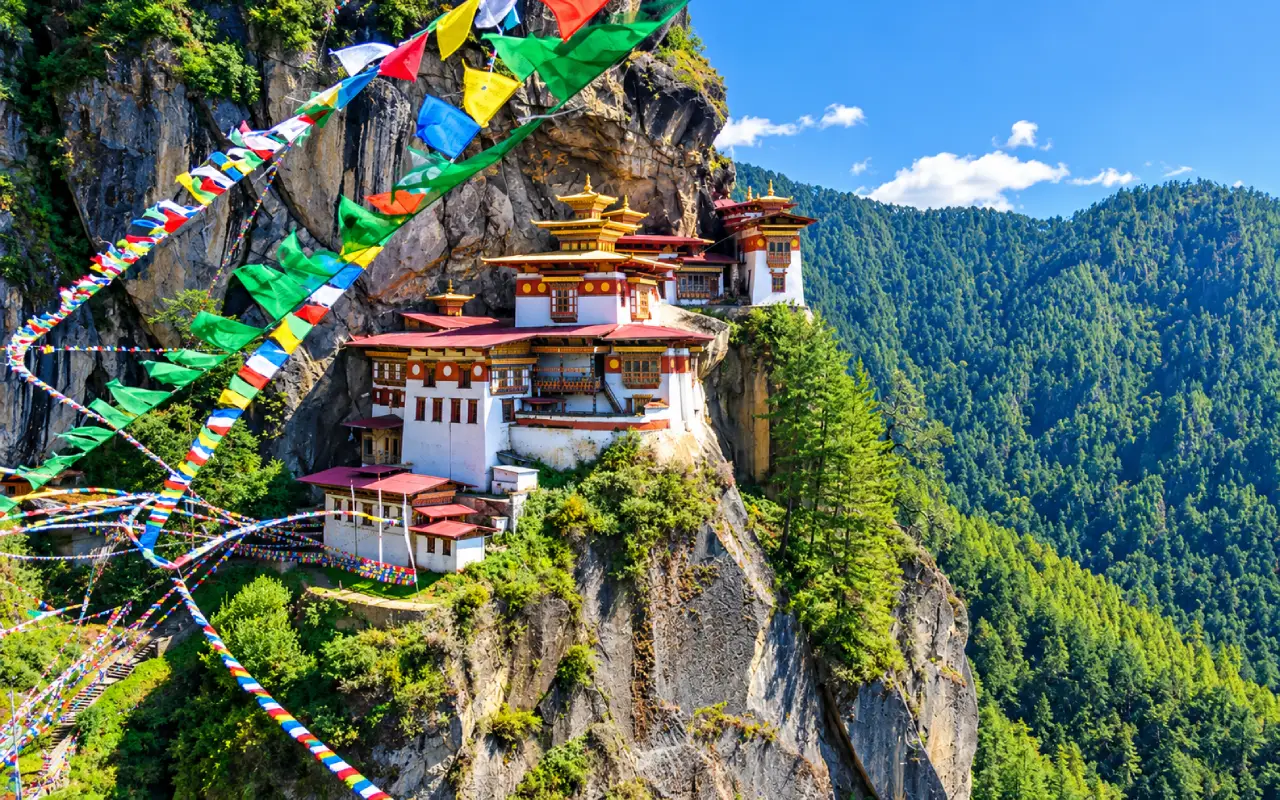
The breathtaking sight of a monastery perched on a steep Himalayan cliff is one of the most memorable experiences Bhutan offers. One of the most iconic landmarks in Bhutan, Tiger’s Nest attracts tourists seeking to soak up its spiritual ambiance, stunning mountain landscapes and cultural heritage. This wonderful monastery is situated in the Paro Valley and offers an uphill hike as well as a lesson in Bhutanese Buddhism.
The trip to the monastery is not just for the first time. By familiarizing yourself with the hiking trail, picking a suitable season, dressing the right way and arranging the transportation, you’ll have a much more enjoyable experience. It is also possible to arrange the trip combined with cultural sightseeing, scenic mountain drives, or other trekking tours in Bhutan.
This complete guide explains everything you need to know before visiting, from the monastery’s history and hiking difficulty to travel costs, practical tips and suggested tour itineraries.
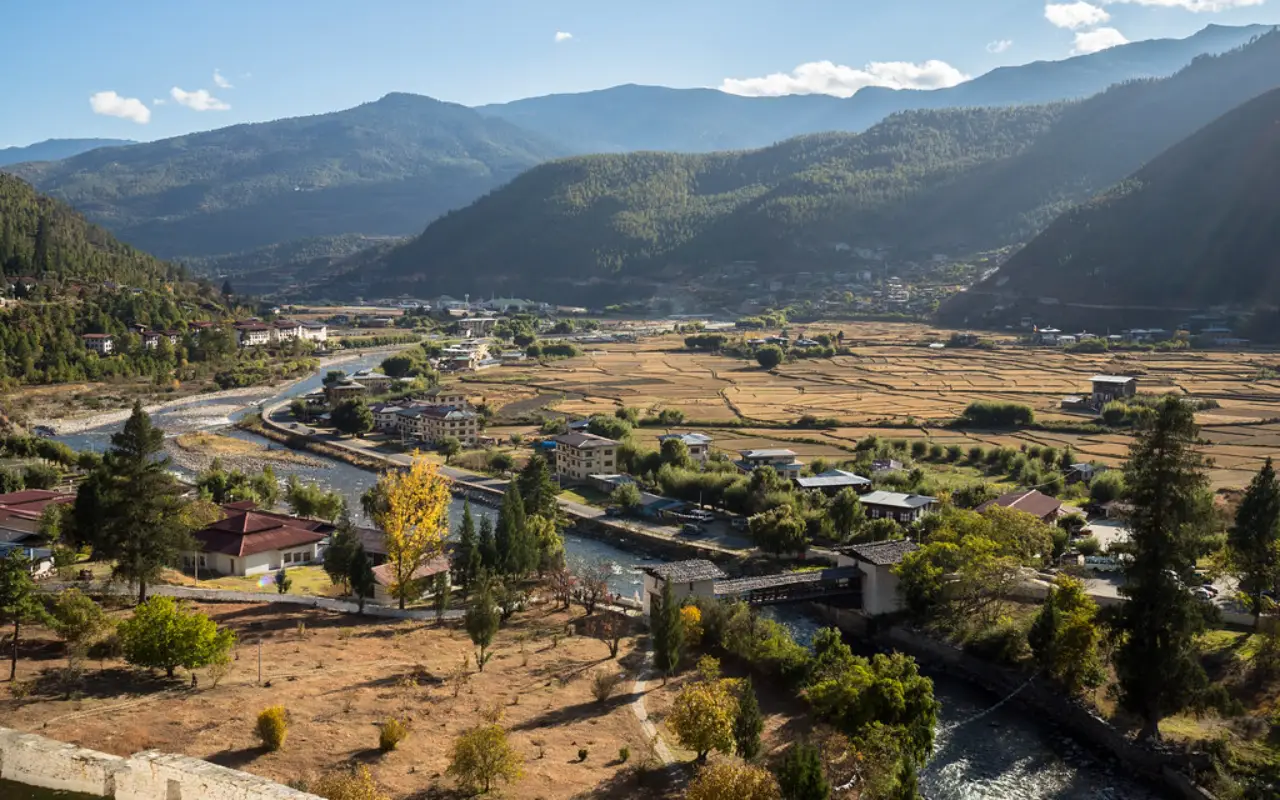
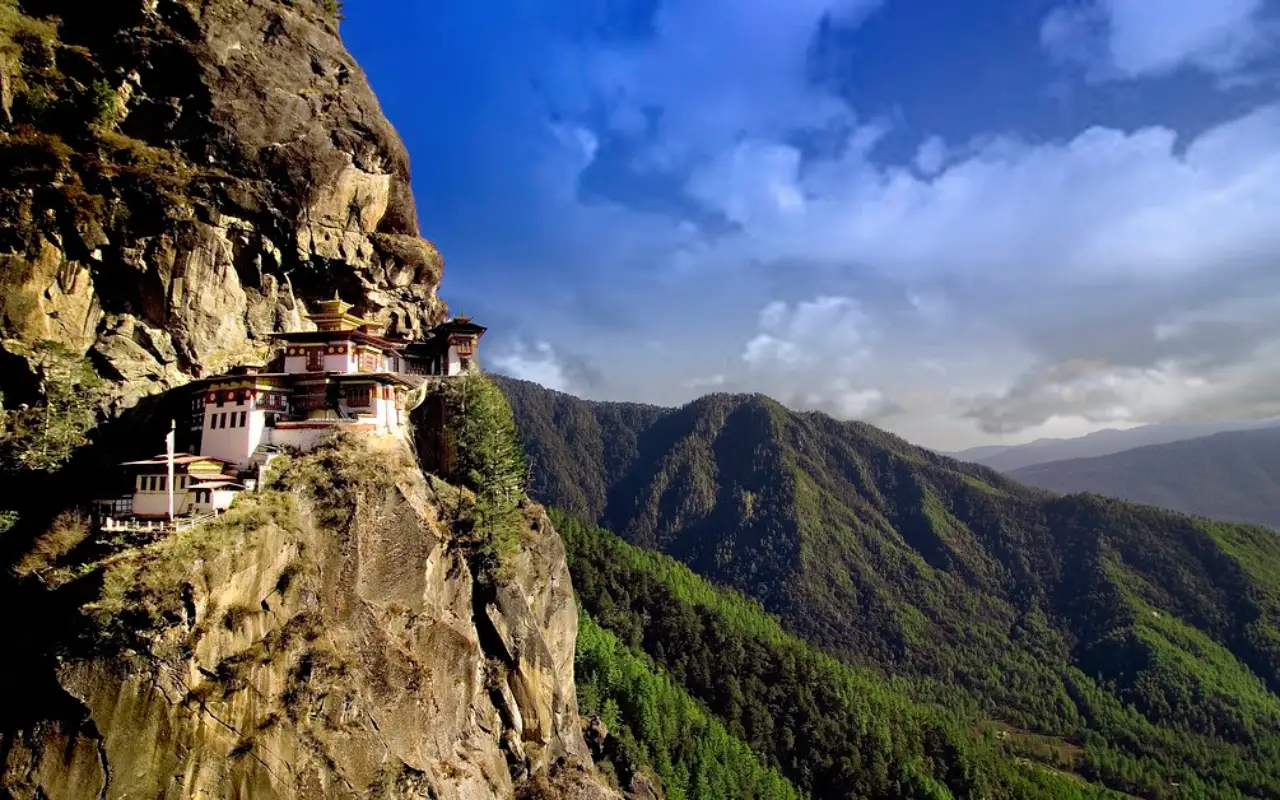
Tiger’s Nest Monastery, officially known as Paro Taktsang is located in the upper Paro Valley in western Bhutan. It is located at about 3,120 m (10,236 ft) above sea level overlooking the valley and surrounded by forested mountains.
The monastery is located on a cliff face and is one of the most famous and scenic landmarks in the Himalayas. The overall setting is remote and peaceful with a contrast of green forests and open fields below.
The trailhead is mostly accessible by road from Paro town. The ride typically takes about 20-30 minutes, depending on the route and traffic. The monastery is then reached on foot from there.
Paro is also a good place to visit other destinations in Bhutan, such as traditional temples, historic forts, viewpoints, etc. Most visitors will arrive by air and land at Paro International Airport, the main international airport of the country.
The story of Tiger’s Nest Bhutan is intertwined with the life of Guru Rinpoche, or Padmasambhava, who is believed to be responsible for the spread of Vajrayana (Tibetan) Buddhism to Bhutan.
The local tradition says that Guru Rinpoche came here in the 8th century on the back of a tigress and meditated in a cave on the cliff’s edge. The sacred site was later a major pilgrimage site for Buddhists.
The monastery complex was established in the seventeenth century under the direction of Gyalse Tenzin Rabgye with 1692 commonly cited as its founding year. It grew up as a major religious hub and continues to be an important pilgrimage site for Buddhist tourists.

The breathtaking sight of a monastery perched on a steep Himalayan cliff is one of the most memorable experiences Bhutan offers. One of the most iconic landmarks in Bhutan, Tiger's…
In 1998, a great fire destroyed many parts of the monastery, but the monastery was subsequently extensively restored to meet its former appearance.
The monastery now comprises temples, shrines, prayer spaces and meditation rooms with narrow pathways and stairways linking them. It is important to keep in mind that this is not just a sightseeing area, but also a religious one. Please behave well during the visit.
This is an interesting place to be on a Bhutan tour because of several attractions.
Its scenic beauty, spiritual experience and physical exertion make it an ideal place for visitors seeking more than just a sightseeing experience.
The main activity of visiting the monastery is the hike to Paro Taktsang. The trail is relatively easily walked by most fairly active people, but does involve some physical preparation and continuous uphill walking.
The trail starts at a parking spot. The trail then rises through pine woods and eventually leads to a glimpse of the monastery across the valley.
| Hiking detail | Information |
| Approximate starting elevation | Around 2,600 m (8,530 ft) |
| Monastery elevation | Approximately 3,120 m (10,236 ft) |
| Approximate round-trip distance | 6–8 km (4–5 miles), depending on the route measured |
| Average walking time | Around 4–6 hours, including breaks |
| Difficulty | Moderate to challenging |
| Trail surface | Forest paths, uneven ground and stone steps |
| Recommended fitness | Reasonable walking fitness and stamina |
This time varies according to the pace, the weather, fitness and length of time spent at the monastery. Some visitors will be done sooner; others will like to go at a slower pace.
This is an easy uphill hike through wooded areas. The road is mostly paved, but it may get quite steep, especially for hikers who aren’t used to the uphill stretch of the walk.
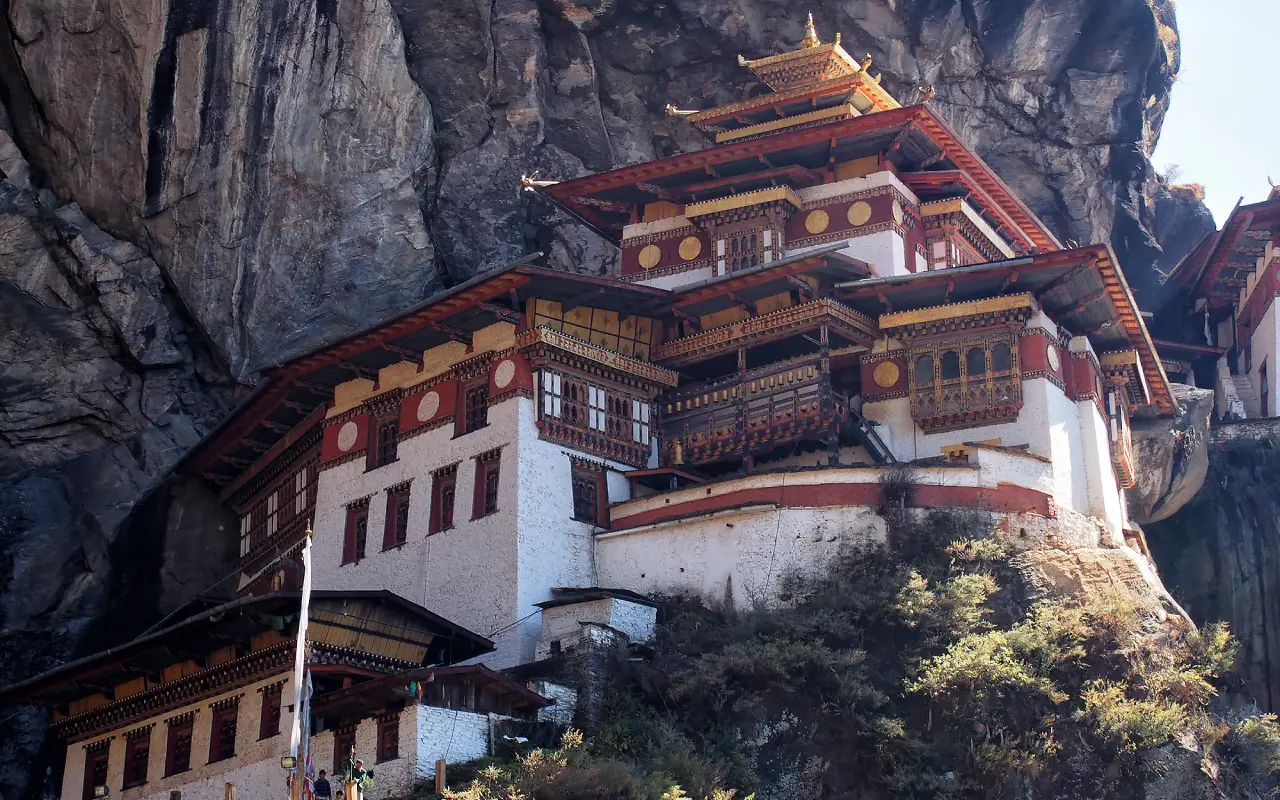
There is a rest stop in the cafeteria in the middle of the way, where you can enjoy refreshments. It’s also a popular place to look over the monastery.
The path then heads towards the monastery viewpoint, before dropping down through steps and over a bridge near a waterfall. There are additional stairs and constricted passageways at the end.
Take your time, drink water frequently and do not rush to keep up with the more rapid hikers. It is more important to arrive at the monastery without a problem than to do so in the shortest possible time.
Yes, many first-time hikers complete the route successfully. But do not view it as a leisurely walk, as it is uphill and has a few stairs.
Before your trip, you can prepare by walking regularly, doing the stairs and practicing on gentle hills. Avoid the hike if you have mobility restrictions or have any concerns about exercising at altitude; seek medical advice before planning a hike.
Ponies may be available for part of the uphill journey, subject to local arrangements and conditions. They do not cover the entire route; it is advisable for visitors to walk the other parts of the route. Animal welfare and trail safety also need to be taken into consideration when riding.
The best time to visit Tiger’s Nest, Bhutan depends on whether you prefer clear mountain views, spring flowers, or quieter travel conditions.
Spring: March to May
One of the most beautiful times of the year for hiking is spring. Forest greening, blooming flowers and pleasant temperature for outdoor activities.
March can still bring cool mornings, while April and May often provide favorable conditions. Weather conditions can impact visibility, however, as it can sometimes be cloudy and rainy.
Autumn: September to November
Autumn is another excellent period for visiting. After the summer monsoon, the weather may be clearer offering fine opportunities for mountain views and photography.
October and November are busy months, so make sure to book in time for your holiday.
Summer: June to August
Summer is the time of the year when temperatures are higher and greenery grows luxuriant. Monsoon rain, however, can cause the trail to get slippery and visibility to diminish.
When travelling during the season, wear waterproof clothing and be flexible.
Winter: December to February
The weather is cold during the morning and evening times of the winter season, but the rest of the day is peaceful and still. The trail can be icy, slippery and snowbound at times.

Bhutan Photography Tour – 10 Days
The breathtaking sight of a monastery perched on a steep Himalayan cliff is one of the most memorable experiences Bhutan offers. One of the most iconic landmarks in Bhutan, Tiger's…
During this time, it is important to wear warm layers and appropriate footwear.
The walk can be quite comfortable if the proper attire is worn and some of the proper supplies are used.
As the monastery is a religious location, shoes must be modest with shoulders and knees covered. Shoes may be required to be removed in designated indoor areas.
Within temple buildings, photography is generally not permitted. Do not take pictures unless you are told to do so by the monastery employees or your guide, even if everyone else in the monastery is taking photos.
One of the key steps of planning a trip to Bhutan is budget planning. The final price will vary based on nationality, dates, level of the accommodation, transportation and selected travel plan.
International visitors must get a Bhutan Visa before arriving and Indian nationals usually need an entry permit. Details are different for nationals of Bangladesh and Maldives, so travellers should check with regard to their nationality.
Under the current published policy, Bhutan’s Sustainable Development Fee (SDF) is US$100 per night for most international adult visitors. Concessions are offered for qualifying children and the fee structure varies for Indian nationals. A one-time visa application fee of US$40 also applies to most international visa applicants.
These fees are in addition to the accommodation, food, travel, guides and other costs associated with the tour. The fees and regulations may vary and must be checked before booking.
| Expense | What to budget for |
| Visa or entry permit | Depends on nationality and applicable rules |
| Sustainable Development Fee | Depends on nationality, age and eligible concessions |
| Accommodation | Varies by hotel category and location |
| Meals | Depends on dining preferences and package inclusions |
| Transportation | Depends on private or shared arrangements |
| Guide services | Depends on the itinerary and service agreement |
| Monastery entry | Confirm the current entry fee and whether it is included in your package. |
| Personal expenses | Snacks, souvenirs, drinks and other purchases |
Check with your tour operator to determine what is included in the tour and what is not. This will help you to accurately compare offers and avoid any hidden costs.
The most convenient approach is to travel to Paro and arrange ground transportation to the trailhead.
By Air
The Paro International Airport serves selected regional flights to and from the airport. Availability depends on the airline’s schedule and the season of the year and one should double-check availability before booking the flight.

Short Bhutan Tour from Kathmandu – 4 days
The breathtaking sight of a monastery perched on a steep Himalayan cliff is one of the most memorable experiences Bhutan offers. One of the most iconic landmarks in Bhutan, Tiger's…
Depending on the availability of services, some visitors access it through regional hubs like Kathmandu.
By Road
For those already in Bhutan, Paro offers access by road from some of the other key destinations such as Thimphu. Enjoy valleys, forests, villages and traditional buildings along the way.
The most convenient thing to do is to book a driver at your hotel or tour operator for most visitors. It’s also flexible in bringing you back from the hike.
There are several attractions around Paro that can be visited while visiting the monastery.
Rinpung Dzong: A historic fortress-monastery known for its traditional architecture and cultural importance.
National Museum of Bhutan: A useful stop for learning about Bhutanese art, history, traditions and natural heritage.
Kyichu Lhakhang: One of Bhutan’s important ancient temples, associated with the country’s early Buddhist history.
Paro town: A pleasant place to explore local shops, traditional buildings, cafés and Bhutanese handicrafts.
Drukgyel Dzong: A historic fortress site with views toward the surrounding mountains on clear days.
Give these attractions sufficient time to be enjoyed rather than attempting to see them all in one day, as with the hike. The visit to the monastery may take up the bulk of the day, especially if you are taking the time to visit the temples and walk slowly.
If you love the monastery walk, you can take on other hiking trails if you have more time to spend in the area. There are various walks in Bhutan, from a short day hike with a cultural immersion to a high-altitude walk.
This Druk Path trek is a popular route between Paro and Thimphu and can be hiked in several days. It goes through forests, mountain lakes, ridgelines and pretty campsites.
It is a great choice for those who want a more immersive outdoor experience but not as long as the other Bhutanese adventures. A typical journey is a few days and is best undertaken with proper equipment and local help.
The Jomolhari Trek is a strenuous route in remote valleys, mountain scenery and traditional villages. It offers fantastic views of the Himalayan environment and has a few extra challenges to prepare for altitude, weather and longer walking days.
This hike is suited for the more physically fit and experienced trekkers.
For those who prefer a more relaxed adventure, visiting the Bumthang Cultural Trek is an ideal choice offering a chance to explore the rural landscape, local villages, forests and Bhutanese customs in a more chill and laid-back way.
It offers a mix of walking and cultural exploration and can be appropriate for those who don’t want to go as high as trekking.
Select a hike based on fitness, time and comfort levels with camping and/or basic mountain facilities. Trekking permits, guide arrangements and seasonal conditions should be checked before departure.
The monastery can be integrated into a well-thought-out itinerary, which can also include visits to cultural attractions and natural wonders in Bhutan. The duration of Bhutan tour packages, the kind of accommodation packages, transportation and activities can differ from one tour package to another.
Short Cultural Tour: 4–5 Days
This one is good for people who don’t have a lot of time to spend. This can involve a Paro hike, a visit to the monastery, Rinpung Dzong and sightseeing in Thimphu.
Set aside one day for the hike and make the rest of the days as flexible as possible for travel and culture.
Bhutan Highlights Tour: 6–7 Days
A week-long tour provides the opportunity to travel around at a leisurely pace through Paro, Thimphu and Punakha. Besides the monastery, visitors can explore traditional castles, temples, local markets and beautiful mountain passes.
This option provides an introductory balance of Bhutanese culture, architecture and landscapes.
Bhutan Adventure Tour: 8–10 Days
The monastery hike can be included in a variety of adventure itineraries that include other day walks, nature walks and selected treks. Pilgrims can visit some of the Paro and Thimphu areas or may opt to make a multi-day trek as well.
For those who wish to enjoy more outdoor activities as well as cultural sightseeing, it is a suitable package.
Bhutan Trekking Tour: 10–14 Days or Longer
For longer trips, cultural activities can be interspersed with a trek like the Druk Path or Jomolhari route. Final duration is dependent on the trek, acclimatization required, the type of transport and the number of sightseeing days.
Whether the package includes visa assistance, SDF, accommodation, meals, private transport, guide, trekking equipment and entry to the monastery should be checked when comparing packages. All of this information will have a big impact on the final cost.
This is a suggested outline for a 6-day trip that is practical and gives sufficient time for the main hike.
| Day | Suggested activities |
| Day 1 | Arrive in Paro, transfer to your hotel and enjoy a relaxed afternoon. |
| Day 2 | Visit Rinpung Dzong, explore Paro town and prepare for the hike. |
| Day 3 | Complete the monastery hike and return to Paro for an overnight stay. |
| Day 4 | Travel to Thimphu and explore selected cultural attractions. |
| Day 5 | Visit Punakha, including its famous dzong and surrounding valley, subject to travel time. |
| Day 6 | Return toward Paro for departure, allowing sufficient time for the road journey and flight. |
This is a suggested itinerary and not the only one available. If travelers arrive late or leave early, they might have to book an additional night stay and/or change the sightseeing plans.
Some simple considerations can make things a lot easier and more enjoyable.
It is also important to keep in mind that the monastery is a religious center, so visitors should take care while entering and exiting. Take time to be patient and respectful and give others opportunities to enjoy.
How long does the hike take?
Visitors should expect to spend about 4-6 hours for the round trip with breaks and time spent at the monastery. Individual walking times vary.
Is the hike difficult?
Moderate level of difficulty due to the uphill sections, rough ground and steps. Reasonable fitness and comfortable hiking shoes are recommended.

Jomolhari Trek in Bhutan – 12 Days
The breathtaking sight of a monastery perched on a steep Himalayan cliff is one of the most memorable experiences Bhutan offers. One of the most iconic landmarks in Bhutan, Tiger's…
Can children visit the monastery?
Children are allowed with appropriate adult supervision. Parents need to take into account the child’s endurance, the height of the climb and the need to walk safely on stairs.
Can older travelers complete the hike?
Some of the older travelers complete the ride quite successfully, but it is not a requirement to be a certain age to ride. Fitness and mobility, health and the capacity to complete a long, uphill trek are more important.
Can I visit the monastery without hiking?
There are no access roads to the monastery. Visitors are required to do at least part of the journey and alternative arrangements do not eliminate the necessity to take into account the last walking portions of the journey.
How many days should I spend in Bhutan?
Four or five days can see the highlights around Paro and Thimphu and up to six or seven days, if you plan a cultural tour. The longer the stay, the better for trekking.
Visiting Tiger’s Nest Bhutan is a memorable way to experience the country’s spiritual traditions, dramatic landscapes and distinctive Himalayan culture. The walk is uphill and a bit of a challenge but is well worth it for many first-time visitors for the forest views, cliffside architecture and serene religious atmosphere.
If you wear the proper shoes, maintain a slow pace, behave properly and plan accordingly, you can enjoy the monastery without rushing. Why not make it a multi-day trip to explore the rest of the country or a trip to Paro’s historic sites, Thimphu’s cultural sites, or both?
No matter how long or short your cultural trip is, the more you plan, the more you can benefit from your Bhutanese experience. Choose a route that aligns with your interests and ability to travel, verify current travel guidelines and allow time to take in the country’s scenery and culture at a leisurely pace.


We plan custom and flexible holiday trips according to your holiday duration, extra wishes, and demands.
Plan your Trips
Chat with our Travel Designer Shiba
Need assistance? Our expert agent is here to help! Please fill out the form below to initiate a chat and get your queries resolved quickly.