

 English
 Dutch
Dutch Japanese
 Hindi
Hindi Italian
 Spanish
 French
 German
 Chinese
 Korean
 Arabic
 Hebrew
 Russian
 Portuguese
 Danish
 Czech
Czech Polish
 Swedish
Plan Your Next
Journey to the Himalayas!
We plan custom and flexible holiday trips according to your holiday duration, extra wishes, and demands.
Plan your Trips
The Everest Region is the dream for every trekker. Standing at the foot of the highest mountain in the world itself enhances the image of trekking in Everest. Every year, thousands of trekkers travel to Nepal just to seek an opportunity to trek over the trails of Everest. A solo Everest Base Camp trek is now popular among people who seek freedom, self-discovery, and a closer connection with nature. And Everest gives it all in a single frame.
Also known as the Khumbu Region, it holds a massive diversity of nature and immersion in culture. It makes the region popular among trekkers and travelers. It lies inside the area of Sagarmatha National Park, keeping the spectacular landscapes, glaciers, and traditional villages of the Himalayan people. The breathtaking mountain range offers the iconic view of Mount Everest, along with the following peaks of Ama Dablam and Lhotse. Such features always highlight the Everest trek among trekkers and travel enthusiasts.
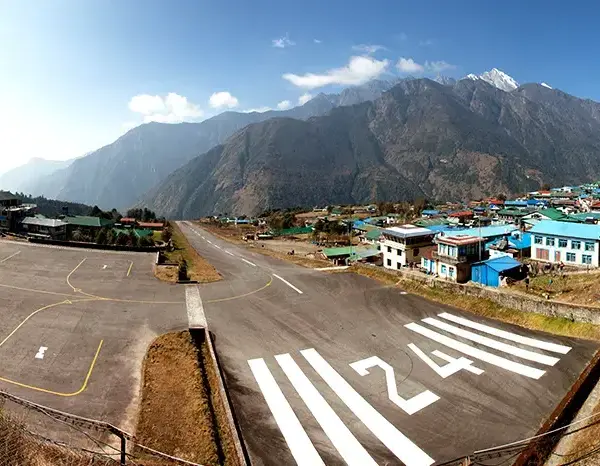
VIP Everest Base Camp Trek for Beginners
The Everest Region is the dream for every trekker. Standing at the foot of the highest mountain in the world itself enhances the image of trekking in Everest. Every year,…
Among travelers, many join group treks while some trekkers prefer to have a solo trek. It is also due to the independent pace of trekkers during their journey. However, trekking alone and in such diverse areas as Everest, where altitude also matters, requires thoughtful preparation. It also requires a clear understanding of the trail, branching routes, safety, logistics, and accommodation management.
In this guide, we are about to provide you with the necessary insights about the Solo Everest Base Camp Trek. The guide will help you to find and consider factors that you need to consider during your journey.

Yes, it is possible. Trekking solo for Everest Base Camp is not as chaotic as what you have to worry about off-the-beaten trekking trails. The routes are clearly marked, locations are well-known, and lodges and teahouses are available enough throughout the trail.
But, a drawback to solo trekking, Nepal’s trekking authorities sometimes change the regulations for getting permission for solo trekking. It is due to the safety and safe navigation for the journey of trekkers themselves. Sometimes it is encouraged to have a guided or group trek, so it is always necessary to check the latest regulations and guidelines before planning your trek in the Everest.
The benefit that most of the trekkers prefer the solo trekking is the freedom. Trekking solo gives you the flexibility of your own schedule and the pace you want. You can have multiple stops of your interest, and can spend time as you will in a specific location. And such freedom and flexibility are what make it an enhancing choice for a solo travelling journey. Most trekkers prefer solo trekking for this reason.
Challenging yourself and completing the Everest Base Camp alone is an achievement in itself. Such a journey in a high-altitude region itself requires strong determination, endurance, and mental resilience, which few people can counter.
Solo trekking often leads to closer and deeper cultural and personal interaction. It is the advantage that comes from freedom and flexibility that you get during your solo journey. You can stop wherever you want and can have vibrant talks with local p[people as well as travelers from all around the world.

The most challenging factor during solo trekking is about the navigation and route planning. The Everest Region is a diverse trekking area with routes branching to several destinations. It is always difficult to plan routes. It also can feel overwhelmed during your journey by getting confused with alternative trails.
Trekking is an adventure activity. It covers the terrains, cliffs, remote areas, and in such factors, sometimes an uncertain injury can happen. And in such cases, it is not that easy to get immediate support or emergency evacuation. It makes it risky.
Altitude sickness is another difficult factor to tackle. And in such a solo trek where you are alone, it is really very risky if, in any unfortunate condition, you suffer from the symptoms or effects. So, altitude sickness stands as a disadvantage for solo trekking in the Everest region.
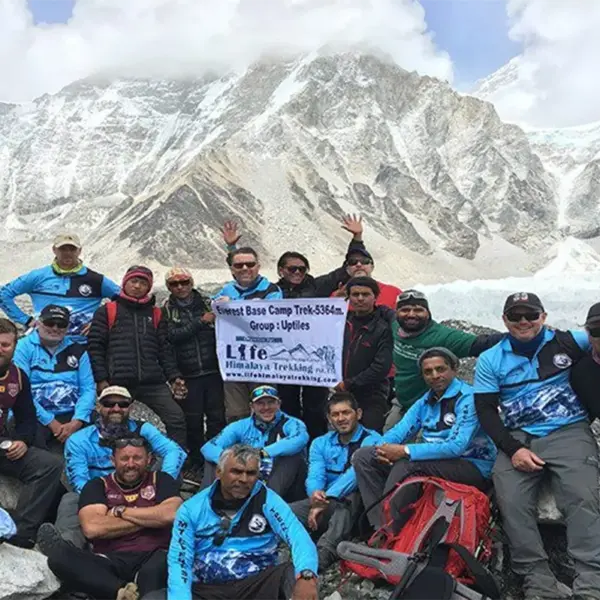
The Everest Region is the dream for every trekker. Standing at the foot of the highest mountain in the world itself enhances the image of trekking in Everest. Every year,…
Among several trekking routes and alternative trails, most solo trekkers prefer to go with the classic route. The route follows,
The season of spring and autumn is considered the best times for the Solo Everest Base Camp Trek. It is considered by most of the trekkers and travelers. Due to its features and beauty, which the region gained during these seasons, it is also a popular choice for enhancing the journey to Everest.
During the time of Spring, landscapes will be blooming. The weather will be stable. The atmosphere gets refreshed with clear visibility due to pre-monsoon rain. The day will be longer, which is an advantage for solo travelling. You will be enjoying a refreshing and scenic trek if you choose spring as the best time.
During the season of Autumn, you will be getting colorful trails. It is due to the falling season of dry leaves. You will be there with the most stable weather and the clearest visibility of the year. The warm hue adds more flavor to the atmosphere, making the journey mesmerizing. So, during the time of Autumn, you will be enjoying a mesmerizing journey as well as picturesque trails.
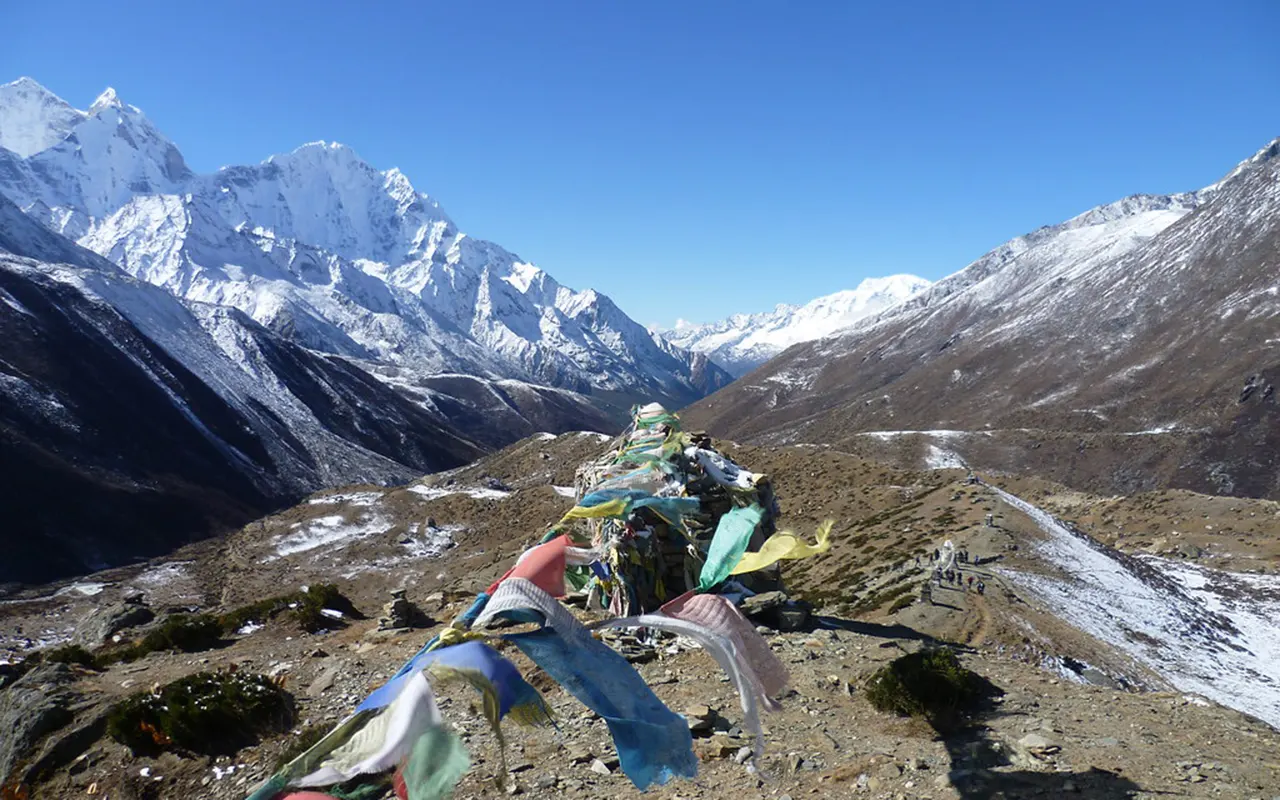
Accommodation in Everest is easier to manage due to the wide range of teahouses and guesthouses available across the trail. Most of them are run by local communities and are very bookable even if you are travelling alone.
In these teahouses, you will get comfortable and basic rooms with some basic facilities. Bathrooms are mostly shared and mostly in high altitudes.
Foods are mostly offered with local dishes such as Dal Bhat Tarkari, Momo, Noodles, eggs, and other local cuisines. You can also get some better facilities in towns like Namche, which include bakeries, cafes, and Wi-Fi access.
Also, recommended to adjust to the basic services as the trails go through the high altitude and remote locations. Most of the teahouses and guesthouses are running there with very limited resources. So, even if you find the price of some goods higher than usual, it is better to adjust and help local people.
The difficulty of the Everest Base Camp Trek is considered to be moderate to complete. It also depends upon your experience; if you are an experienced trekker, then you will encounter moderate difficulty, while beginners can find it difficult to complete. It is also due to steep climbs, Himalayan terrains, and remote locations.
And here, solo trekking is the factor that you need to consider. You will be alone, and you need to manage everything by yourself. It can sometimes feel exhausting. So, the Solo Everest Base Camp Trek can be considered difficult in this case.
The altitude goes from 14000m at Kathmandu to the highest of 5365m at Everest Base Camp. And to cover the trail, you need to have at least 5 to 7 hours of continuous walking during the journey.
Everest Base Camp trek is a proper trekking journey that covers the Himalayan terrains and the altitude gain. It also covers remote locations as well as difficult passes sometimes. So, proper preparation is necessary before you head on your trekking journey in the Everest.
Prepare clothing that is enough for your whole journey. Keep more warm and layered clothes. Other essentials like trekking shoes, sleeping bag, trekking poles, water bottles, sunglasses, and torch are what you think you need during your journey.
Also, it is very necessary to keep your preparation for essentials, as you only need them during your trek. Avoid anything or stuff that you do not need or are not going to use often during your journey. And while in solo travelling, it becomes very necessary to keep your backpack as light as you can to avoid any unnecessary burden during your trek. It can ruin your whole experience.
The Everest Base Camp Trek consists of steep climbs and long walking trails. So, good shape and physical endurance are recommended. You can do some basic physical exercise for 30 days prior to your trekking days. Some breathing exercises are also recommended for better results.

Safety is also an important aspect in trekking, and in solo trekking, it becomes more of a priority as you will be alone in remote areas. Here are some safety tips to follow during your trekking journey,
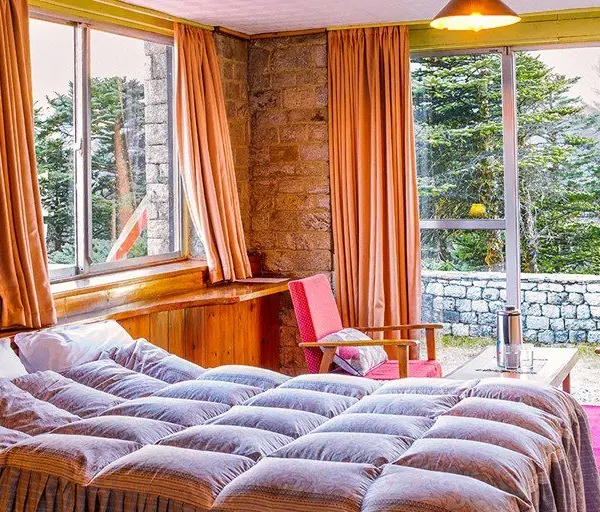
The Everest Region is the dream for every trekker. Standing at the foot of the highest mountain in the world itself enhances the image of trekking in Everest. Every year,…
Everest Base Camp and Trek lie inside Sagarmatha National Park. It is a properly conserved area to protect its natural habitat and culture. So, you need proper permits to do trekking activity in the region. You need to have,
Above are the permits that you need to have during your trek to Everest Base Camp. You need to have these permits with proper legal information about you. You can obtain it from the Tourism Board of Nepal. Also, carry proper legal documents like your ID, passport, and other documents, which you think you need, to avoid any issues, so that you can fully enjoy your journey.
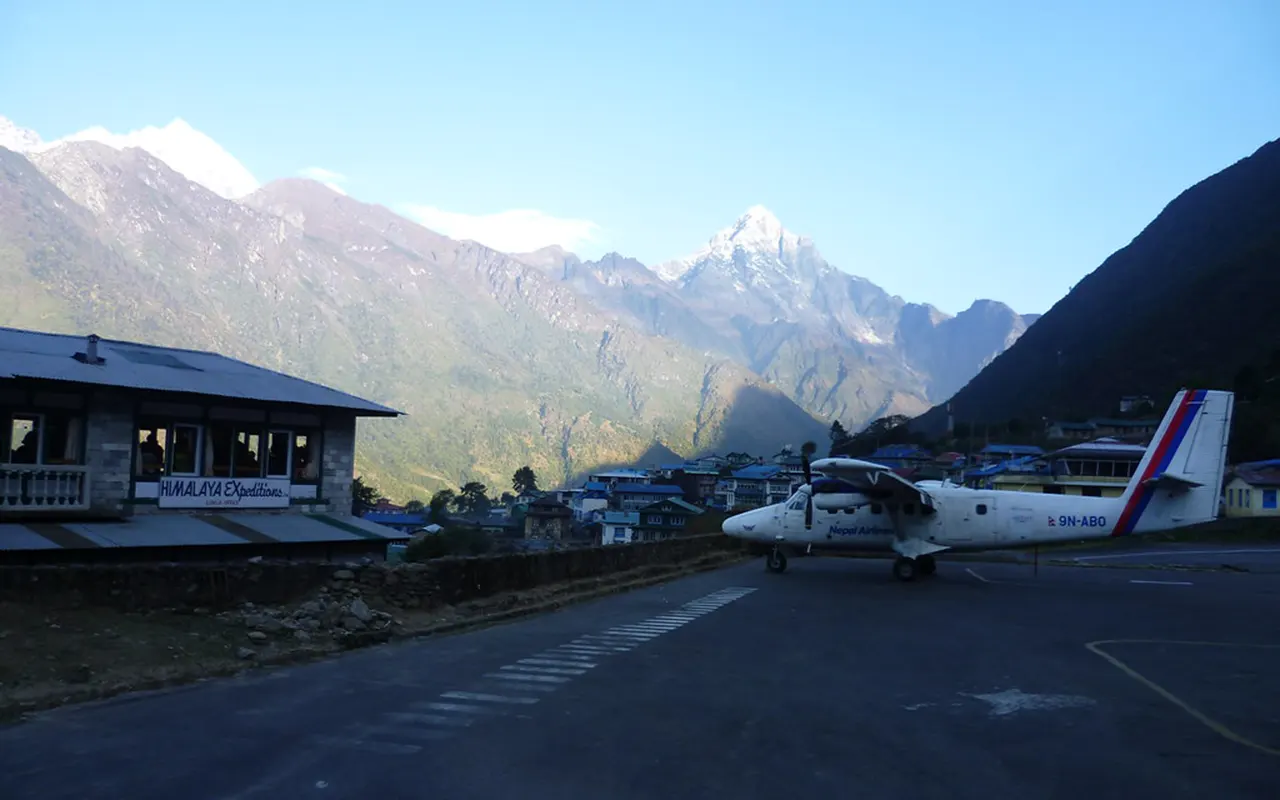
The solo Everest Base Camp Trek is really an amazing adventure to do in the Himalayas. It blends p[physical challenge, natural beauty, cultural immersion, and, most importantly, courage. You will be at the remote locations as well as the unknown Himalayan terrains on your own. It is itself a message to yourself and can lead to better self-discovery.
But solo travelling is not that easy. It needs proper preparation and careful planning. And all these aspects on your own. You need to understand the trails and branching routes properly, and you also need to prepare for altitude and its precautions on your own. That’s why it is a challenge to yourself that you will remember for the rest of your life.
So, travelers who are seeking a challenging journey and an independent exploration time for themselves, the solo Everest Base Camp is nothing but a pure gem. The journey will offer you a once-in-a-lifetime experience and an unforgettable journey.


We plan custom and flexible holiday trips according to your holiday duration, extra wishes, and demands.
Plan your Trips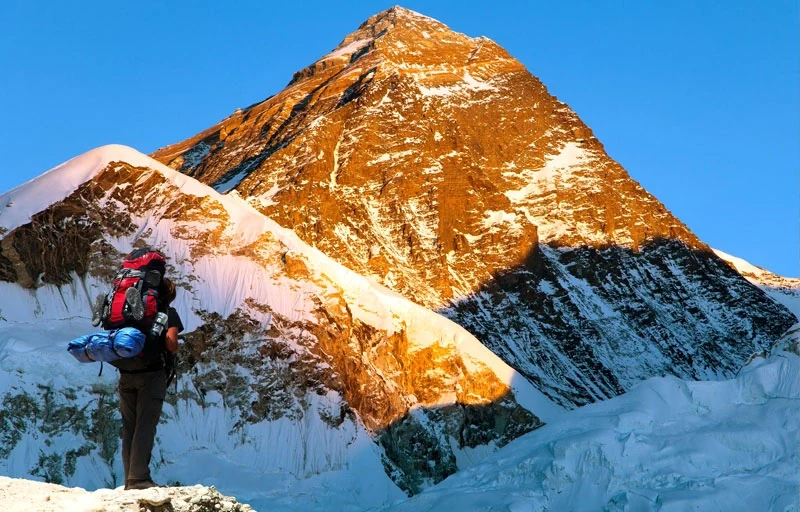
Chat with our Travel Designer Shiba
Need assistance? Our expert agent is here to help! Please fill out the form below to initiate a chat and get your queries resolved quickly.