

 English
 Dutch
Dutch Japanese
 Hindi
Hindi Italian
 Spanish
 French
 German
 Chinese
 Korean
 Arabic
 Hebrew
 Russian
 Portuguese
 Danish
 Czech
Czech Polish
 Swedish
Plan Your Next
Journey to the Himalayas!
We plan custom and flexible holiday trips according to your holiday duration, extra wishes, and demands.
Plan your Trips
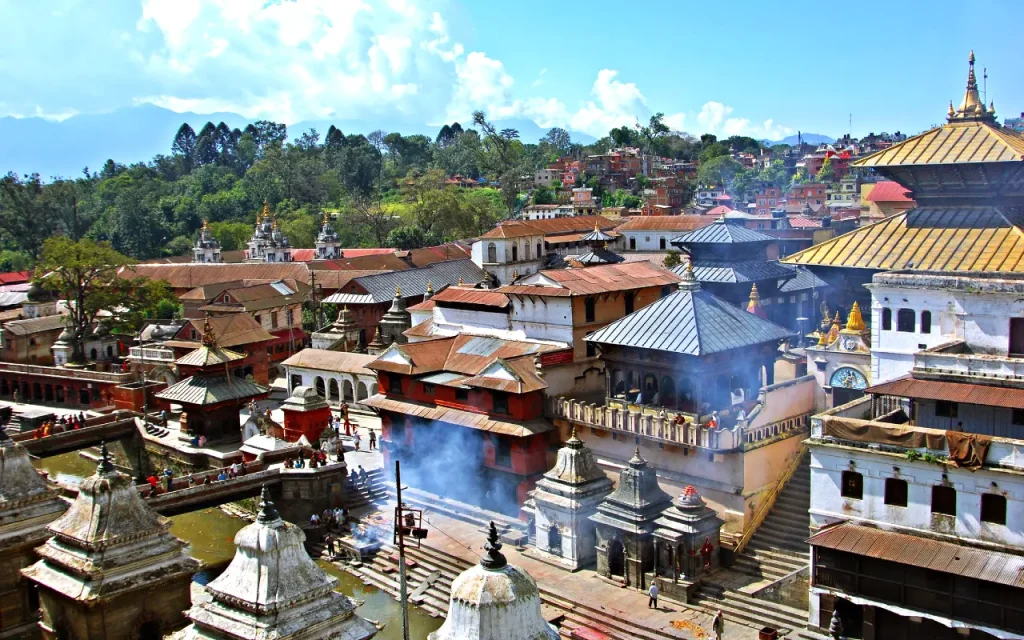
Before the mountains test your legs and lungs, Nepal often tests something deeper—your sense of perspective. For many travelers, that moment begins at Pashupatinath Temple, in Kathmandu, one of Nepal’s most sacred sites and a UNESCO World Heritage Site. Standing on the eastern banks of the Bagmati River, with the early morning mist rising and the rhythmic chants of priests echoing through the air, Pashupatinath Temple feels like the beating heart of Nepal’s spiritual world.
Pashupatinath Temple is dedicated to Lord Shiva in his form as Pashupati, the guardian of all living beings. This ancient temple is more than a place of worship; it’s a powerful blend of history, lived experience, and deep human emotion. It is a living reflection of Nepal’s spiritual soul, where centuries-old traditions continue uninterrupted in the heart of Kathmandu.
What truly sets Pashupatinath apart is its raw authenticity, where life and death exist side by side, with cremation ghats lining the riverbanks and pilgrims seeking moksha (liberation). Unlike many tourist spots, it’s not sanitized—it’s real, sometimes intense, and always enlightening.
For trekkers, this temple often becomes an unexpected starting point. Before climbing toward thin air and distant passes, standing here reminds us of impermanence, humility, and connection, values deeply rooted in both Hindu philosophy and mountain life. Pashupatinath is not just a stop on an itinerary; it is a threshold, marking the transition from ordinary travel into a deeper journey through Nepal.
Introduction to Pashupatinath Temple in Kathmandu
To truly understand Pashupatinath, it helps to begin with the name itself. “Pashupati” is one of the oldest forms of Lord Shiva and translates roughly to the lord or protector of all living beings. The word pashu refers not only to animals, but to all forms of life bound by nature—humans included. In this sense, Pashupati represents Shiva not as a distant god, but as a guardian deeply connected to the natural world.
This connection is especially meaningful in Nepal, where mountains, rivers, forests, and seasons have always shaped daily life. For centuries, people have come to Pashupatinath seeking balance between life and death, strength and surrender, effort and acceptance. The temple does not celebrate power in the loud or dramatic sense. Instead, it reflects endurance, responsibility, and respect for all forms of existence.
For trekkers, this idea often resonates in unexpected ways. High in the Himalayas, you quickly learn that nature is not something to conquer. Weather changes without warning, trials demand patience, and progress depends as much on humility as it does on strength. Pashupati embodies that same philosophy. He is worshipped as a force that protects life, but also reminds us of its limits.
Unlike many religious figures depicted as rulers or judges, Pashupati is often understood as a witness—one who observes the cycle of birth, struggle, death, and renewal without interruption. This perspective helps explain why Pashupatinath Temple is closely associated with both prayer and final rites. The same deity who is asked for protection during life is also present at its end.
Understanding this meaning changes the way the temple is experienced. It becomes less about ritual and more about reflection. Visitors begin to see Pashupatinath not as a single sacred building, but as a symbol of how Nepali culture understands life itself—interconnected, temporary, and deeply rooted in nature.
A History of Pashupatinath Temple: From Ancient Legends to Modern Kathmandu
The story of Pashupatinath does not begin with stone walls or written records. It begins with legends—stories passed down long before Kathmandu became a city of traffic and concrete. One of the most widely told legends speaks of Lord Shiva wandering these forests in the form of a deer, seeking solitude. When the gods tried to bring him back, he disappeared into the earth, later revealing himself as a sacred lingam. This quiet, almost elusive origin reflects the character of the place even today—spiritual, grounded, and deeply tied to nature.
Over the centuries, kings and communities built around this sacred presence. The earliest recorded temple structures date back more than a thousand years, though earthquakes, floods, and time itself have repeatedly reshaped the complex. Rather than erasing its importance, each destruction and rebuilding strengthened the temple’s role in Nepali society. Pashupatinath became not just a place of worship, but a symbol of continuity—something that survives while everything else changes.
Kathmandu grew around it. Empires rose and fell. Trade routes shifted. Yet the daily rituals at Pashupatinath continued. Priests passed responsibilities from one generation to the next, and families returned again and again—for prayer, for blessing, and eventually for farewell. In this way, the temple has never existed apart from the people; it has evolved with them.
The modern era brought new challenges. Earthquakes, including the devastating one in 2015, tested the physical strength of the complex once more. While parts of Kathmandu suffered severe damage, Pashupatinath stood firm, requiring restoration but retaining its core structure. For many locals, this was not seen as a coincidence, but as another reminder of the temple’s resilience.
Today, Pashupatinath exists in two worlds at once. Outside its gates, Kathmandu moves fast—cars, construction, noise, and crowds. Inside, time slows. Rituals follow rhythms older than the city itself. This contrast is part of what makes the temple so powerful. It is not frozen in the past, nor has it been overtaken by the present. It continues, quietly and steadily, much like the mountains that watch over the valley.
For travelers and trekkers alike, this living timeline offers an important lesson. Nepal’s greatest sites are not relics to be observed, but ongoing stories to be stepped into. Pashupatinath is one of those rare places where history is not something you read—it is something you stand within.
Architecture and Sacred Layout of Pashupatinath Temple in Kathmandu
Pashupatinath is not a single temple you visit and leave; it is a vast sacred landscape that unfolds step by step. For first-time visitors, the experience can feel overwhelming—shrines appear in every direction, rituals happen simultaneously, and the flow of people never fully stops. But when approached slowly, the complex begins to reveal a quiet order beneath its movement.
The main temple, with its two-tiered golden roof, sits at the heart of the complex. This is the most sacred space, and access to its inner sanctum is reserved for Hindus only—a rule rooted in long-standing religious tradition rather than exclusion. Non-Hindu visitors are encouraged to observe respectfully from the surrounding platforms, where the full presence of the temple can still be felt without crossing boundaries. Understanding this helps visitors move through the space with awareness rather than frustration.
Surrounding the central shrine are hundreds of smaller temples, lingams, and statues dedicated to different aspects of Hindu belief. These are not arranged randomly. Many follow symbolic directions—toward the river, the forest, or specific cardinal points—reflecting the deep relationship between spirituality and nature. The Bagmati River, flowing alongside the complex, is not merely a backdrop; it is an essential part of the sacred design, linking ritual, purification, and final rites into a single continuum.
Reading Pashupatinath in this way transforms a visit into something more personal. It becomes less about sightseeing and more about awareness—of space, of tradition, and of one’s own place within it. For trekkers accustomed to reading landscapes for weather, terrain, and rhythm, this way of moving through the temple often feels surprisingly familiar.
Sacred Festivals of Pashupatinath: Mahashivaratri, Teej, Holy month of Shrawan
Pashupatinath Temple is not only a place of daily worship but also a powerful spiritual center that comes alive during important Hindu festivals. Among them, Teej, the holy month of Shrawan, and Maha Shivaratri hold special significance, drawing devotees from across Nepal and beyond. These occasions reveal the deep emotional bond between Lord Shiva and his followers and offer visitors a rare chance to witness living Hindu traditions.
Maha Shivaratri: The Night of Lord Shiva
Maha Shivaratri is the most famous and spiritually charged festival associated with Pashupatinath Temple. Celebrated once a year, it marks the great night of Lord Shiva and attracts tens of thousands of devotees, ascetics (sadhus), and pilgrims from Nepal and India.
The temple complex transforms into a sea of devotion—fires burn, chants echo through the night, and sadhus gather in meditation and prayer. Unlike other festivals, Shivaratri continues through the night, symbolizing the triumph of spiritual awakening over ignorance. For visitors, it is a once-in-a-lifetime experience, though crowds are intense and guided visits are strongly recommended.
Figure 2:Maha Shivaratri festival at Pashupatinath Temple
Teej: Devotion, Fasting, and Sisterhood
Teej is one of the most important festivals for Hindu women, celebrated with immense devotion at Pashupatinath Temple. During this time, thousands of women dressed in bright red saris gather to pray for the long life and well-being of their husbands—or, for unmarried women, for a good future partner.
The atmosphere during Teej is unique: devotional songs, fasting rituals, tears of faith, and joyful dances all blend together. Women observe strict fasting, often without food or water, and spend the day worshipping Lord Shiva and Goddess Parvati. For visitors, Teej offers a powerful glimpse into women-led devotion and the emotional strength rooted in Nepali Hindu culture.
Figure 3: Hindus Women Celebrating Teej at Pashupatinath Temple
The Holy Month of Shrawan: Mondays of Lord Shiva
The month of Shrawan (usually July–August) is considered the most sacred time for worshipping Lord Shiva, and Pashupatinath becomes especially vibrant during this period. Every Monday of Shrawan, known as Shrawan Somwar, devotees—many dressed in green—visit the temple to offer water, milk, and bel leaves to Shiva.
For trekkers or travelers visiting Nepal during the monsoon season, witnessing Shrawan rituals provides a meaningful cultural experience even when trekking conditions are limited.
Cremation Rituals Along the Bagmati River at Pashupatinath
Along the banks of the Bagmati River, the atmosphere at Pashupatinath shifts. The sounds soften, movements slow, and conversations become quieter. This is where the cremation ghats are located—stone platforms beside the river where traditional Hindu funeral rites are performed. For many visitors, this is the most confronting part of the temple complex, yet it is also the place where Pashupatinath’s deeper meaning becomes most clear.
In Hindu belief, death is not hidden away. It is understood as a natural transition rather than an ending, and performing last rites beside a sacred river is believed to help the soul move toward moksha, or liberation from the cycle of rebirth. At Pashupatinath, families bring their loved ones here not out of despair alone, but out of faith—trusting the ritual to guide the soul onward.
Figure 4: Cremation ghats along the Bagmati River at Pashupatinath
For those unfamiliar with this tradition, witnessing cremations can feel overwhelming. Smoke rises from the pyres, priests chant softly, and families gather in grief and prayer. Nothing here is staged or symbolic; these are real farewells, happening daily. Because of this, visitors are expected to observe with sensitivity. Photography of cremation rituals is strictly prohibited, and silence is considered a form of respect.
It is important to understand that the cremation ghats are not meant to shock or educate visitors. They exist for the families and the rituals themselves. When approached with awareness, they offer a powerful reminder of life’s fragile balance—something that feels especially meaningful in a country where nature commands both reverence and respect.
“The mountains teach endurance, but the ghats teach humility.”
To stand near the Bagmati River at Pashupatinath is to witness a truth rarely shown in public spaces elsewhere. Life continues, death arrives, and rituals guide the transition between the two. This openness is not meant to unsettle, but to ground—quietly reinforcing the values of acceptance, continuity, and respect that define both the temple and the land around it.
Daily Rituals at Pashupatinath Temple: Morning Puja and Evening Aarti
Most articles about Pashupatinath focus on major festivals like Maha Shivaratri, when the temple fills with devotees, sadhus, and pilgrims from across South Asia. While these moments are powerful, they represent only a small part of the temple’s life. On most days, Pashupatinath moves to a quieter rhythm—one that reveals its true character.
The day begins early. Before sunrise, priests perform the first rituals, washing the sacred lingam and offering flowers, water, and prayers. The air is cool, and the crowd is thin—mostly locals who come not as visitors, but as part of their routine. For them, Pashupatinath is not a destination; it is a constant presence woven into daily life.
As the morning progresses, the complex slowly fills. Elderly devotees circle the shrines, murmuring mantras. Vendors arrange offerings of marigolds and incense. Monkeys move freely across rooftops and courtyards, seemingly aware of which spaces are theirs and which are not. Nothing feels rushed. Even in movement, there is patience.
By afternoon, the energy shifts again. The crowds thin, the sun reflects off stone and water, and the temple settles into a kind of pause. This is when Pashupatinath feels most contemplative. Visitors who remain during these hours often experience the complex very differently—less as a religious site, and more as a living environment shaped by time and repetition.
Figure 5: Evening aarti at Pashupatinath Temple, Kathmandu
Evening brings one of the most visually and spiritually striking moments: the aarti ceremony on the eastern bank of the Bagmati River. As the sun sets, priests wave lamps in synchronized movements, chanting prayers while the river reflects the flickering flames. Devotees gather to witness the ritual, offering flowers and incense. The combination of firelight, river reflections, and the rhythm of prayer creates an atmosphere both serene and powerful—an ideal time for reflection and photography.
These daily rhythms are what sustain Pashupatinath—not the occasional crowds, but the quiet continuity of practice. Much like a long trek, the meaning does not come from dramatic moments alone, but from the steady accumulation of small, intentional steps. To witness Pashupatinath beyond its festivals is to see the temple as it truly is: lived-in, enduring, and deeply human.
The People of Pashupatinath: Sadhus and Pilgrims
One of the most striking sights at Pashupatinath is the presence of sadhus—Hindu holy men who have chosen a life of renunciation. Covered in ash, often dressed minimally, and sometimes meditating for hours in a single posture, they embody a way of life few outsiders can fully comprehend. For many visitors, they are the living symbols of Nepal’s spiritual intensity.
But their presence is often misunderstood. They are not “performers” or tourist attractions, though some may pose for photographs in exchange for donations. Their daily life is rigorous: fasting, meditation, study of scriptures, and wandering between temples or holy sites. As a visitor, it’s important to observe without intruding, ask permission before taking photos, and never touch their belongings.
Figure 6: Sadhus at Pashupatinath Temple
Sadhus come in many forms. Some are wandering ascetics, moving from festival to festival. Others live permanently at Pashupatinath, forming small communities that support one another in practice and survival. Their rituals may appear extreme—body piercing, long fasting, silent meditation—but each has a purpose rooted in devotion, discipline, and detachment from material life.
For trekkers, observing the sadhus can be unexpectedly illuminating. Life on a Himalayan trail demands endurance, patience, and humility—qualities mirrored in the ascetic lifestyle. Just as you must navigate difficult terrain with care, sadhus navigate life with awareness, intentionality, and self-discipline.
Watching them is not only culturally enriching, but it can also inspire reflection on your own journey—both on the trail and beyond.
Sustainable Visits and Environmental Awareness at Pashupatinath
Pashupatinath is not just a spiritual landmark; it is also part of a delicate ecosystem along the Bagmati River. Unfortunately, years of urbanization, tourism, and ritual practices have put pressure on the environment. Plastic waste, discarded offerings, and river pollution are challenges that the temple and local communities have been working to address—but visitors also play a key role.
For trekkers who are environmentally conscious, visiting Pashupatinath provides an opportunity to experience spirituality responsibly. The temple authorities and organizations like the Bagmati Clean-up Mega Campaign have made remarkable progress in recent years, especially after the 2015 earthquake highlighted vulnerabilities in both infrastructure and environmental management.
Solar lighting, better waste disposal, and visitor awareness campaigns are slowly transforming Pashupatinath into a model for sustainable sacred sites.
For trekkers, approaching the temple with this mindset has a deeper resonance. Just as you are careful to leave no trace in the mountains, the same principle applies here. Observing rituals, walking through the ghats, and interacting with sadhus responsibly is part of a holistic experience—one that respects both spiritual and natural heritage.
This section is all about helping trekkers, travelers, and cultural explorers navigate Pashupatinath confidently. It should cover timing, costs, rules, and tips so your readers are fully prepared.
Location: Pashupatinath Temple on Google Maps
Tip: Book your visit with Life Himalaya Trekking.
Hidden Corners Around Pashupatinath Most Visitors Miss
While most visitors focus on the main temple and the Bagmati ghats, the Pashupatinath area is rich with smaller temples, sacred sites, and serene spaces that offer a more immersive experience. Exploring these hidden corners gives trekkers and cultural enthusiasts a deeper connection to Nepal’s spiritual heritage. These places are within walking distance of the main complex.
Figure 7: Guhyeshwari Temple near Pashupatinath Temple
Integrating Pashupatinath into Your Trekking Itinerary
For many travelers, Pashupatinath is not just a standalone visit—it can serve as the cultural starting point for a trekking adventure in Nepal. Whether you are preparing for the Annapurna Circuit, Everest Base Camp, or a less-traveled Himalayan route, including a stop here offers both practical and spiritual benefits. Life Himalaya Trekking includes the Pashupati Temple in its Everest Panorama Luxury Trek.
Everest Panorama Luxury Trek Itinerary
Day 1: Arrival in Kathmandu & Transfer to Hotel
Day 2: Kathmandu Valley Sightseeing & Trek Preparation
Day 3: Helicopter Flight to Lukla & Trek to Phakding
Day 4: Trek from Phakding to Namche Bazaar
Day 5: Acclimatisation Day in Namche Bazaar – Hike to Everest View Hotel
Day 6: Trek from Namche Bazaar to Tengboche & Debuche
Day 7: Trek from Debuche to Dingboche
Day 8: Acclimatisation Day in Dingboche – Hike to Nagarjun Hill
Day 9: Trek from Dingboche to Lobuche
Day 10: Trek to Gorak Shep & Visit Everest Base Camp
Day 11: Kala Patthar Sunrise Hike & Helicopter Flight to Kathmandu
Day 12: Visiting Pashupatinath Temple
Day 13: Departure from Nepal
Why Include Pashupatinath Before or After a Trek?
Closing Reflection: What Pashupatinath Leaves With You
Visiting Pashupatinath Temple is more than a cultural stop—it’s a journey for the senses, mind, and spirit. As you wander along the Bagmati River, observe the morning rituals, or watch the evening aarti flames flicker against the twilight sky, you begin to feel the profound rhythm of life and devotion that pulses through this sacred site. It’s a place where history, spirituality, and human emotion intertwine, leaving a lasting imprint on anyone who walks its ghats.
For trekkers, Pashupatinath serves as both a spiritual and practical prelude to the Himalayan adventures that lie ahead. The quiet reflection, gentle walking along sacred paths, and exposure to Nepali culture help prepare the mind for the challenges of high-altitude trails. Observing the cremation ghats or exploring hidden corners like the 108 Shivalinga, Guhyeshwari Temple, and Deer Park (Mrigasthali) offers insight into traditions and practices that most visitors overlook, making the experience richer and more meaningful.
A professional guide can greatly enhance this journey, offering context, historical knowledge, and practical tips while ensuring respectful conduct around sacred areas. Guides also help combine your visit with other Kathmandu UNESCO World Heritage Sites, such as Boudhanath Stupa, Swayambhunath (Monkey Temple), and Durbar Square, creating a complete cultural day before or after trekking.
Ultimately, Pashupatinath leaves you with more than photographs—it leaves a sense of connection, reflection, and awe. Whether standing by the ghats, meditating near the 108 Shivalinga, or simply watching the sunset over the temple’s golden rooftops, you carry a piece of Nepal’s soul with you. For trekkers and cultural explorers alike, this sacred heart of Kathmandu is not just a destination—it’s an experience that prepares you for the physical heights of the Himalayas and the inner heights of your own journey.
FAQs about Pashupatinath Temple
Ready to Experience the Soul of Nepal?
Pashupatinath Temple is just the beginning. For a deeper, guided cultural and trekking journey, book a local expert from Life Himalaya Trekking — they’ll walk you through hidden heritage corners, explain rituals, and help you combine your visit with top UNESCO sites and Himalayan treks.
👉 Book Your Guide Now: Life Himalaya Trekking


We plan custom and flexible holiday trips according to your holiday duration, extra wishes, and demands.
Plan your Trips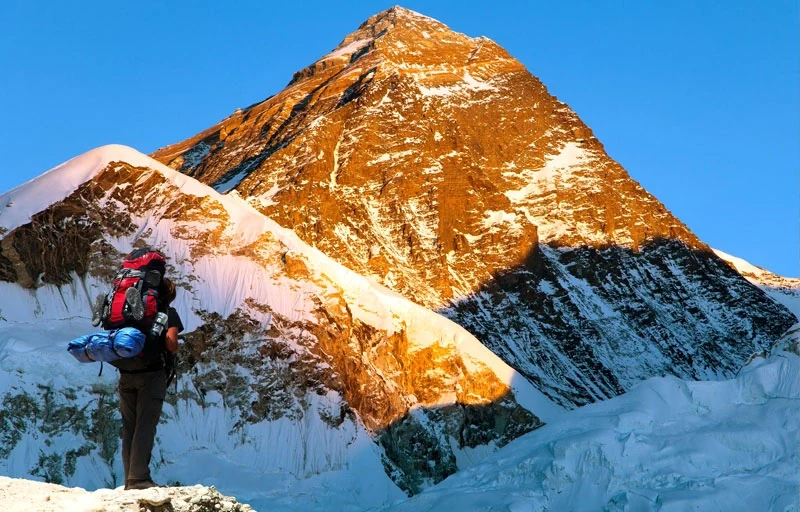
Chat with our Travel Designer Shiba
Need assistance? Our expert agent is here to help! Please fill out the form below to initiate a chat and get your queries resolved quickly.