

 English
 Dutch
Dutch Japanese
 Hindi
Hindi Italian
 Spanish
 French
 German
 Chinese
 Korean
 Arabic
 Hebrew
 Russian
 Portuguese
 Danish
 Czech
Czech Polish
 Swedish
Plan Your Next
Journey to the Himalayas!
We plan custom and flexible holiday trips according to your holiday duration, extra wishes, and demands.
Plan your Trips
Everest Base Camp Trek Cost is among the first things that tourists research before making a choice to undertake this renowned Himalayan expedition. The cost of going to the Everest Base Camp (5,364 m / 17,598 ft) is a dream of many individuals, and knowing the real expenses bv will enable travelers to plan their adventure without fear. The overall price may be very different based on how you prefer to travel, where you stay, the size of your group, and the comfort you prefer to have during the trek.
To help those travelers intending to do an Everest base camp trek in 2026 or an Everest base camp trek in 2027, the simplest costs tend to be permits, domestic flights, accommodation, meals, and guide services. Independent trekkers tend to spend USD 800-1,200 dollars by staying at simple teahouses and budgeting their daily costs. These trekkers tend to be more minimalistic and concentrate on making their base camp trek of Everest as cheap as possible.
The vast majority of trekkers choose a standard package as it is more organized and supported. The typical cost of packages is USD 1200-2000 and typically includes the Lukla flights, permits, accommodation, trek meals, and experienced guides. Companies such as Life Himalaya Trekking assist tourists in the logistics side, and this can alleviate anxiety during the peak seasons of the treks.
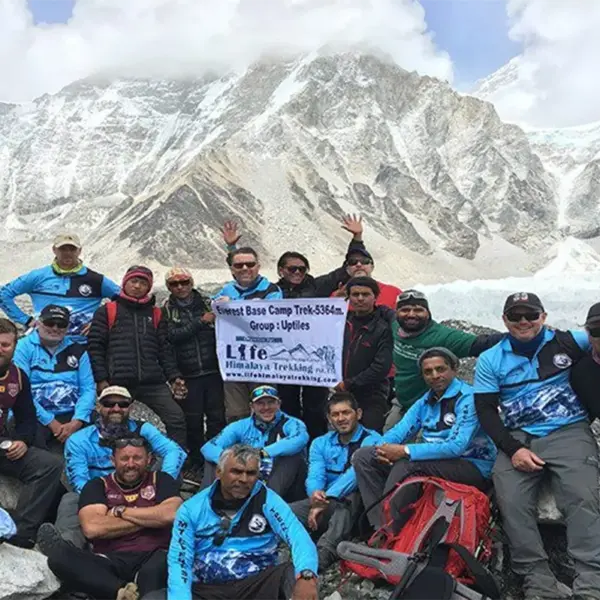
Everest Base Camp Trek Cost is among the first things that tourists research before making a choice to undertake this renowned Himalayan expedition. The cost of going to the Everest…
As the trail climbs through villages such as Namche Bazaar (3,440 m / 11,286 ft), Tengboche (3,860 m / 12,664 ft), Dingboche (4,410 m / 14,468 ft), and Lobuche (4,940 m / 16,207 ft), prices naturally rise. Moving food, fuel, and supplies up the mountain is challenging; even simple commodities are costlier as we go up the mountain. Hot showers, charging devices, bottled water, and internet access tend to be additional during the trek.
Everest base camp trek price also varies according to the season. The most popular seasons to go trekking are spring and autumn since they are less stormy and have clearer skies. Flights and accommodation tend to be booked early in these months, particularly among the travellers planning a base camp trek to Everest in 2026 and 2027.
Knowing the Everest Base Camp Trek Cost allows trekkers to select the effective balance of comfort, safety, and budget as they prepare to embark on one of the most fulfilling experiences in the world.
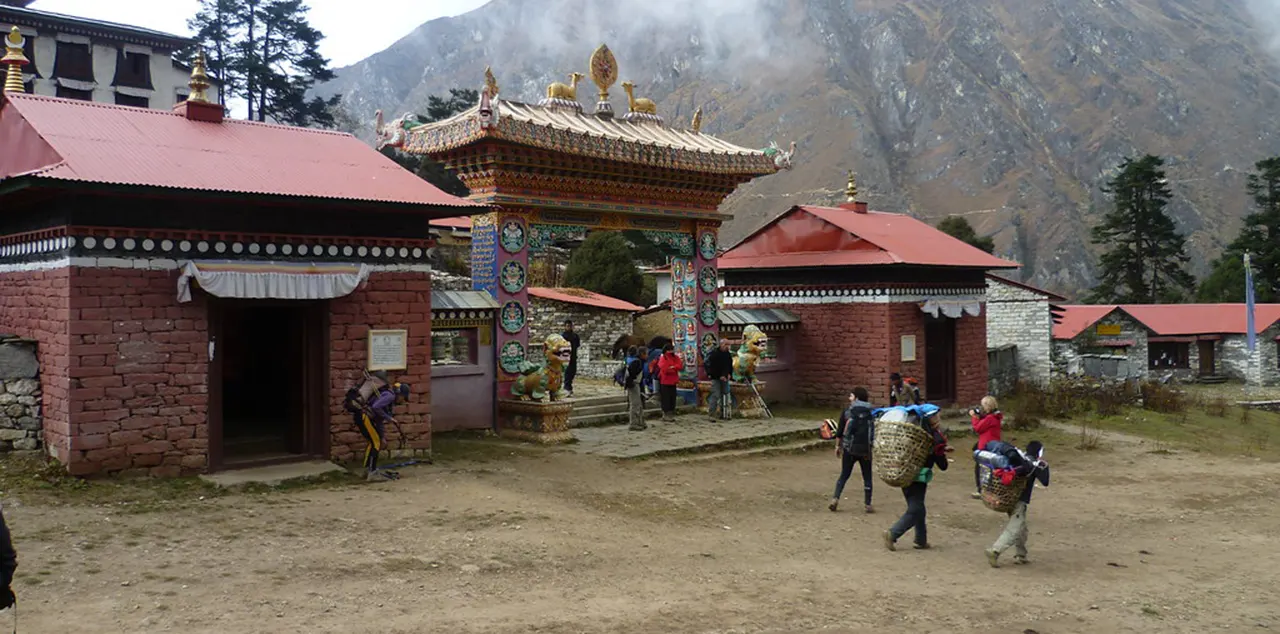
| Trek Type | Average Cost (USD) | Best For |
| Budget Trek | $800–$1,200 | Backpackers and independent trekkers |
| Standard Trek | $1,200–$2,000 | Most travelers |
| Luxury Trek | $2,500–$5,000+ | Comfort-focused travelers |
| Helicopter Return Trek | $2,000–$4,500 | Trekkers with limited time |
| Full Helicopter Tour | $1,200–$5,500 | Non-trekkers and luxury visitors |
Everest Base Camp Trek Cost may vary greatly based on the season, the standard of accommodation, guide experience, availability of domestic flights, and the kind of package you would want. Some trekkers would like to enjoy a simple and cheap experience, but there are also those who want to pay more to get more comfort and options to travel faster. This guide will describe the key costs, significant differences in costs, and other costs that are usually buried under the carpet, in order to get ready to go on the trip to Everest with a clear and realistic budget.
The Everest Base Camp Trek Cost can be divided into a number of separate expense categories, and knowing each of these categories will enable you to develop a more realistic Everest Base Camp trek budget. The former focus on keeping all possible costs to a minimum, whereas the latter are willing to spend a bit more and have more comfort and flexibility on their Everest base camp trek in 2026 or the Everest base camp trek 2027 adventure.
Trekking Permits Cost
You must have the necessary permits before you embark on a trek in the Khumbu region. Checkpoints are found all over the trail, and the officials are keen to check trekking papers.
Permit Fees in 2026 and 2027
| Permit | Cost |
| Sagarmatha National Park Permit | ~$30 |
| Khumbu Local Permit | ~$20 |
| Total | ~$50 |
In comparison to several other key trekking destinations worldwide, the costs of permits in Nepal are relatively cheap. Although fee hikes may rise a bit in future seasons, permits continue to comprise a minor portion of the total Everest base camp trek cost.
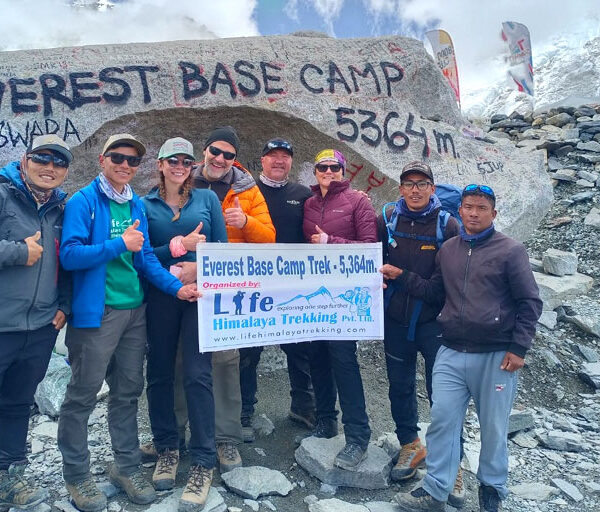
Comfort Everest Base Camp Trek With Helicopter Return
Everest Base Camp Trek Cost is among the first things that tourists research before making a choice to undertake this renowned Himalayan expedition. The cost of going to the Everest…
The flight to Lukla is regarded as being among the most exciting mountain flights in the world. Tenzing Hillary Airport is located at (2,860 m / 9,383 ft) and is known to have a short mountain runway that is enclosed by steep terrain.
The Kathmandu flight typically lasts about 35 minutes and offers a breathtaking aerial view of the Himalayas. There is a lot of traffic in the Kathmandu Airport during peak trekking seasons, particularly in the spring months, and as a result, most flights use Ramechhap Airport.
| Flight Route | One Way Cost |
| Kathmandu to Lukla | $255–$400 |
| Lukla to Kathmandu | $255–$400 |
Flight fares tend to increase during peak seasons of trekking in spring and autumn when the season is in demand. Agencies such as Life Himalaya Trekking usually suggest that one or two days should be reserved in Kathmandu as a buffer in case of weather, since there is always a tendency to delay in the Everest area.
Shared helicopter flights: $300-500 one way per person.
Private charter helicopter: 1,500-2,500+ per flight.
The helicopters are more flexible compared to standard flights and have a tendency to fly in a bit broader weather conditions. They are also providing amazing air shots of Khumbu.
Guide and Porter Cost
One of the most beneficial aspects of the Everest Base Camp Trek Cost is hiring a guide or porter, particularly when this is the first time trekking in the Himalayas. Guides offer safety services, local expertise, and support during the trip, and porters aid in easing the physical burden by transporting trekking equipment and bags.
Guide Cost
| Service | Daily Cost |
| Licensed Guide | $25–$35/day |
The amount spent on guides will be between 350 and 490 dollars without tips, depending on the length of the trek (a typical 14-day trek). Senior guides also assist trekkers to adapt safely at the higher altitudes like Dingboche (4,410 m / 14,468 ft) and Lobuche (4,940 m / 16,207 ft).
Porter Cost
| Service | Daily Cost |
| Porter | $18–$25/day |
The price of a typical Everest trek porter ranges between $250 and $350 plus tips. The average porter is taking 20-25 kg divided between two trekkers.
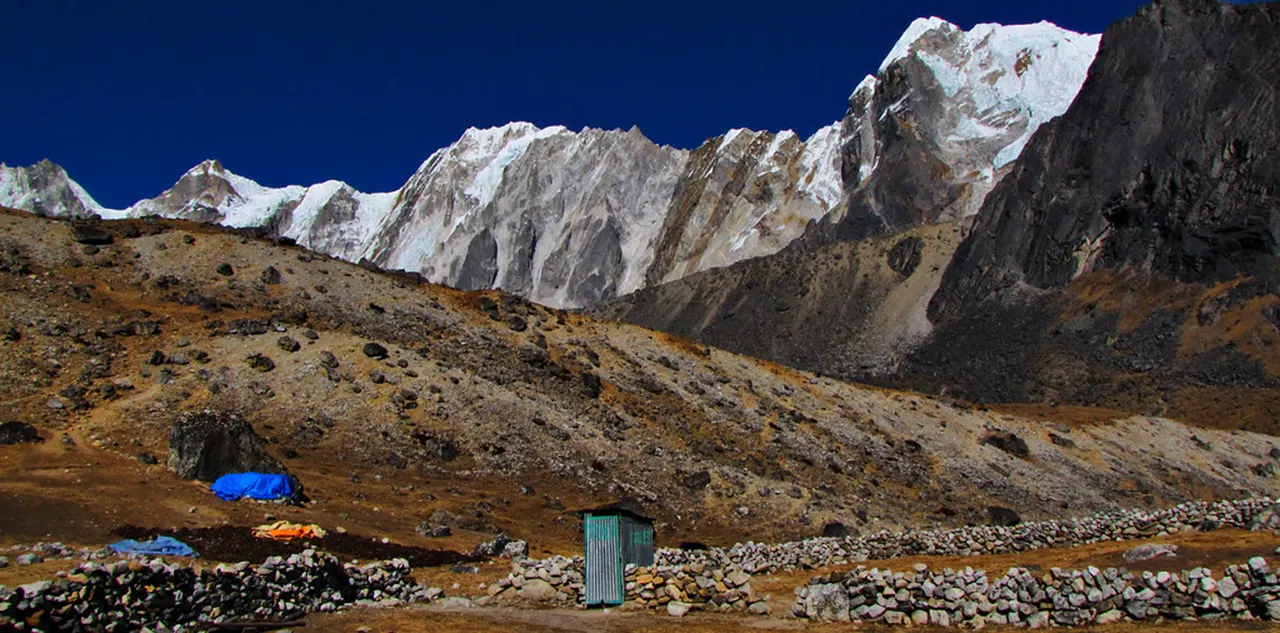
Guide and porter services are a significant component of the Everest base camp trek budget of many trekkers since it enhances the level of safety and the comfort of the entire trekking process.
Prices of accommodation within the Everest Base Camp route fluctuate according to the altitude, comfortability and season of trekking. The most common are the budget teahouses, which typically offer basic twin-sharing rooms with a basic bed, blankets, and bathrooms that are shared bathrooms. Electricity, hot water, and heating are less and more expensive in larger villages like Gorakshep at (5,164 m / 16,942 ft).
The Everest region now has luxurious lodges with heated rooms, attached bathrooms, hot showers, comfortable dining facilities, and better WiFi connectivity. These upgraded lodges are popular among trekkers looking for additional comfort during their Everest base camp trek in 2026 or the Everest base camp trek 2027 journey.
| Accommodation Type | Average Cost Per Night |
| Budget Teahouse | $5–$15 |
| Standard Lodge | $20–$40 |
| Luxury Lodge | $80–$300+ |
Food and Drinks Cost
Trekking at high altitudes is very demanding in terms of energy, and therefore nutrition and hydration are very crucial when hiking.
| Item | Average Price |
| Breakfast | $5–$10 |
| Lunch | $7–$15 |
| Dinner | $8–$15 |
| Tea/Coffee | $2–$5 |
Food costs typically fall within 20-45 a day based on appetite and elevation. Prices increase gradually towards Everest Base Camp (5,364 m / 17,598 ft) as supplies are transported by the porters and yaks.
Travel Insurance Cost
One of the most crucial aspects of planning the Everest Base Camp Trek Cost is the travel insurance. Hiking in the Himalayas is a high altitude, variable weather, and low medical access area, and thus, the insurance cover is exceedingly vital. Without insurance, evacuation of the Khumbu region by helicopters in case of emergencies could cost several thousand dollars.
Why Insurance Is Essential
A decent trekking insurance policy should be between $100 and 250 based on your home country, time of your trip, age, and the type of coverage. Travelers intending to do an Everest base camp trek in 2026 or the Everest base camp trek 2027 season must thoroughly read policy specifications before securing insurance, since some companies do not cover high-altitude trekking.
What Your Insurance Should Cover
A good insurance policy will provide trekkers with more peace of mind during the trip and can save trekkers a fortune in case of an emergency during the trek.
The Everest Base Camp Trek Cost also covers the trekking equipment and cold weather equipment that are very critical in protecting and comforting at high altitudes. At the altitudes of (5,164 m / 16,942 ft) Gorakshep and (5,364 m / 17,598 ft) Everest Base Camp, the temperatures may drop significantly below freezing, particularly in the morning, at night, and during winter periods of trekking.
Essential Gear List
| Gear Option | Approximate Cost. |
| Hiring Equipment in Kathmandu | 100-300. |
| Buying New Gear in Kathmandu | $500–$1,500+ |
Thamel is the best place in Nepal to rent trekking gear and go shopping. A significant number of trekkers reduce their Everest base camp trek expenditure by hiring costly outfits rather than acquiring totally new gear. Even local agencies like Life Himalaya Trekking can assist the travelers to identify trustworthy rental stores prior to starting their Everest base camp trek in 2026 or the Everest base camp trek 2027.
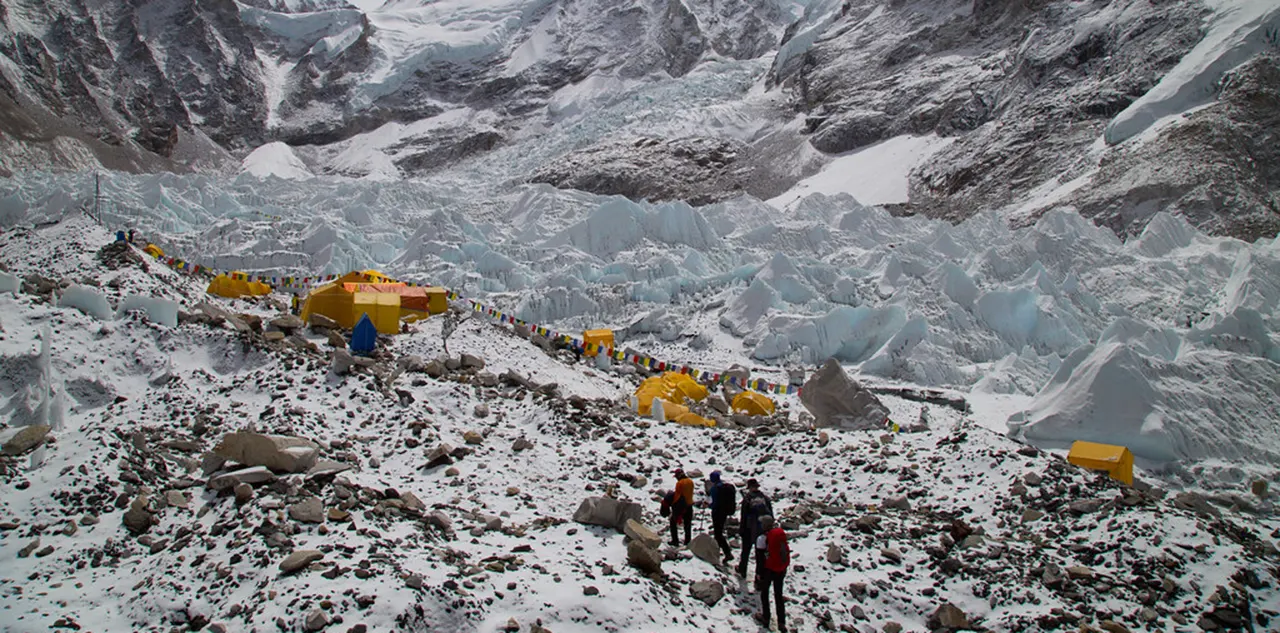
A budget trek is the cheapest option for exploring the Everest region, and the Everest Base Camp Trek Cost has been maintained to the lowest possible. Budget trekkers will typically book their own flights, permits, accommodation, meals, and daily logistics and stay in basic teahouses during the trek.
| Expense | Cost |
| Permits | $50 |
| Flights (Kathmandu–Lukla–Kathmandu) | ~$500 |
| Food & Accommodation (14 days) | ~$400 |
| Guide/Porter | Optional |
| Miscellaneous | $100 |
Budget trekking is more demanding in terms of planning and adaptability, particularly when there are peak seasons of trekking. Shared bathrooms and limited facilities are usually accommodative, with higher villages like Dingboche (4,410 m / 14,468 ft) and Gorakshep (5,164 m / 16,942 ft) having only these. The process of weather delays, changing transportation, and managing altitude are all issues that independent trekkers will have to take care of themselves on an Everest base camp trek in 2026 or an Everest base camp trek in 2027.
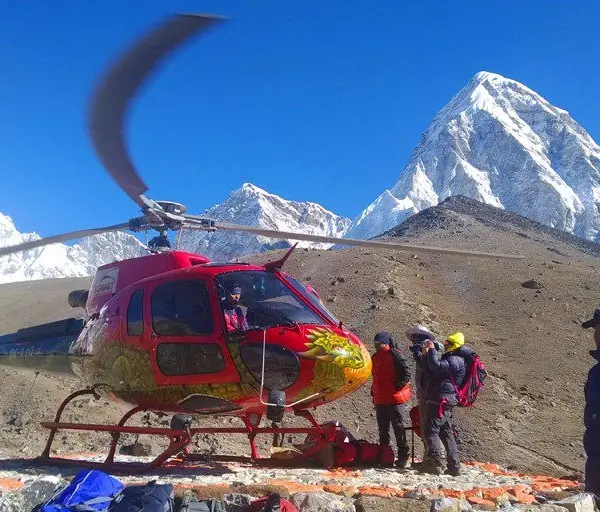
Short Everest Base Camp Trek 7 Days
Everest Base Camp Trek Cost is among the first things that tourists research before making a choice to undertake this renowned Himalayan expedition. The cost of going to the Everest…
Pros of Budget Trekking
Cons of Budget Trekking
Independent trekkers have the ability to walk at their own pace, to change schedules with ease, and make their own decisions during the trek. But solo trekking involves increased responsibility in terms of navigation, booking of accommodation, and altitude control.
Group climbing offers more support, cost sharing, and a sense of security, particularly on higher altitudes such as Lobuche at (4,940 m / 16,207 ft). The Everest Base Camp Trek Cost is cut down by most of the travelers who share the cost of the guide and porters with other travelers. Group trekking, in particular, can be particularly useful to beginners intending to make an Everest base camp trek in 2026 or 2027.
Standard Everest Base Camp Trek Cost
The most popular option is a typical package, as it is organized, safe, and comfortable, but does not make the Everest Base Camp Trek Cost prohibitively expensive.
Pre-made trekking packages are favored due to the fact that they eliminate most of the pressure in planning permits, flights, accommodations, and transportation. Guides also assist trekkers to cope with altitude and go through villages like Namche Bazaar (3,440 m / 11,286 ft) and Tengboche (3,860 m / 12,664 ft).
This alternative offers the best total Everest base camp trek price to many first-time trekkers since it offers safety, convenience, and moderate comfort. Companies such as Life Himalaya Trekking can assist with standard itineraries, which are normally suitable for individual travelers, couples, and small groups.
Luxury trekking is aimed at comfort, high-quality services, and improved accommodation in the Everest region. Cost of the Everest Base Camp trek in luxury trips is more expensive, yet a good number of trekkers opt to go to the mountain this way so as to have a comfortable mountain experience.
Luxury lodges tend to offer hot rooms, in-room bathrooms, hot showers, superior food, and more stable electricity and WiFi. Senior guides, further acclimatization, and enhanced Kathmandu hotels are also common among trekkers.
Five-star hotels in the area of Dingboche (4,410 m / 14,468 ft) and Namche Bazaar (3,440 m / 11,286 ft) have become significantly better within the past decade. Despite the fact that the cost of the Everest base camp trek increases significantly, several tourists value the extra comfort at the end of trekking day.
Helicopter return trek is a mix of classic trekking and an adventurous, quick, and scenic flight back from the Everest region. This alternative suits well those who are short of time, although they do not wish to miss the full trekking experience.
The trekkers often walk to Everest Base Camp at (5,364 m / 17,598 ft) and Kala Patthar at (5,545 m / 18,192 ft) and take a helicopter back to Lukla rather than walk down the same path.
| Helicopter Option | Cost |
| Shared Helicopter Return (from Gorakshep) | $2,000–$3,000 total trek cost |
| Private Helicopter Return | $3,000–$5,000+ total trek cost |
Among the most impressive aspects of the trip is the helicopter flight above the Khumbu Glacier and the Himalayan mountains in general. Shared flights tend to have 4-5 passengers, which will contribute to the overall price of the Everest base camp trek.
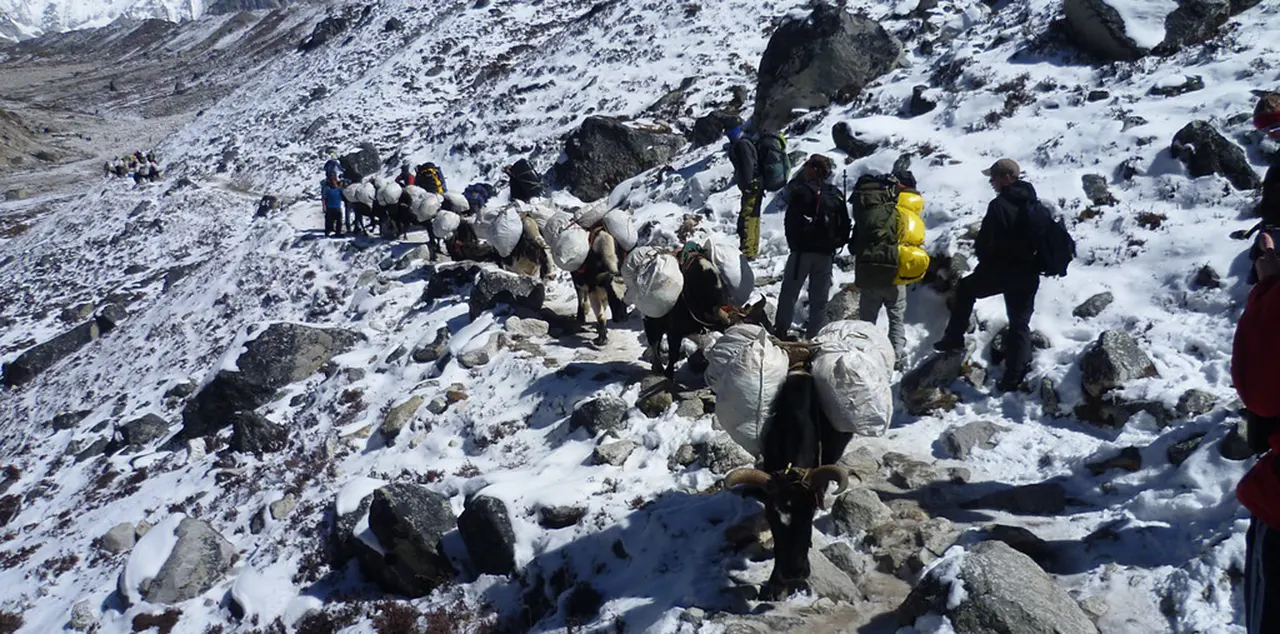
Not all visitors are willing to make such a long walk to visit Everest. Helicopter tours are more comfortable and faster to enjoy the Himalayas.
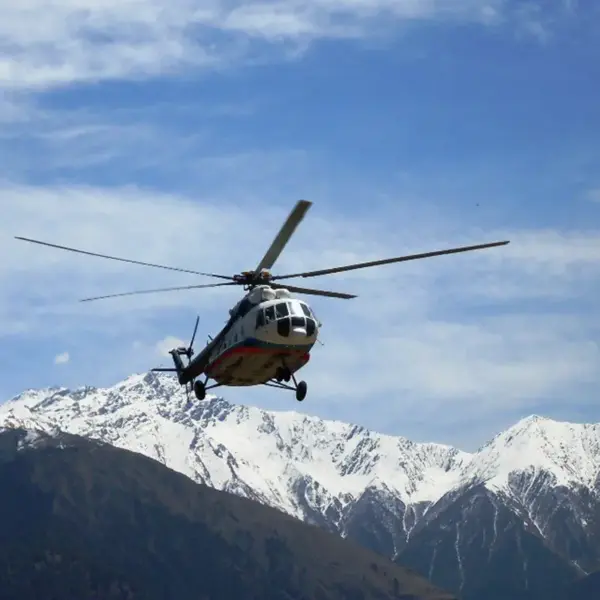
Everest View Easy Hike With Helicopter Tour (Deluxe)
Everest Base Camp Trek Cost is among the first things that tourists research before making a choice to undertake this renowned Himalayan expedition. The cost of going to the Everest…
The majority of the tours start early in Kathmandu, fly over the Khumbu Valley, and land in Kala Patthar near Kathmandu at 5,545 m / 18,192 ft to take photos and sightseeing, and then return to Kathmandu the same day.
| Tour Type | Average Cost |
| Shared Helicopter Tour | $900–$1,500 per person |
| Private Charter Tour | $3,300–$5,500 per helicopter |
These tours attract families, elderly travelers, and individuals who have less time on vacation. The mountain views by air are very costly, but they provide a totally different experience of the Everest experience that trekking cannot.
The various trekking styles are applicable to different travelers according to the budget, comfortability and the time they have.
| Features | Budget Trek | Standard Trek | Luxury Trek | Heli Trek |
| Cost | Lowest ($800–$1,200) | Moderate ($1,200–$2,000) | High ($2,500–$5,000+) | Highest ($2,000–$4,500+) |
| Comfort | Basic | Moderate | Premium | Premium |
| Accommodation | Basic teahouses | Standard lodges | Luxury lodges | Luxury lodges |
| Guide Support | Optional | Included | Included | Included |
| Helicopter Flights | No | Optional | Often included | Yes |
| Best For | Backpackers | Most trekkers | Comfort travelers | Time-limited travelers |
To most trekkers, the standard package is the most appropriate ratio of affordability, support, and overall management of costs of the Everest Base Camp Trek.
Base Camp Trek Cost of Everest usually varies with the overall duration of the trip. Shorter trekking itineraries tend to be more expensive per day, as they typically involve the use of helicopters, as well as quicker means of transportation, or more rigid schedules. The longer itineraries might seem to be less expensive per day, but overall, the price of the Everest base camp trek might go up due to extra accommodation, food, guide charges, and personal costs incurred over the extra days of trekking.
The vast majority of trekkers prefer a 12-14-day itinerary since it is sufficient to get adequate acclimatization and, at the same time, make the trip comfortable and safe. These itineraries usually include important acclimatization stops at Namche Bazaar at (3,440 m / 11,286 ft) and Dingboche at (4,410 m / 14,468 ft). Itineraries of 9-10 days are also offered, though this may put an individual at greater risk of altitude sickness due to the accelerated elevation gain.
A balanced itinerary is the most suitable choice for safety, comfort, and overall management of the budget of the Everest base camp trek by many travelers planning to go to the Everest base camp trek in 2026 or in the Everest base camp trek 2027 season.
Hidden Costs of Everest Base Camp Trek
Most trekkers are not keen on the minor daily costs that are incurred during the trek. Such indirect costs can easily add to the overall Everest Base Camp Trek Cost without prior planning.
Beyond Namche Bazaar (3440 m 11286 ft), charging phones and cameras is costly and weather delays may require trekkers to spend an additional day or two in Lukla or Kathmandu.
By bringing reusable water bottles, power banks, snacks and appropriate gear to Kathmandu, trekkers will save a lot of unnecessary costs when doing an Everest base camp trek in 2026.
To make the Everest Base Camp Trek Cost a little bit smaller, there are several clever methods for framing the issue without severely damaging the experience of the entire trek. Proper budgeting, planning, and not incurring unnecessary costs can enable trekkers to enjoy the trip whilst maintaining their Everest base camp trek budget within limits.
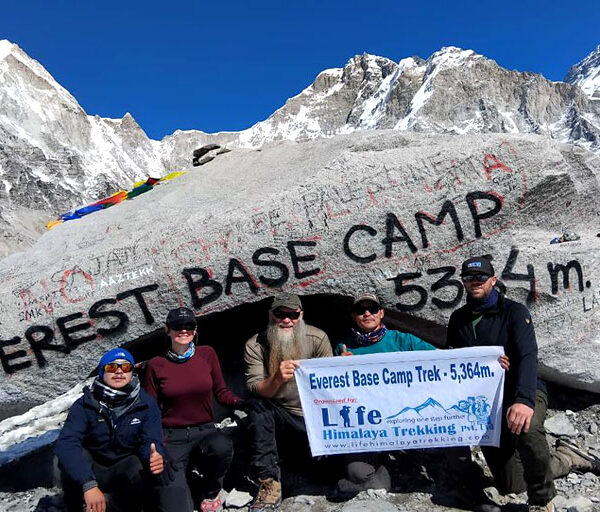
Everest Base Camp Trek Cost is among the first things that tourists research before making a choice to undertake this renowned Himalayan expedition. The cost of going to the Everest…
The more affordable way to travel is to do so in the off-season, like in March or late November. It is also much cheaper to rent equipment in the Thamel district of Kathmandu than to buy costly equipment before one has come to Nepal. A good number of the trekkers reduce the base camp trek price of Everest by sharing the guides and porters with small groups.
Booking with a local agency such as Life Himalaya Trekking can be a better deal than international travel agencies, nonetheless, with dependable guides and logistics. Easy things like bringing snacks back to Kathmandu, taking water purifying pills, and spending less on paid WiFi or hot showers at altitudes above 5,164 (16,942 ft) can also work to minimise daily unnecessary spending.
Throughout most of the Everest region, there are both internet and charging facilities, but as you rise in altitude, the number of these and their cost increase. Internet access in places like Namche Bazaar (3,440 m / 11,286 ft) is typically much faster and is more stable than in places like Lobuche (4,940 m / 16,207 ft) or Gorakshep (5,164 m / 16,942 ft). At higher elevations, charging phones, cameras, watches, and power banks typically costs between $2 and $5 per device.
Ncell and NTC mobile networks have coverage in some areas of the lower Khumbu region, but the signal quality weakens considerably above the Everest Base Camp (5,364 m / 17,598 ft). It is strongly suggested to carry along a power bank, charging cables, and offline maps in case a trekker needs them.
Trekking season is an important factor in the trail condition and the entire cost of the Everest Base Camp Trek. The weather in the Himalayas varies a lot during the year, and the time of year could make a big difference in how well the mountain can be seen, the reliability of flights, accommodation availability, and the overall comfort of the trek.
Spring Season (March–May)
The most popular trekking season in the Everest region is spring. The weather is normally consistent, the temperatures are not too hot, and the lower trails are colorful with blooming rhododendron forests. The primary months of Everest climbing are also in April and May, and, therefore, trekkers frequently observe mountaineering teams as they prepare in the vicinity of Everest Base Camp at (5,364 m / 17,598 ft). Due to the demand, flights, guides, and accommodation rates tend to be the highest during the season.
Autumn Season (September–November)
Another good time to trek is during autumn. The skies after the monsoon are normally clear, the mountain scenery is excellent, and the weather is cool enough to walk around in. October is generally regarded as the most favorable month to have an Everest base camp trek in 2026 or an Everest base camp trek in 2027 due to the usual reliability of weather conditions.
Winter and Monsoon Trekking
Winter and monsoon seasons are cheaper and less noisy, and, therefore, they can be used by trekkers who want to save on their budget for the Everest base camp trek. But during these months, snow, cloud cover, rain, and colder temperatures can complicate trekking as well as possible flight delays.
The Everest Base Camp trek is not a technical climb, but good physical fitness is highly needed to have a safe and enjoyable experience. Trekkers take several hours per day and slowly increase in height by passing through villages like Namche Bazaar at (3,440 m / 11,286 ft), Dingboche at (4,410 m / 14,468 ft), and Lobuche at (4,940 m / 16,207 ft). Good heart health, lower limb strength and general fitness can assist trekkers in managing the long walking days with ease.
Making arrangements at least 2-3 months before the trip can be very helpful in enhancing the trekking experience. Elevated walking, running, climbing stairs, cycling, and gym exercises are also beneficial to endurance development. Slow pacing and appropriate acclimatization during the trek are also areas that the travelers planning an Everest base camp trek in 2026 or the Everest base camp trek 2027 season should be keen on.
The average number of trekking days in the Everest Base Camp trail is between 8 and 15 kilometers each day, depending on the itinerary, the trail, and the acclimatization program. Walking time is typically approximately 5-7 hours daily, although there are days when the walking may seem more challenging due to altitude and steepness of the terrain around Everest Base Camp (5,364 m / 17,598 ft) and Kala Patthar (5,545 m / 18,192 ft).
Trekkers usually walk slowly and in a gradual manner in order to save energy and minimize the chances of experiencing altitude sickness. The days spent in the villages such as Namche Bazaar (3,440 m / 11,286 ft) and Dingboche (4,410 m / 14,468 ft) are devoted to the safe acclimatization of the body to high altitudes. Management of the overall Everest Base Camp Trek Cost and trekking experience involves proper pacing, hydration and rest, among other important factors.
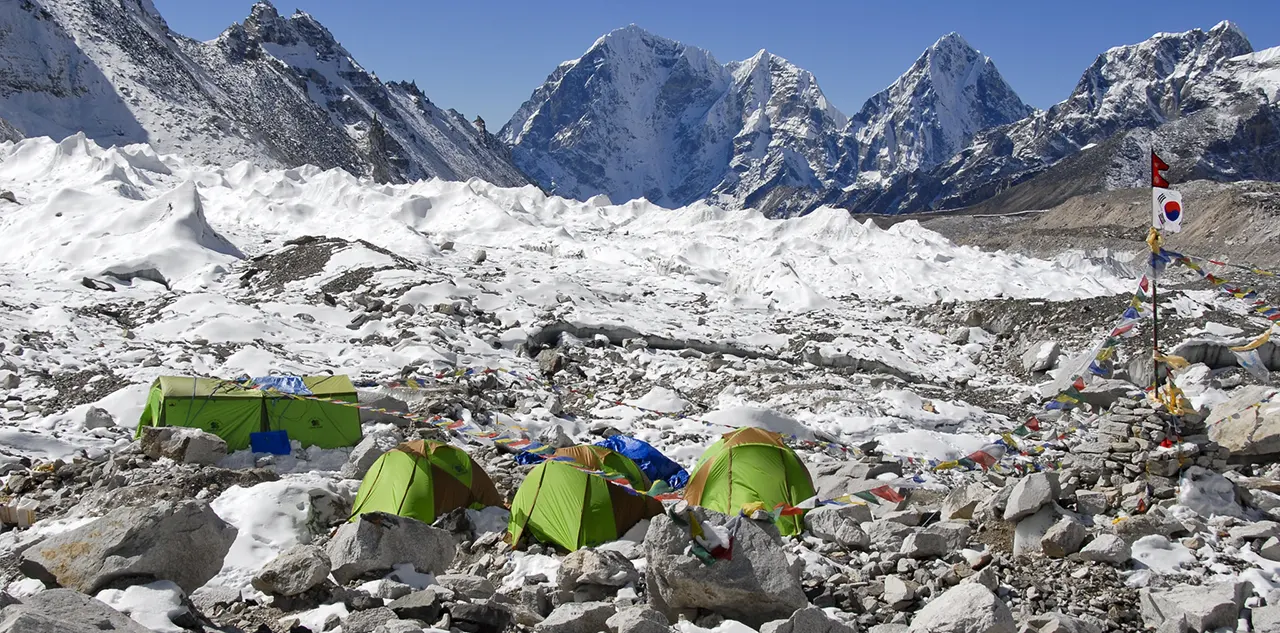
To the majority of trekkers, the answer is yes. The Everest Base Camp Trek Cost includes a lot more than transportation and accommodation. It offers a unique chance to see the Himalayas, Sherpa culture and one of the most well-known trekking paths in the world.
Spending the early morning light at Kala Patthar (5,545 m / 18,192 ft) with Everest shining in the early morning sunlight is a scene many trekkers will never forget. Regardless of whether travelers prefer a low-cost schedule, a luxury lodge tour, or a helicopter round trip, the Everest area provides a mountain adventure experience to remember.
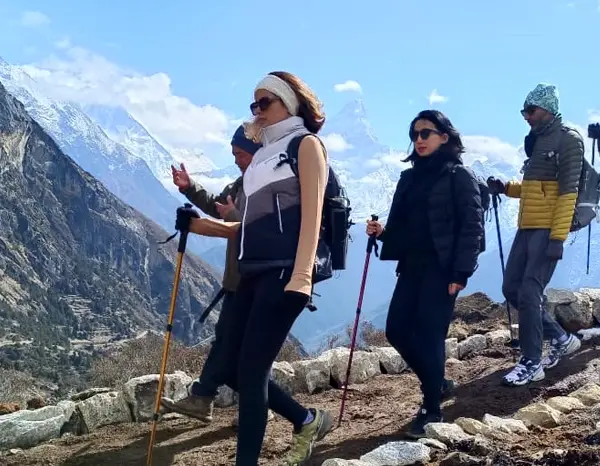
Mount Everest Base Camp Trek – 12 days
Everest Base Camp Trek Cost is among the first things that tourists research before making a choice to undertake this renowned Himalayan expedition. The cost of going to the Everest…
What will be the cost of the Everest Base Camp Trek in 2026 and 2027?
Everest Base Camp Trek prices are approximately $800 to $1,200 on a budget trek and $2,500 to $5,000 and above on a luxury trek. The average guided treks are between 1,200 and 2,000 dollars in permits, flights, guide services, accommodation, and meals.
Is it possible to hike to Everest Base Camp for below $1,000?
Yes, it can be done with proper budgeting, simple teahouses, and self-planning. Nonetheless, comfort, flexibility, and emergency support are restricted at greater altitudes.
Is the EBC Trek accompanied by a guide?
The use of a guide is not a requirement in the Everest region, although it is highly advised with regard to safety, altitude management, and guidance.
What is the cost of a helicopter return?
Helicopter back to Gorakshep is typically a common helicopter return that is an additional $500-1,000 to the current base camp trek cost of Everest. The cost of a full helicopter return package can range between 2,000 and 3,500.
Should a luxury Everest Base Camp trek be considered?
Luxury trekking is worth it to the tourists who can afford to spend more on heated rooms, personal bathrooms, nicer meals, and more comfortable rest after the tough days of trekking.
What is the number of days required to do the EBC Trek?
The standard itineraries are 12-14 days with acclimatization days. Helicopter packages tend to cut down the entire journey to approximately 10 to 12 days.
Which is the most affordable month to trek to Everest Base Camp?
The lowest cost of the Everest Base Camp Trek and the trails that are less crowded are normally in winter, December to February, and during the monsoon season, June to August.
Is it possible to do the Everest Base Camp Trek as a beginner?
Yes, beginners can finish the trek with the help of due preparations in terms of fitness, slow pacing, and a well-thought-out acclimatization timetable.
What comes with an EBC trek package?
The majority of the standard packages will cover permits, flight to Lukla, guide services, porter support, accommodation, and food during the trek.
What amount of cash to bring on the trek?
Above Namche Bazaar (3,440 m / 11,286 ft), trekkers typically bring sufficient Nepali rupees to spend on snacks, drinks, charging electronics, hot showers, tips, and emergency costs.
Does the Everest Base Camp Trek have altitude sickness?
Yes, it is typical to develop altitude sickness above Dingboche (4,410 m / 14,468 ft) and thus proper acclimatization and hydration are of paramount importance.
Should I have any previous trekking experience to Everest Base Camp?
Prior experience in trekking is an added advantage, yet year after year, first-time trekkers have completed the Everest Base Camp trek.
Should I buy travel insurance when going on the EBC Trek?
Yes, the addition of helicopter evacuation insurance to travel insurance is strongly advised since the emergency rescue operations in the Everest region may be very costly.
The cost of the Everest Base Camp Trek may seem overpriced at the start, but to a good number of trekkers, the trek will be one of the most significant experiences in their lives. It is not something that most travelers forget when they stand at the Everest Base Camp (5,364 m / 17,598 ft) and observe the sunrise at Kala Patthar (5,545 m / 18,192 ft).
Whether you choose a budget itinerary or a more normal guided one, or maybe an overall high-end helicopter return adventure, the Everest region has amazing mountainous landscapes, Sherpa culture, and a sense of personal accomplishment. The correct option will be based on comfort level, mode of traveling, and the general budget of your Everest base camp trek.
To any other person intending to do the Everest base camp trek in the 2026 or 2027 season, it is essential to prepare early. Purchasing flights, guides, and accommodation will ensure that last-minute issues do not arise during the busy months of trekking.
Firms such as Life Himalaya Trekking will be able to arrange permits, flights, guides, and logistics, and therefore, the experience will be less stressful and uncomfortable for first-time trekkers. Through sound planning, setting of realistic expectations, and good physical preparation, the Everest Base Camp trek is one of the most fulfilling travel experiences in the world.


We plan custom and flexible holiday trips according to your holiday duration, extra wishes, and demands.
Plan your Trips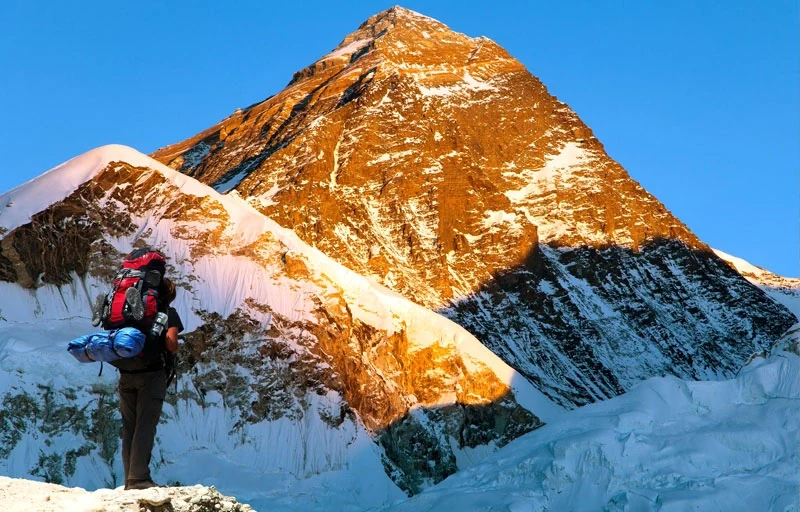
Chat with our Travel Designer Shiba
Need assistance? Our expert agent is here to help! Please fill out the form below to initiate a chat and get your queries resolved quickly.