

 English
 Dutch
Dutch Japanese
 Hindi
Hindi Italian
 Spanish
 French
 German
 Chinese
 Korean
 Arabic
 Hebrew
 Russian
 Portuguese
 Danish
 Czech
Czech Polish
 Swedish
Plan Your Next
Journey to the Himalayas!
We plan custom and flexible holiday trips according to your holiday duration, extra wishes, and demands.
Plan your Trips
Planning an Everest adventure begins with understanding the total budget. While many travelers consider just the price of the package, there are a few more costs to consider. When you compare these expenses before you make your booking, you’ll be able to avoid unexpected costs and make your trip a well-planned one.
The Everest Base Camp short trek cost includes several factors such as trekking packages, domestic airfares, permits, accommodation, meals, guide and porter, transportation, travel insurance and personal expenses, among others. The shorter tour may be less expensive due to the fewer number of trekking days, but might also entail helicopter transfers and/or a faster pace that increases the cost.
This blog will cover all the major costs you are likely to encounter on the Everest Base Camp Short Trek in 2026 and 2027. These prices are indicative and may differ from season to season and depend on the current rates of travel companies. These are the estimated prices and may slightly vary according to the trekking company and the season of travel, but it is a realistic budget to plan your adventure.
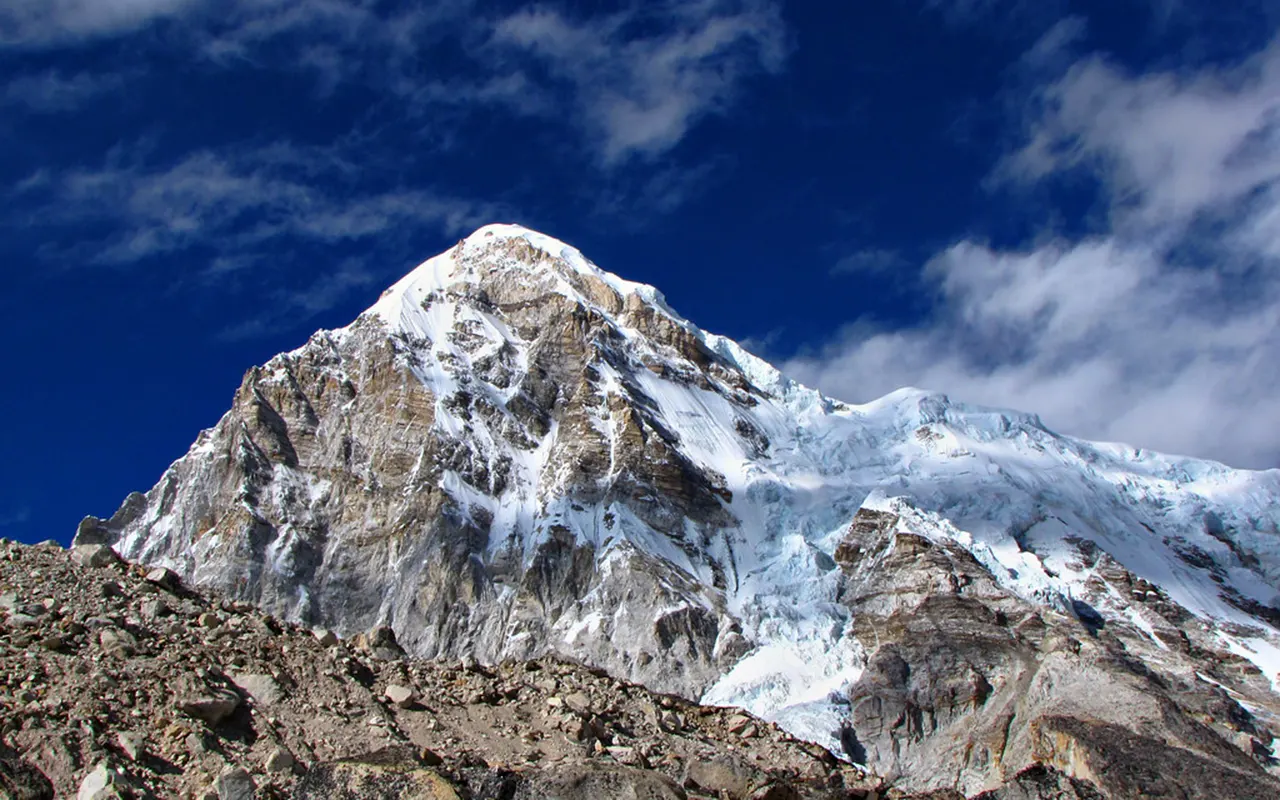
Everest Base Camp Short Trek is an abbreviated version of the traditional Everest Base Camp trek. The vast majority of short trips take 9 to 12 days with helicopter transportation to either start or finish the route. A few packages also offer a helicopter return from Gorakshep to Kathmandu, saving a few days of trekking.
The destination remains the same. However, it is still possible to reach Everest Base Camp at 5,364 m (17,598 ft) and hike to Kala Patthar at 5,545 m (18,192 ft) for the trekkers to enjoy the sunrise over Everest. The trek is shorter, but proper acclimatization is still crucial for a safe trek.
The Everest Base Camp Short Trek Cost depends on the services and transportation mode in your trek route.
Group packages with a budget between USD 1,350 and USD 1,700 per person are generally categorized as budget group packages. Reputable trekking companies charge USD 1,700 to USD 2,300 for their standard packages.
The costs of luxury short trek packages are between USD 2,500 and more than USD 4,000 and include helicopter transfers, upscale food and high-end hotels.
The overall cost may encompass the cost of airport transfers, permits, guide service, lodging on the trek, domestic flight or helicopter service and meals. However, the services included in the packages vary from one to another, so it is crucial to understand what is included in an offer before booking.
| Expense | Estimated Cost (USD) |
| International flight | 700–1,500 |
| Nepal tourist visa | 30–125 |
| Sagarmatha National Park Entry Permit | 30 |
| Khumbu Pasang Lhamu Rural Municipality Permit | 17 |
| Kathmandu to Lukla return flight | 430–500 |
| Helicopter return (shared seat) | 550–900 |
| Guide | 35–45 per day |
| Porter | 25–35 per day |
| Tea house accommodation | 8–20 per night |
| Meals | 30–50 per day |
| Drinking water | 2–6 per litre |
| Charging electronics | 2–5 per device |
| WiFi | 3–10 per session |
| Hot shower | 4–8 |
| Travel insurance | 100–250 |
| Personal equipment rental | 80–200 |
| Tips | 80–150 |
All visitors should get relevant permits before proceeding to the Everest region.
If you book through a trekking company, the Everest Base Camp Trek Price always includes the Khumbu Pasang Lhamu Rural Municipality Permit and the Sagarmatha National Park Entry Permit.
Khumbu Pasang Lhamu Rural Municipality Permit is about NPR 2000 (USD 15.5) per person. The permit is picked up in the local area before entering the trekking region.
The entry fee to Sagarmatha National Park for foreign tourists is about NPR 3000 (or USD 30) per person, not including the value-added tax, if applicable.
Most trekkers no longer require the TIMS card for the Everest Base Camp route as compared with several years ago. The TIMS card is not typically needed for this trek as local authorities now issue the municipality permit.
Nepal tourist visa is also included in the Everest Base Camp Trek cost for 2026.
Citizens of various countries are eligible to obtain a visa on arrival in Nepal from Tribhuvan International Airport in Kathmandu.
So far, the visa fee is around USD 30 for 15 days, USD 50 for 30 days and USD 125 for 90 days. Most people visit Everest Base Camp on a 15-day visa, as many of the Everest Base Camp short trek itineraries will involve a visit for two weeks.
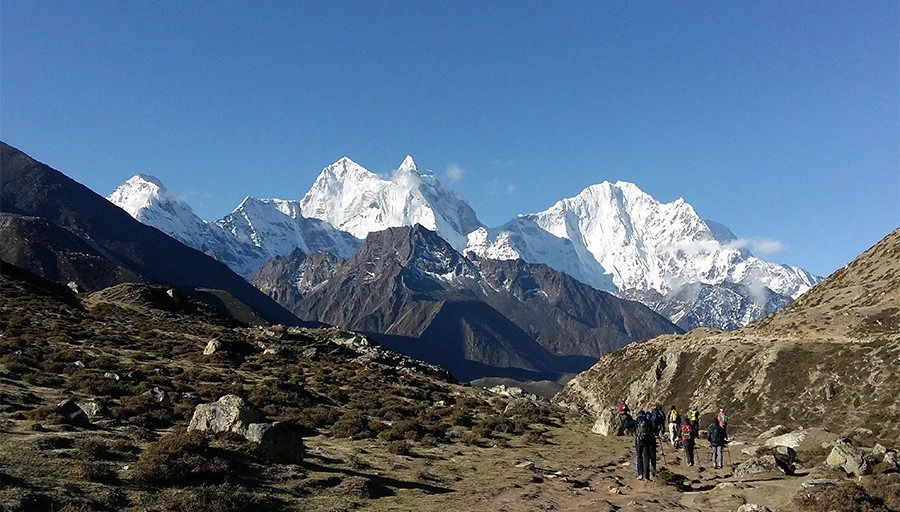
The cost of international airfare is typically the highest item in the trekking package aside from the cost of the trekking package itself.
Fares are subject to various changes, depending on the country of origin, the airline, the season and the date of booking. The average price of the flights from Europe ranges from USD 700 to USD 1,300; flights from North America cost between USD 900 and USD 1,500. Return tickets can cost anywhere between USD 600 and 1,100 for travelers from Australia, Southeast Asian countries, etc.
Other benefits of booking several months ahead include lower prices, particularly during the busy spring and autumn trekking seasons.
The Everest Base Camp Short Trek Cost covers the transfer from Kathmandu to Lukla and back to Kathmandu, unless the trek is done by helicopter as one side of the journey.
The price for a foreign tourist to return to Kathmandu via Lukla is USD 430 to 500 per person. In high trekking seasons, many flights depart from Ramechhap instead of Kathmandu as there is congestion at the airport, which might require extra ground transportation ranging from USD 20 to USD 35.
In the Everest region, weather delays are common and it is advisable to have a few extra days in your schedule to cover for such delays.
The helicopter is also a popular feature for many short itineraries, as it is a flight from Gorakshep or Pheriche to Kathmandu. This helps save a lot of trekking time and offers a good view from the air of the Himalayas.
The cost of a shared seat on a helicopter is typically USD 550-900, which is a bit more expensive during high-demand seasons. The price of a private helicopter charter ranges from USD 3,500 to USD 5,500 and is based upon the number of passengers on board.
Helicopter flights are also subject to weather conditions, as are regular flights to Lukla.
It’s much safer and more comfortable to have experienced trekking staff.
An English-speaking guide is included in the Everest Base Camp Trek Price. The fees for guide typically fall between USD 35 and USD 45 per day, which may vary based on the experience of the guide.
The price of a porter ranges from USD 25 to USD 35 per day and they can carry up to 20 kg (44 lbs) of communal luggage. Many trekkers share one porter between two people and so it is a cost-effective option.
The salary, accommodation, meals, insurance and equipment of the trekking personnel are usually included in these rates.
In the Everest region, tea houses offer basic but pleasant lodging.
The typical room rate is in the range of USD 8 to USD 20 per night, varying by elevation and time of year. Villages will tend to be slightly more affordable in the lower areas and more expensive in the higher ones, as supplies have to be carried by porters, yaks or helicopters.
Most of the rooms have twin beds, blankets and common toilets. Baths attached to bedrooms are less common at higher elevations.
If meals are not part of your Everest Base Camp Trek Cost 2026, then it is advisable to allocate an adequate amount of money to cover the cost of each meal.
The higher the altitude, the higher the price of food, as all ingredients have to be brought up to the mountains.
Breakfast is typically USD 6 to USD 12, lunch is USD 8 to USD 15 and dinner is USD 8 to USD 15. For the majority of trekkers, a daily meal budget is between USD 30 and 50.
Nevertheless, one can easily find Dal Bhat as the best value meal; most tea houses offer complimentary refills of dal and lentil soup.
Travelers can find themselves paying a lot for bottled water along the route.
The price of a one-litre bottle ranges from USD 2 in lower villages to USD 5/USD 6 near EBC. To save money, many trekkers bring water purification tablets or portable filters and use reusable water bottles.
This also helps in minimizing plastic waste in the National Park.
The modern facilities are provided in many of the villages, but generally with additional charges.
Typical phone/camera battery charging fees range from USD 2 to USD 5 per charge. WiFi connectivity is generally available, with fees that can be as low as USD 3 or as high as USD 10 depending on the location and provider of internet connectivity.
Showers are generally USD 4–8 and are usually slightly more expensive with increased elevation, where the additional fuel is required for heating water.
The total of these little costs can accumulate along the way.
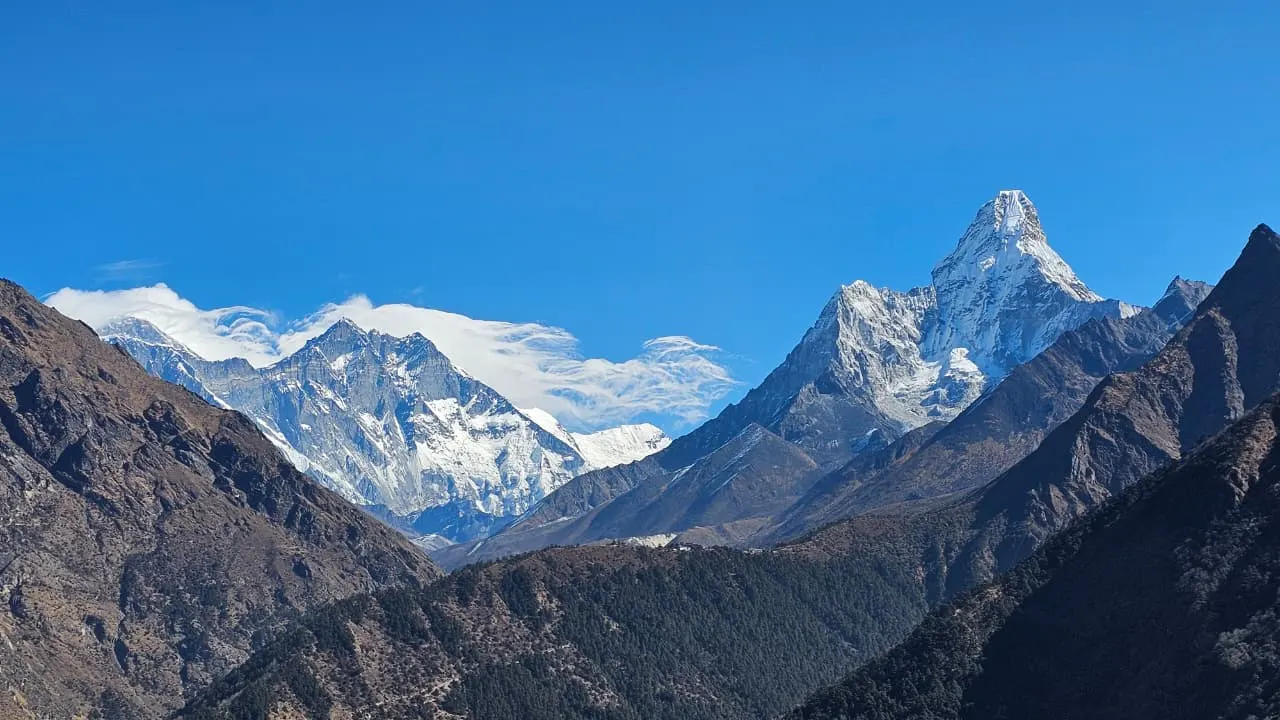
Comprehensive travel insurance is a must for the Everest Base Camp Short Trek Cost.
A proper policy will cost about USD 100 to USD 250 and it will vary in price based on coverage, your country of residence and your age.
The insurance must include coverage for trekking above 5,000 m (16,404 ft) as well as cover emergency helicopter evacuation, medical treatment, trip cancellation and lost baggage. Though many standard travel insurance policies come with coverage for high-altitude trekking, it is important to check the details of the policy.
If you already have trekking gear, then your preparation will be less.
The amount of investment required to buy the new gear can range from USD 400 to more than USD 1,000, depending on the quality and brand of the gear.
There’s also a lot that can be rented in Kathmandu. The sleeping bag typically rents for USD 2- USD 4 per day and the down jacket rents for USD 2- USD 5 per day. The rentals for the main equipment range in price from USD 80 to USD 200 per trip.
Many hidden costs can drive up the price of the Everest Base Camp Trek.
Some trekkers overlook the allotment for food at the bakery, coffee, bottles, clothes washing, souvenirs, tipping and buying of emergency food. The price of energy bars is USD 3 to USD 6 and the price of coffee is USD 3 to USD 6 in higher villages.
It is also common for tips to be given to guides and porters. The total cost of a trek is largely dependent on the size of the trek party and the standards of service and ranges from USD 80 to USD 150.
Additional hotel nights in Kathmandu and extra flight meals and airport transfers may be required if flights are postponed due to weather.
Having adequate cash with you before you leave Kathmandu helps to simplify the Everest Base Camp trek cost in 2026.
After stepping into the Khumbu area, ATM services are limited and many tea houses only accept Nepalese Rupees. If your trekking package includes accommodation and meals, you will need around USD 250 to USD 500 for your own personal needs.
Persons who pay for their meals out of pocket should allow for extra expenses depending on their travel itinerary.
You don’t always save money by getting the lowest package.
Off seasons may offer better prices when traveling. If you can share a porter with another trekker, there’s no need to sacrifice comfort and you save some money. Renting equipment in Kathmandu is also useful to save overall budget as opposed to purchasing new equipment.
Water purification tablets can be used instead of buying water daily, thus saving money and plastic waste. It is also possible that booking via a local trekking company with local knowledge may prove to be the better option because packages are often costed together.
While the cost of the Everest Base Camp Short Trek is quite high when compared to numerous other trekking destinations, it will include the opportunity to enjoy the world-renowned mountain scenery, Sherpa culture, historic monasteries, as well as the opportunity to reach Everest Base Camp.
For those who have a short vacation period, this is an ideal option to enjoy the Everest region. Transportation by helicopter adds to the cost, but also cuts down on trekking days and visitors can do the whole thing in a more limited timetable.
Having all the expenses laid out in advance reduces the element of surprise during the journey and makes the experience more enjoyable.
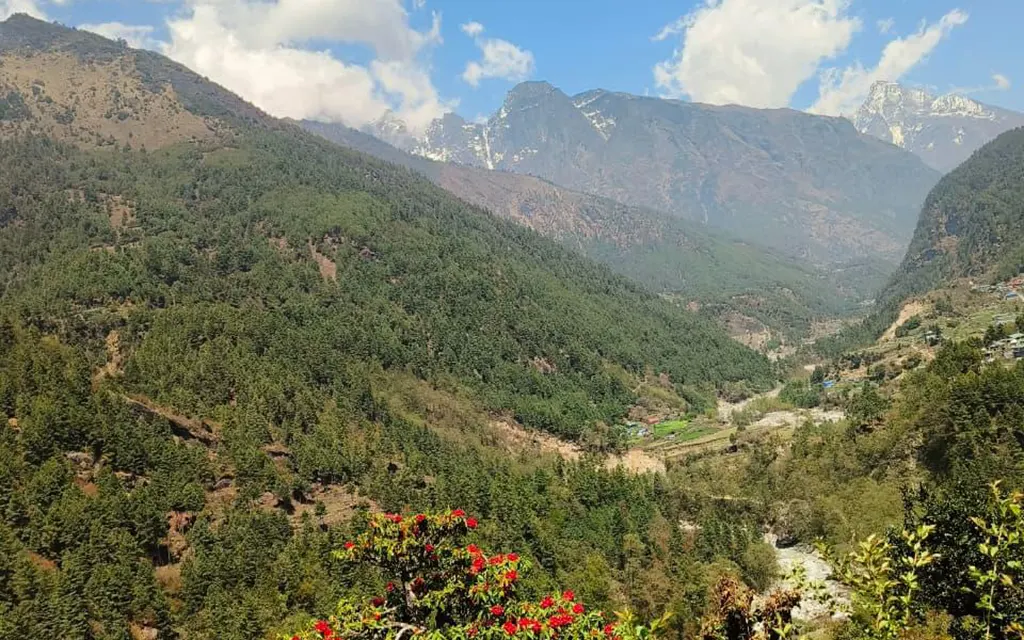
Note down the cost of the Everest Base Camp Short Trek and ensure that you are financially and practically ready for the trek. Aside from the package fee, permits, domestic flights, lodging, food, travel insurance, equipment and the other little costs that many people forget to calculate are all factors to consider.
For 2026 and 2027, most trekkers should expect to spend between USD 1,700 and USD 3,000 for a standard short trek, depending on the itinerary and level of service. The luxury packages may have premium amenities and helicopter transfers, which come at a high price.
A reliable trekking company, an appropriate travel insurance policy and preparing for the possible hidden costs will make for a smoother trip. With careful planning, you can concentrate on enjoying the marvelous experience of reaching Everest Base Camp without worrying about the unexpected expenses.


We plan custom and flexible holiday trips according to your holiday duration, extra wishes, and demands.
Plan your Trips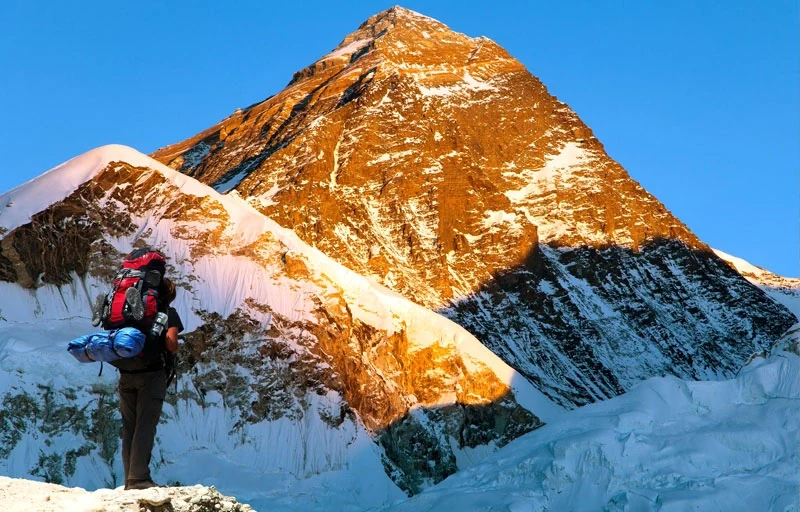
Chat with our Travel Designer Shiba
Need assistance? Our expert agent is here to help! Please fill out the form below to initiate a chat and get your queries resolved quickly.