

 English
 Dutch
Dutch Japanese
 Hindi
Hindi Italian
 Spanish
 French
 German
 Chinese
 Korean
 Arabic
 Hebrew
 Russian
 Portuguese
 Danish
 Czech
Czech Polish
 Swedish
Plan Your Next
Journey to the Himalayas!
We plan custom and flexible holiday trips according to your holiday duration, extra wishes, and demands.
Plan your Trips


Max. Altitude
Tengboche Monastery (3,867 m)
Best Season
October- November
Activity
Trekking
Start / End Point
Kathmandu/KathmanduThe Everest Mani Rimdu Festival Trek is a scenic exploration through the core of the Khumbu region. This is a 10-day adventure that will start in Kathmandu and end in the quiet high hills of Nepal.
The journey starts with a beautiful flight to Lukla and proceeds to the Sherpa villages and green woodland and quiet trails leading to the well-known Tengboche Monastery, where the holy Mani Rimdu festival is observed.
Life Himalaya Trekking is a reliable company that organizes this special itinerary and can hire competent guides and welcoming assistance during the trip. In their company, you have days of trekking without threats, comfortable local accommodation in teahouses, and explanations of the culture in a way that is easy to understand at the Mani Rimdu ceremonies.
Everest Mani Rimdu festival trek is a beautiful combination of nature in the Himalaya and Sherpa culture. On the way, there are some beautiful mountains like Everest, Ama Dablam, Lhotse, and Nuptse that you will come across. Late October and early November have the clearest skies, thus making this the most appropriate time to have the best of the festival and the mountain scenery.
You will experience the silence and the beauty of the Everest region as you cross suspension bridges, walk through rhododendron and pine forests, and climb gentle mountain trails.
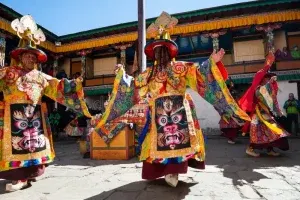
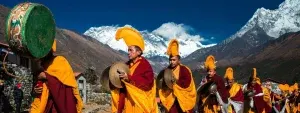
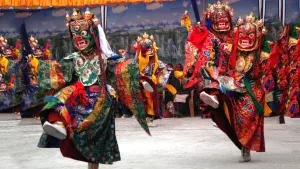
The Mani Rimdu celebration in Tengboche, lasting three days, is the highlight of the journey. The Monks use traditional masked dances and sing prayers, draw sand mandalas, and bless visitors.
The festival demonstrates the great spiritual life of the Sherpa people, and it is the triumph of wisdom and kindness. It is a peaceful and memorable experience to be a part of this event.
The itinerary of the EBC Mani Rimdu festival makes you stay in hospitable teahouses, eat simple and warm food such as dal bhat, and hang out in the evening with lantern-lit dining rooms.
The days of trekking are moderate, and one should have minimal fitness, provided that they walk at a slow pace and allow their body to get used to the altitude. The harmonious mountains, hospitable Sherpa people, and the sacred nature of the Mani Rimdu festival make this trek really unique.
Trekking to the Everest Mani Rimdu festival is an ideal holiday destination to visit, where one can have an adventure and a cultural experience. The journey can leave you with beautiful memories of the Himalayas, the festival, and the people who make this region so hospitable by the end of the journey.
It is not just a walking tour around mountains but also an opportunity to experience one of the most important religious celebrations of Nepal right in the core of Everest.
You will reach Kathmandu, the vibrant and friendly capital of Nepal. At the Tribhuvan International Airport, a company representative will be happy to receive you and help you transfer to a comfortable hotel located in the center of the city.
After settling down, you can have a chance to rest or take a leisurely stroll around the temples, markets, and classic streets that are within the area.
Your trekking guide will meet you in the evening to give you a friendly briefing on the Everest Mani Rimdu festival trek.
The guide will also describe the trip in a straightforward and easy manner, inspect your trekking gear, and assist you with the permits needed in Sagarmatha National Park and TIMS.
You will stay in a nice three star hotel, and you can have an optional dinner in a local restaurant and taste Nepali dishes.
Maximum Altitude
1,320 m.
Meals
Dinner
Accomodations
3 Star Hotel
Transportation
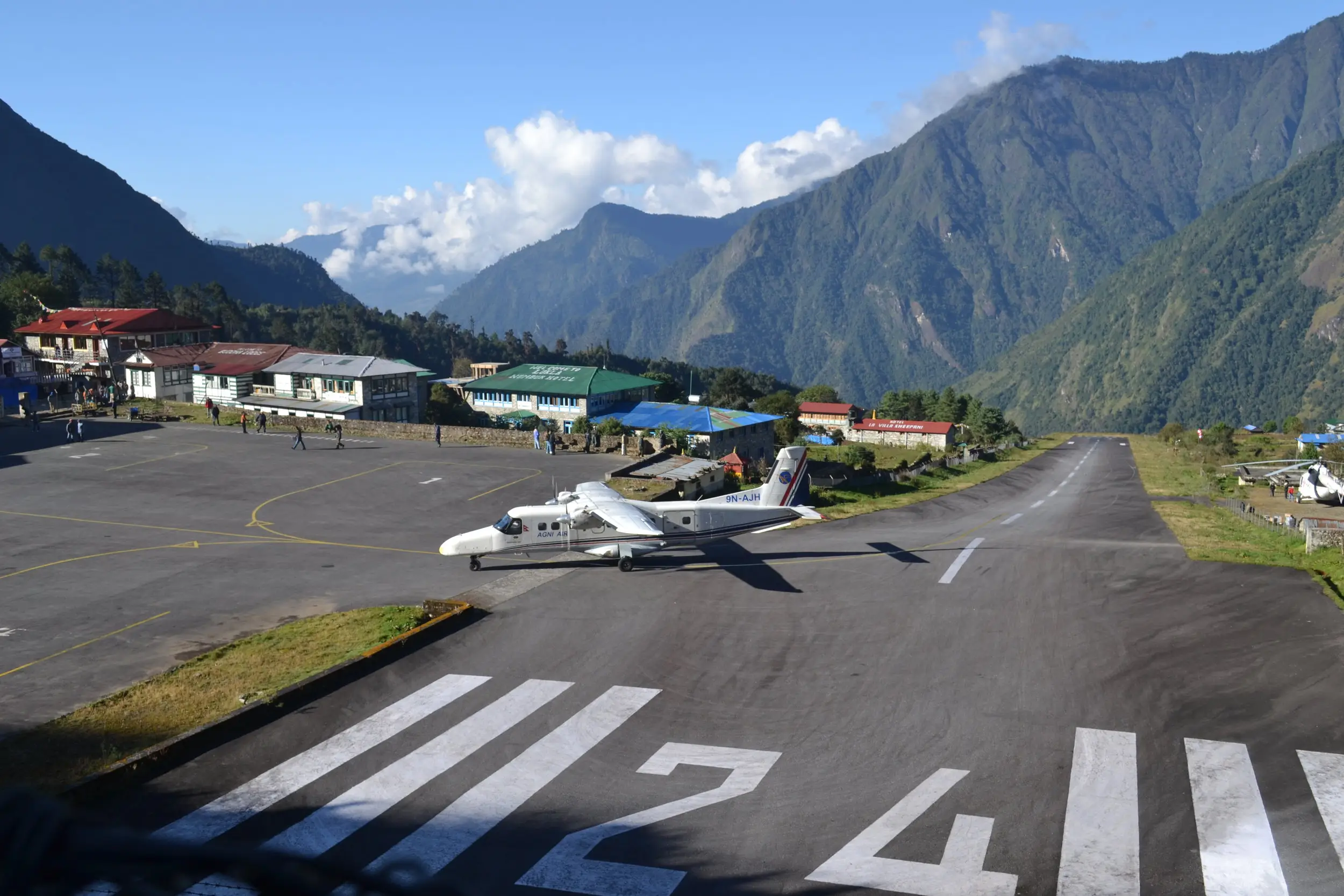
15 minutes DriveThe first morning will start with a picturesque flight from Kathmandu to Lukla. The flight is a short 40-minute flight with stunning scenery of the Himalayan peaks. As you arrive at Lukla at 2,835 meters, you will meet your trekking crew and get ready to walk on.
Your journey will begin with an easy path, which proceeds down to the Dudh Koshi River. The trail goes through pine forests, the classic Sherpa dwelling houses, and some beautiful suspension bridges.
Four hours of leisurely strolls will bring you to a tranquil village known as Phakding at 2610 meters. You shall also spend the night in a cozy and hospitable mountain teahouse and get yourself a good sleep.
Maximum Altitude
2,640 m. Meals
Breakfast , Lunch and Dinner Trek Duration
4 Hours Trek Accomodations
Lodge Transportation
35 minutes FlightThe trek to the Everest Mani Rimdu festival will resume with you following the gentle movement of the river Dudh Koski.
You will then walk through pine and rhododendron woods and cross villages like Toktok and Benkar after a refreshing breakfast. The path provides numerous opportunities to see the rivers and take pictures on the hanging bridges.
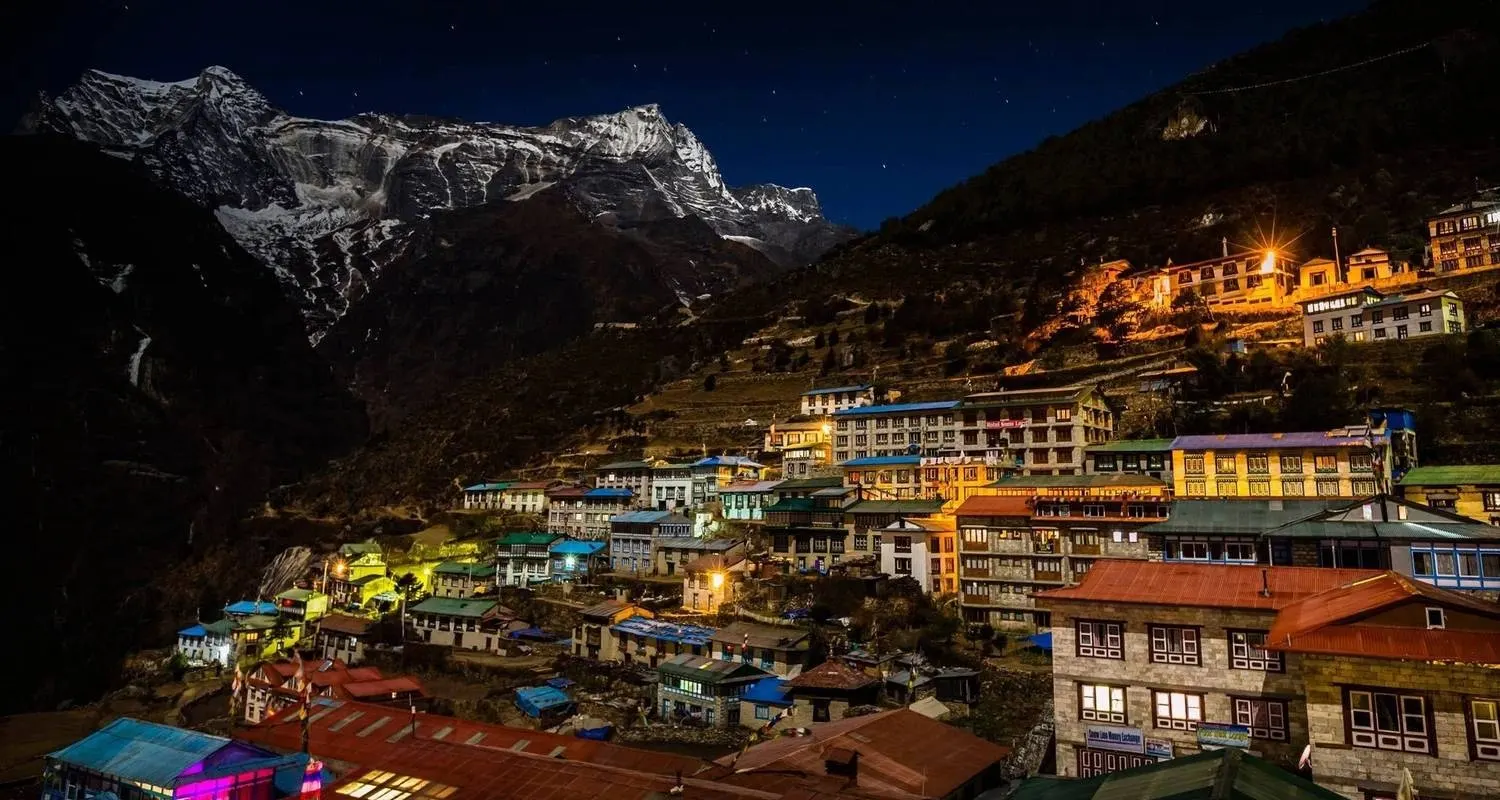
At Monjo, you will enter Sagarmatha National Park, and your permits will be verified. At Monjo, the road ascends further and takes you to the Sherpa town of Namche Bazaar fame. It is slow and hard work up to the last climb, and it is worth the effort.
You will get to Namche Bazaar at 3440 meters, a busy trading town with beautiful mountain scenery. You will have the evening resting, and in the quiet air of the mountain.
Maximum Altitude
3,440 m. Meals
Breakfast , Lunch and Dinner Trek Duration
6 Hours Trek Accomodations
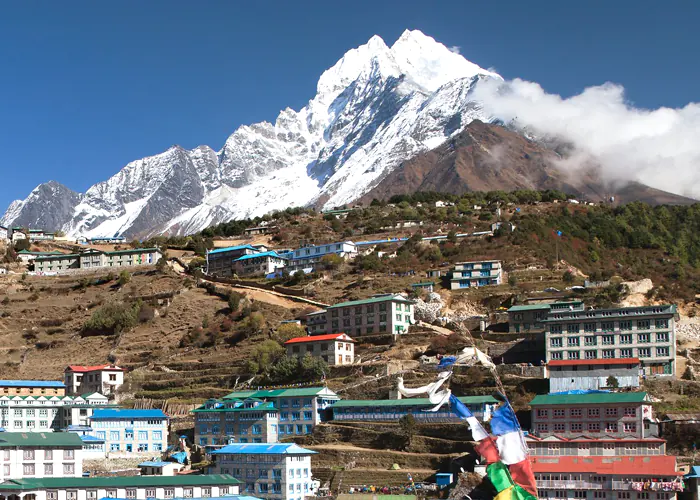
TeahouseYou will use this day to acclimatize your body to the new high altitude. The morning will be spent on a pleasant stroll to Syangboche or to the Everest View Hotel at 3860 meters. Here you will have beautiful sights of Everest, Ama Dablam, Lhotse, and Thamserku in the morning sunshine.
This mini-tour will contribute to adequate acclimatization and will facilitate your further trip. Lunch will be at Namche, and in the afternoon, you can visit the market and Sherpa Culture Museum or just have a warm beverage at your hotel. You will spend the night in Namche.
Maximum Altitude
3,860 m. Meals
Breakfast, Lunch and Dinner Trek Duration
3 Hours Trek Accomodations
TeahouseYou will also start the day with a beautiful walk on a scenic trail that will provide you with one final beautiful view of Everest. Then the trail curved gently up toward the lovely summit of Ama Dablam. You will stop at a little vantage point and have tea, and then go on through a beautiful woodland trail.
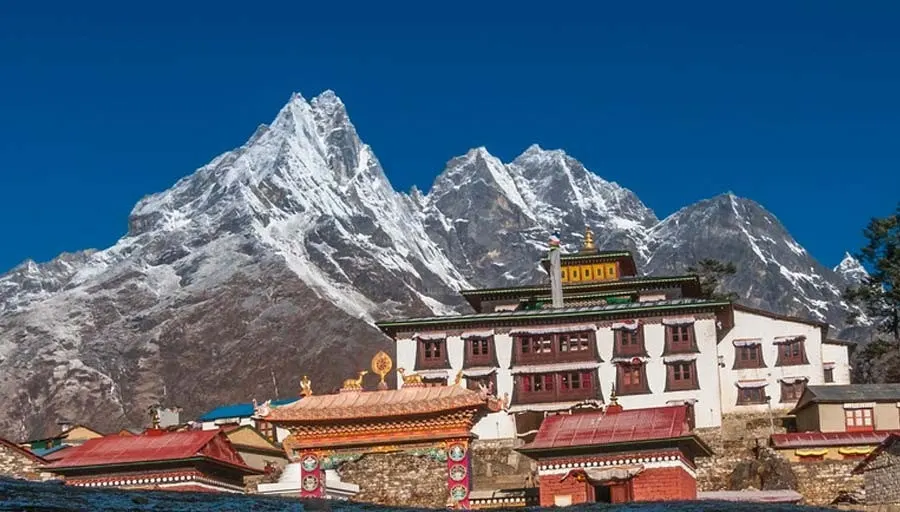
You will have lunch at Phunki Tenga at 3400 meters, then begin a gradual climb through a forest of birds and rhododendron trees. It will take you until late afternoon to arrive in the spiritual village of Tengboche at 3867 meters.
Tengboche is known as a famous place with its monastery and the panoramic views of Everest, Lhotse, and Ama Dablam. You will just be in time to see the preparations for the Mani Rimdu festival. You will spend the night in a nice teahouse.
Maximum Altitude
3,867 m. Meals
Breakfast, Lunch and Dinner Trek Duration
6 Hours Trek Accomodations
TeahouseYou will also be celebrating this special day in the Mani Rimdu festival, one of the most sacred days in the Everest region. All the air of the Tengboche Monastery is overwhelmed with prayers, chanting, incense, and traditional music.
You will observe monks in ancient mask dances that transmit Buddhist precepts through graceful moves and symbolic gestures.
You will also get an opportunity to view quietly how a sand mandala, which was a delicate and meaningful artwork created by the monks.
Kindness and respect are present in a variety of individuals, such as local families, visitors, and monks. You will have the festival all day and spend the night at Tengboche.
Maximum Altitude
3,867 m. Meals
Breakfast, Lunch and Dinner Trek Duration
Full Day Observation Accomodations
TeahouseAfter a nice breakfast, you will take your return trip. The road leads down the forest in a quieter way, and it goes past the village of Deboche. You will pass again across the Imja Khola and head towards Namche Bazaar.
You will proceed after appreciating the known scenery, along the Dudh Koshi river until you arrive at Monjo, which is 2,835 meters. It is a pleasant place to rest, and the environment of this village is very calm.
You will have a comfortable teahouse to spend the night, and you can have a relaxing evening.
Maximum Altitude
2,835 m. Meals
Breakfast, Lunch and Dinner Trek Duration
6 Hours Trek Accomodations
TeahouseYou will have a wonderful last day of trekking as you pass Monjo to Lukla. The path takes one through woods, Sherpa homes, and tiny villages. This will be your final crossing of the river Dudh Koshi, and you will slowly ascend to Lukla, at 2,860 meters.
By the time you reach Lukla, you will be relieved and proud to have completed the Everest Mani Rimdu festival trek. You will celebrate with your guides and porters in the evening, and spend the night in a teahouse peacefully.
Maximum Altitude
2,860 m. Meals
Breakfast, Lunch and Dinner Trek Duration
6 Hours Trek Accomodations
TeahouseYou will fly very early in the morning out of Lukla to Kathmandu. You will also have a final view of the beautiful Himalayan mountains during the flight. When you reach Kathmandu, we will take you to your hotel.
The remaining day will be at leisure to sightseeing, shopping, or resting. You will attend a farewell dinner with Nepali traditional dishes and music in the evening.
You will have a pleasant time sharing your experiences and memories. You will spend the night at your nice hotel.
Maximum Altitude
1,320 m. Meals
Breakfast Accomodations
3 Star Hotel Transportation
35 minutes FlightYou will have breakfast at your hotel and have some leisure time to relax or do some shopping. You will be safely and respectfully transferred to Tribhuvan International Airport when your departure time is close.
You will remember Nepal as a land of beautiful memories of the Everest Mani Rimdu festival trek, mountains, and the kind people you met during the journey.
Maximum Altitude
1,320 m. Meals
Breakfast Transportation
15 minutes Drive
The Everest Mani Rimdu festival trek is graded moderate in difficulty. You will trek 4–6 hours on many days, often on steep and rocky mountain trails. The highest altitude on this trek is 3,867 m at Tengboche Monastery, which is below the extreme altitude of 5,000 m.
Still, walking at these heights requires good physical fitness and acclimatization. Expect rocky and sometimes uneven paths. Trekking poles can help reduce strain on knees.
Porters carry heavy gear, so you trek with a light daypack. Tea houses are basic two-person rooms with shared bathrooms. Compared to longer Everest Base Camp treks, the Mani Rimdu trek is slightly shorter but includes festival events rather than higher elevations.
Preparation with some cardio training will make daily walks feel easier, and the acclimatization day ensures a safer climb.
On the Everest Mani Rimdu festival trek, late October and early November provide clear skies and ideal weather. Autumn weather is usually dry and stable, giving excellent mountain views.
Temperatures in the valleys are cool during the day (around 10–15°C) and drop at night (possibly below 0°C above 3,000 m). Nights in autumn can be very cold. Dress in layers – an insulating layer with a waterproof shell is ideal.
You’ll likely see snow on the peaks, and you will walk through rhododendron and pine forests that stay mostly green in autumn; if you want to see rhododendron flowers, spring (March to May) is the best time.
Spring (March–April) is another good season for clear views, but the Mani Rimdu festival is specifically in the fall. Avoid the monsoon season (June–Sept) as trails become muddy and flights are often canceled.
During the Everest Mani Rimdu festival trek, you will enjoy simple and warm meals served in mountain tea houses. Most foods are Nepali, and the most common dish is dal bhat, which is a plate of rice, lentil soup, and vegetables.
You will also find soups, noodles, pasta, fried rice, and vegetable curries. Breakfast is usually porridge, eggs, toast, or pancakes.
Vegetarian options are widely available, and some places also offer a few basic Western dishes. If you have a special diet, you can tell your guide in advance, and they will try their best to help you. You should drink only safe water.
Do not drink tap water or water that has not been boiled. You can use purification tablets or buy boiled water from the teahouses.
It is also helpful to carry snacks like nuts, chocolate, and energy bars for long walking days on the Everest Mani Rimdu festival itinerary. Tea, coffee, and soft drinks are sold in most tea houses.
To avoid stomach problems, eat freshly cooked food and carry bottled or treated water. In Kathmandu, you will have many restaurants to choose from before or after the trek.
Since the Everest Mani Rimdu festival trek goes above 3000 meters, you need to be careful about altitude sickness. Common signs include headache, tiredness, nausea, loss of appetite, and dizziness.
The typical symptoms involve headache, fatigue, nausea, loss of appetite, and dizziness. Tengboche at 3867 meters is the highest point of the trek; it is moderate yet needs attention.
Slow walking, sufficient intake of water, and having an acclimatization day in Namche Bazaar will allow your body time to adapt. Your guide will help you to drink frequently and pay attention to any early symptoms.
Some trekkers take medicine like Diamox, but only after talking to their doctor. Always listen to your body. If the symptoms become stronger, the safest action is to go down to a lower place.
Guides carry a first-aid kit and basic emergency supplies, and they know what to do if a situation becomes serious or if oxygen or helicopter evacuation is needed.
In the case of the Everest Mani Rimdu festival itinerary, insurance that incorporates helicopter evacuation is of great importance to your safety.
This walk takes a lot of stamina to enjoy. Pre-training cardio exercises, such as hiking, running, or cycling 3-4 times/week for a month, will be helpful. Practice long walks on hilly terrain or climb stairs to mimic trekking.
Strengthen legs with squats and lunges. You should comfortably trek 4–6 hours a day with a daypack. Training with a loaded backpack (~5–10 kg) can simulate trek conditions. Yoga or stretching improves flexibility.
The trek includes some 6-hour days; being fit will make these days enjoyable. Use trekking poles to reduce fatigue on steep trails. No prior high-altitude experience is mandatory, but being fit and prepared for altitude will greatly enhance safety and fun on this trek.
To join the Everest Mani Rimdu festival trek, you will need a Nepal visa. You can get the visa when you arrive at Kathmandu airport or apply online before your trip. You can choose a fifteen-day or thirty-day visa depending on how long you plan to stay.
In trekking, there are several permits required. They are the Sagarmatha National Park entry permit at an approximate of thirty United States dollars, and the Khumbu Pasanglhamu Rural Municipality permit at an approximate of twenty United States dollars.
This festival trek of the Everest Mani Rimdu does not need a separate TIMS card. All the required permits can be obtained by your trekking company.
Carry passport photos and a photocopy of your passport for the permit process. You do not need a special festival permit to watch Mani Rimdu.
The only requirement is to follow the local rules and respect the customs as you move through the villages and monasteries along the EBC Mani Rimdu festival itinerary.
Your safety is very important during the Everest Mani Rimdu festival trek. The most common health issues are altitude sickness, dehydration, and small injuries like blisters.
You should drink only boiled or treated water and wash your hands often. Use hand sanitizer, sunglasses, and sunscreen to protect yourself from the strong mountain sun.
Your guide will carry a first aid kit, basic medicines, oxygen, and emergency equipment. It is also a good idea to carry a small personal kit with bandages, pain medicine, and any personal medication you need.
Many travelers take vaccines for Hepatitis A and Typhoid after consulting a travel doctor. Wear comfortable layers because the weather can change quickly in the mountains. In lower villages, you may also need insect repellent.
You are advised to consume boiled or treated water and wash your hands frequently. Keep in mind to use hand sanitizer, sunglasses, and sunscreen in order to avoid the strong mountain sun. The first aid kit, basic medicines, oxygen, and emergency equipment will be carried by your guide.
Attending the Mani Rimdu festival, do not disrespect the local traditions. Do not wear shoes in temples, and do not take photographs of masked dances without their consent.
The mountain area has very minimal medical facilities, and so in case you feel sick, you had better take a nap or go to a low elevation at an early stage. This is an important part of staying safe on the Everest Mani Rimdu festival itinerary.
This trek includes one round-trip flight between Kathmandu and Lukla. Flights to Lukla are short (35–40 min) and operate daily in good weather.
In the main trekking seasons, some flights may operate from Manthali (Ramechhap) instead of directly from Kathmandu, and your trekking company will inform you if this applies. These mountain flights provide spectacular views but are often affected by weather delays.
Plan flexibility for early morning flights or occasional delays. Transfers between the Kathmandu airport and hotel are by private vehicle. There is no road access to Lukla, so the only way in and out of the trek is by plane (or helicopter).
During trekking days, all travel is on foot on mountain trails. Luggage weight is limited on the Lukla flight (usually 10 kg per person for checked baggage). Porters can carry extra gear; arrange that in advance.
In emergencies, helicopter flights can evacuate trekkers from the Everest region to Kathmandu (if insured). Life Himalaya Trekking handles all domestic flights and trekking logistics for you.
Travel insurance is essential for the Everest Mani Rimdu festival trek. Your insurance must cover high-altitude trekking and emergency medical care. It should also include helicopter rescue because evacuation can be necessary in cases of altitude sickness or accidents. Make sure your insurance covers trekking above at least four thousand meters.
Carry a copy of your insurance details and emergency contact numbers with you at all times. It is also a good idea to share your EBC Mani Rimdu festival itinerary with your embassy or travel office before you begin the trek. Keeping a printed copy of your insurance papers in your day pack will help in case of an emergency.
No other trek focuses on Mani Rimdu the way this Everest Mani Rimdu festival trek does. For a different adventure, trekkers often continue to Everest Base Camp (EBC) after Tengboche; this extended route is often called the Everest Base Camp (EBC) Mani Rimdu festival itinerary.
After the festival, the trail can extend via Dingboche and Lobuche to EBC (5,364 m) and Kala Patthar (5,545 m) over 4–5 additional days.
Other options: reverse the route (e.g., trek out via Jiri or Ramechhap instead of Lukla, or add a Gokyo Lakes circuit), or arrange a helicopter pickup from Namche or Tengboche (for extra cost) to skip walking out.
Any alternative route requires new permits and arrangements; discuss with Life Himalaya Trekking to customize your plan.
In addition to the tour price, budget for personal items. Most tea houses charge about 300–500 NPR (USD $3–5) for hot showers and phone charging; bring cash for these services.
Drinks (tea, coffee, soda) cost extra, as do snacks and alcohol (only available in lower villages). Carry at least USD 200–300 or equivalent in Nepali rupees for incidentals.
Tipping your guide and porters (total ~10% of trip cost) is customary, paid in USD or NPR. Visa fees, gifts, extra laundry, and souvenirs are also your expenses.
Meals in Kathmandu outside the package and any activities not in the itinerary (like city tours) are extra. Keep small denominations of cash; ATMs are only in Kathmandu and Namche Bazaar.
Nepali is the official language, and Sherpas speak their own dialect. In the Everest region, you’ll also hear Tibetan Buddhist chanting. Most guides and teahouse staff speak English in tourist areas like Lukla, Namche, and Tengboche. Learn a few phrases: “Namaste” (hello), “Dhanyabad” (thank you).
Mobile phone coverage (NTC or NCell networks) is available intermittently in Lukla, Namche, and a few villages. Expect no coverage above Namche.
Teahouses in Namche and Lukla often offer paid Wi-Fi, but speeds are very slow. Teahouses and restaurants in Kathmandu provide good cell/Wi-Fi. It’s polite to greet locals with a smile; showing interest in their culture goes a long way.
Even on the Everest Mani Rimdu festival trek, mobile network coverage is spotty. You’ll have cell signal in Kathmandu, Lukla, and Namche, but almost none beyond Namche or in Tengboche. Wi-Fi may be available for a fee at some teahouses (primarily in Lukla and Namche), but expect slow speeds.
Kathmandu has plenty of internet cafes and free Wi-Fi at most hotels. Most teahouses and guesthouses provide shared power outlets (220V) for charging phones and cameras.
Note that electricity is often solar-powered, so plan to charge devices in the morning or when you first arrive. Bring extra batteries or a portable power bank.
Some teahouses charge a small fee for phone charging. Carry a universal travel adaptor (Type C/D/M sockets are used in Nepal).
During the Everest Mani Rimdu festival trek, be especially respectful at religious sites. Do not photograph monks or ritual dances without permission and without disabling the flash.
Avoid pointing your feet at sacred objects or stepping on prayer flags. Do not touch monks or disrupt ceremonies. Avoid drinking tap water. Stay with your group and guide at all times; don’t wander off alone.
Do not leave any litter or dispose of waste improperly – pack out all trash and toilet paper. Do not chew betel nut (a red nut locals chew) or smoke inside teahouses.
Keep your voice low in temples and during ceremonies. Respect local customs and patience; flights and schedules may change due to weather.
Many travelers choose to spend a few extra days in Nepal before or after the Everest Mani Rimdu festival trek. A popular choice is to continue toward Everest Base Camp through Dingboche and Lobuche and climb Kala Patthar for a close sunrise view of Everest. This adds about four to five days.
If you have more time, you can follow the Gokyo Lakes route and cross Cho La Pass, which takes around three weeks. After finishing the Everest Mani Rimdu festival trek, you can also enjoy a jungle safari in Chitwan, visit peaceful Pokhara, or explore cultural sites in Kathmandu, such as Pashupatinath or Bhaktapur.
It is helpful to keep one or two extra days in Kathmandu because Lukla flights may be delayed. Life Himalaya Trekking can arrange extensions or helicopter transfers if needed.
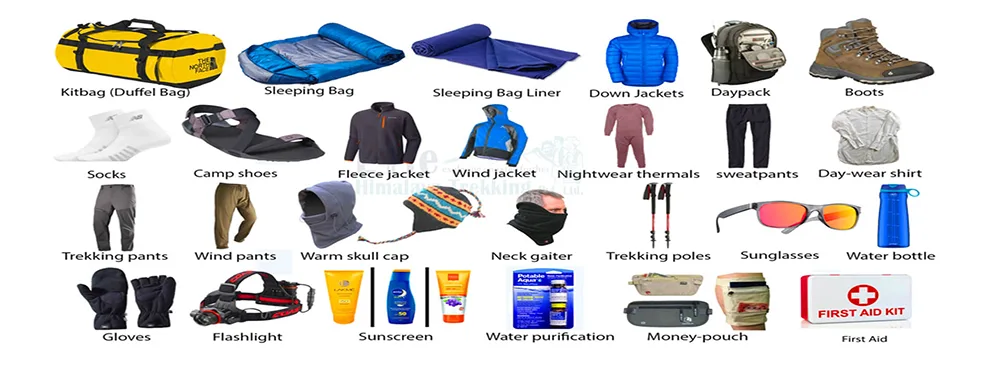
During the initial days of your visit to the Everest Mani Rimdu festival trek, warm clothes are required as it is cold at night. Carry heavy hiking shoes, toilet paper, and hand sanitizer. Bring sunscreen, lip balm, purification tablet with sunscreen, reusable water bottle, and sunscreen.
Go slowly and follow your guide on the list of activities at the Everest Mani Rimdu festival. Carry small snacks like nuts or energy bars and bring small Nepali money in case of purchasing tea house things.
Simple greetings, such as Namaste, can be learned to complement the whole experience. Above all, come with an open mind and feel the culture and the festival.
The Everest Mani Rimdu festival trek is a ten-day journey in the Everest region. You will enjoy peaceful mountain trails and attend the Mani Rimdu festival at Tengboche Monastery. The trek combines Himalayan scenery with Sherpa culture and Buddhist ceremonies.
The festival is held in late October or early November, based on the Tibetan lunar calendar. It lasts for three days and includes prayer rituals, mask dances, and blessings.
The trek takes place in the Khumbu region of Nepal. You will take a flight to Lukla and trek through Phakding, Namche Bazaar, and Tengboche within Sagarmatha National Park.
There are Lukla flight views, Everest/Ama Dablam views, Sherpa villages, and the Mani Rimdu festival in Tengboche. It is a beautiful mix of nature and culture.
The trek is moderate. You walk about four to six hours a day and reach just under four thousand meters. A basic fitness level is helpful. There is an acclimatization day in Namche to make the journey safer.
The best time is during the Mani Rimdu festival in late October to early November. The weather is clear and pleasant. Spring is also good for trekking, but the festival happens only in autumn.
You need a Nepal visa, a Sagarmatha National Park permit, a Khumbu Pasang Lhamu permit, and a TIMS card. Your trekking company will arrange these for you.
No. You do not need previous high-altitude trekking experience. Being fit and having some hiking practice is enough. Your guide will help you adjust to the elevation.
You will stay in simple tea houses with twin rooms and shared bathrooms. They provide warm blankets. In Kathmandu, you will stay in a comfortable hotel.
Yes. A licensed guide and porters are included. Your guide will help with permits and cultural information, and the porters will carry most of your heavy bags.
The package usually includes Kathmandu to Lukla flights, all trekking permits, a guide, porters, meals during the trek, tea house stays, and airport transfers. Personal expenses, drinks, insurance, and international flights are not included.
Yes. Insurance is required. It must cover high altitude trekking and emergency helicopter rescue.
Yes. You can continue to Everest Base Camp and Kala Patthar by adding four to five extra days. Many travelers choose this EBC Mani Rimdu festival itinerary extension.
You will get a mobile signal in Lukla and Namche. Wi Fi is slow and available only in a few teahouses. Above Tengboche, the signal is limited.
Drones need a special government permit and are not allowed in Sagarmatha National Park without approval. Drones should not be flown during religious ceremonies.
Pack warm layers, a good jacket, trekking boots, gloves, a hat, sunglasses, sunscreen, lip balm, a water bottle, and personal medicine. Snacks like nuts and energy bars are useful.
You will eat Nepali and Tibetan style meals such as dal bhat, soups, noodles, pasta, and momos. Breakfast usually includes eggs, porridge, or toast. Drink only boiled or treated water.
Walk slowly, drink plenty of water, follow your acclimatization plan, and avoid alcohol. Tell your guide if you feel unwell. Medicine like Diamox may help if your doctor approves.
Nepalese Rupees are used everywhere. Kathmandu and Namche have ATMs, but higher villages do not. Bring enough cash for snacks, Wi Fi, or small expenses.
Yes. Tipping guides and porters is customary. You can tip at the end of the trek to show appreciation for their help.

top rated - Based on 200 TripAdvisor & 93 Google Reviews
We plan custom and flexible holiday trips according to your holiday duration, extra wishes, and demands.
Plan your Trips
Chat with our Travel Designer Shiba
Need assistance? Our expert agent is here to help! Please fill out the form below to initiate a chat and get your queries resolved quickly.