

 English
 Dutch
Dutch Japanese
 Hindi
Hindi Italian
 Spanish
 French
 German
 Chinese
 Korean
 Arabic
 Hebrew
 Russian
 Portuguese
 Danish
 Czech
Czech Polish
 Swedish
Plan Your Next
Journey to the Himalayas!
We plan custom and flexible holiday trips according to your holiday duration, extra wishes, and demands.
Plan your Trips
Nepal, a country nestled in the lap of the Sangrila Himalayas, is a destination that merges natural grandeur with profound spiritual and cultural richness. From the towering “roof of the world” of Mount Everest to the peaceful birthplace of Lord Buddha, Nepal is home to countless landmarks that captivate travelers worldwide.
As 2026 approaches, here’s your ultimate travel guide to the Top 10 Iconic Landmarks in Nepal that you absolutely must visit. Whether you are a trekker, a spiritual seeker, or a culture enthusiast, these spots offer unforgettable experiences.
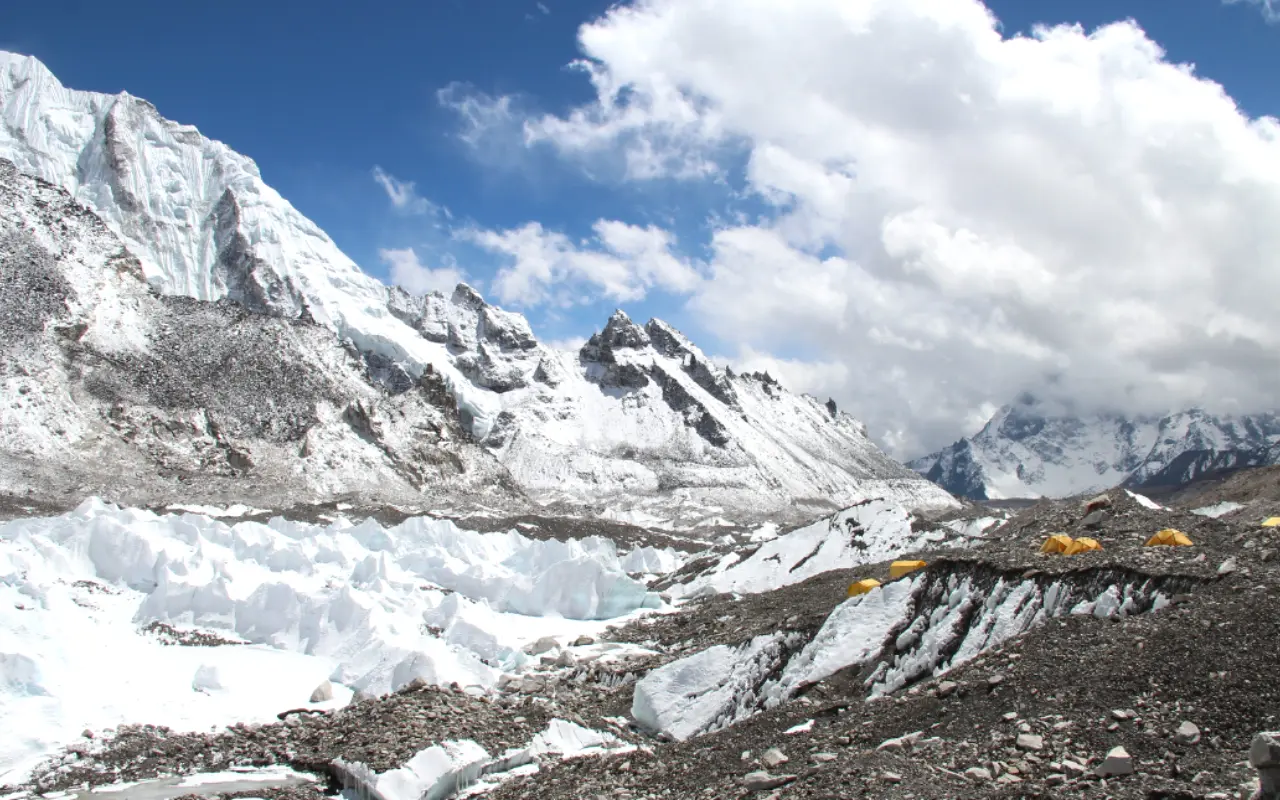
Location: Solukhumbu District, Khumbu Region
Elevation: 5,364 meters (17,598 feet)
Best Time to Visit: April–May & September–November ( however, to avoid high traffic, EBC Trek can be done throughout the trek in all four seasons, especially during December for snowy weather and monsoon for greener flora and animal sightings.
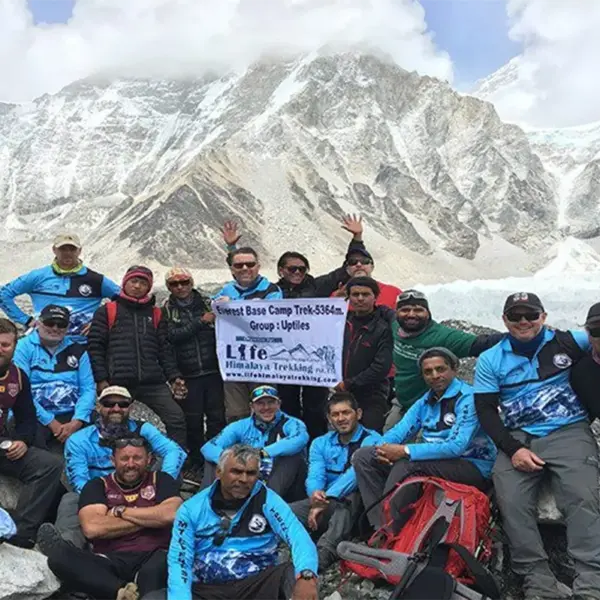
Nepal, a country nestled in the lap of the Sangrila Himalayas, is a destination that merges natural grandeur with profound spiritual and cultural richness. From the towering “roof of the…
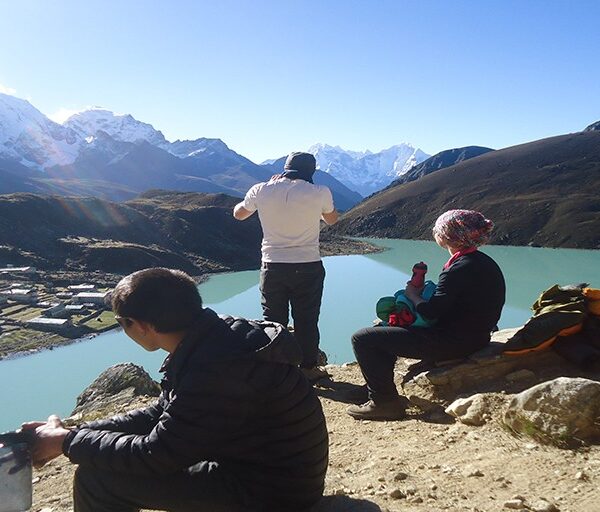
No landmark defines Nepal better than the majestic Mount Everest, the world’s highest peak. Trekking to Everest Base Camp (EBC) is a dream for many adventurers.
We, Life Himalaya Trekking, offer an experience, not just a tour package. The journey itself is more than just a hike—it’s a spiritual pilgrimage through the heart of the Himalayas. Along the way, travelers pass through scenic Sherpa villages, Buddhist monasteries, yak pastures, and rhododendron forests. Cultural immersion is just as compelling as the natural beauty.
With infrastructure improvements along the Lukla route, better service, and digital trekking permit systems in place, 2026 is the ideal time to go. The trek has become safer and more sustainable.
Pro Tip: Acclimatization is key. Spend an extra day in Namche and/or Dingboche to prevent altitude sickness.
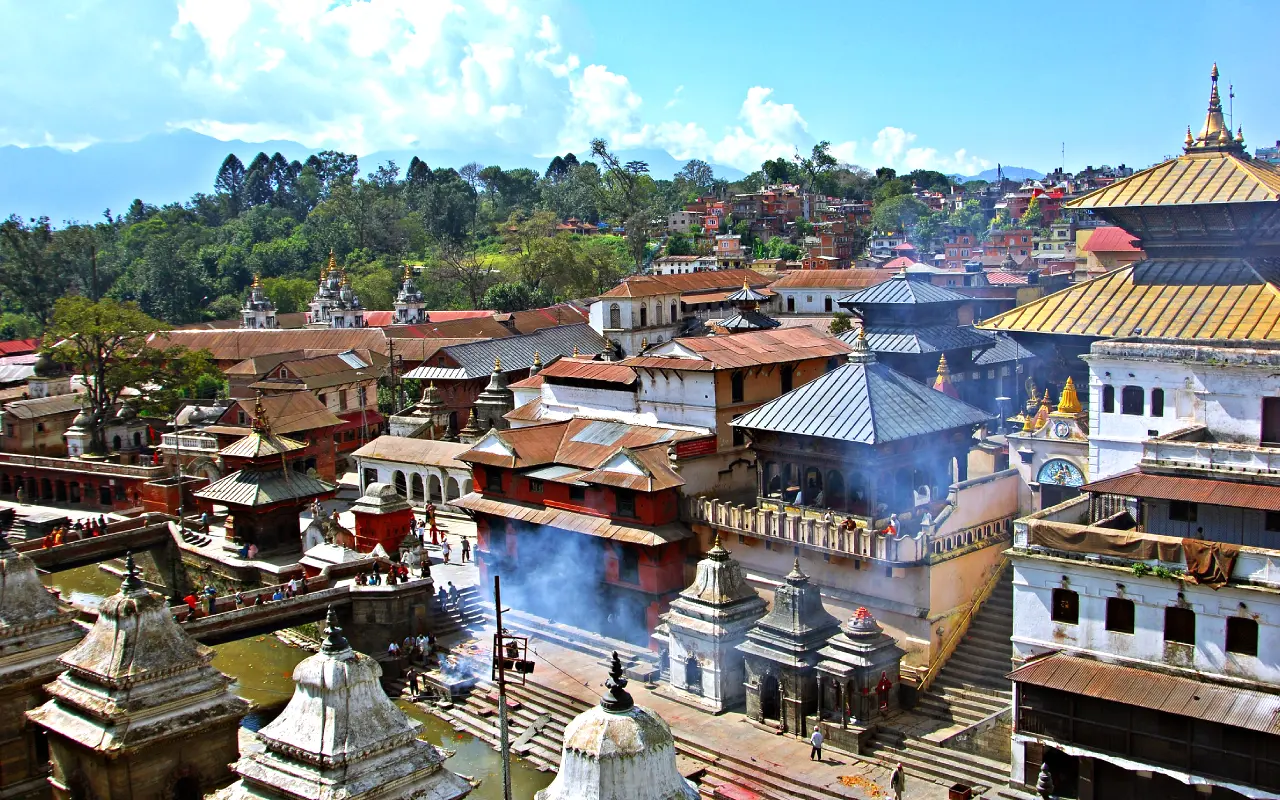
Location: Kathmandu
UNESCO Status: World Heritage Site
Best Time to Visit: All around the year,
Pashupatinath is one of the holiest Hindu Temples. It is a temple dedicated to the Hindu Lord Shiva; however, there are many small temples surrounding the temple dedicated to different Hindu deities.
It’s a sacred site with living cultural heritage and beliefs. Golden Roofs, Shrines, Ghats, and Ashrams situated across the Bagmati River make the Temple Area a spiritual place to witness various cultural and spiritual experiences.
Kathmandu Buddhist Monuments Tour
Nepal, a country nestled in the lap of the Sangrila Himalayas, is a destination that merges natural grandeur with profound spiritual and cultural richness. From the towering “roof of the…
Hindu Pilgrims travel from India, Sri Lanka, and even Bali to pay homage here. During the annual Maha Shivaratri festival, over a million devotees gather for one night of devotion. Not only that, the cremation and Evening aarti is a spiritual experience to watch for all nationalities and religions from all around the world.
Non-Hindus aren’t allowed inside the main temple, but still, all the trekkers can explore the surrounding area freely and witness the atmosphere.
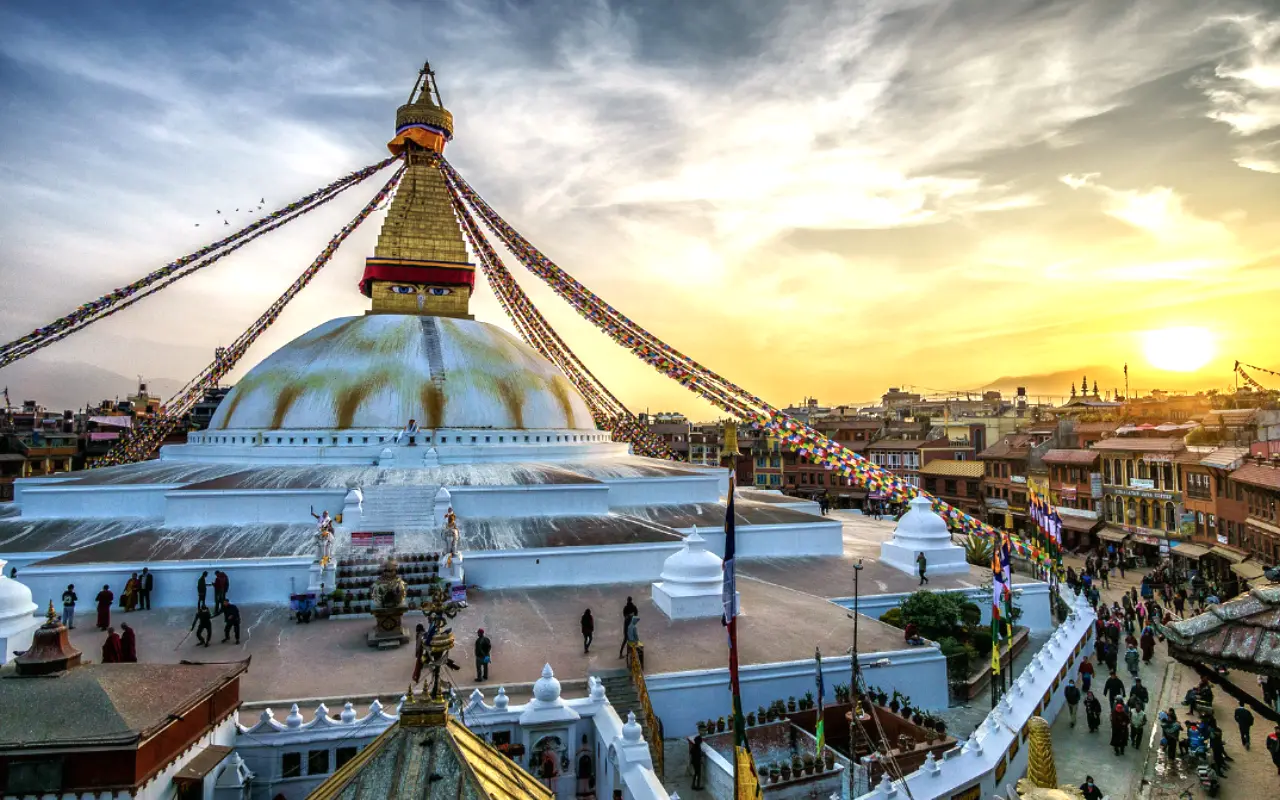
Location: Kathmandu
UNESCO Status: World Heritage Site
Best Time to Visit: All around the year.
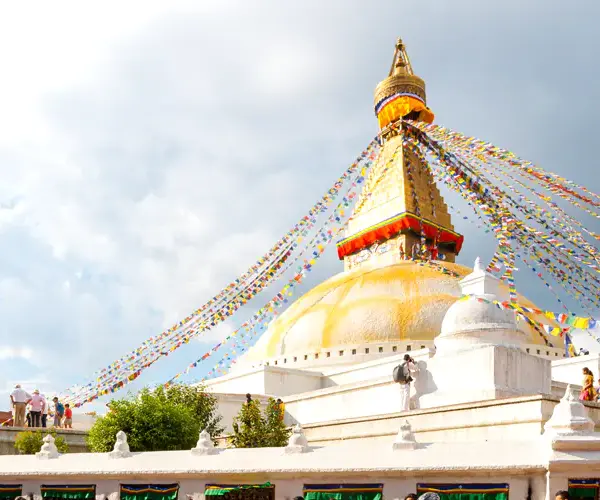
Boudhanath is one of the most calming, peaceful, awe-inspiring, and one of the Top 10 iconic landmarks in Nepal; you must visit in 2026. Boudhanath is the spiritual hub for Buddhism. The stupa, the meaning, and the symbol of the Stupa leave the visitors in spiritual awakening and a sense of calm.
One can enjoy the rooftop view from the surrounding restaurants and observe the morning sip of coffee or a cozy evening dinner.
Experience Tip: Visit early in the morning or in the evening, when monks and local devotees chant “Om Mane Padme Hum” and other chants.

Location: Kathmandu
Best Time to Visit: All Around the Year
Overlooking the Kathmandu Valley from a Hillock, Swayambhunath is a center of history, mythology, and breathtaking views of the Kathmandu Valley and surrounding hills. According to Tibetan and Buddhist legends, the site was a mysterious blooming lotus that bloomed in the lake that once filled the valley.
Unique in its relevance to both the Hindu and Buddhist communities, it is a place of unity. It shows the diversity of Nepal, and shows how the people live in harmony when they share such beliefs and live in a peaceful and harmonious environment.
The temple complex includes a mix of Buddhist and Hindu shrines, making it a truly syncretic religious site with eyes, symbolizing that Buddha is watching over all of us and judging right from wrong and good from evil.
Visitor Tip: Don’t miss the small museum and local shops nearby for some cultural souvenirs.

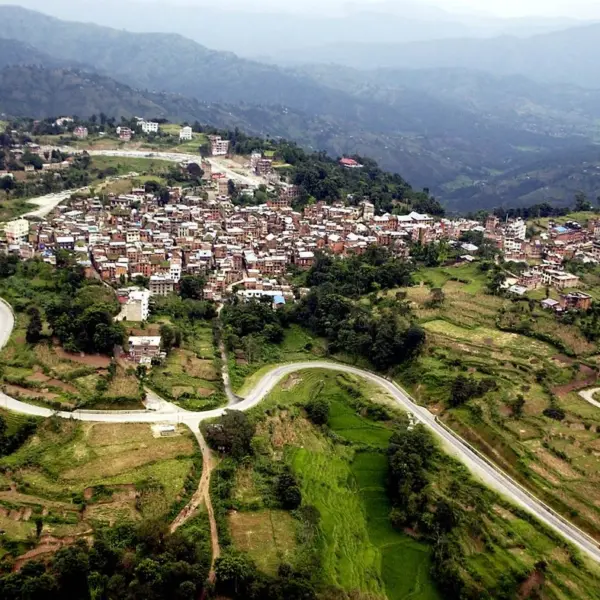
Location: Bhaktapur, 14 km from Kathmandu
UNESCO Status: World Heritage Site
A living museum, Bhaktapur boasts one of the most preserved heritage sites among all three ancient city-states in the valley. Its brick and cobbled streets, red brick buildings, and artisan workshops create a time-travel experience for visitors.
Indulge in a pottery experience in a small local shop with true local people from the area on a pottery making session.
Nepal, a country nestled in the lap of the Sangrila Himalayas, is a destination that merges natural grandeur with profound spiritual and cultural richness. From the towering “roof of the…
Restoration efforts following earthquakes are now largely complete, along with local government reforms, making 2026 the best time to experience Bhaktapur’s grandeur in its revived and well-maintained state.
Don’t miss the famous Juju Dhau (also known as King Curd) – a sweet yogurt served in clay pots.

Location: Rupandehi District, southern Nepal
UNESCO Status: World Heritage Site
Lumbini is not just a site—it’s a global pilgrimage destination. It is the birthplace of Siddhartha Gautama in 623 BC, who became the Gautama Buddha and the pioneer who developed Buddhism. The area is now an international center of peace and learning.
Spend a day walking the tranquil lanes between monasteries and meditating near the sacred pond where Queen Maya bathed before giving birth.

Location: Lalitpur (Patan), within Kathmandu Valley
UNESCO Status: World Heritage Site
Patan is often overshadowed by Kathmandu and Bhaktapur, but its beauty lies in the details of its unique art and architecture.
Patan feels more local and intimate, and its narrow walkways and alleys lead to secret courtyards, water spouts, and artisan homes.

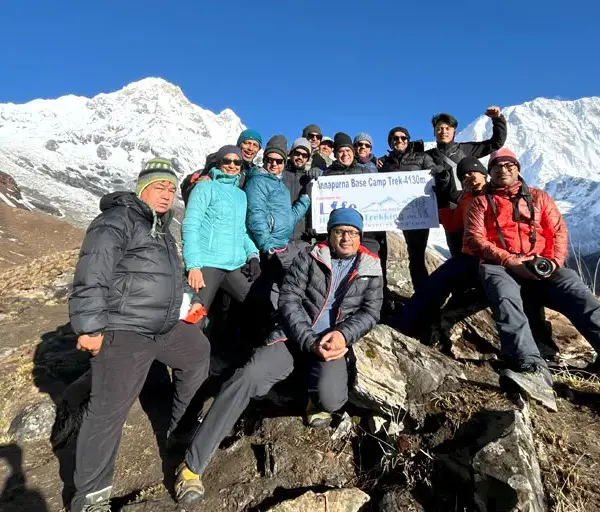
Location: Annapurna Conservation Area
Elevation: 4,130 meters (13,549 feet)
For those seeking a medium-level trek that combines natural beauty, culture, accessibility, and epic views, ABC is unbeatable. The trek is typically 7-10 days long and features tea-house stays, warm local hospitality, and varied scenery.
Nepal, a country nestled in the lap of the Sangrila Himalayas, is a destination that merges natural grandeur with profound spiritual and cultural richness. From the towering “roof of the…
Langurs(monkey), Himalayan monals, and occasional leopards
ABC lies within a conservation area Annapurna Conservation Area; trekkers are encouraged to minimize waste and use refillable bottles.

Location: Kaski District
Pokhara offers a perfect blend of tranquility, peace, and adventure. Pokhara is the city of lakes, especially known for the amazing view of Annapurna and Machhapuchhre massif and the reflection of those ranges on Phewa Lake.
There are 7 major lakes in Pokhara, while Phewa Lake, Begnas, and Rupa Lake are the most popular. Phewa Lakeside is the tourist hub with major restaurants, bars, and pubs. Begnas and Rupa are a little away from the city center and are best for calm, nature-loving loving and those who love less crowded areas.
Whether you’re an adventure lover, a nature lover, or just there for a short time, sitting over the lake or sipping coffee with a mountain view, the city delivers it all
Adventure sports: paragliding, hot air balloon, bungee jumping, zip-lining, ultra-light flights
With new hotels, lake clean-up projects, and international events being held in Pokhara, the city is more welcoming than ever.

Location: Southern Nepal, Terai region
UNESCO World Heritage Site: Since 1984
Best Time to Visit: Jan – Mid June, August-December
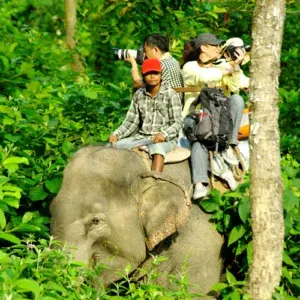
Chitwan is Nepal’s first national park and the first to be a World Heritage Site of Nepal. It offers the best jungle safari, luxurious stay, and relaxing experience in the plains of Nepal and is home to:
Nepal, a country nestled in the lap of the Sangrila Himalayas, is a destination that merges natural grandeur with profound spiritual and cultural richness. From the towering “roof of the…
The Chitwan Jungle Tour offered by Life Himalaya includes all the activities mentioned above.
Stay in Sauraha or Meghauli and explore the vibrant Tharu culture, known for their traditional dance, stick fighting, and unique housing style.
Nepal’s iconic landmarks offer something for everyone—the thrill of the Himalayas, the peace of spiritual sites, and the allure of historical cities. From trekking adventures to meditative retreats, each landmark holds a deep meaning in the cultural and natural landscape of the country.
Whether you’re coming for the mountains, the monasteries, or the museums, 2026 is the year to experience Nepal in its full glory.
Nepal has four primary travel seasons:
Best for trekking (EBC, ABC)
Rhododendron forests in bloom
Festivals like Holi and Buddha Jayanti
Clear skies, stunning mountain views
Major festivals like Dashain and Tihar
Best for city exploration (Kathmandu, Bhaktapur, Patan)
Snow in higher altitudes, quieter trails, best for off-beaten treks.
For endangered animal sightings (Bengal tiger, one-horned rhino), best for city tours and Jungle Safari
If you love going off the beaten path, here are nearby hidden gems you can add to your landmark trip:
Your landmark journey wouldn’t be complete without diving into Nepalese cuisine. Here’s what to eat where:
A list of locations and their must-try dishes
If you’re looking to share your journey on Instagram or keep travel memories, don’t miss these picture-perfect spots:
Respecting local customs enhances your travel experience and fosters goodwill with locals. Here are key tips:
Greet with “Namaste” (hands together, slight bow)
Dress modestly, especially in temples and villages
Ask permission before photographing people
Use your right hand for eating or handling objects
Public displays of affection
Entering temples with shoes or leather items
Pointing feet toward religious objects
Touching someone’s head (seen as sacred)
Nepal, a country nestled in the lap of the Sangrila Himalayas, is a destination that merges natural grandeur with profound spiritual and cultural richness. From the towering “roof of the…
As Nepal’s tourism grows, so does the need for responsible travel. Here’s how you can help:
Life Himalaya Trekking has started sustainable tourism practices from 2025, starting with planting one tree for each traveller with us. We also provide garbage bags to guides, porters, and interested guests, so that we can start an initiative to preserve, protect, and promote the landmarks and trails of Nepal and increase awareness through the grassroots level for a new industry standard.
2026 is a perfect year to visit Nepal. With tourism infrastructure improved, cultural sites restored, and sustainability efforts strengthened, the blend of ancient and adventurous is more accessible than ever. Whether you’re a first-timer or a returning traveler, Nepal’s iconic landmarks will captivate your heart and soul.
Make this the year you wake up to Everest, meditate in Lumbini, and sip tea with a Himalayan sunset.
12 days Everest Base Camp Helicopter Trek (includes EBC, Boudhanath, Kathmandu Durbar Square, Swayambhunath, and Pashupatinath)
Annapurna Base Camp Trek (Pokhara and ABC)
Nepal Culture Tour (Chitwan, Pokhara, Kathmandu Durbar Square, Boudhanath, Swayambhunath, Pashupatinath, Patan, Bhaktapur, Lumbini)
Need help building a custom itinerary? Drop your travel goals in our email [email protected] or visit our website www.lifehimalayatrekking.com for more details on each package.
I have been working in the Tourism sector for 03 decades (31 years to be exact). I have been organizing trekking, climbing, and touring as a porter, guide, and now as a managing director.
Along with that, my team and I have been contributing to local communities, repairing and building new schools, and different CSR projects, planting trees, and keeping the industry moving towards a sustainable path.
In the trekking sector, we also focus on improving the local economy, using only local guides and porters to improve the quality of life of the local people.


We plan custom and flexible holiday trips according to your holiday duration, extra wishes, and demands.
Plan your Trips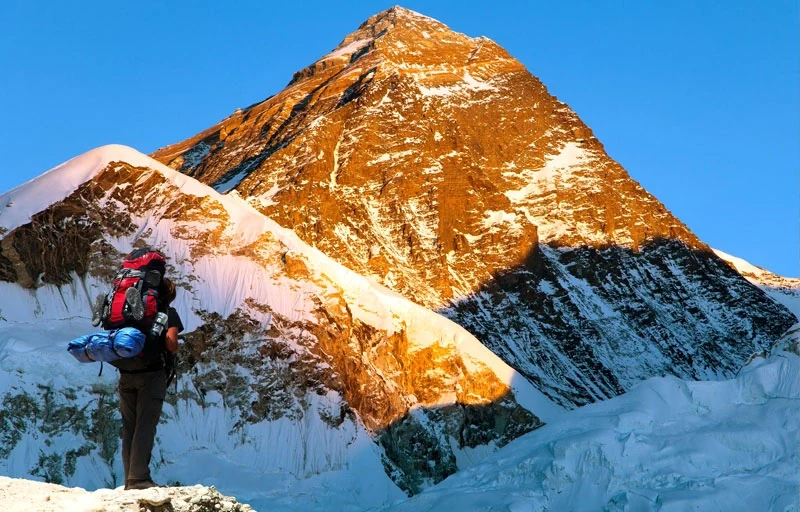
Chat with our Travel Designer Shiba
Need assistance? Our expert agent is here to help! Please fill out the form below to initiate a chat and get your queries resolved quickly.