

 English
 Dutch
Dutch Japanese
 Hindi
Hindi Italian
 Spanish
 French
 German
 Chinese
 Korean
 Arabic
 Hebrew
 Russian
 Portuguese
 Danish
 Czech
Czech Polish
 Swedish
Plan Your Next
Journey to the Himalayas!
We plan custom and flexible holiday trips according to your holiday duration, extra wishes, and demands.
Plan your Trips
When most people hear about the Everest Base Camp Trek, the one thing that comes to their mind is standing at the base of the world’s tallest mountain, Mt. Everest. Most people think this is just a journey to enjoy nature, the breathtaking Himalayas, thrilling suspension bridges, and the challenges of trekking. But the EBC trek is more than just a mountain adventure; it is also a living museum of Himalayan biodiversity where one can explore rare alpine flowers and endangered wildlife.
Once you begin your trek from Lukla town, you will pass through one of the most biologically diverse mountain ecosystems on the planet. From lush rhododendron jungles and alpine meadows to rare Himalayan wildlife and centuries-old monasteries, you will have new experiences and memories each day on the trek in Nepal’s Khumbu region.
Most of the trek of this Everest Base Camp Trek Flora and Fauna Guide lies within the Sagarmatha National Park, a protected area and popular UNESCO-listed World Heritage Site. The wildlife in this park includes some rare species such as the snow leopard, red panda, and more than 200 species of birds, turning it into heaven for nature lovers and adventurers.
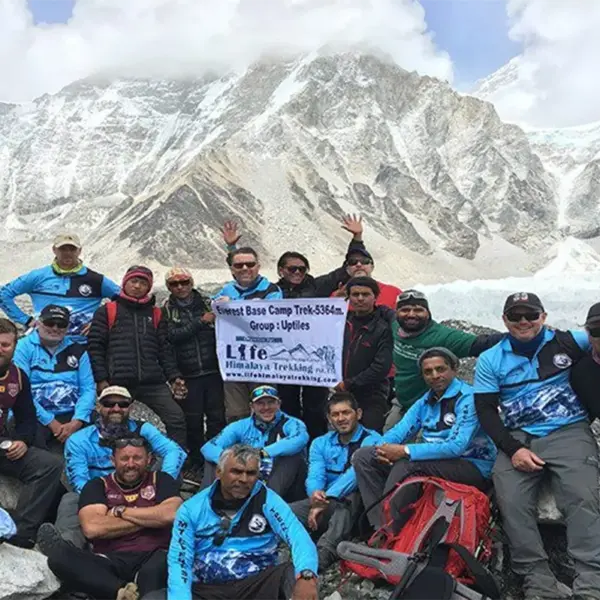
When most people hear about the Everest Base Camp Trek, the one thing that comes to their mind is standing at the base of the world’s tallest mountain, Mt. Everest.…
Depending on the season, trekkers can encounter blooming rhododendron forests in spring, clear mountain vistas in autumn, and active wildlife preparing for winter. Even in the monsoon season, trekkers can witness wildflowers and medicinal herbs flourishing. Each season will leave you stunned with its uniqueness, no matter which time you visit here.
Everest Base Camp Trek Flora and Fauna Guide is your companion through all these things, to help you recognize, value, and respectfully watch the spectacular nature of this extraordinary region, and at the same time, enjoy the trekking journey in the Everest region as much as you want.
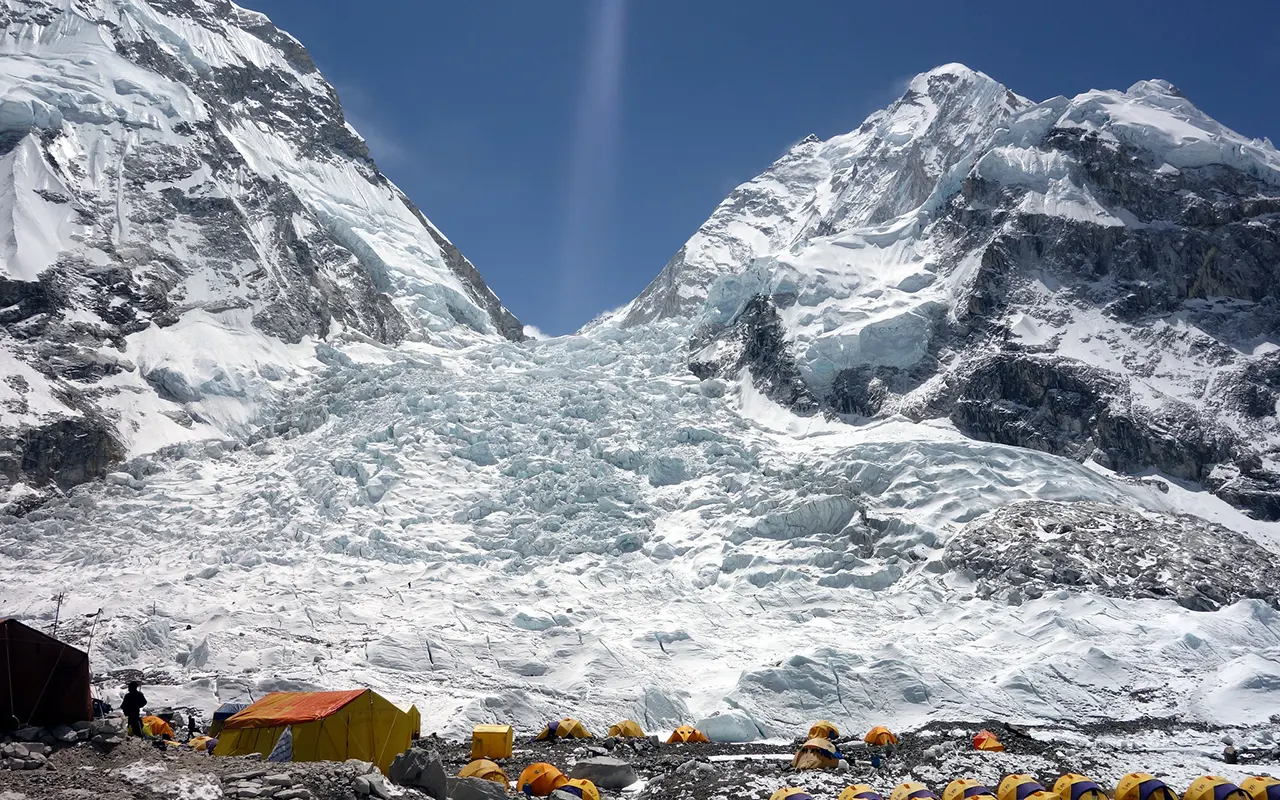
Geography of the Khumbu Region
Everest Base Camp Trek is located in the splendid Khumbu, or Everest, area of northeastern Nepal. The Khumbu region showcases stunning, wide-open scenery like rough mountain lands, glaciers, rivers, woods, and the most beautiful, famous Himalayas. This region is also the home to the Sherpa community, having its own distinct culture and history.
Mountain peaks in the Khumbu region are situated close to Tibet’s border. Among the well-known and often snow-covered peaks of mountains, at the same time, Everest, Ama Dablam, Lhotse, Nuptse, and Cho Oyu are visible while hiking the EBC trail. Despite less welcoming weather, these high elevation areas form a peculiar setting where different animals and plants co-exist.
The Everest Base Camp trek starts in Lukla. This small mountain town is at 2860 meters high. From here, the route passes through lovely Sherpa villages like Phakding, Namche Bazaar, Tengboche, Dingboche, Lobuche, and Gorak Shep before reaching legendary EBC at 5364 meters. As you gain altitude slowly while walking through different villages each day, the landscapes also gradually change.
You can see the trail covered with jungles filled with fir, pine and rhododendron trees. As you go up higher you see bushes, grasslands and rough mountain landscapes. Above 4000 meters you find little vegetation because of the cold and tough conditions. Only a few plants that can survive in the high-altitude climate are visible. The big change in the ecosystem makes the Everest Base Camp trek special and satisfying.
Sagarmatha National Park
Sagarmatha National Park was established in 1976, covering more than 1100 square kilometers, which protects the core of the Everest Base Camp Trek flora and fauna guide route. This park made history in 1979 by being included in the UNESCO World Heritage Sites for its exceptional natural beauty and ecological importance. After reaching Monjo, trekkers enter the entrance of this park to continue their journey to the heart of the mountains.
This park plays a very crucial role in preserving the Khumbu region’s unique fauna and flora. Many rare and high-altitude species live within its boundaries, making it a sanctuary for Himalayan biodiversity. Due to its outstanding contribution to conservation, we can enjoy its raw natural beauty and pass it on to future generations. Not only wildlife and plants, but it is also home to centuries-old monasteries, villages, and sacred sites. Thus, this park also represents the cultural identity of the Sherpa people, making the Everest region even more special.
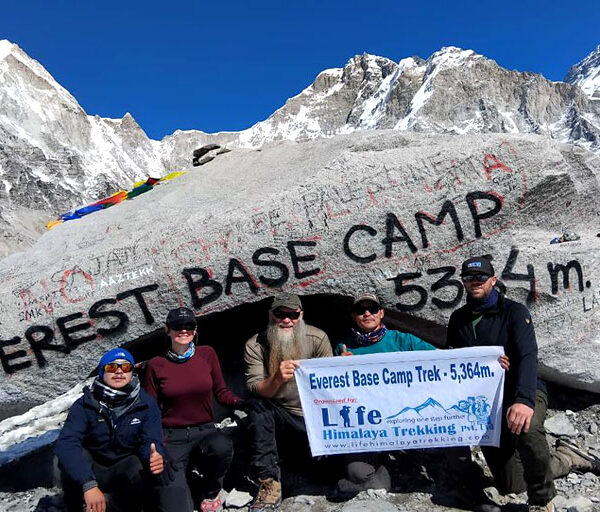
When most people hear about the Everest Base Camp Trek, the one thing that comes to their mind is standing at the base of the world’s tallest mountain, Mt. Everest.…
Vegetation Zones Along the Trail
Once you set off on your journey in the Khumbu region, you will have the lifetime opportunity to walk through the dramatically transitioning vegetation as you gain elevation.
Lower Himalayan Forests (2,500–3,500m)
The lower Himalayan forests lie between the routes of Luka, Phakding, and Monjo. You can see the dense forest of pine, oak, birch, juniper, and fir crowding the hillsides. During springtime, the trail is lined up with blooming rhododendron flowers. Small mammals and birds live in this area.
Sub-Alpine Zone (3,500–4,000m)
As you continue your journey towards Namche Bazaar, one of the lively towns of the Everest region, and Dingboche, you will notice dense forest begins to thin out. Rhododendron flowers dominate this subalpine zone. Likewise, juniper, hardy shrubs, and birch are also widely spread here.
Alpine Zone (Above 4,000m)
Once you trek higher than Dingboche Village, you will see harsh landscapes and trees disappear completely. Here, only a few hard species can grow despite the extreme conditions of the high-elevation environment. You could see little alpine flowers growing amid the rocks at Lobuche and Gorak Shep, such as gentians and edelweiss.
Rhododendron Forests: You cannot talk about Himalayan flora without leading with the rhododendron, Nepal’s national flower. 8 different species of rhododendron grow in the Everest region, ranging from deep red to pink to white. You can see them throughout the lower section trail from late March through April.
Himalayan Pine: Himalayan blue pine is a tall, elegant plant that towers over the trail between Lukla and Namche. Its long needles have a unique bluish-green color.
Juniper: Besides growing in the alpine zone, it also happens to be a sacred plant for the Sherpa culture whose fragrant wood is used to make incense in monasteries.
Silver Fir: It is often found mixed with rhododendrons in the sub-alpine belt. This plant thrives in a cooler mountain climate.
Birch Trees: Birch trees often grow near the upper line. It has papery bark that peels in thin layers, which is used as writing material for Buddhist scriptures.
Dwarf Rhododendron: Rhododendrons change into compact shrubs adapted to the alpine conditions. You can encounter them when you reach higher elevations.
Bamboo Species: They grow in the lower part of the trail, which provides shelter for various birds and animals.
Medicinal Herbs
The Everest region is rich in medical herbs that have been used by locals for centuries to treat everything from altitude sickness to broken bones. Some of them are listed below:
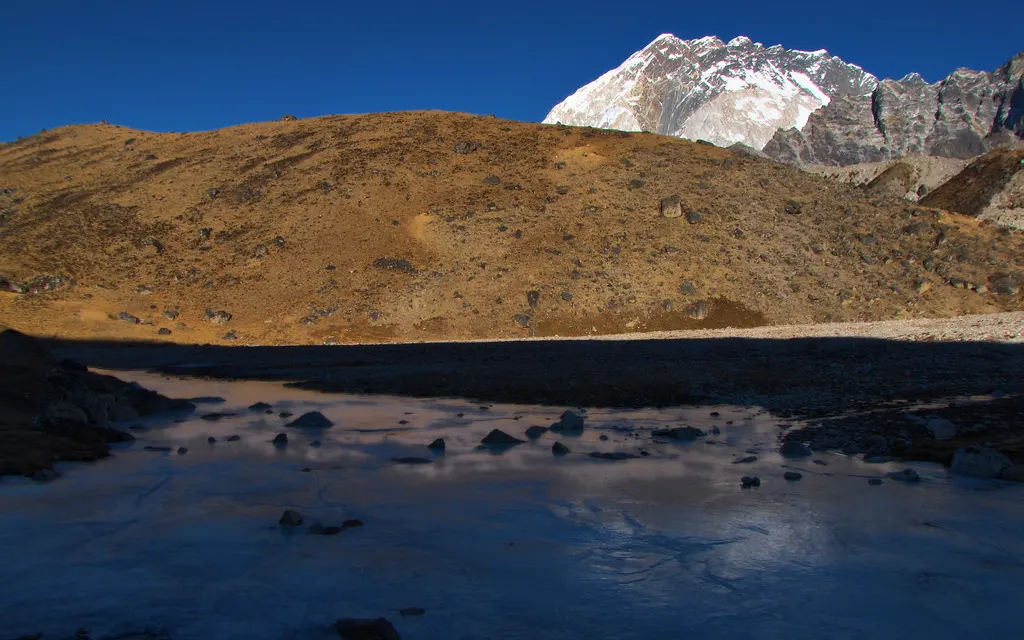
| Plant Species | Altitude Range |
| Rhododendron | 2,500–4,000 m |
| Himalayan Blue Pine | 2,000–3,800 m |
| Juniper | 3,000–5,000 m |
| Silver Fir | 2,700–4,000 m |
| Birch | 3,000–4,500 m |
| Dwarf Rhododendron | 3,800–5,000 m |
| Himalayan Thyme | 3,500–5,000 m |
| Yarsagumba | 3,500–5,000m |
On this Everest Base Camp Trek Flora and Fauna Guide, some of the beautiful flowers of the Everest region are described below:
Rhododendron Species: Beyond the common red rhododendrons, you can also spot other species like white-flowered rhododendron, rare yellow rhododendron, and pink rhododendron if you are a sharp-eyed trekker. The white rhododendron generally grows above 3500 meters and blooms in June.
Himalayan Blue Poppy: Even if you are a non-botanist, you will simply get excited when you see this flower. You can find this flower blooming in July and August around the Dingboche and Chhukung Valleys.
Primulas: It is like cheery pink and purple clusters appear after the snow melts, which are found during spring and early summer.
Edelweiss: It is a famous alpine flower that grows on exposed rocky slopes.
Himalayan Cobra Lily: It is an unusual, dramatic-looking plant found at the lower altitudes of the Everest Base Camp Trek route.
Potentilla Flowers: These small, bright yellow flowers are found on the alpine slopes.
Alpine Gentians: This flower is known for its vivid blue color, which blooms in late summer.
Wild Orchids: They are found in lower forests, occasionally hidden among dense vegetation.
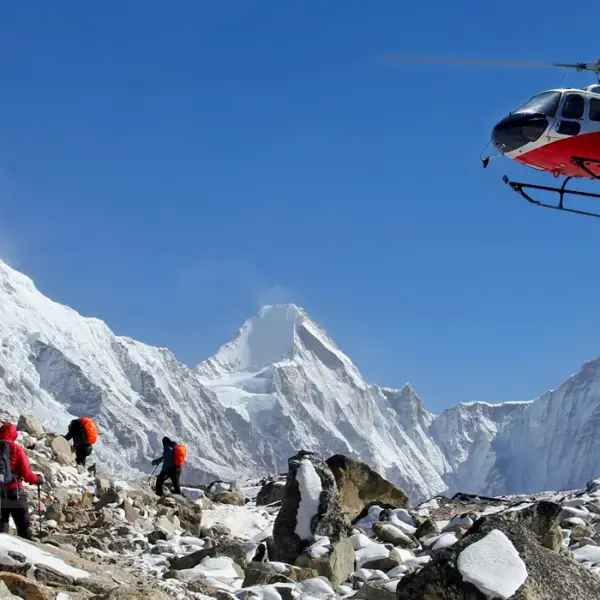
When most people hear about the Everest Base Camp Trek, the one thing that comes to their mind is standing at the base of the world’s tallest mountain, Mt. Everest.…
Spring (March–May): Spring is a perfect time for the blooming flowers of many colors. During this season, it feels like a dream come true for botanists and nature lovers. The rhododendrons are at their best, showing their most beautiful forms. The lower part of the EBC trail becomes a botanical garden, enhancing the trekking journey even more.
Monsoon (June–August): During the monsoon season, the landscapes are intensely green, and many wildflowers bloom in the rainfall. Even though it is not regarded as the ideal season for trekking, for flower photography, this time of the year is heaven, as the light and saturation can be extraordinary to click the photos after rainfall.
Mammals Found in the Everest Region
Even though the Khumbu region has a harsh and unstable environment, the Everest region supports several species of wildlife, some of which are listed below in this Everest Base Camp Trek Flora and Fauna Guide:
Himalayan Tahr: It is the most likely animal you will encounter on the trek. It has reddish-brown coats, curved horns, and a unique mane on mature males. They graze on cliffs between 3000 and 4500 meters and are spotted around Namche and Tengboche.
Musk Deer: It is a small and shy animal that is smaller than a typical deer. Male musk deer have distinctive sabre-like canines. Your best chance is early morning near the forest edges of Phakding and Namche town.
Himalayan Goral: It is a goat-antelope animal which is generally found on steep mountain terrain.
Himalayan Serow: It is also a goat-antelope found on rocky slopes and in dense forest areas.
Pika: It is also commonly known as the mountain rabbit. It lives on the rocky boulder fields at higher elevations. You can even hear their high-pitched squeaks echoing across the alpine valley while trekking if the trail is not crowded.
Yellow-Throated Marten: It is a colourful, agile mammal that is very fast-moving and an excellent climber.
Himalayan Weasel: They are small and fast-moving predators found in the forests of the alpine region.
Snow Leopard (Rare): It is one of the rarest animals, which have a thick spotted coat and excellent camouflage. The probability of this animal sighting is very low.
Red Fox: It is a clever animal commonly found in the higher valleys of the Khumbu.
Himalayan Black Bear (Very Rare): It is a strong animal found in the lower jungles of the Khumbu region. It usually avoids human activity, so sightings are uncommon.
| Animal | Scientific Name | Chance of Sighting |
| Himalayan Tahr | Hemitragus jemlahicus | Common |
| Musk Deer | Moschus chrysogaster | Moderate |
| Goral | Naemorhedus goral | Moderate |
| Serow | Capricornis thar | Rare |
| Pika | Ochotona roylei | Common |
| Red Fox | Vulpes vulpes | Occasional |
| Snow Leopard | Panthera uncia | Extremely Rare |
| Himalayan Weasel | Mustela sibirica | Rare |
| Yellow-Throated Marten | Martes flavigula | Occasional |
Why Everest is a Birdwatcher’s Paradise
There are more than 200 bird species inhabiting the Sagarmatha National Park. The combination of a wide variety of landscapes, including dense forests, alpine grasslands, river valleys, and cliffs, makes the perfect home for birds. Therefore, Everest is a birdwatcher’s paradise.
Most Common Birds Along the Trail
Some of the most common birds that can be found along the route are described in the Everest Base Camp Trek Flora and Fauna Guide below:
Himalayan Monal: It is the national bird of Nepal, featuring iridescent features in multiple colors. You can spot them in the forests of Namche and Tengboche.
Blood Pheasant: This bird is normally found in rhododendron forests above 3000 meters. The red and green patterns on male birds are so striking that you can hardly mistake them for anything else.
Snow Pigeon: This species inhabits high mountain regions and easily identified by its light grey feathers. This bird is usually seen flying in flocks around villages and cliffs.
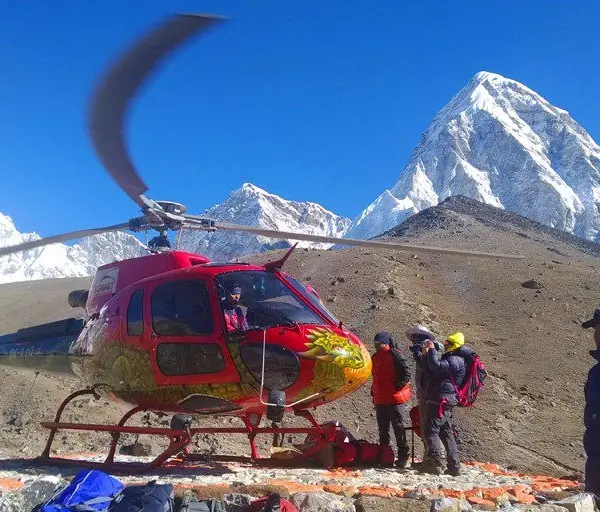
Short Everest Base Camp Trek 7 Days
When most people hear about the Everest Base Camp Trek, the one thing that comes to their mind is standing at the base of the world’s tallest mountain, Mt. Everest.…
Golden Eagle: It is one of the largest birds of prey flying in the Himalayas with sharp hunting skills, which can be seen soaring high above valleys and ridges.
Lammergeier (Bearded Vulture): This bird is also one of the world’s largest birds of prey, having a 3-meter wingspan.
Yellow-billed Chough: They are high-altitude birds with a bright yellow beak commonly seen around the Everest region’s villages.
Fire-Tailed Sunbird: It’s a tiny and brilliantly colored bird typical of the lower forest zones. As for the males, they boast splendid and blazing red tail feathers, and their main food is nectar.
Red-Billed Chough: The body of this well-known mountain bird is shiny black while its beak is bright red and curved. It usually flies in small groups or pairs.
Himalayan Griffon Vulture: It is a scavenger bird feeding mainly on carrion. It also plays an important role in keeping mountain biodiversity clean.
| Bird Species | Best Location |
| Himalayan Monal | Namche–Tengboche |
| Blood Pheasant | Tengboche Area |
| Snow Pigeon | Dingboche |
| Grandala | Lobuche |
| Golden Eagle | Pheriche |
| Lammergeier | Tengboche |
| Yellow-Billed Chough | Entire Trail |
| Fire-Tailed Sunbird | Lower Forests |
| Red-Billed Chough | High Altitudes |
| Himalayan Griffon | Open Valleys
|
Bird Photography Tips
Spring (March–May)
This is the most popular trekking season, and for good reason. The rhododendrons are blooming, migratory birds are returning, and mammals are more active. The trail is alive with color and movement. The weather is generally stable, and visibility before the pre-monsoon clouds build is excellent.
Summer/Monsoon (June–August)
The monsoon transforms the landscape into something intensely, almost aggressively green. Wildflowers are at their peak, waterfalls appear on every hillside, and the light has a particular saturated quality that photographers love—if they can deal with the rain. Leeches are common at lower elevations.
Autumn (September–November)
The post-monsoon season brings crystal-clear skies and the best mountain views of the year. Birdwatching is excellent as migratory species pass through, and the landscape has a golden quality in October and November that’s particularly beautiful.
Winter (December–February)
Cold, quiet, and demanding, the winter trek offers solitude and a completely different kind of beauty. Snow covers the higher elevations, and some wildlife, like the snow leopard, may be more likely to descend to lower altitudes in search of prey.
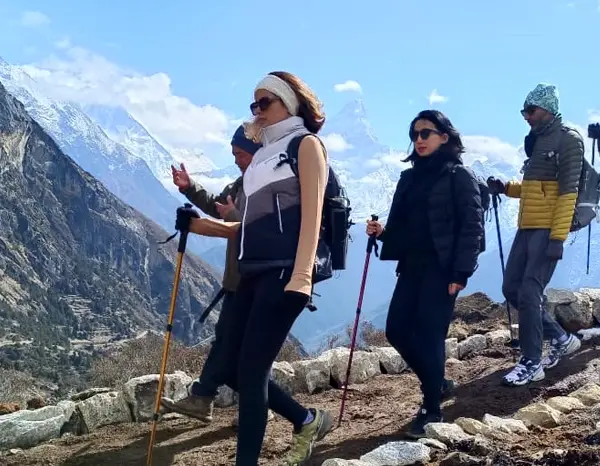
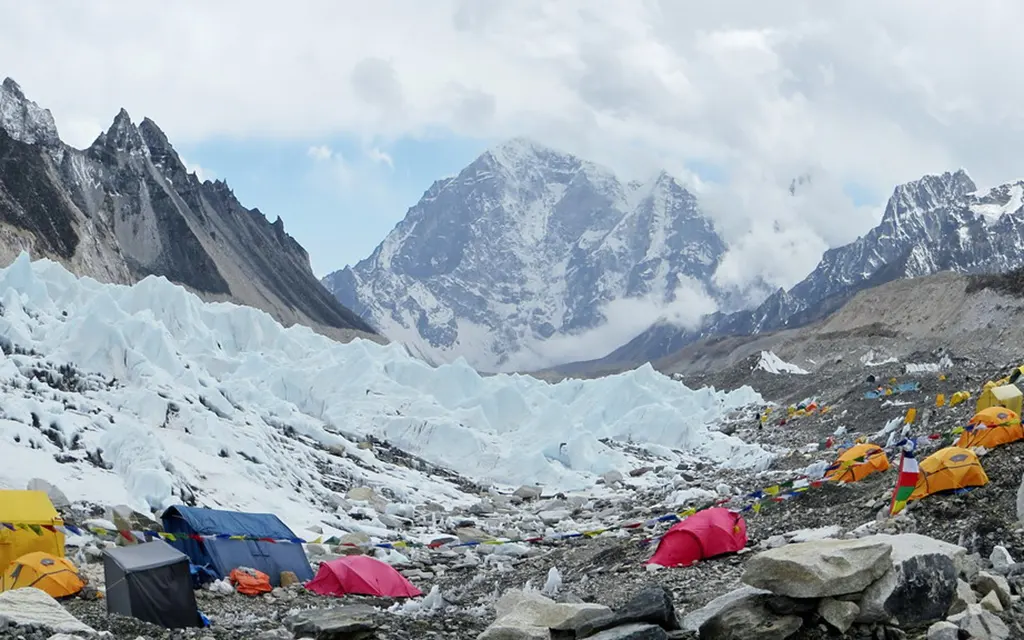
Mount Everest Base Camp Trek – 12 days
When most people hear about the Everest Base Camp Trek, the one thing that comes to their mind is standing at the base of the world’s tallest mountain, Mt. Everest.…
Seasonal Comparison Table
| Season | Flora | Wildlife | Birdwatching | Mountain Views |
| Spring | Excellent | Excellent | Excellent | Very Good |
| Summer/Monsoon | Excellent | Good | Good | Limited |
| Autumn | Good | Very Good | Excellent | Excellent |
| Winter | Limited | Good | Moderate | Excellent |
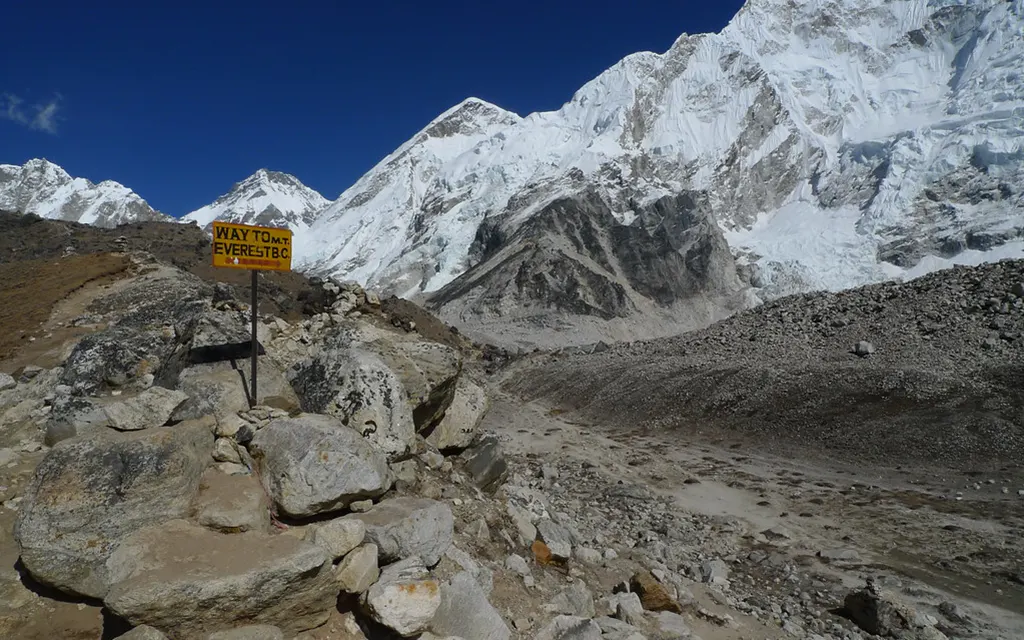 Sherpa Culture Along the Everest Base Camp Trek Flora and Fauna Guide
Who Are the Sherpas?
The Sherpa people are the native inhabitants of the Khumbu Valley. It is believed that they have ancestral roots that can be traced back to Tibet many centuries ago. While the word “Sherpa” is often linked with Himalayan climbing, they are in fact a unique group with their own language, culture, dress, and history. Most Sherpa run their livelihood through a combination of tourism, agriculture, livestock, farming, and trade.
Sherpa Traditions
Sherpa life is closely connected with the family, village, and monastery traditions. Most villagers still depend on the farming of crops like buckwheat and potatoes. They also raise animals like yaks and dzopkyos (crossbreeds of yaks and cattle). The Sherpa community is widely recognised for its warm hospitality, making guests feel like their own.
Traditional Sherpa Houses
Most of the traditional Sherpa homes are built from stone, which is strong enough to bear harsh mountain weather. The houses have flat roofs and large windows where sunlight can pass during colder months. Above rooftops, they place colourful prayer flags that flutter in the wind, reflecting deep spiritual tradition.
Sherpa Cuisine
Sherpa cuisine is simple, healthy, and filling. The most popular Sherpa dishes are Thenthuk (traditional noodle soup), Tsampa (roasted barley flour), Sherpa stew, and butter tea. Potatoes are also a key part of everyday meals, which are cooked in several ways.
Mani Rimdu Festival: This festival takes place in Tengboche Monastery, which runs for 3 days. It showcases unique masked dances, rituals, and traditional songs.
Dumji Festival: It is a summer festival celebrated in Namche and Khumjung, marking the birth anniversary of Guru Rinpoche, who is the founder of Tibetan Buddhism.
Lhosar (Tibetan New Year): It is celebrated in the months of February or March with prayers, reunion with family, feasts and traditional programs.
Tengboche Monastery: It is the largest monastery in Everest Region which is located in Tengboche Village. You can get view of beautiful mountains all around from here.
Pangboche Monastery: It is the most ancient monastery in the Khumbu area, deeply revered by the local people for their spiritual needs.
Khumjung Monastery: It is located in Khumjung Village, famous for housing the Yeti scalp relic.
Thame Monastery: It is one of the placid monasteries of Nepal with a few monks and nuns only, located at a very short detour from the main EBC trail.
Kunde Monastery: It is situated near Kunde Village, which lies above Namche Bazaar town. You can witness the daily religious life of the Sherpa communities here.
On this Everest Base Camp Trek Flora and Fauna Guide, you can learn Buddhist symbols and spiritual heritages, which are briefly explained below:
Prayer Flags: The trek is dotted with colourful prayer flags which will be flapping in the wind. It is thought that when they flap, they release blessings into the environment.
Mani Stones: They are often seen lining trails and village entrances. They are rocks carved with the mantra Om Mani Padme Hum. You should keep them on your right while walking.
Chortens and Stupas: They are dome-shaped structures that contain Buddhist relics.
Prayer Wheels: They contain sacred texts that should be spun in a clockwise direction.
Sacred Mountains and Beliefs: For the Sherpas, these mountains are no mere land formations, they are abodes of gods, thus puja is usually performed by most of the Sherpa mountaineers before proceeding for any high-altitude trek.
When most people hear about the Everest Base Camp Trek, the one thing that comes to their mind is standing at the base of the world’s tallest mountain, Mt. Everest.…
The following are the things that you can learn from this Everest Base Camp Trek Flora and Fauna Guide:
Leave No Trace Principles: You should be responsible for the waste you bring and not throw it carelessly. You can use well-marked trials to avoid damaging weak plants.
Respecting Local Communities: When you visit a monastery and a village, you should always respect them and be polite. Do not click photos without asking them first.
Protecting Wildlife Habitats: When you trek, just walk in marked trails and avoid any other routes that your guide doesn’t recommend. Similarly, you should never feed wild animals.
Supporting Local Sherpa Businesses: You can hire local guides and porters, as well as choose locally owned teahouses with the help of your trekking agency.
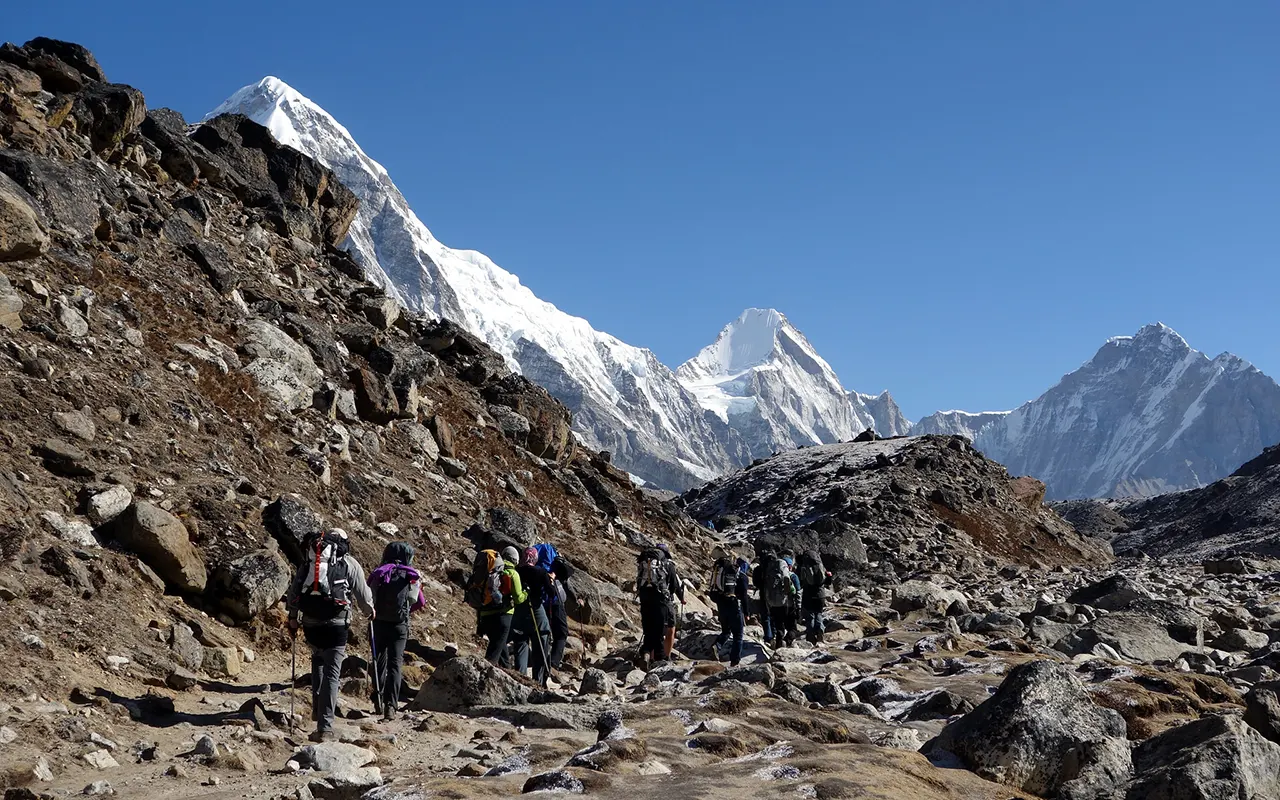
Everest Base Camp Trek is more than just an amazing experience of mountain scenery. While there you will pass through enchanting forests, find some rare Himalayan animals, and also the authentic Sherpa culture. Spiritual element will also find with many ancient monasteries, prayer flags, mani walls and villages.
The changing landscapes are astounding as you gain the altitude; the whole range of ecosystem and picturesque views comes up one by one. You might come across many colorful birds, high altitude flowers and the traditional life that has been protected for years. Reaching EBC itself is one of the greatest achievements for many but what they find as most memorable is the flora and fauna, Sherpa culture and their everyday life.


We plan custom and flexible holiday trips according to your holiday duration, extra wishes, and demands.
Plan your Trips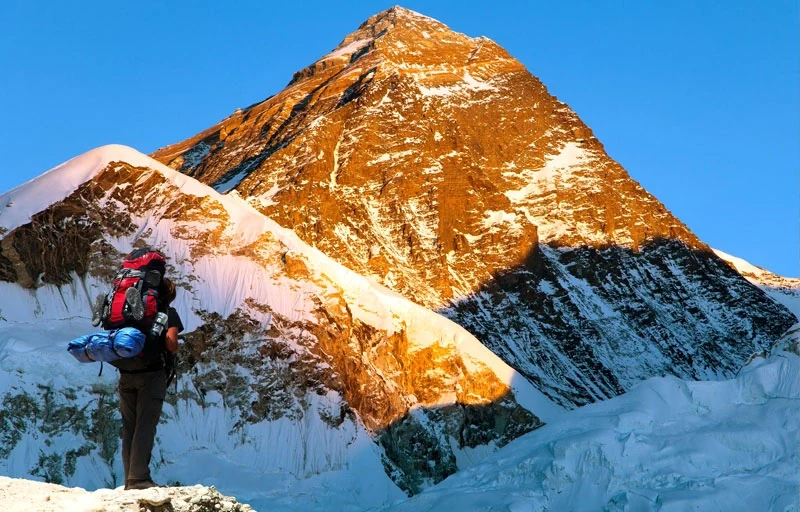
Chat with our Travel Designer Shiba
Need assistance? Our expert agent is here to help! Please fill out the form below to initiate a chat and get your queries resolved quickly.