

 English
 Dutch
Dutch Japanese
 Hindi
Hindi Italian
 Spanish
 French
 German
 Chinese
 Korean
 Arabic
 Hebrew
 Russian
 Portuguese
 Danish
 Czech
Czech Polish
 Swedish
Plan Your Next
Journey to the Himalayas!
We plan custom and flexible holiday trips according to your holiday duration, extra wishes, and demands.
Plan your Trips
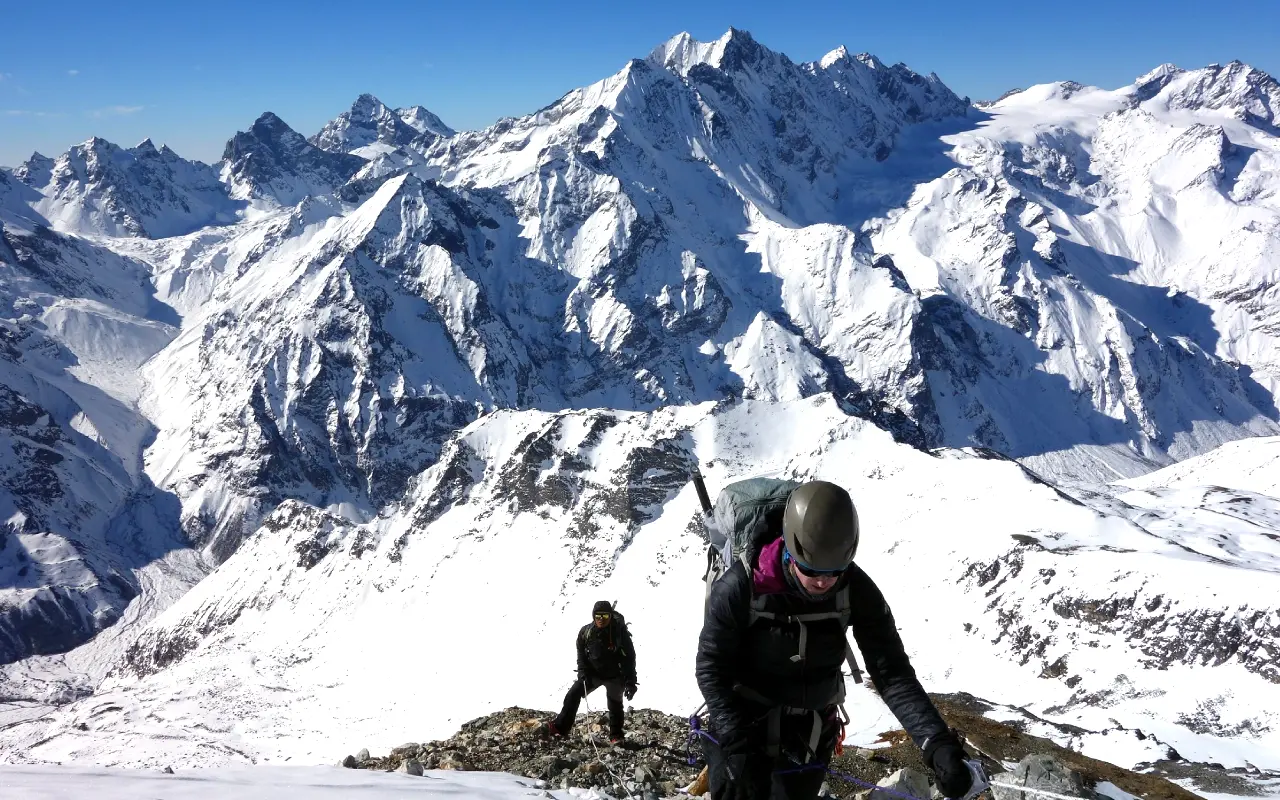
Standing at 5732m, Yala Peak is one of the most popular trekking peaks in Nepal because it is easy and has a very approachable climbing experience for first-time climbers. The trekking peaks offer stunning views of the Himalayas, including views of Shishapangma, which is a huge draw for new climbers.
The climb will fall under the moderate difficulty category. You do not need to have any technical experience, but it is important to be fit and to do some basic mountaineering preparation. The experience combines decent trekking through rhododendron forests and visiting ethnic Tamang villages, and finally some crampon and ice axe action near the summit.
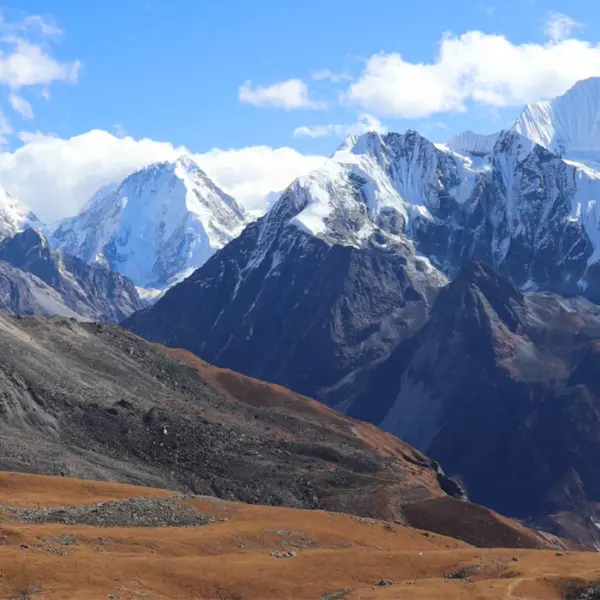
[caption id="attachment_318651" align="alignnone" width="1280"] Below the Summit of Yala Peak: A Glimpse into the Final Ascent[/caption] Standing at 5732m, Yala Peak is one of the most popular trekking peaks in…
Although Yala Peak is climbed at all times of the year, its best time to climb is in the pre-monsoon (spring) and post-monsoon (autumn) seasons. The weather is favourable and visibility is not an issue to enjoy panoramic views of some giant mountains surrounding you.
In preparing for Yala Peak, the focus should be on cardiovascular and endurance fitness, along with performing acclimatization trekking. You can pack whatever warm clothing you have, along with some crampons, ice axe, helmet, harnesses, and layered waterproof clothing to deal with what can be ridiculous mountain weather!
Yala Peak is ideal for people to have their first experience of high-altitude Himalayan climbing with professional guides. It is a beautiful route where you can immerse yourself in culture and scenery in a luxury expedition time frame of approximately 10-14 days.
Yala Peak, located in the Langtang district of Nepal, is in Langtang National Park. It is located north of Kathmandu, in the central part of the Langtang Himal range, close to the Nepal-Tibet border.
The standard procedure for climbing Yala Peak is to drive five hours from Kathmandu to Syabrubesi. You would then trek for five days up the beautiful Langtang Valley to Kyanjin Gompa, which is the acclimatization base, before heading to Yala Kharka base camp.
As you walk forward, you will see the Large Mountain named Langtang Lirung and Shishapangma from the summit, which is at 8,013 meters in Tibet. The area has Tserko Ri, which is notable for the big landslide that occurred here, although the whole trek is very scenic and a cultural experience in the Langtang area.
Yala Peak is listed as a non-technical trekking peak (NMA Grade “F”). In simple terms, it is very accessible and does not require climbing skills. The trekking route is straightforward, requiring crampons and ice axes only on summit day.
The only challenge that you will have is altitude. The summit altitude is 5,732 meters, where altitude sickness can be a threat due to the thinning of the air we breathe. This is why acclimatization is very important; you should spend enough time acclimatizing at stops like Kyanjin Gompa.
On your summit day, you will cross some glaciers and icy slopes; you will simply make ground on basic gear such as a harness, crampons, and ice axe, etc, as you are not expected to climb technically. Rather, be ready for the worst the mountain throws at you in terms of alpine conditions.
Yala Peak is generally an easy ascent for people with moderate trekking experience and good fitness. You should do cardio regularly and strength training; the more high-altitude trekking experience you gain as a beginner will benefit your well-being through this type of climbing experience.
In relation to Island Peak and Mera Peak, Yala Peak is relatively easy. Island Peak is steeper and is slightly more technically demanding, while Mera Peak is taller and requires much more endurance. However, Yala Peak is the easiest and preferred high-altitude experience for beginners.

Spring (March–May) is a desirable time to climb Yala Peak. It is a comfortable, stable weather period, with beautiful flowering rhododendrons lining the trails and generally good visibility to enjoy the Himalayan views.
Autumn (September–November) is also popular, as clear skies and dry conditions allow for perfect crisp air. It has good conditions to get to the summit, while enjoying pleasant, comfortable temperatures and post-monsoon visibility to take in the view from the summit.
Though monsoon (June–August) is not a good time for climbing, due to heavy rain causing slippery, muddy trails, poor visibility, and risk of landslides, which creates danger for even an experienced climber.
Winter (December–February) involves extreme cold, significant snowfall, and avalanches. Winter ascents of peaks have shorter days and temperatures, so ice and snow represent a fairly difficult ascent. Therefore, only experienced mountaineers need to apply their training and skills when climbing peaks in winter.
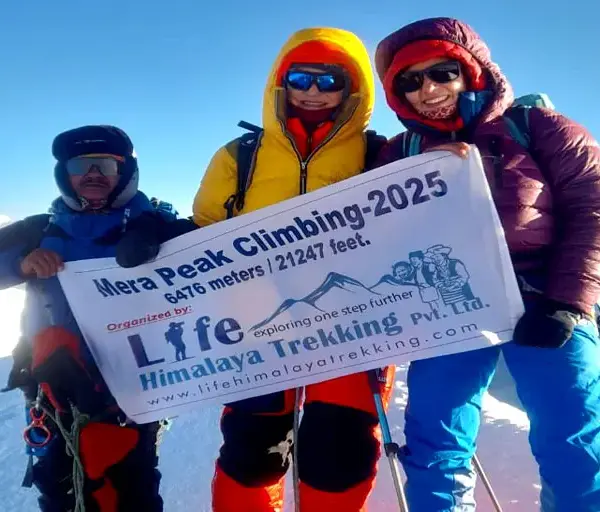
[caption id="attachment_318651" align="alignnone" width="1280"] Below the Summit of Yala Peak: A Glimpse into the Final Ascent[/caption] Standing at 5732m, Yala Peak is one of the most popular trekking peaks in…
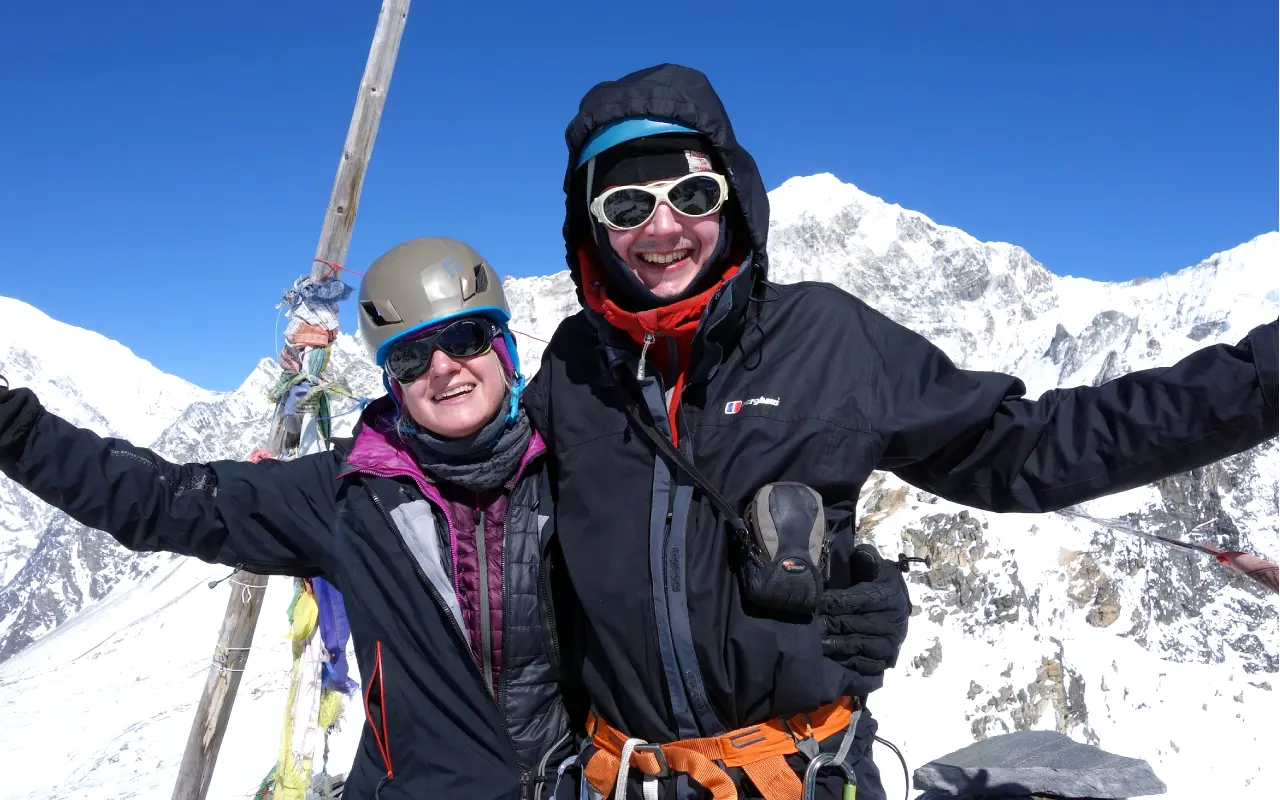
Start developing a routine of cardio exercises, preparing for activities that might be 6 to 8 hours for strenuous trekking days – hiking, running, biking, stair climbing, etc.
Get some strength workouts incorporated into legs, core, and shoulders. Really, exercises like squats, lunges, and planks will assist in your training by preparing for more rugged trails and carrying a pack for multiple trekking days, building your long-term endurance ability for going uphill.
Include time for acclimatization in your trekking itinerary before attempting the summit. Acclimatization will help you adapt to higher elevations, reduce the risk of altitude sickness, and prepare your body for a summit climb.
It’s important to layer dresses for the Yala Peak climb, including a moisture-wicking base layer, a thermal middle layer, and a waterproof outer layer. Additionally, pack warm tops and bottoms, a hat, gloves, and socks for a chill morning and night.
You must pack gear like crampons, a harness, and a helmet for technical sessions. Make sure these gears will fit you perfectly, and know how to use the gears before you leave for your trek.
Bring a sleeping bag that is rated for –15°C, a decent pair of trekking boots, adjustable trekking poles, and a headlamp with spare batteries. Also, pack a pair of sunglasses and a personal first-aid kit that is suitable for basic mountain needs.
Get a TIMS card (Trekkers’ Information Management System) and a Langtang National Park Permit. These permits are compulsory and can be purchased in Kathmandu before you start the trek; officials will check during the trek.
Although it is optional sometimes, you should bring a climbing permit from the Nepal Mountaineering Association to climb Yala Peak. Permits are required for safety and conservation, and to avoid challenges with authorities along the way.
Lastly, hire a licensed guide and porter for your safety and navigation of the trails. Guides and porters will help you with local insights and logistics to have an enjoyable trekking journey in Yala Peak, Nepal.
Day 1: Arriving in Kathmandu
After landing at Tribhuwan International Airport in Kathmandu, you will get a transfer to your Hotel room in the Thamel area. You can take a rest in your accommodation and get some time to check the equipment in the afternoon.
Day 2: Bus ride from Kathmandu to Syabrubesi
You will get a transfer from Kathmandu to Syabrubesi (1,503m) in a vehicle. You will be driving 6–7 hours with stunning views of rural Nepal, terraced hills, and rivers. You will sleep at a local guesthouse.
Day 3: Trekking journey starts at Syabrubesi to Lama Hotel
You will start your trek to Yala Peak beside the Langtang River through the forest. The trek will take you by a few small villages, past some bamboo, and then a steady walk until you reach the Lama Hotel (2,480m). You will sleep at a teahouse accommodation.
Day 4: Trekking from Lama Hotel to Langtang Village
There is a steady climb today, but you will trek through the forest and then into pasture and view of Langtang Lirung. After walking for 6 to 7 hours, you will reach Langtang Valley (3,430m), where you will stay for the night.
Day 5: Hiking to Kyanjin Gompa from Langtang Village
After an early start, you will trek past yak pastures, several mani walls, and chortens until you are at Kyanjin Gompa (3,870m). Kyanjin is a small village across the mountains. You will be lodging overnight.
Day 6: Acclimatization/ Rest Day in Kyanjin Gompa
Today will be a rest, acclimatization, and an optional hike from Kyanjin Ri (4,773m), or Tserko Ri (4,985m), to see the stunning views of the Himalayas. Exploring Kyanjin Gompa and the surroundings might also take up your day.
Day 7: Trekking to Yala Peak Base Camp from Kyanjin Gompa
At 4,600 meters, you will hike to Yala Base Camp. You will have a climbing briefing and then relax at camp.
Day 8: Summit Day
You will start your trek early with a peak attempt of Yala Peak (5,732m). The glacier is short, so we should be using very basic equipment. After summiting, you will descend to Kyanjin Gompa for the overnight stay.
Day 9: Rest Day at Kyanjin Gompa
You can rest, or can explore Kyanjin Gompa if poor weather forces you to spend the day here, or if you need a further day of acclimatization. Side hikes are optional, or you may just relish in the village’s peace and tranquility.
Day 10: Trek to Lama Hotel from Kyanjin Gompa
Today, you will retrace the trek back down the Langtang Valley towards Lama Hotel. We are also on easier ground today while enjoying the views.
Day 11: Trek from Lama Hotel to Syabrubesi
Again, you will go lower and head back through forests and small villages before reaching Syabrubesi in the late afternoon. You will have your last celebration for completing the trek.
Day 12: Drive from Syabrubesi to Kathmandu
You will drive back to Kathmandu, enjoying the scenery of the mountains at lower elevations. You will arrive back in the city around late afternoon, early evening for a farewell dinner or possible last-minute shopping.
Yala Peak is an ideal goal for inexperienced Himalayan climbers. It has a non-technical route that’s not too high and offers a memorable summit experience while being able to develop basic mountaineering skills without the intimidation of some technical challenges.
This journey to Yala Peak is known particularly for its cultural experiences. It will take you from Tamang villages with their communities to homestays, to Buddhist monasteries and local customs, to the remarkable landscapes of the Himalayan range valleys.
Yala Peak is a great combination of trekking, cultural experiences, and the basic experience of climbing, in a single adventure package trip. As long as you are reasonably fit, you will have no problem in climbing Yala Peak, plus you will be rewarded with the best panoramic view, including the summits of Shishapangma and Langtang Lirung.
[caption id="attachment_318651" align="alignnone" width="1280"] Below the Summit of Yala Peak: A Glimpse into the Final Ascent[/caption] Standing at 5732m, Yala Peak is one of the most popular trekking peaks in…
While there are routes into the Everest and Annapurna areas, there is little doubt that Yala Peak is the less-travelled, quieter area of Langtang region with far less commercialization and traffic. This makes Yala Peak a far more comfortable adventure with quiet trails, cultural connection, space at lodges, and quiet at summits.
With stunning views over Kathmandu that allure adventurers to the Himalayas, Yala Peak is one of the most attainable and enjoyable trekking peaks in Nepal. It’s reasonable trails, magnificent mountain range views, and trekkers with relative ease make it the perfect idea for anyone looking to do their first proper high-altitude climb.
Thinking ahead is important; to get the best experience with Yala Peak, the emphasis needs to be on the physical preparation path, not just the climb, acclimatization, and equipment. Choosing the right season, spring or autumn, dramatically improves both the safety and experience of climbing.
So, are you ready for a trip of a lifetime? Start training, prepare well, and then take the plunge into the Himalayas with Yala Peak, where incredible views and real feelings of achievement await!


We plan custom and flexible holiday trips according to your holiday duration, extra wishes, and demands.
Plan your Trips
Chat with our Travel Designer Shiba
Need assistance? Our expert agent is here to help! Please fill out the form below to initiate a chat and get your queries resolved quickly.