
 English
 Dutch
Dutch Japanese
 Hindi
Hindi Italian
 Spanish
 French
 German
 Chinese
 Korean
 Arabic
 Hebrew
 Russian
 Portuguese
 Danish
 Czech
Czech Polish
 Swedish



Max. Altitude
3,842m/ 12,605 ft.
Best Season
Sep-Nov & Mar-May
Activity
Trekking
Start / End Point
Kathmandu/Kathmandu
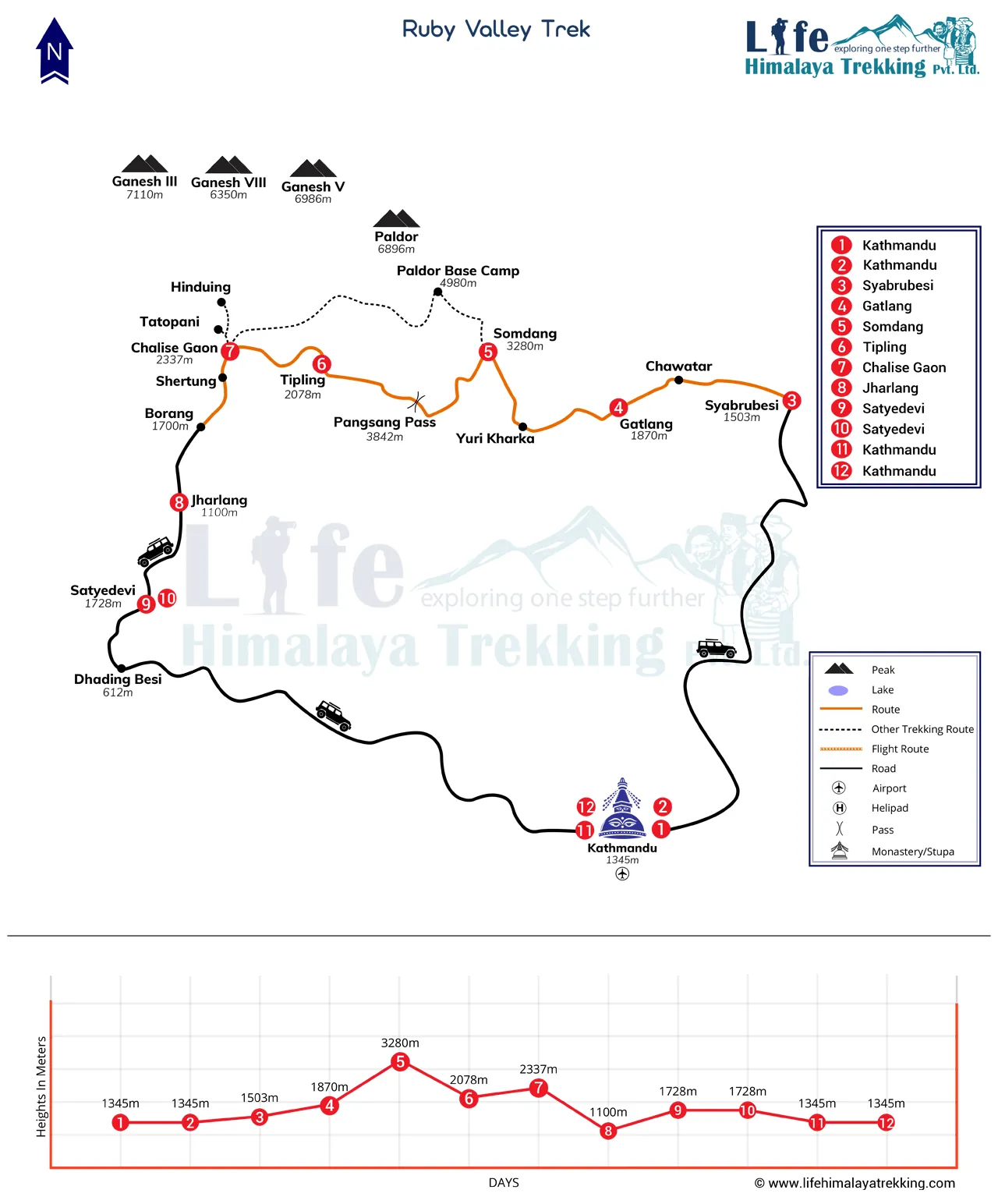
Overview of Ruby Valley Trek – 12 days
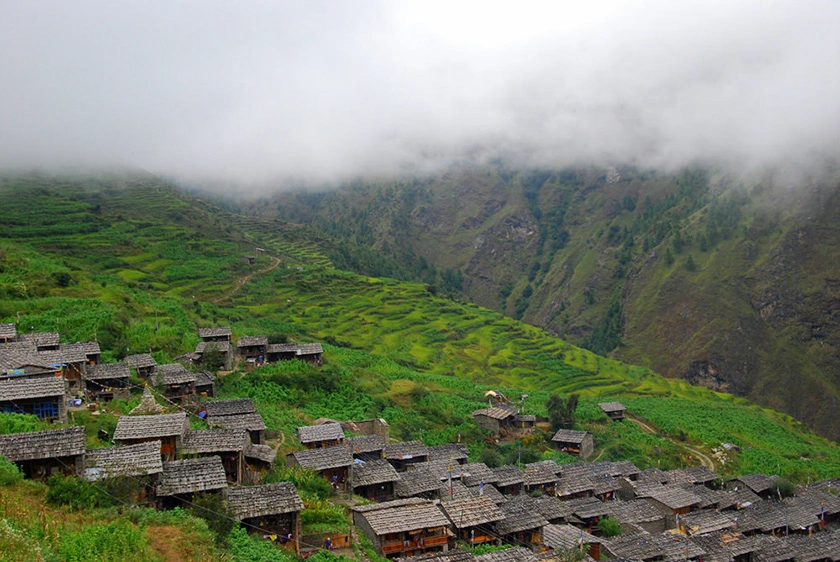
The Ruby Valley trek is a peaceful trekking route in the Ganesh Himal region of central Nepal. It is situated between the Langtang National Park and the Manaslu Conservation Area, and it is one of the least-visited trekking areas in this country.
Even though the starting point does not travel too far away from Kathmandu, there has been little tourism in the area, and this makes it an excellent destination for any tourist who desires an intimate trek and a rich cultural experience.
The road runs across numerous natural landscapes. You will pass through green valleys, wooded hills, and open ridges with sweeping panoramic perspectives of the adjacent mountains. The Ganesh Himal range covers the skyline, and on a clear day, you can also see the far-off peaks like the Langtang Lirung, Manaslu, and Annapurna.
The trek passes along the path through rhododendron forest, pine forest, little streams, waterfalls, and terraced farmland as a reflection of the local agricultural life.
Cultural experience is a key part of the Ruby Valley trek. The region is the habitat of Tamang, Gurung, and Ghale, who still maintain their traditional ways of life.
In village teahouses, accommodation is offered as opposed to tourist lodges. Living with local families gives the trekkers a chance to share their meals and know the day-to-day activities as well as the local traditions. The evenings are usually spent around the fire of the kitchen, where the visitors can listen to tales or have some basic cultural experience.
The Ruby Valley trek is considered moderate in difficulty. Pangsang La Pass is the peak of the trek at 3,842 meters. Still, some long walking days and constant climbing, uphill paths; however, no technical skills or climbing experience are demanded. The area is remote, and trekkers ought to have six or seven hours of walking per day and be content with bare facilities.
The best seasons for the Ruby Valley trek are spring from March to May and autumn from September to November, when weather conditions are generally clear and stable.
Local development is also facilitated by this trek via the Ganesh Himal Community Foundation. Life Himalaya Trekking works closely with local communities to promote responsible tourism in the Ruby Valley region.
Throughout the journey, trekkers pay a visit to a community project, and part of the expense of the trip is donated to assist with education and village causes. The Ruby Valley trek offers a balanced combination of nature, culture, and responsible travel in Nepal.
Highlights of Ruby Valley Trek
- Off-road adventure to the beautiful valley of Ruby with breathtaking Himalayan views.
- Exploration of Langtang National Park and Manaslu Conservation Area.
- Clear views of Ganesh Himal, Langtang Lirung, Manaslu, and nearby Himalayan peaks.
- Cross the high Pangsang La Pass (3,842 m) to get epic mountain views.
- Explore Tamang, Gurung, and Ghale cultures in the countryside.
- Local Nepali hospitality and authentic teahouse accommodation.
- Lush forests, waterfalls, and varieties of flora and fauna on the trail.
- Hot spring bath in a natural hot spring and visit a community project in Satyadevi.
Ruby Valley Trek Itinerary
01
Arrival in Kathmandu (1,360 m)
You will land at Kathmandu at Tribhuvan International Airport, where a representative will greet you and take you to your hotel.
Once you have checked in, you will have time to relax after the journey or visit the bustling streets around. Thamel is a tourist district including shops, cafes, and culture.
In the evening, you will meet your trekking guide, who will explain the Ruby Valley Trek in detail and answer any questions you may have.
You will go through your itinerary as well as final preparations. You will be introduced to the local culture with a welcome dinner consisting of traditional Nepali food. Overnight in Kathmandu in a nice hotel.
Maximum Altitude
1,360 m/4,461 ft
Meals
Welcome Dinner
Accomodations
3 Star Hotel
Transportation
15 min Drive
02
Kathmandu Sightseeing and Trek Preparation
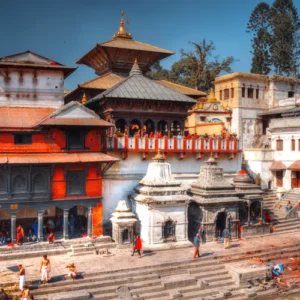
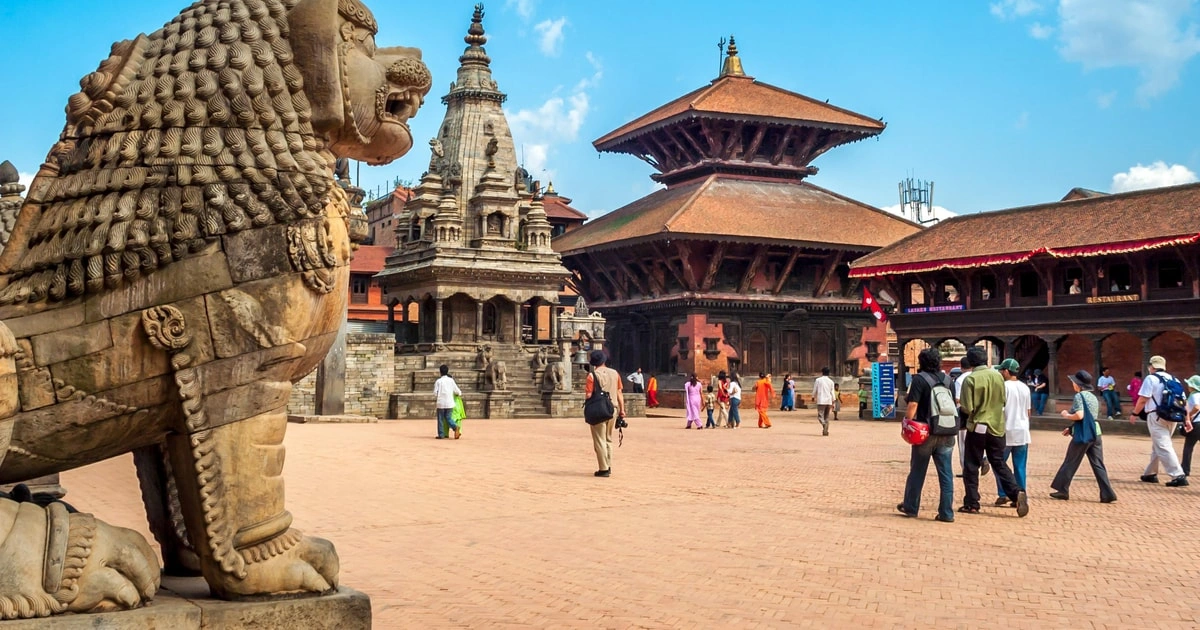
You will have a guided sightseeing tour of Kathmandu after breakfast. You will see significant cultural and historical locations like temples and stupas that are known to be World Heritage Sites. This day helps you understand Nepal’s culture, history, and daily life before starting the Ruby Valley Trek.
You will go back to your hotel in the afternoon and have some free time to prepare for the trek. You can retail your equipment or do some last-minute shopping, or you can relax.
Your guide will meet you again in the evening to complete all the trekking arrangements. You will have one more restful stay in Kathmandu, and you are all set to have a wonderful adventure.
Maximum Altitude
1350 m
Meals
Breakfast
Accomodations
3 Star Hotel
03
Drive from Kathmandu to Syabrubesi (1,503 m)
After an early breakfast, you will begin a scenic drive from Kathmandu to Syabrubesi, which is the starting point of the Ruby Valley Trek.
It is a trip that passes by hills, rivers, and villages along the Trishuli River. The drive will allow you to have beautiful countryside views.
The closer you are to the mountains, the rougher the road, the more impressive the scenery is. You will go through Dhunche, then over to Syabrubesi.
On arrival, you will settle in a local tea house. You can eat and sleep well because your trekking adventure starts the next day.
Maximum Altitude
1503 m
Meals
Breakfast, Lunch and Dinner
Accomodations
Teahouse
Transportation
8 hours Drive
04
Trek from Syabrubesi to Gatlang (2,238 m)
After breakfast, you will begin your first trekking day of the Ruby Valley Trek. The road ascends gradually over terraced fields, woodland, and little villages.
On your walk, you will have a view of the hills and the valleys surrounding you. Once you have crossed Bahun Danda Pass, you will be heading to Gatlang village.
Gatlang is an attractive Tamang village with stone houses and a traditional way of life. You will get there in the afternoon and have time to see the village.
You can go to the town monastery, or you can walk in the quiet streets. The local community will treat you with warm hospitality, and you will spend the night in a teahouse having a traditional meal.
Maximum Altitude
2,238 m
Meals
Breakfast, Lunch and Dinner
Trek Duration
5-6 hours Trek
Accomodations
Teahouse
05
Trek from Gatlang to Somdang (3,270 m)
You will start the day with breakfast and then continue your Ruby Valley Trek through the forests of pine and rhododendron.
The path slowly ascends and provides a serene nature. You will have lunch at Yuri Kharka, which will give you time to rest and have a serene environment. Following lunch, the road crosses Khurpu Pass and leads down to Somdang.
You will pass over a river and then climb up a hill to the village. Somdang has a history of old mining and a picturesque location.
You can observe the remnants of an ancient mining machine and a waterfall next to it. You will spend the night in a local teahouse with a clear mountain sky.
Maximum Altitude
3,270 m/10,728 ft
Meals
Breakfast, Lunch and Dinner
Trek Duration
6-7 hours Trek
Accomodations
Teahouse
06
Trek from Somdang to Tipling via Pangsang La Pass (3,842 m)
This will be the most challenging day of the Ruby Valley Trek, but also one of the most rewarding. You will start with an early breakfast, and then continue an upward, gradual ascent to Pangsang Pass.
The scenery changes to alpine and open as the elevation increases. You will not rush and have frequent intervals.
When you arrive at the pass, you will have a beautiful view of Ganesh Himal, Langtang Manaslu, and other distant mountains. The pass is covered with prayer flags that produce a serene environment.
In order to rest, you will go through the woods. You will arrive at Tipling village in the evening. You will spend the night in a teahouse and have a nice meal.
Maximum Altitude
3,842 m
Meals
Breakfast, Lunch and Dinner
Trek Duration
8 hours Trek
Accomodations
Teahouse
07
Trek from Tipling to Shertung/Chalise Gaon (1,875 m)
You will start this morning with a walk that is mostly downhill. The path also passes through green valleys and goes across a suspension bridge over a river.
There, you will then walk a short distance uphill beyond the villages of Shertung and Chalise Gaon. These are very beautiful villages with much cultural diversity.
You will come early afternoon and will be able to explore the village surroundings. You can go to a monastery and talk to the local families or you can rest and do mountain sightseeing.
This is a peaceful day of the Ruby Valley Trek, allowing you to rest your legs. You will stay overnight in one of the local teahouses and enjoy life in the village.
Maximum Altitude
1,920 m
Meals
Breakfast, Lunch and Dinner
Trek Duration
5-6 hours Trek
Accomodations
Teahouse

08
Trek from Chalise Gaon to Jharlang (1,650 m)
You can have a short walk to a natural hot spring, located in the vicinity of the village, before breakfast. After breakfast, you will continue the Ruby Valley Trek toward Jharlang.
The path goes through the forests of farming villages and terraced fields. You will pass through small streams and walk on ridges with picturesque views.
You will have lunch on your way. In the afternoon, you will reach the village of Jharlang, which is located on a hillside and has a view of the valleys and the mountains in the distance.
In the lower part, Jharlang presents one of the finest prospects. You will come back with a sense of pride in your experience and spend the night in a local teahouse, where you can experience the hospitality of the locals.
Maximum Altitude
1,650m
Meals
Breakfast, Lunch and Dinner
Trek Duration
7 hours Trek
Accomodations
Teahouse
09
Trek from Jharlang to Satyadevi (1,250 m)
After breakfast, you will begin the final trekking day of the Ruby Valley Trek. The path goes slowly down through terraced agricultural land and forest.
You will pass across a hanging bridge over ankhu khola River. Once you cross it, you will climb up the hill through villages, where you will find a shift in culture as you walk through the lower places.
You will have lunch in a village on the way. You will come to Satyadevi village in the afternoon, and that is the final destination of the trekking route.
You can also rejoice with your guide and porters in the accomplishment of your journey. You will spend the night in a teahouse and have a relaxing evening.
Maximum Altitude
1,320 m
Meals
Breakfast, Lunch and Dinner
Trek Duration
7 hours Trek
Accomodations
Teahouse
10
Community Project Exploration at Satyadevi
Today you will spend a rest day at Satyadevi. You will have time to go walking around the village and mingle with people.
This day allows you to experience rural life closely after completing the Ruby Valley Trek. You will also be visiting a community project in the nearby area sponsored by tourism.
You will observe how trekking can enhance education and community development. You can meet children and get to know about local initiatives.
The holiday is a casual and significant one that provides a cultural sense of connection and reflection. You will eat with your guide and porter and have another night in the teahouse.
Maximum Altitude
1,250 m
Meals
Breakfast, Lunch and Dinner
Accomodations
Teahouse
11
Drive from Satyadevi/Darkha back to Kathmandu
You will take leave of your teahouse after breakfast, and you will walk a short distance to reach the road. Then you will make a journey back to Kathmandu with mountains and streams.
The trip provides the last glimpse of the rural world prior to the city. When you get onto the main highway, the ride becomes easier.
You will reach Kathmandu at the end of the afternoon and move to your hotel. You can take a hot shower and rest after the journey.
During the evening, you can also wander around the city or have a farewell dinner. You will spend the night in a hotel in Kathmandu.
Maximum Altitude
1,360 m
Meals
Breakfast, Lunch and Dinner
Accomodations
3 Star Hotel
Transportation
7-8 hours Drive
12
Departure from Kathmandu
Your Ruby Valley Trek journey comes to an end today. We will pick you up after breakfast and transport you to the Tribhuvan International Airport, depending on your flight schedule.
You will leave behind you memorable experiences of distant villages, stunning mountains, and warm hospitality.
We hope you will depart Nepal with a rich understanding of its culture and nature. We will wish you safe journeys, and we hope to see you again.
Meals
Breakfast
Transportation
15 min Drive
Equipment Checklist 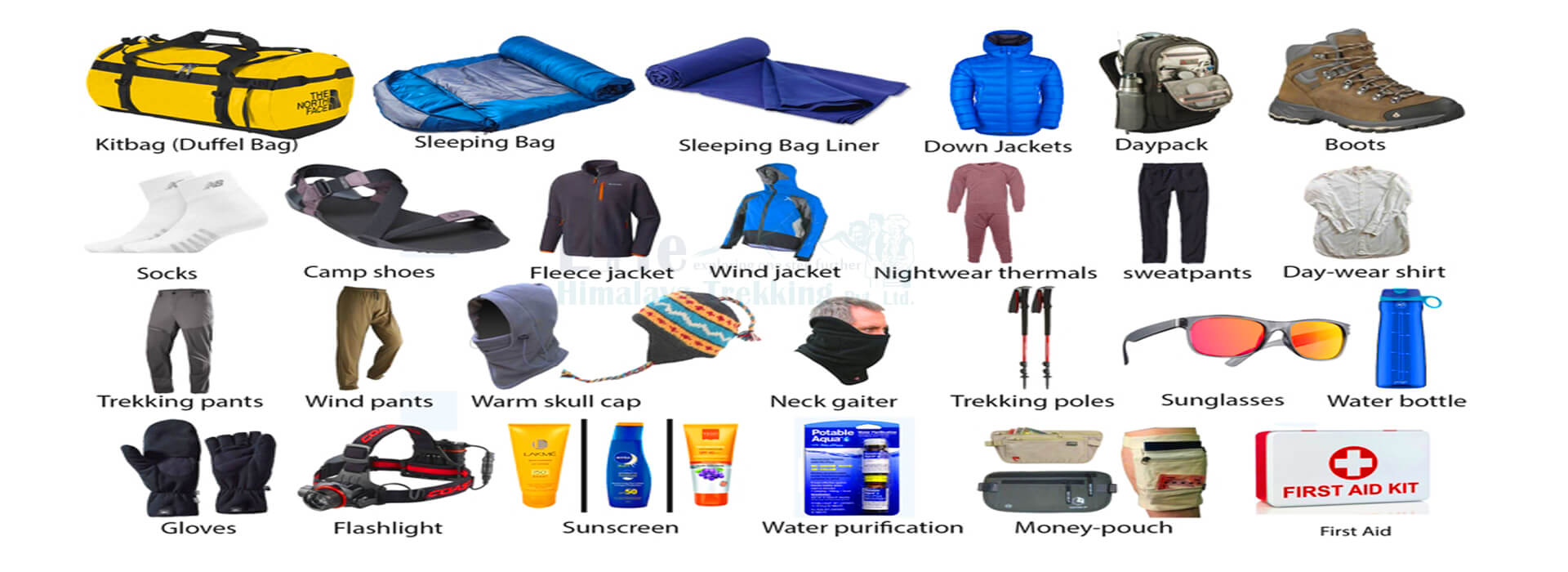
Required Equipments for Trekking in Nepal
- Breathable Underwear
- Sports Bra
- Base Layers
- Trekking Shirts
- Trekking Trousers and Shorts
- Fleece Jacket
- Down jacket (insulated jacket)
- Windcheater (water proof)
- Sun protection Hat
- Headband or Beanie
- Scarf or neckband
- Gloves (inner and outer )
- Hiking Boots
- Trekking Shoes
- Hiking Socks
- Thermal Socks
- Gaiters
- Duffel Bag
- Day pack
- Sleeping Bag
- Trekking poles
- Sunglasses
- Hydration bladder or Water bottle
- Head Lamps
- Batteries
- Personal towel
- Swiss army knife
- Sun lotion
- Medical & first-aid kit
- Woolen socks
- Waterproof jacket
- Lip Guard
- Insulated pants
- Baby wipers
Required Equipments for Climbing in Nepal
- Water bottle
- Batteries and bulbs
- Flashlight
- Personal towel
- Swiss army knife
- Rucksack
- Sun lotion
- Medical & first-aid kit
- Sewing kit
- Polypropylene/wool socks
- Other required equipment
- Sleeping bag
- Down Jacket
- Waterproof jacket
- Trekking shoes/boots
- Camp shoes
- Jumperorpile jacket
- Hiking pants
- Hiking shirts
- Full–sleeves shirt
- T-shirts
- Sun hat
- Gloves
- Woolen hat
- Long underwear
- Goggles or sun glasses
- Gaiters
- Sun block for lips
- Light cotton socks
- Mountain trekking boots
- Woolen socks to wear with boots
- Nylon wind breaker
- Insulated pants
- Nylon wind pants
- Long sleeved cotton/woolen shirts
- Sun hat
- Long cotton hiking shorts
- Fleece/wool for climbing
- Lightweight fleece
- Sleeping pad (karri mat) or thermarest
- Down high altitude sleeping bag
- Down jacket/trousers/vest
- Light cotton athletic socks and wool socks
- Water proof climbing jacket
- Head torch/batteries/bulbs
- Climbing sunglasses
- Lightweight thermal/insulated ski gloves
- Sun screen
- Warm climbing trousers
- Wool long underwear
- Other required equipment
- Climbing boots
- Gaiters
- Ice axe
- Harness
- Crampons
- Karabiners
- Tapes/slings
- Snow bars
- Ice screws
- Rock pegs
- Deadmen
- Crash hat
- Day bag
- Rucksack
- Lip salve
- T-shirts
- Ascenders
- Ascenders
- Kit bag
Whats Included
- Airport pickup and drop from Tribhuvan International Airport to Hotel by private car, bus or van.
- 3 Night stay at 3 star rated Hotel in Kathmandu on BB plan
- 7 Days and 8 Nights accommodation at teahouse during trekking
- Private transport pickup drop to Airport as per your group size
- All Breakfast, Lunch and Dinner all included during your trek
- breakfast, lunch and dinner included chosen from teahouse menu.
- Trekking Permit and National park permit
- Trekker’s Information Management System (TIMS) card
- Kathmandu- Syaprubeshi and Satyedevi to Kathmandu by Bus or Jeep
- As per group size experience, 01 government license holder trekking guide who speaks English language, helpful and friendly strong, porters (1 porter for 2 people) and their food, accommodation, salary, equipment, and accidental insurance for all staff.( 5 trekkers 1 assistant guide )
- All expenses for Nepalese staffs, their insurance , equipments and salary
- All necessary ground transportation
- All governmental procedures and extra charges.
- Medical supplies like First Aid Kit.
- Life Himalaya trekking provides LHT T-shirt, Duffel bag, Sleeping bag and Down Jacket
- Achievement Certificate.
Whats Excluded
- Travel insurance.
- International airfare.
- Nepal entry visa charge.
- Hard drinks during trek
- Snacks and other personal expenses.
- Battery charge, hot showers & international phone calls.
- Service not mentioned above.
Ruby Valley Trek - Essential Information
Trek Difficulty
The Ruby Valley Trek is considered a moderate trekking adventure. No technical climbing experience is required, but you must be ready to trek six to eight hours a day.
The route has uphill and downhill parts, as well as steep parts, particularly around the high pass. You will reach a maximum altitude of Pangsang La Pass at 3,842 meters.
You need to be relatively physically fit to have fun on the trek. Past knowledge of trekking experience is favorable but not mandatory.
Even first-time trekkers can complete the Ruby Valley Trek with proper preparation and a positive attitude. Slow pacing, sufficient water intake, and listening to your guide will make you cope with the trek effectively.
Porters can also take your heavier bag so that you walk with a small day pack. This trek is highly attainable with proper fitness and motivation.
Weather and Best Season
The best seasons for the Ruby Valley Trek are spring and autumn. In spring, between March and May, you will have fair weather, flowering trees, and mountains in clear sight.
The period between September and November also has favorable weather, dry trails, and good visibility. These are the seasons that are best to trek and explore the culture.
The region receives heavy rainfall during the monsoon season, which is between June and August. The trails might get dirty and wet, and landslides might take place.
This makes trekking more challenging during the monsoon season. The period between December and February is winter, which is cold, particularly in higher altitudes.
Pangsang Pass may be blocked by snow, and this makes the walk more difficult. But winter presents serene paths and clear skies to the advanced trekkers capable of enduring cold weather.
For the most comfortable and enjoyable experience, you are advised to plan your Ruby Valley Trek during spring or autumn.
Food & Drink
During the Ruby Valley Trek, you will be provided with three simple and filling meals each day. Teahouse families prepare breakfast, lunch, and dinner with fresh and locally available ingredients.
Dal bhat is the most typical meal comprising rice, lentil soup, and vegetables. The meal is balanced and supplies sufficient energy in the case of long walks.
Other meals can consist of noodle soup, fried rice, flatbread with potato curry, and seasonal vegetables. In remote villages, meat is not common, and thus most of the meals are vegetarian.
In case you have food needs, you need to notify your guide prior to the trip. The hosts will attempt to adapt meals based on what they have locally.
You will also tend to take tea, either black tea or herbal tea. There can also be instant coffee. The supply of safe drinking water is boiled or filtered water. Alcohol should be avoided when on the trek because it would result in dehydration and adjustment to the altitude.
Accommodation & Lodging
Accommodation on the Ruby Valley Trek is mostly in village teahouses rather than standard lodges. You will be accommodated in local families with simple yet clean rooms.
Rooms can be shared, and bedding is basic. There are few facilities, and modern comforts like hot showers or western toilets are not to be expected. Toilets are the simplest, and bathing is performed by the use of a bucket of warm water when available.
Despite the simplicity of the facilities, teahouses can be a valuable experience. You will be taking meals with the host family, and you will be sitting frequently around the fire in the kitchen. This will enable you to live in rural Nepalese life.
Your accommodation in Kathmandu will be in a very comfortable hotel equipped with modern facilities like hot showers and internet.
It is recommended that you carry a warm sleeping bag to the trek, because the nights can be cold. Teahouses are very friendly and memorable to most trekkers.
Altitude Sickness
Altitude sickness is another thing you must be aware of on any trek that involves elevation. On the Ruby Valley Trek, the highest point reached is Pangsang Pass, and the highest villages are just above three thousand meters.
This compares to a relatively low risk since it is not as high as most of the popular treks in Nepal. Nevertheless, the response of every individual to altitude is different.
You can have mild symptoms like headache, drowsiness, or loss of appetite. The itinerary is created to gain altitude in small steps that assist the body in adapting.
You need to consume lots of water, eat good and avoid alcohol. It is important to walk slowly and listen to your body.
In case you are unwell, you are supposed to report to your guide. Your guide is trained to identify altitude issues and will take the necessary steps.
The road then falls continuously after passing the pass; this in itself lowers risk. Most trekkers adapt readily with the right care and awareness.
Preparation and Fitness
Preparing your body before the Ruby Valley Trek will help you enjoy the journey more comfortably. It is recommended that you perform regular walking, hiking, cycling, or jogging for several weeks before the trip.
Building up the strength of your legs and stamina will help you to tackle everyday trekking. It is good to be capable of carrying a light bag for between six and seven hours each day.
No climbing abilities are required, although stamina and patience are essential. It is also good to prepare mentally, as this is an adventure walk with simple amenities. You must be prepared to live simply.
Check that you break in your hiking boots and test your pack before the trek. By carrying only the essentials, you and your porter will have a light traveling time should you employ one.
A flexible mindset and good physical preparation will make you well prepared for the trek.
Visa and Permits
The majority of the travelers have been able to get a Nepal tourist visa upon arrival at Kathmandu airport or at the land borders.
You will require a sound passport, a passport-sized photograph, and the visa fee. Your passport must have a minimum validity of six months before you travel.
For the Ruby Valley Trek, trekking permits depend on the chosen route. Some itineraries require a Langtang National Park entry permit, while others may not. A TIMS card is generally arranged by the trekking agency for documentation and safety purposes.
These permits are typically organised by Life Himalaya Trekking and come as part of the package. When you are walking on your own, you can get them in Kathmandu.
The Ruby Valley area is not limited, and no special permits are necessary. Always carry your permits and a copy of your passport when trekking.
Health & Safety
Your health and safety are very important during the Ruby Valley Trek. Prior to the trip, we advise you to have a basic medical checkup before traveling to make sure you are fit to go trekking. You should inform your guide at the start of the trek in case you have any medical conditions or allergies.
During the trek, you must obey your guide at any moment. The trails are sometimes not well marked or very thin, and it is important to stick with your group. Walk slowly and have breaks as necessary. Proper drinking of water and eating will help avoid exhaustion.
Your guide will have a simple first aid kit, and they are trained to treat simple health problems. Emergencies Evacuation can be planned in case of serious emergencies. This is why travel insurance is important. With vigilance and free communication, you will have a safe trekking experience.
Transportation
The Ruby Valley Trek involves both road travel and walking. Your trip will then start with a complete day’s drive between Kathmandu and Syabrubesi by jeep or local bus.
The trip occupies a number of hours and is made up of snaking mountainous routes. Road conditions may be the cause of delays, particularly during the rainy season.
All travelling is on foot during the trek. You will also walk through the villages with the hard-to-find valleys and forests. Most of the trekking path has no roads. When you are hiring a porter, they are going to carry your main bag, and you will be carrying just essentials.
The trek would conclude at Kathmandu through the road in the Satyadevi region. The journey back is also time-consuming. Flights are unnecessary, and it is a complete overland adventure across Nepal.
Travel Insurance
Travel insurance is essential for the Ruby Valley Trek. You will also be walking in a remote region at an elevated level, and thus your insurance should cover trekking to up to four thousand meters. Emergency medical treatment and helicopter evacuation should be included as well.
Emergency evacuation costs may be extremely expensive in case of a serious illness or injury. Insurance brings a sense of security and security.
Looking at a policy carefully is essential when selecting one that covers the activities of trekking and the altitude limits.
Insurance should be bought in your home country, and then come to Nepal. After getting insurance, you need to give the details of the policy to your trekking agency or guide. Emergencies are uncommon, but insurance keeps you better prepared and safe during your journey.
Your Extra Expenses
Your Ruby Valley Trek package includes most essential services, but there are some extra costs you should plan for. Once you arrive, you will have to pay the Nepal visa fee. Outside breakfast, meals in Kathmandu are not included and therefore you ought to plan to eat out in the city.
Other foodstuffs, like snacks or bottled energy drinks, are also at your cost during the trek. There are teahouses that will even take a little sweat to have a hot water bath or charge electronic devices. To use these services, it is good to carry small amounts of cash.
Giving tips to the guides and porters is optional but welcome in case you are satisfied with the services. Other personal expenses, like souvenirs or additional equipment, are not included as well.
Travel insurance is bought independently. There is no ATM on the trek; therefore, you are advised to bring all the cash you require on the trek.
Language & Communication
The national language is Nepali, and the locals in Ruby Valley also speak local languages like Tamang. Not every village speaks English, particularly among the older residents. But your guide will communicate in English and Nepali and will assist you with communication.
It is good to learn some basic Nepali words, such as greetings and thank you, so as to establish friendly relationships. The locals are amiable and friendly, and even little gestures are significant.
Mobile phone coverage is very limited during the Ruby Valley Trek. You are not likely to be in touch with family for a few days. It is preferred that you tell your family beforehand. Communication will be under management in the case of an emergency.
This connectivity is limited and lets you experience the nature and village life to the fullest extent.
Mobile Network, Internet & Charging Facilities
During the Ruby Valley Trek, you should expect limited access to mobile networks and the internet. Phone signals are weak or non-existent after Syabrubesi.
There is no internet in teahouses, and therefore, you would spend most of your time off the internet throughout the trek.
Electricity is scarce and normally generated by solar. On certain nights, you can charge your phone/camera at a minimal fee. It is highly recommended that you carry a power bank so that your devices do not run out of charge.
This disconnection is an opportunity to get out of everyday internet life and listen to the tranquility. You will be able to share photos and updates after you reach Kathmandu, where full services will be offered.
Don’ts on this Trip
While on the Ruby Valley Trek, you should travel responsibly and respectfully. Littering on the trail and in villages is not allowed. Keep your garbage until you can dispose of it.
You must be respectful to the local culture and dress conservatively and seek permission before capturing the images of individuals and religious sites.
Do not hand out money and sweets to children. In case you want to contribute to the community, your guide can recommend the right methods.
You must not walk alone or drop out of the group without notifying your guide. Track marks are misleading, and safety first.
In case you are sick or extremely fatigued, notify your guide. Always obey safety precautions and treat wildlife and nature with respect.
Photography & Drone Rules
Photography is a wonderful way to capture memories of the Ruby Valley Trek. You can take pictures of scenic towns and everyday life.
Nevertheless, you must never take close pictures of people without asking their permission. Communication can be polite with the help of your guide.
Photography can be limited in monasteries or other religious locations. Always look prior to taking pictures. Respect allows the establishment of positive relationships with the local communities.
In Nepal, drones need to be officially approved for use. The use of a drone is prohibited without permits and can lead to issues. Although the drones are permitted, their use must be handled with care and should not be near the villages or wildlife.
Appreciate privacy and a peaceful environment. With these tips, you will make beautiful memories while being respectful of people and nature.
FAQs For Ruby Valley Trek – 12 days
Where is the Ruby Valley Trek located?
The Ruby Valley Trek is located in the Ganesh Himal region of central Nepal. It is located between Langtang National park and Manaslu conservation area. This area lies northwest of Kathmandu and receives very few trekkers each year. This remote location makes the Ruby Valley Trek peaceful and culturally rich.
How long is the Ruby Valley Trek?
The Ruby Valley Trek usually takes about 12 days, including arrival and departure. The actual walking days are around 7 to 8 days. The itinerary can be shortened or extended depending on your time and interest. Most travelers plan to spend 10 to 14 days in Nepal for this trek.
Why is it called Ruby Valley?
Ruby Valley is named after the local beliefs concerning the precious stones present in the area. They say that people used to find rubies and other gems in the rivers and hills. Although you will not find any rubies nowadays, the name shows the secret beauty of the area. The Ruby Valley Trek feels like a rare and special journey.
What is the highest point of the Ruby Valley Trek?
The highest point of the Ruby Valley Trek is Pangsang La Pass at about 3842 meters. It is the most difficult section during the trek as it has lovely mountain scenery. Tipling is the best village you can stop in. Altitude problems are not very frequent since the trek does not go beyond 4000 meters.
Is the Ruby Valley Trek suitable for beginners?
Yes, the Ruby Valley Trek is suitable for beginners who are reasonably fit. It is a moderate climb that has some steep sections and no technical climbing. First-time trekkers are capable of doing it successfully with due preparation and slow intensity. With a guide and a porter, it is easier and more pleasant.
Do I need a guide or porter for the Ruby Valley Trek?
A guide is not compulsory but highly recommended for the Ruby Valley Trek. The tracks are obscure, not always distinctly indicated. A guide assists in orientation and interaction with the locals. A porter is not a necessity, but it will be useful in case you intend to walk with a light bag comfortably.
Are ATMs available on the Ruby Valley Trek?
There are no reliable ATMs once you leave Kathmandu. It is best to withdraw enough Nepali cash before starting the Ruby Valley Trek. Carry small notes as villages cannot change large bills. Credit cards are not accepted during the trek.
Are hot showers or hot springs available?
Hot running showers are not available on the Ruby Valley Trek. Teahouses may provide a bucket of hot water for washing for a small fee. There is a natural hot spring near the Chalise Gaon and Jharlang area where trekkers can relax. Otherwise, expect simple washing facilities.
Is drinking water safe on the Ruby Valley Trek?
You should not drink untreated water during the Ruby Valley Trek. Teahouses provide boiled or filtered drinking water. Using water purification tablets or a filter bottle is also recommended. This keeps you healthy and reduces plastic waste.
What should I pack for the Ruby Valley Trek?
Bring warm layered clothing and good hiking shoes, pack light but bring warm clothing. It is important to have a sleeping bag that is warm enough to be used during cold nights. Bring personal medication, a headlamp, a water bottle, and a power bank. We can assist you in packing list.
Is it possible to leave some extra luggage in Kathmandu?
Yes, it is okay to leave additional luggage in Kathmandu. Trekking hotels also have free luggage storage programs. Your bags can also be stored by trekking agencies. This allows you to carry only essentials on the Ruby Valley Trek.
What happens if I get sick or injured?
Your guide is trained in first aid and will help with minor problems. For serious illness or injury, evacuation will be arranged if needed. This may involve a jeep or helicopter rescue. Travel insurance covering evacuation is very important for the Ruby Valley Trek.
Is the Ruby Valley Trek safe for solo female travelers?
Yes, the Ruby Valley Trek is generally safe for solo female travelers. Local people are respectful and welcoming. Trekking with a guide provides extra comfort and security. Dressing modestly and following local customs is always advised.
Will I see wildlife on the Ruby Valley Trek?
You may see monkeys, birds, and domestic animals during the Ruby Valley Trek. Birdlife is especially rich in the forests. Larger wildlife exist,s but sightings are rare. The natural environment is peaceful and full of life.
What mountains can I see on the Ruby Valley Trek?
The Ruby Valley Trek offers views of the Ganesh Himal range. Parts of the Langtang and Manaslu ranges are visible on clear days, along with close views of the Ganesh Himal range. Pangsang Pass provides the best panoramic views. The scenery feels quiet and untouched.
Can I customize the Ruby Valley Trek itinerary?
Yes, the Ruby Valley Trek itinerary can be customized. You will be able to reduce or increase the trip depending on your time. It is also possible to add side trips and additional rest days. Talk to Life Himalaya Trekking about your preferences.
What is the GHCF project in Satyadevi?
GHCF stands for Ganesh Himal Community Foundation. It supports education and community development in Satyadevi village. Trekkers visit the project during the Ruby Valley Trek. Part of your trek cost helps support local children and schools.
How early should I book the Ruby Valley Trek?
It is best to book the Ruby Valley Trek one to three months in advance. This is especially important during spring and autumn. Early booking helps secure guides, permits, and accommodation. Last-minute bookings are sometimes possible in quieter seasons.
Video Reviews





Tripadvisor Reviews
Similar Trips
Join us on similar trips in the same region
View Details
Yala Peak Climbing 12 Days
View Details
Tilman Pass Trek
View Details