
 English
 Dutch
Dutch Japanese
 Hindi
Hindi Italian
 Spanish
 French
 German
 Chinese
 Korean
 Arabic
 Hebrew
 Russian
 Portuguese
 Danish
 Czech
Czech Polish
 Swedish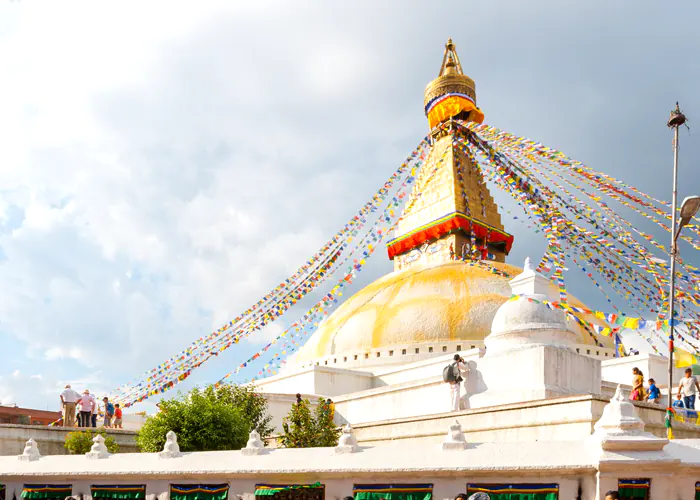
Max. Altitude
1,360 m
Best Season
All Seasons
Activity
Buddhist Cultural Tour
Start / End Point
Kathmandu/Kathmandu
Overview of Kathmandu Buddhist Monuments Tour
The Kathmandu Buddhist Monuments Tour is a valuable cultural experience that takes you to the most significant Buddhist heritage sites in Nepal. This tour is targeted at people who do not want to be burdened with the physical challenges of exploring spirituality, history, and the local culture. It is suitable for people of all ages and does not require hiking or hard work. It is more of a combination of easy travels, brisk strolls, and educational guided tours of the sacred places of worship that have been associated with the life of lord Buddha.
The tour begins in Kathmandu, the colourful capital of Nepal, at a height of around 1350m, 4430ft. You visit the most favoured sites in the Buddhist religion, such as the Swayambhu Stupa and the Boudha Stupa. When passing around the stupas, you can find monks reciting, the prayer wheels spinning, and devotees performing rituals. It is a holy and very spiritual site, which gives a strong introduction to Buddhism in Nepal.
The tour continues to serene places outside of the city, like Pharping and Namobuddha. Namobuddha is one of the most sacred places of Buddhist pilgrimage in Nepal and is at 1,750 m / 5,740 ft. It is said that it is where Buddha showed his supreme compassion during his final life. The landscape and hilltop monastery render the place very quiet and reflective, which is very touching to many travellers.
Another major attraction of the Kathmandu Buddhist Monuments Tour is visiting Lumbini, the birthplace of Lord Buddha, in the southern plains at 150 m, 490 ft. Lumbini is a peaceful and religious site, being a UNESCO World Heritage Site. You visit the Maya Devi Temple, the Ashoka Pillar and foreign monasteries constructed by Buddhist fraternities of the world. The serene gardens and holy ponds are reflective and meditative.
The tour will also comprise time in the beautiful city of Pokhara in Nepal. A visit to the World Peace Pagoda, which lies at an altitude of 1,100 m / 3,610 ft (1,100 m), 900 m, in the early morning gives you a stunning sight of the mountains and the Lake of Phewa. This is a great instance of serene beauty to think about the spiritual experiences of the journey.
In the Kathmandu Buddhist Monuments Tour, there is a comfortable form of travelling consisting of personal vehicles and domestic flights. Life Himalaya Trekking will make the tour very detail-oriented, with a focus on the organisation of the logistics, guides who know their business and at a comfortable pace.
All in all, this tour would be worth trying for all the travellers who want to get deep into the culture, spiritual experience and be comfortable. It provides a balanced mix of Buddhist tradition, nature, and Nepalese hospitality that will leave memories and a better understanding of Buddhism.
Highlights of Kathmandu Buddhist Monuments Tour
- Explore the religious core of Nepal by paying visits to Buddhist religious sites and monuments listed in the UNESCO World Heritage.
- Walk around the Boudha Stupa and experience the gentle beat of prayer wheels and singing monks.
- Tour the Swayambhu Stupa, with apanoramic view of Kathmandu Valley.
- See the birthplace of Lord Buddhaand visit the monasteries constructed by the Buddhist communities of the world.
- Experience the serenity of Namobuddha, one of the most significant Buddhist pilgrimage places in Nepal.
- Catch a beautiful sunrise in the World Peace Pagoda overlooking Pokhara and the Annapurna range.
Kathmandu Buddhist Monuments Tour Itinerary
01
Arrival in Kathmandu
You have started your trip to Nepal by arriving at Kathmandu, the capital of Nepal. Upon your arrival at Tribhuvan International Airport, our crew from Lie Himalaya Trekking welcome you with a traditional Nepalese greeting. You are driven comfortably to your hotel in the city centre. Kathmandu is located at 1,350 m / 4 430 ft altitude with green hills and a rich cultural heritage.
The remaining day is free to relax after check-in. You can spend the day in the hotel or take a stroll in and around the local streets. It is an evening where we meet to have a briefing on the tour, where your guide will explain about the Kathmandu Buddhist Monuments Tour. Cultural tips, important details, and safety information are exchanged, and you are also encouraged to ask questions.
Provided that there is some time, you can tour the surrounding places like Thamel or Basantapur. All these neighbourhoods are crowded with colourful shops, cafes, prayer flags, and local life. They provide an excellent initial impression of the colourful Nepal.
We later have a welcome dinner in a local restaurant. Nepalese dishes are offered with traditional Nepali music in a soft tone, serving as the main meal with the taste of the local cuisine and hospitality.
The first day is easy and pleasant, as it is more about getting familiar with the place, introducing yourself to your guide, and getting your mind ready to go on the spiritual journey. An overnight stay in Kathmandu will make you feel relaxed and willing to explore.
Maximum Altitude
1,350 m (4,430 ft)
Meals
Dinner
Accomodations
Hotel

02
Pharping Asura Cave & Swayambhunath
The spiritual journey of the day starts with a picturesque tour of Pharping village, a quiet village on the southern boundary of Kathmandu Valley, after taking breakfast. This is a very significant area in Tibetan Buddhism. The most notable place is the holy Asura Cave, where the Guru Padmasambhava is said to have achieved enlightenment. The cave has a very soothing and meditative environment, the prayer flags, butter lamps and gentle chanting make a strong spiritual force in the cave.
There are monasteries and a huge statue of Guru Rinpoche that overlooks the valley. We then drive back to Kathmandu after we have spent some time in Pharping.
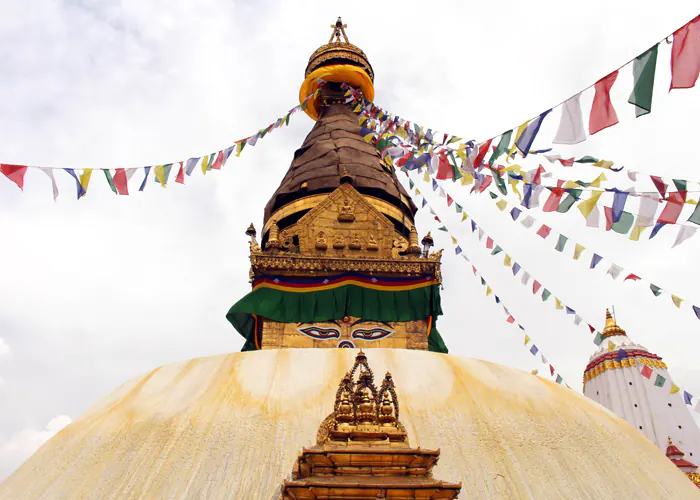
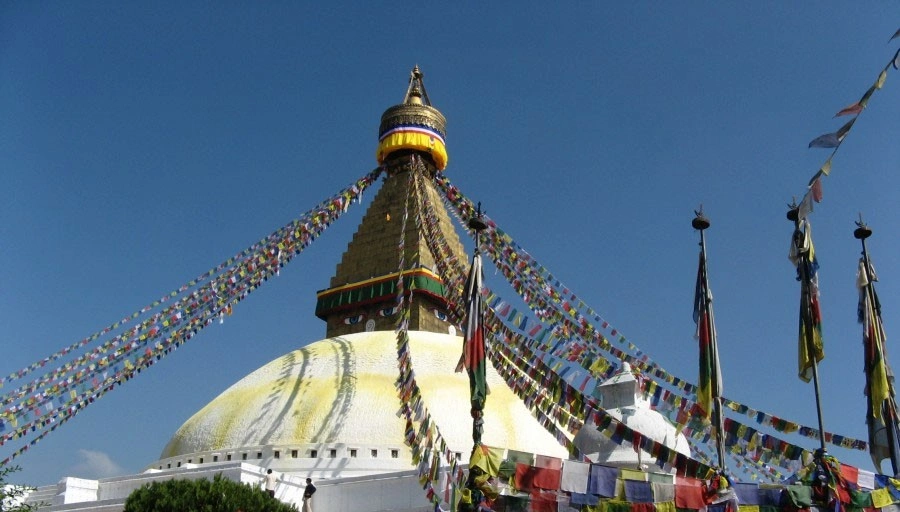
Later in the afternoon, we go to the Swayambhu Stupa, which is also referred to as the Monkey Temple. This old stupa is located on a hill and is approximately 1,400 m / 4,590 ft, and provides scenic views of the Kathmandu Valley. You use stone steps to climb to the top, where prayer wheels are turning, and monks are chanting. The golden spire and the white dome that is painted with all-seeing eyes of Buddha are very symbolic.
Monkeys frequently romp around the area, and they bring life and attractiveness to the visit. Your guide tells you about the history, symbols, and legends that are associated with this holy place. When the air is filled with incense, you can have some quiet time.
Later in the evening, we go back to the Kathmandu hotel.
Maximum Altitude
1,400 m (4,590 ft)
Meals
Breakfast
Accomodations
Hotel
Transportation
40 km drive
03
Boudhanath Stupa & Namobuddha
This morning, we start with Boudha Stupa, which is one of the biggest and most significant Buddhist stupas in the world. It is the religious hub of the Tibetan Buddhists of Kathmandu. As you circumambulate the stupa clockwise, you will accompany locals and pilgrims who are rotating prayer wheels and chanting mantras. The calm beat of prayer makes it an immensely relaxing one.
Monasteries, shops and rooftop cafes surround the stupa. You can find monks either praying or putting on butter lamps. Your guide tells you what this design of the stupa is and what rituals Buddhists perform here. This is usually one of the most important sites of the tour because a very high spiritual power is emitted at this place.
We continue to drive east, then to Namobuddha later through picturesque country with terraced fields and small villages. Namobuddha is also one of the most sacred Buddhist pilgrimage sites in Nepal, with an altitude of 1,750 m / 5,740 ft. This is where Prince Siddhartha gave up his own body in order to rescue a starving tigress and her cubs, being the most compassionate of all.
We also pay a visit to Thrangu Tashi Yangtze Monastery at Namobuddha. It is possible to walk through the territory of the monastery, see the elaborate artworks, and appreciate the serene environment. The green hills and the far mountains are there to add to the serenity.
Late in the afternoon, we go on to Dhulikhel, and there you spend the night in a serene hill-top location.
Maximum Altitude
1,750 m (5,740 ft)
Meals
Breakfast
Accomodations
Hotel
Transportation
35 km, 2 hours drive
04
Fly to Bhairahawa& Lumbini Pilgrimage
This day opens with an early morning flight between Kathmandu and Bhairahawa, which would save a great number of hours on the road. Upon our arrival, we go to Lumbini, which is the birthplace of Lord Buddha and one of the most holy pilgrimages in the world. Lumbini is located in the southern plains of Nepal at an altitude of 150m / 490ft and is classified as a UNESCO World Heritage site.
Going through the Lumbini Garden, which is peaceful and well-maintained, one is caught up in the ambience of tranquillity and worship. We go to the Maya Devi Temple, the very spot where Queen Maya Devi gave birth to Prince Siddhartha. The Ashoka Pillar, which was constructed by the emperor Ashoka in the 3rd century BCE, is also present in the area, affirming that Lumbini is the birthplace of Buddha.
There is also the pond that is considered holy and in which the infant Buddha is said to have taken his first bath. When walking in the area, you can find the monasteries of other countries, which include Thailand, Japan, Myanmar, Tibet, and Sri Lanka. Every monastery represents architectural peculiarities and religious traditions.
Your guide tells you about the childhood life of Buddha and why Lumbini is so significant to Buddhists in the world. You can enjoy yourself and meditate among the trees.
During the night, we reach a nice hotel in Lumbini. It is the ideal place to relax and ponder the day due to the serene environment.
Maximum Altitude
150 m (490 ft)
Meals
Breakfast
Accomodations
Hotel
Transportation
35 mins flight and 22 km drive
05
Drive to Pokhara via Tansen
Then, following breakfast, we go on a long scenic drive out of Lumbini to Pokhara. The trip takes us through the changing scenery, the plains of the lowland,and to the green hills. On the trip, we cross rivers, terraced fields and traditional villages, and this provides a glimpse of the ordinary Nepali life.
We stop at Tansen, a beautiful hill town with Newari culture and antique bazaars. Tansen is elevated at 1,372m / 4,500ft, and it has a fresh mountain atmosphere and favourable views. You will have lunch and take a little walk around the town, see the typical houses, and local stores.
We resume our journey into Pokhara after the break, slowly descending into the Pokhara Valley. Late in the afternoon, we get to Pokhara, a picturesque lakeside city that is surrounded by mountains.
You enter your hotel in the area of Phewa Lake. When you have time and strength to spare, you may take a stroll on the shore of the lake, where thecolored boats sail on smooth water, and the reflections of the mountains are rippling on the surface. It is an ideal destination to relax after driving hard.
Spend the night in peace in Pokhara, in preparation for the last day of your journey.
Maximum Altitude
1,372 m (4,500 ft)
Meals
Breakfast
Accomodations
Hotel
Transportation
210 km, 7- 8 hours
06
Sunrise at Peace Pagoda – Fly to Kathmandu & Departure
On our last day of the trip, we got up early to enjoy an unforgettable experience of the sunrise. A few minutes of driving is followed by a leisurely uphill stroll, which takes us to the World Peace Pagoda, which is situated above Phewa Lake at 1,100 m / 3,610 ft. It was constructed as a symbol of peace and has one of the best views of Pokhara.
During the time of sunrise, the mountain ranges of Annapurna and Dhaulagiri slowly turn yellow. The tranquillity of the lake below and the silence of the surroundings make this a very peaceful scene. You can shoot pictures and relax in the calm environment.
We go back to the hotel, after which we breakfast and then board a flight back to Kathmandu, which is short in duration from Pokhara Airport. On arrival, our crew helps with your transportation to your hotel or directly to the international airport according to your departure time.
You can do some last-minute shopping or sightseeing in Kathmandu in case there is time. We wish you a safe homecoming. It is at the end that you have had meaningful spiritual experiences and leave Kathmandu Buddhist Monuments Tour with unforgettable memories. Namaste!
Maximum Altitude
1,100 m (3,610 ft)
Meals
Breakfast
Transportation
25 mins flight
Equipment Checklist 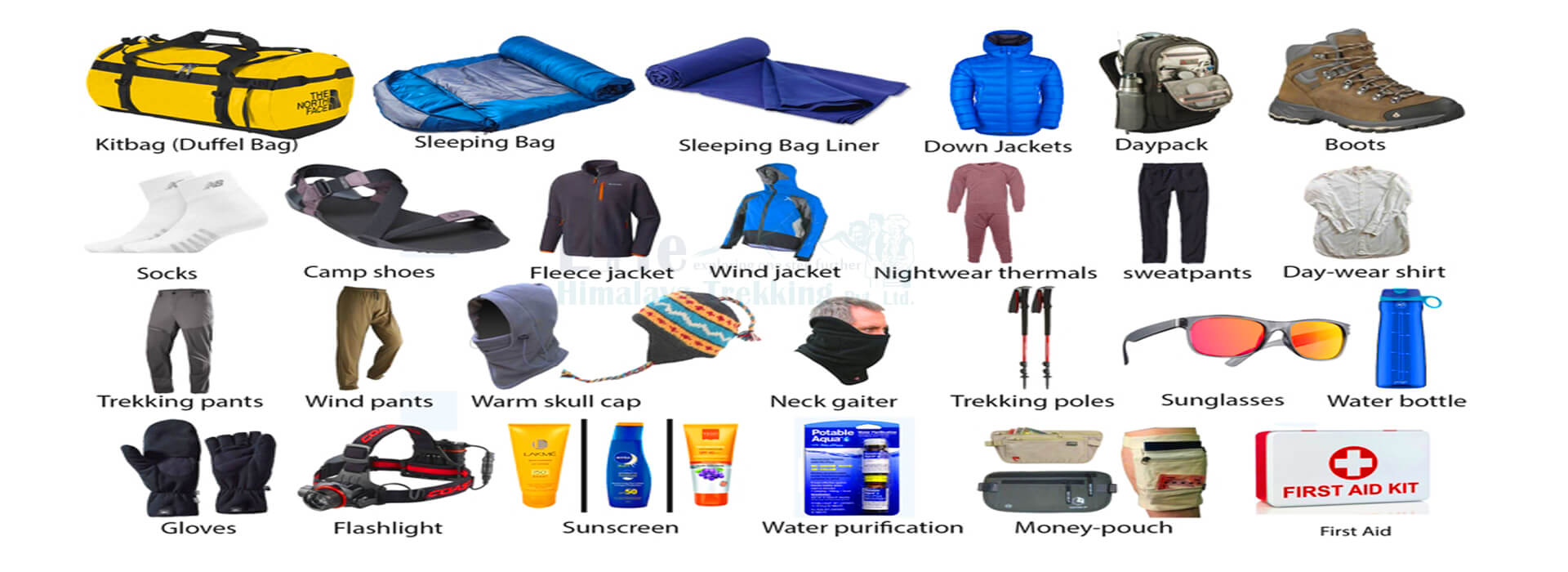

Required Equipments for Trekking in Nepal
- Breathable Underwear
- Sports Bra
- Base Layers
- Trekking Shirts
- Trekking Trousers and Shorts
- Fleece Jacket
- Down jacket (insulated jacket)
- Windcheater (water proof)
- Sun protection Hat
- Headband or Beanie
- Scarf or neckband
- Gloves (inner and outer )
- Hiking Boots
- Trekking Shoes
- Hiking Socks
- Thermal Socks
- Gaiters
- Duffel Bag
- Day pack
- Sleeping Bag
- Trekking poles
- Sunglasses
- Hydration bladder or Water bottle
- Head Lamps
- Batteries
- Personal towel
- Swiss army knife
- Sun lotion
- Medical & first-aid kit
- Woolen socks
- Waterproof jacket
- Lip Guard
- Insulated pants
- Baby wipers
Required Equipments for Climbing in Nepal
- Water bottle
- Batteries and bulbs
- Flashlight
- Personal towel
- Swiss army knife
- Rucksack
- Sun lotion
- Medical & first-aid kit
- Sewing kit
- Polypropylene/wool socks
- Other required equipment
- Sleeping bag
- Down Jacket
- Waterproof jacket
- Trekking shoes/boots
- Camp shoes
- Jumperorpile jacket
- Hiking pants
- Hiking shirts
- Full–sleeves shirt
- T-shirts
- Sun hat
- Gloves
- Woolen hat
- Long underwear
- Goggles or sun glasses
- Gaiters
- Sun block for lips
- Light cotton socks
- Mountain trekking boots
- Woolen socks to wear with boots
- Nylon wind breaker
- Insulated pants
- Nylon wind pants
- Long sleeved cotton/woolen shirts
- Sun hat
- Long cotton hiking shorts
- Fleece/wool for climbing
- Lightweight fleece
- Sleeping pad (karri mat) or thermarest
- Down high altitude sleeping bag
- Down jacket/trousers/vest
- Light cotton athletic socks and wool socks
- Water proof climbing jacket
- Head torch/batteries/bulbs
- Climbing sunglasses
- Lightweight thermal/insulated ski gloves
- Sun screen
- Warm climbing trousers
- Wool long underwear
- Other required equipment
- Climbing boots
- Gaiters
- Ice axe
- Harness
- Crampons
- Karabiners
- Tapes/slings
- Snow bars
- Ice screws
- Rock pegs
- Deadmen
- Crash hat
- Day bag
- Rucksack
- Lip salve
- T-shirts
- Ascenders
- Ascenders
- Kit bag
Include
What’s Included
- Airport drop-offs and pick-ups in Kathmandu
- All ground transport in the tour (comfortable car/van, based on the size of the group)
- Domestic flights from Kathmandu to Bhairahawa and Pokhara to Kathmandu
- English-speaking cultural guide and seasoned driver during the whole journey (including their salary, meals, and insurance)
- 5 nights’ stay in 5-star hotels/resorts (twin sharing, inclusive of breakfast)
- Breakfast throughout the tour
- Entrance fee to all the monuments, temples and the parks listed in the itinerary.
- Relevant government taxes and office services overheads.
Exclude
What’s Excluded
- Nepal entry visa fee (visa that can be taken at Kathmandu airport, and it has to be paid in cash)
- Airfare between Nepal and other countries, and any travelling costsbefore/after the tour.
- Lunches, dinners and drinks, except breakfast.
- Any personal costs like snacks, alcoholic drinks, laundry, phone calls, and souvenirs
- Travel insurance on your trip (compulsory, should also cover medical and emergency evacuation)
- Any other sightseeing and activities not included in the itinerary (add-ons)
- Some tipsfor your guide and driver (not obligatory, depending on your satisfaction)
Kathmandu Buddhist Monuments Tour - Essential Information
Trek Difficulty
The Kathmandu Buddhist Monuments tour is a less demanding and leisurely tour which can be enjoyed by tourists of all ages and fitness. In this tour, there is no prolonged and difficult trekking. Rather, it takes short strolls around key Buddhist destinations, and hence it is suitable for beginners, seniors, and families with kids. Most tourist destinations can be accessed using a personal vehicle, which minimises physical exertion and tiredness in travelling.
The tour will include things like stairs at Swayambhu Stupa and walking up hillsides gently in places such as Namobuddha. Such walks are brief, leisurely, and very comfortable. When necessary, rest breaks are taken, and there is no stress to hurry.
The World Peace Pagoda in Pokhara also entails a short walk uphill, which is not as hard as long as one is somewhat fit. The Kathmandu Buddhist Monuments Tour does not require any trekking experience or other special skills in order to enjoy the tour. All that you need is comfortable walking shoes and a positive attitude.
On the whole, this is a comfort, cultural learning and spiritual discovery tour of Nepal, and not a physically challenging one.
Weather and Best Season
The Kathmandu Buddhist Monuments Tour may be done all year round; however, selecting the season would make the experience more comfortable and enjoyable. This tour suits the spring (March to May) and the autumn (September to November) the most. The seasons are pleasant, and the temperatures during these seasons are beautiful in terms of sightseeing.
Spring is associated with colour and fresh vegetation, whereas autumn is associated with clear air and good visibility. These are the ideal months to go on a hilltop tour, such as Namobuddha, located 1,750 m / 5,740 ft and take a calm outdoor walk. Good weather also enhances the mountain scenery in such destinations as Pokhara and Dhulikhel.
Another good alternative is winter (December to February). The weather is mostly warm and sunny, but the morning and evening hours can be cold, particularly in hilly towns. A reduced number of tourists in the winter season translates to fewer tourist visits to tourist attraction sites.
The rain and humidity come with the monsoon season (June to August). Although it is possible to travel, the cloudy skies and slippery roads can interfere with plans. To achieve optimal weather and comfort, spring and autumn are very suitable in Kathmandu Buddhist Monuments Tour.
Food & Drink
Food is another enjoyable section of the Kathmandu Buddhist Monuments Tour, which consists of a mix of traditional Nepali flavour and international cuisine. Most of the Nepali, Tibetan, Indian, and Western foods are available in several restaurants within cities such as Kathmandu and Pokhara. A healthy and satisfying meal that one should not miss is the dal bhat, a traditional dish of rice, lentil soup, and vegetables and pickles.
Breakfast in hotels will be provided and generally includes simple meals such as bread, coffee or tea, porridge, eggs, and toast. The tour package does not include lunch and dinner, so you can order anything according to your taste and appetite. Your guide may advise you on clean and good restaurants on the way.
Hot beverages like tea and warm meals are particularly welcome in cooler places like Namobuddha, located at 1, 750 m / 5, 740 ft. For clean drinking water, bottled or boiled water should be used. Do not use tap water and ice unless you are certain that it is purified.
On the whole, food on the Kathmandu Buddhist Monuments Tour is safe, diverse, and pleasant in case of adherence to basic hygiene guidelines.
Altitude Sickness
The Kathmandu Buddhist Monuments Tour does not develop altitude sickness since the tour remains at fairly low altitudes. Its peak is Namobuddha, around 1,750 m/ 5,740ft. This is quite low compared to the altitude at which altitude sickness is supposed to occur.
The tour is mostly conducted at lower levels. Kathmandu is approximately 1350 meters above sea level, Pokhara is approximately 800 meters above sea level, and Lumbini is at a low elevation of 150 meters above sea level. At such a height, visitors tend to be relaxed even when they are on their first visit to Nepal.
A few individuals might experience a little bit of difficulty in breathing when climbing up the mountain, but that is natural and temporary. The Kathmandu Buddhist Monuments Tour is of a slow-moving nature and relaxed in that it gives your body time to adapt naturally. It does not involve a quick climb and staying at a high level.
Simple habits such as keeping hydrated, eating properly, avoiding over-exertion, and so on can make you feel your best. In most cases, the altitude is not hazardous to the traveller with pre-existing conditions, and therefore, before travelling, youcan consult your doctor.
Preparation and Fitness
The Kathmandu Buddhist Monuments Tour is a relatively easy tour that also does not need any specific preparation. The minimal health condition and comfort in walking within a short distance are sufficient to experience this cultural adventure. The majority of the walking is done when sightseeing, with lots of breaks and ample time to rest.
It is also necessary to wear comfortable walking shoes, and this is important during temple visits and climbing stairs in locations such as Swayambhu. Loose garments can be worn during the day, and a warm jacket is handy in the mornings and evenings, especially in the hill regions like Namobuddha at 1,750 m / 5,740 ft.
For protection from the sun, hats, sunglasses and sunscreen are advised.
Trekking gear and technical equipment are not required. There is no previous trekking or travelling experience needed. When you can walk one to two hours casually, you are in good shape to take the Kathmandu Buddhist Monuments Tour.
Sleeping well, consuming plenty of water, and doing light daily exercise will also ensure that your energy levels are high before the trip. The tour is aimed at making it a comfortable, educational and fun experience.
Visa and Permits
To take the Kathmandu Buddhist Monuments Tour, you require a Nepal tourist visa. A visa is readily issued to most travellers at Tribhuvan International Airport in Kathmandu. You will be required to have a passport whose expiry is not less than six months, a passport-size photograph and the visa fee in cash. The visa can be taken over different periods, like 15 or 30 days.
To save time when arriving in Nepal, you can obtain a Nepal visa at the Nepalese embassy or online. Our airport personnel are also there to help you when required.
There are no special trekking permits needed in the Kathmandu Buddhist Monuments Tour since it is not a trek, but a cultural visit. Our team from Life Himalaya Trekking takes care of the entrance fees of big attractions like Swayambhu Stupa, Boudha Stupa and Lumbini.
Additional permits are not required even in visit hill areas such as Namobuddha at 1,750 m / 5,740 ft. All arrangements are made in your favor and you will not have to spend time on papers and administration.
Health & Safety
The Kathmandu Buddhist Monuments Tour is very important to your health and safety. Nepal is considered to be a safe tourist destination, and the inhabitants are easy and supportive. Nevertheless, it is suggested that you leave your valuables in the car or hotel and avoid crowded areas.
To be on the safe side, never consume tap or unclean water and never eat in fast food outlets that don’t look hygienic to you. This is to avoid stomach issues.
Training on first aid is provided to our guides, and we have a basic medical kit to help in case of minor problems. Kathmandu and Pokhara have good hospitals and clinics in the event of need. Always remember the instructions of your guide, particularly when visiting a site or during travelling days.
The Kathmandu Buddhist Monuments Tour is set to be relaxing and easy. In the capable hands of care and civic sense, one can have a safe, calm and enriching experience of the Buddhist heritage of Nepal.
Transportation
The Kathmandu Buddhist Monuments Tour is well-organised by Life Himalaya Trekking in terms of transportation, which allows the experience to be comfortable, safe, and convenient. Ground travels are made via a personal vehicle, either a car or a van, based on the size of the group.
The option of using a personal vehicle will mean that you can make photo stops, take a break, and make minor changes to the schedule, making the trip itself a good and stress-free experience.
Our vehicles are clean, air-conditioned and in excellent condition. They are managed by professional local drivers who understand the road situation in Nepal, the urban traffic and the winding mountain roads. The quality of roads in Nepal may differ, particularly in the rural or hilly regions; however, the quality becomes smooth and a safe experience when a professional driver is at the wheel.
The Kathmandu Buddhist Monuments Tour has two domestic flights to save on the long hours of the road. There is one flight connecting Kathmandu with Bhairahawa to visit Lumbini, and there is another flight connecting Pokhara to Kathmandu. The flights are 25-35 minutes and save a complete day of road transport.
We include airport transfers, sightseeing of the city and hotel pick-ups. There is no need to use public transportation or call a taxi. You will not have to worry about the transportation logistics and will be able to have a complete experience of the trip.
Travel Insurance
Anyone takingthe Kathmandu Buddhist Monuments Tour is recommended to take travel insurance. This tour is not difficult or risky, but unpredictable ordeals like flight delays, illnesses, and lost baggage can occur anywhere. Travel insurance is a guarantee of peace of mind and money.
A worthy insurance policy must cover medical emergencies and treatment in the hospital, and emergency evacuation where necessary. Although the majority of the locations included on this tour are at low altitudes, it is still necessary to have medical insurance in regard to overall health issues.
It should also be insured in case of cancellation or interruption of a trip because of some personal emergency, weather conditions or airline.
There is no need to worry, the medical care in Nepal is relatively reasonable, and with the insurance, one is sure to get the best facilities. Travellers should purchase their travel insurance before coming to Nepal, and our company does not offer any such services.
Most countries have short-term travel insurance plans which are readily accessible. Remember to keep your insurance and your emergency contact details with you during the Kathmandu Buddhist Monuments Tour. Such a little precaution will contribute to a safe and carefree trip.
Your Extra Expenses
Although there are numerous services covered by the Kathmandu Buddhist Monuments Tour, you are advised to budget some money on your own. Lunches and dinners are not typically covered, and you have a choice in order to select meals according to your tastes. In Nepal, food is not expensive, and a majority of the foods cost between USD 5 and USD 15.
You need to plan on drinks, snacks, souvenirs and personal shopping too. Nepal is associated with handicrafts, prayer flags, paintings and handmade clothes, and most of the travellers love to shop for them. You are not obliged to tip your guide and driver, but are welcome to good service.
These additional costs will be your Nepal visa fee, travel insurance, and activities that will not be covered in the itinerary. The currency of Nepal is Nepali Rupee (NPR). Money exchange services and ATM are common in Kathmandu and Pokhara.
Cash will be more convenient in a small town or pilgrimage place than cards. By budgeting before you go, you can have peace of mind and have a good time in Kathmandu Buddhist Monuments Tour without worrying about money.
Language & Communication
The Kathmandu Buddhist Monuments Tour provides an easy time with communication, even to those who have never been to Nepal before. The Kathmandu and Pokhara tourism sector speaks English. Hotel employees, guides, restaurant employees and shopkeepers know basic English.
Your tour guide is fluent in the English language and will help with translation when necessary. The official language in Nepal is Nepali, and you can also hear Tibetan being spoken in the Buddhist regions.
It is not a bad idea to learn a few words of the local language. The use of Namaste to greet people or Dhanyabad to say thank you can also establish cordial relationships with the locals. The majority of the signboards, menus, and tourist information are written in English and Nepali.
Mobile networks are good within the urban areas, and Wi-Fi is found in the majority of hotel rooms and cafes. In general, the Kathmandu Buddhist Monuments Tour does not pose any obstacle to language and communication, and the trip is well organised and easy to communicate with.
Don’ts on This Trip
When visiting the Kathmandu Buddhist Monuments Tour, it is important to respect the traditions of the locals. In case of visiting the temples and monasteries, dress modestly, covering your shoulders and knees, and always take off your shoes when entering the sacred areas. This is a display of respect for religious traditions.
You should not point your feet at the statues or shrines. You must not touch anything religious when you are not instructed to do so by your guide. Never take photos of people or inside monasteries without permission, and photography can be confined.
Public display of affection is not allowed, and one should not touch the head of a person; the head is regarded as sacred. Do not litter, smoke or act rudely in religious places.
Do not just hand money over to the child beggars or monks. Should you want to donate, consult your guide on how to do it decently and honourably. These are some of the basic guidelines that will make you feel welcomed and culturally appreciated during the tour.
Photography & Drone Rules
The Kathmandu Buddhist Monuments Tour also includes photography, and in most of the major sites, a visitor is permitted to take photographs. Such sites as Swayambhu, Boudha, and Lumbini provide great chances to photograph architecture, rituals and everyday life.
Always remember to be respectful when taking photos. Do not flash a light in the middle of a prayer, or take pictures of people without asking them. Photography can be limited in certain monasteries, so obey the signs or the guidance of your guide.
The use of drones in Nepal is very controlled. Drones are not permitted to fly close to the heritage sites, religious monuments, and populated places without a special government permit. Drone usage is not advisable on this tour since the process of obtaining the permit is complicated.
Handheld photography is more than adequate to get beautiful scenery. It is possible to be responsible about memories and enjoy the moment by focusing on respectful and simple photography.
Tips for First-Time Nepal Visitors
If this is your first visit to Nepal, you should visit the Kathmandu Buddhist Monuments Tour as an introduction to this country. Change a bit of the money into Nepali Rupees (NPR) on arrival. The ATM is prevalent in urban areas, whereas cash is applicable in smaller communities.
It is considered welcome to greet people with Namaste. The bargaining in the local markets is a normal phenomenon, whereas prices are determined in restaurants and shops with price tags. Negotiate amicably and tolerantly.
Nepal has a leisurely lifestyle. Small delays can be encountered due to traffic, festivals or weather, particularly when going to hilly places. Flexibility and patience will contribute to the enjoyment of the experience.
The local traditions should be honoured, one should dress decently in religious places, and you should ask your guide if you are not sure about anything. Nepali people are very friendly and welcoming, and respecting them will enable you to get deeper into the culture and people throughout the journey.
FAQs For Kathmandu Buddhist Monuments Tour
Can the Kathmandu Buddhist Monuments Tour be doneby children and senior people?
Yes. Kathmandu Buddhist Monuments Tour is a family tour and easy to do, with short, gentle walks that are not strenuous,with a personal vehicle.
What is the accommodation type in this tour?
The tour comprises comfortable 4 or 5-star hotels and resorts with contemporary facilities and breakfast in Kathmandu, Dhulikhel, Lumbini, and Pokhara.
Do the flight charges between the destinations form part of the tour price?
Yes. The package will cover domestic flights from Kathmandu to Bhairahawa and Pokhara to Kathmandu.
Will I be picked up by somebody at the airport?
Yes. Both arrival and departure will have private airport pick-up and drop-off services.
Is any prior knowledge of Buddhism required to have fun on this tour?
No. It is a beginner-level tour, and the guide describes the history of Buddhism and the practices understandably and straightforwardly.
Do I have to walk daily on this tour?
Yes, the movement is light and easy, as it requires visits to the sites occasionally and some staircases, with frequent breaks.
What should I bring to this trip?
You are to bring such items as comfortable clothing, walking shoes, layered clothing, sun protection, personal medications, and basic travel necessities.
Is it a private or a group tour?
Kathmandu Buddhist Monuments Tour is a private tour, which is normally run privately to give a personalised experience.
Is it possible to tailor or prolong the itinerary?
Yes. The itinerary may be modified or increased depending on personal interests and time.
Is the food includedand what is the type of food?
Breakfast is served every day, whereas lunches and dinners are not included in the package and the choice of dishes is extensive,with both Nepali and international options.
Should I have any vaccinations before travelling to Nepal?
There are no compulsory vaccinations and a doctor should be consulted about the regular travel health consultation.
Will I be able to use credit cards and ATMson the trip?
Major cities have a wide availability of credit cards and ATMs, whereas minor towns/local markets require cash.
Will I get an opportunity to interact with monks or observe ceremonies?
Yes. You can witness prayers and ceremonies, and some respectful contacts can be organised by the guide.
Is Nepal a safe travel destination, even for solo female travellers?
Yes. Nepal is a safe country, and this guided tour offers additional security and assistance during travel.
Should I tip the guide and driver?
Tipping is not compulsory but is welcome, and the amount that you tip is wholly in your hands.
Is it possible to purchase a local SIM with internet?
Yes. Local SIM cards with internet are readily available when one arrives.
What would be the case if my international flight is delayed?
Your flight is monitored and pick-up times are adjusted to ensure transfers take place smoothly.
Are there any special ceremonies or festivals on the tour?
With time, you might be able to observe local rituals or festivals, which your guide will elaborate upon with respect.
How good are the toilet amenities during the tour?
Western-style toilets are available in hotels and most stops, but simple facilities can be employed in small towns.
What is the procedure for reserving the Kathmandu Buddhist Monuments Tour and paying?
You can make reservations by calling Life Himalaya Trekking, making a deposit to reserve the place and paying the rest on-arrival at Kathmandu.
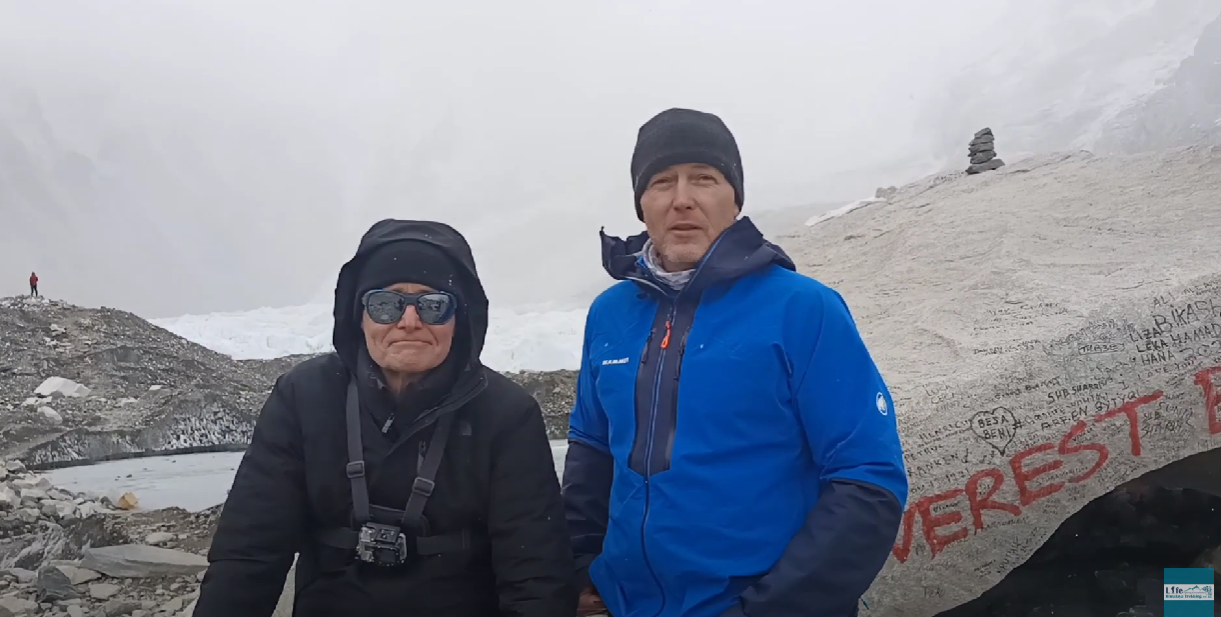
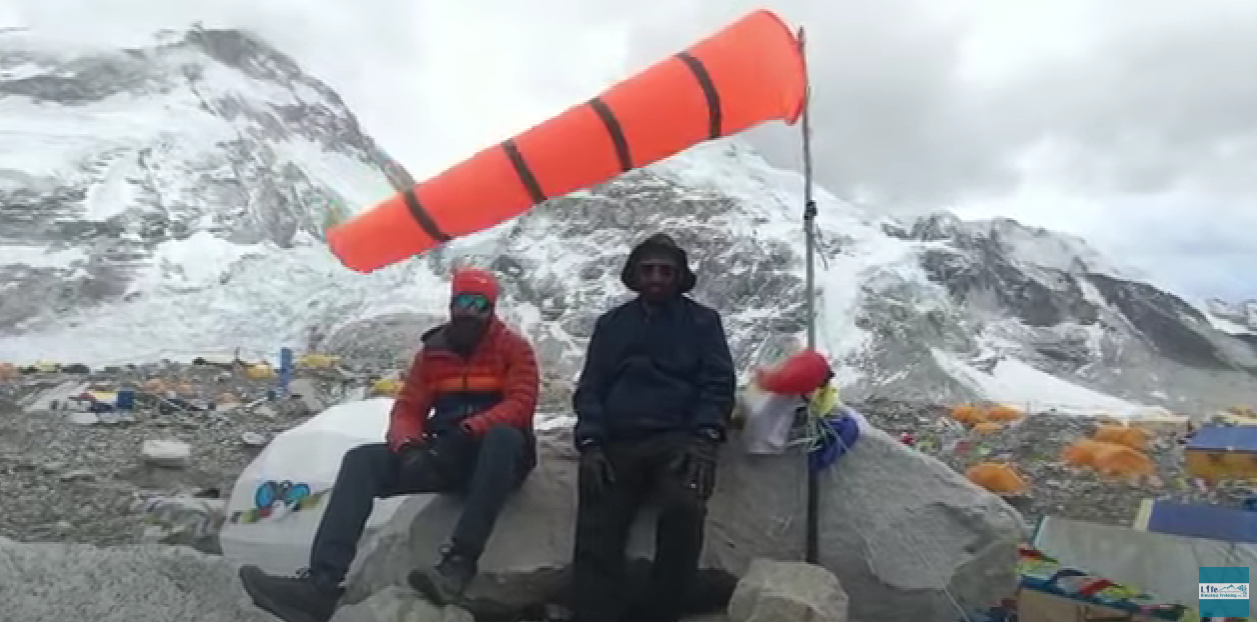
Video Reviews





Tripadvisor Reviews
Similar Trips
Join us on similar trips in the same region
View Details
Premium Nepal Tour – 9 Days
View Details
Annapurna Base Camp Trek Helicopter Return
View Details