
 English
 Dutch
Dutch Japanese
 Hindi
Hindi Italian
 Spanish
 French
 German
 Chinese
 Korean
 Arabic
 Hebrew
 Russian
 Portuguese
 Danish
 Czech
Czech Polish
 Swedish
Best Trekking Company for Kathmandu Lukla Flights and Everest Region Treks
Choosing the right trekking company matters most in the Everest region, especially when flights, weather, safety, and logistics are involved. Life Himalaya Trekking specializes in managing Kathmandu Lukla return flights with the most reliable airline and helicopter options, ensuring smooth coordination even during challenging weather conditions. When flights are delayed or canceled due to weather, Life Himalaya Trekking’s strong connections with helicopter companies allow priority arrangements for their clients, helping minimize disruptions to the journey.
Best Trekking Company for Kathmandu Lukla Flights and Everest Region Treks
Choosing the right trekking company matters most in the Everest region, especially when flights, weather, safety, and logistics are involved. For anyone planning a trek in the Everest region, the journey does not begin on the trail. It begins much earlier—with logistics, decisions, and trust. One of the most important parts of this planning is the flight between Kathmandu and Lukla, often described as the gateway to the Khumbu Himalayas. While the flight itself is short, managing it well requires experience, strong local coordination, and an understanding of Himalayan weather.
This is where choosing the right trekking company makes a real difference, and this is where Life Himalaya Trekking becomes more than just an organizer—it becomes a trusted partner in your Himalayan journey.

Why the Kathmandu Lukla Flight Matters So Much
Lukla Airport, officially known as Tenzing–Hillary Airport, is one of the most challenging mountain airstrips in the world. Flights operate only under suitable weather conditions, and delays or cancellations are common due to clouds, wind, or visibility. For trekkers, this can affect not just travel plans, but the entire trekking schedule.
A well-connected local trekking company does more than book a ticket. It actively manages risk, communicates clearly, and finds solutions when conditions change. This level of coordination is essential in the Everest region, where flexibility and local knowledge matter more than rigid plans.
Reliable Airline and Helicopter Options
Life Himalaya Trekking specializes in managing Kathmandu–Lukla return travel through the most dependable airlines operating in the Everest region. Lukla is one of the most weather-sensitive airports in the world, and delays are common even during peak trekking seasons. Understanding this reality, Life Himalaya Trekking plans every journey with flexibility in mind, ensuring travelers are never left uncertain or unsupported.
When fixed-wing flights are delayed or grounded due to weather conditions, helicopter flights are offered as an alternative—an option that can be especially valuable for travelers with limited time, international connections, or carefully planned schedules. These helicopter services are not treated as last-minute solutions, but as part of a well-prepared contingency plan.
Thanks to long-standing working relationships with trusted helicopter companies, Life Himalaya Trekking is often able to secure priority arrangements for its groups during short weather windows. This does not mean compromising safety in any way. Helicopter flights are operated strictly within safe weather conditions and under professional aviation standards. What it does mean is access—access to reliable options, informed decision-making, and timely coordination that many independent travelers or less-connected operators simply do not have.
As a result, clients benefit from smoother transitions, reduced waiting times, and a greater sense of control, even when mountain weather is unpredictable.

Private Treks and Flexible Travel Planning
Not everyone imagines Everest the same way. Some people want the quiet of walking at their own pace. Some want time to pause, rest, or simply take it all in without feeling rushed. And some prefer sharing the trail only with the people they came with. This is where private treks matter. Life Himalaya Trekking arranges private journeys for individuals, families, couples, and small groups who want more control over how their days unfold. Walking hours can be adjusted.
Rest days can be added when needed. Lodges can be chosen with comfort in mind. Even travel plans, including flights, are handled with flexibility whenever conditions allow. In a region like Everest—where altitude affects everyone differently—this kind of freedom is not a luxury, it’s practical. It allows the journey to adapt to the person, rather than forcing the person to adapt to a rigid plan.
Redefining Luxury in the Himalayas
In the mountains, luxury means something very different. It is not about excess, show, or indulgence. There are no marble floors or grand rooms here. Instead, luxury in the Himalayas is about comfort where it truly matters, safety when conditions are unpredictable, and planning that allows the journey to feel calm rather than rushed.
Out on the trail, luxury becomes simple things done well. A warm room after a cold day. A well-timed rest day that lets your body adjust naturally. Clear decisions when weather changes. And knowing that someone is quietly taking care of logistics while you focus on walking, breathing, and taking in the mountains around you.
This is the philosophy behind luxury trekking in the Everest region. Helicopter flights are not about status—they are about flexibility when flights to Lukla are delayed or when time is limited. The best available lodges are chosen not for appearance alone, but for warmth, cleanliness, and reliability. Itineraries are designed carefully, reducing unnecessary strain and allowing the body to adapt at its own pace.
What truly sets this approach apart is that comfort never replaces authenticity. Trekkers still walk through traditional Sherpa villages, spin prayer wheels outside ancient monasteries, cross suspension bridges high above rushing rivers, and follow the same trails that have connected Himalayan communities for generations. The experience remains real and grounded. Nothing is rushed. Nothing is staged.
The difference lies in how the journey feels. Better rest means clearer mornings. Smoother logistics mean fewer distractions. Personal support means decisions are made with care, not pressure. In a place where conditions can change quickly, this kind of quiet support allows trekkers to stay present—to notice the details, the silence, and the rhythm of mountain life.

Local Guides, Ethical Practices, and Fair Employment
At the heart of every meaningful Himalayan journey are the people who know these mountains best. One of the strongest foundations of Life Himalaya Trekking is its long-standing commitment to local communities, especially the guides and porters who live and work in the Khumbu and wider Himalayan regions. These are not temporary hires brought in for convenience—they are individuals who have grown up walking these trails, understanding the weather, the terrain, and the rhythm of life at altitude.
All guides and porters are hired locally, properly trained, and treated with respect. They are paid fairly, fully insured, and equipped with reliable, high-quality gear suited for high-altitude conditions. This is not only a matter of professionalism, but of responsibility. When the people leading the journey are safe, supported, and confident in their work, the entire experience becomes safer and more secure for everyone involved.
A clear example of this ethical approach is the decision not to use animals such as yaks or donkeys for carrying trekking loads. In many regions, animals are overworked on difficult trails, often in harsh weather and unsafe conditions. Life Himalaya Trekking chooses a different path—one that prioritizes dignity, welfare, and trail safety. All equipment and supplies are carried by professional porters, with strict attention to safe weight limits and working conditions.
This approach creates a more balanced and humane trekking environment. Porters are respected as skilled workers, not pushed beyond their limits, and animals are not subjected to unnecessary strain. It also reflects a deeper understanding of sustainable trekking—where progress is measured not by how fast a group moves, but by how responsibly it travels.
By focusing on fair employment, ethical practices, and local expertise, Life Himalaya Trekking helps ensure that trekking in the Himalayas supports the people who call these mountains home. The result is a journey built on trust, respect, and shared responsibility—where everyone involved moves forward together, with care for both the land and the lives connected to it.
Safety Comes First—Always
In the Himalayas, safety is never an extra feature or a promise made for comfort. It is a daily responsibility shaped by weather, altitude, terrain, and timing. Conditions can change quickly, and decisions must be made with clarity and experience rather than pressure or urgency. Careful planning, constant weather awareness, and realistic pacing are essential parts of every successful journey in the mountains.
Guides are trained to recognize early signs of altitude-related issues, physical exhaustion, and environmental risks. This allows adjustments to be made before small problems turn serious—whether that means slowing the pace, adding rest time, or changing the plan entirely. The mountains do not reward rushing, and experienced leadership understands when patience is the safest choice.
Long-term well-being always matters more than sticking rigidly to a schedule. Trekkers are encouraged to hydrate properly, rest when needed, and move in rhythm with the terrain rather than against it. Respecting the mountain’s pace is not a limitation—it is what allows people to walk safely, confidently, and return with the experience intact.
Strong Local Connections During Difficult Weather
Weather delays are part of trekking in the Everest region. What matters is how they are handled. Life Himalaya Trekking’s strong local network allows faster communication, alternative planning, and practical solutions during difficult conditions.
When flights are delayed, the company focuses on minimizing uncertainty—providing clear updates, arranging accommodations, and exploring helicopter options when appropriate. This level of support helps trekkers stay calm and focused on the experience rather than the stress.
Supporting the Local Economy and Mountain Communities
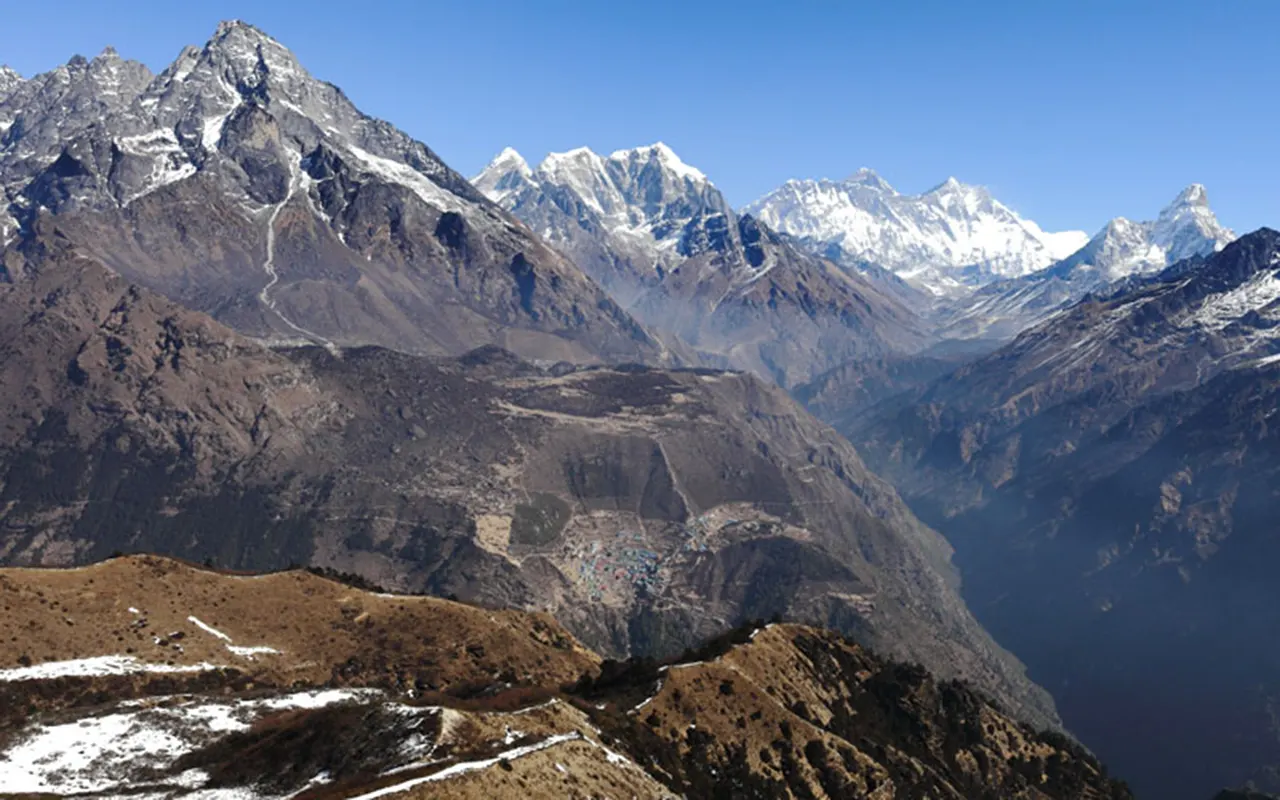
Trekking in the Himalayas is never just about the mountains. It is also about the people who live among them. Every journey through the Khumbu region passes through villages where daily life depends heavily on trekking and tourism. When done responsibly, trekking becomes a meaningful way to support these communities rather than simply passing through them.
By working with local guides and porters, using locally run lodges, and partnering with regional suppliers, trekking activities help create steady income opportunities in areas where options are limited. These jobs are not seasonal side work—they are vital livelihoods that support families, education, and long-term stability in the mountains. When income stays within the community, it strengthens the entire region, allowing people to continue living where their culture, traditions, and identity are rooted.
Responsible trekking is also about fairness and dignity. Fair wages, proper working conditions, and respect for local customs ensure that trekking benefits those who carry the weight of the journey—often quite literally. This approach recognizes that the success of any Himalayan trek depends on the knowledge, strength, and commitment of the local people who make it possible.
Supporting the local economy is not an act of charity. It is an acknowledgment that trekking should be a shared exchange, where travelers gain unforgettable experiences and mountain communities gain sustainable opportunities. When trekking is approached with this mindset, it becomes a force for preservation rather than disruption—helping protect both the culture and the future of the Himalayas.
More Than a Trek—A Well-Managed Journey
Trekking in the Everest region is not only about reaching a destination. It is about how safely, respectfully, and comfortably you move through the Himalayas. From Kathmandu to Lukla, from the first step on the trail to the final return flight, every detail matters.
Life Himalaya Trekking focuses on making that journey smooth, ethical, and meaningful—combining strong logistics, local expertise, and genuine care for both travelers and the mountain communities.
In the end, a successful trek is not defined by speed or luxury alone, but by safety, trust, and the quiet confidence that you are in capable hands—walking the Himalayas with people who truly know them.