
 English
 Dutch
Dutch Japanese
 Hindi
Hindi Italian
 Spanish
 French
 German
 Chinese
 Korean
 Arabic
 Hebrew
 Russian
 Portuguese
 Danish
 Czech
Czech Polish
 Swedish
Restricted Area Trekking in Nepal Now Open for Solo Trekkers – What’s New?
Nepal has introduced an important update in 2026 that directly affects travelers who enjoy trekking in remote regions. Solo travelers are now allowed to apply for permits for restricted trekking areas. This is a big change because, for many years, these regions required at least two trekkers to form a group before a permit could be issued.
This update makes Restricted Area Trekking in Nepal more flexible for people who prefer to travel alone. You no longer need to wait for another trekker just to meet permit rules. However, this does not mean that you can trek fully independently in these areas.
There are certain significant rules retained by the government. However, you still have to pass through a registered trekking agency and you must have a licensed guide when the trek is taking place. These regulations aid in sustaining security and good administration in distant areas where circumstances are unpredictable.
This update will simplify trip planning among travelers intending to venture into routes such as Upper Mustang, Manaslu, Nar Phu Valley or Upper Dolpo. This blog will focus on what is changed, what remains the same and how you can plan your trek in the new system.
Understanding restricted trekking areas in Nepal
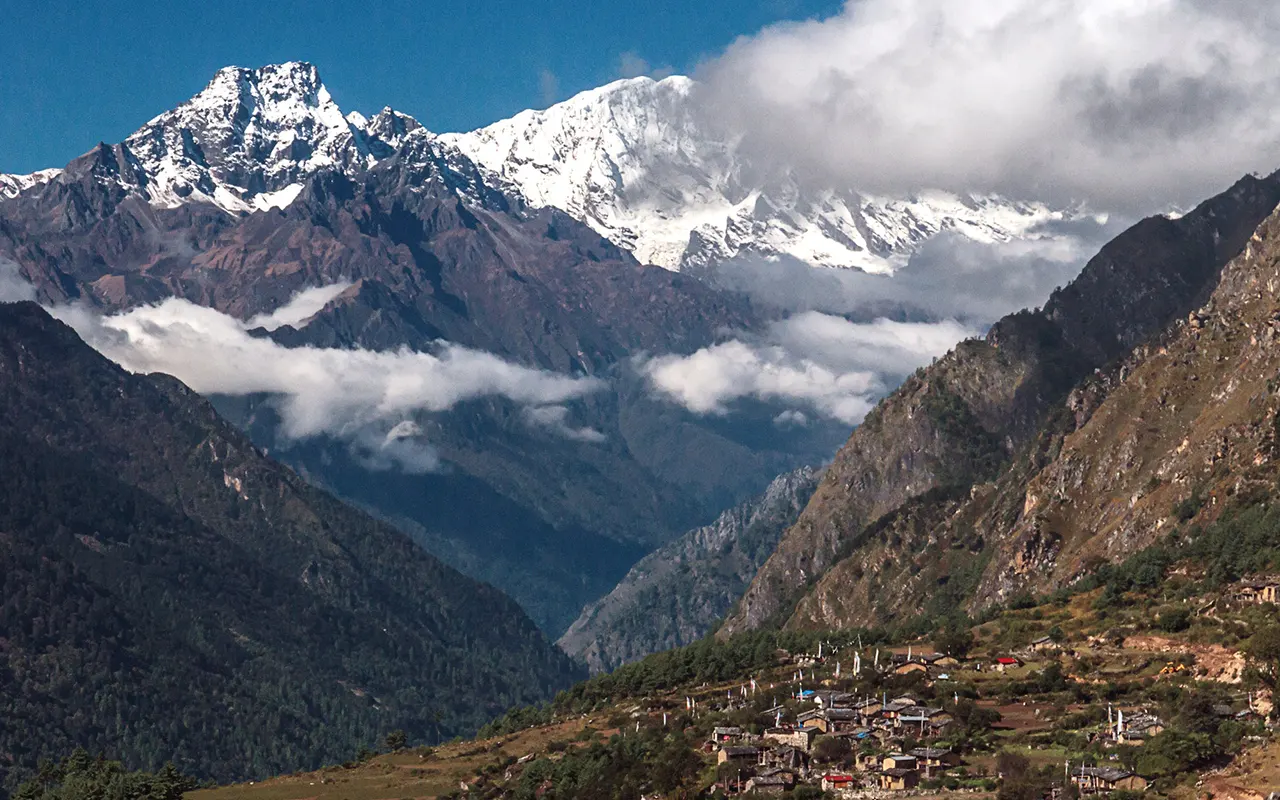
Restricted Area Trekking in Nepal refers to special trekking routes that are managed more strictly by the government. These areas are usually located near international borders or in remote regions where infrastructure is limited.
Because of their location and cultural importance, these regions require special permits. A standard trekking permit is not enough. Instead, travelers must obtain a Restricted Area Permit, often called a RAP.
Some of the most well-known restricted areas include Upper Mustang, Upper Dolpo, Manaslu, Nar Phu Valley, Tsum Valley, and parts of Humla. These routes are known for their quiet trails, traditional villages, and less crowded environments.
Unlike popular trekking regions such as Everest or Annapurna, these areas do not have heavy tourist flow. That is one reason why the government keeps stricter control. The goal is to protect local culture, manage tourism impact, and ensure that trekkers are properly supported.
Before 2026, solo trekking in restricted areas Nepal was not allowed. Travelers had to join another person to form a group. This rule often created delays and extra costs, especially for those who wanted a private trekking experience.
Now, with the updated Nepal trekking rules 2026, this requirement has changed.
What changed in Nepal trekking rules 2026?
The most important change is that solo travelers can now apply for restricted area permits Nepal without needing another trekker in the group. This removes one of the main barriers that many travelers faced in the past.
This update allows more flexibility in booking, but trekking is still organized through agencies with a guide. You can choose your own dates, pace, and itinerary without depending on another traveler.
Another important change is the improvement in the permit system. The process is handled by trekking agencies and is becoming more organized. Trekking agencies now handle most of the application process online, which can save time and reduce confusion.
Visa details are now required during the permit application. This means you need to have your Nepal visa ready before applying for restricted area permits Nepal. This is a minor move, but it contributes to better record maintenance and monitoring.
Key updates you should know:
- Solo trekkers can now access Restricted Area Trekking in Nepal
- There is no necessity to create a group of two or more trekkers.
- Application process of permits is more digital.
- Permits must be approved with visa details.
- More convenient planning of personal and flexible journeys.
The changes simplify the system to suit present-day travelers. Many people today prefer independent-style travel, even when they are using guides and agencies.

What has not changed?
While the new rules allow solo permits, some important conditions remain the same. These should be clear so that one is not confused when planning.
To start with, you are still unable to walk fully alone in restricted zones. All trekkers in these regions must be accompanied by a licensed guide because they are needed to protect them, provide guidance as well as adhering to the government regulation in the remote areas.
Secondly, you should plan your trek using one of the registered trekking agencies in Nepal. You cannot apply for restricted area permits Nepal on your own. The agency will handle documentation, permits, and coordination.
The permit costs are still present as well. The price varies depending on the area and the length of days you wish to spend. Some areas are higher cost due to their location and management needs.
Furthermore, the other permits can be required, depending on your route. These may be the conservation area permits like ACAP (Annapurna Conservation Area Permit) or MCAP (Manaslu Conservation Area Permit).
Important rules to remember:
- A licensed guide is required.
- The permits must be done via a registered agency.
- Entry permit required to access restricted area.
- Other Permits might be needed as per the route.
- Solo travel is allowed, but not without assistance.
So, while Restricted Area Trekking in Nepal is now more accessible, it is still a structured system.
Why this change is important to travellers
This update is especially useful for a solo traveler looking for more flexibility. Many trekkers prefer to trek at their own pace, not being bound to group schedules.
Before this change it was common for travelers to wait in Kathmandu to find a partner. In some cases, they had to change their trekking plans entirely because they could not form a group.
Now, solo travelers can now book restricted area treks as individual clients, but trekking independently is still not allowed. This reduces delays and makes planning more reliable.
Another benefit is during off-season or quieter months. Previously, it was difficult to find trekking partners during such periods. You can now go ahead with your plan in the event that there are fewer trekkers around.
Benefits for trekkers:
- Greater freedom of creating your own schedule.
- There is no necessity to depend on another traveller.
- Best alternative in case of personal trekking.
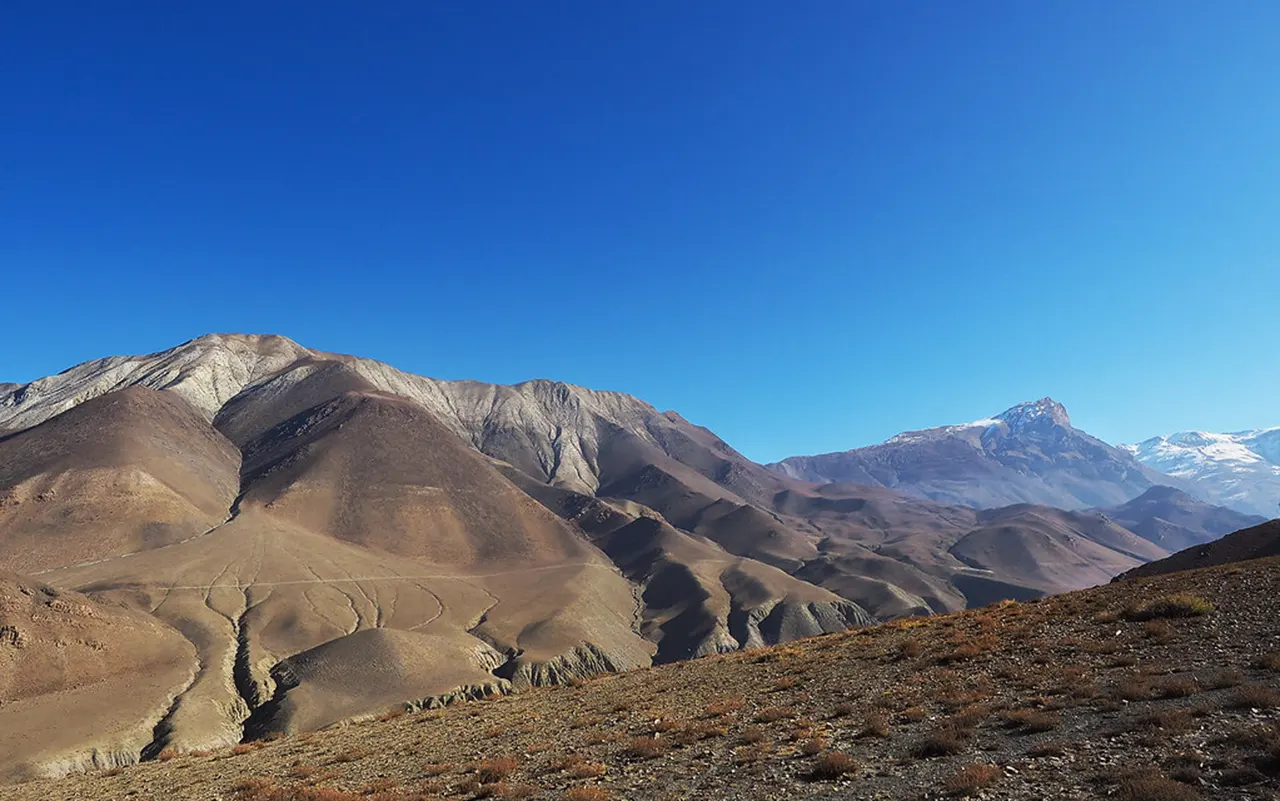
- More convenient access to distant and less busy paths.
- Promotes local tourism and employment.
This transformation could have a positive impact on the local communities as well. More mountaineers, the more guides, porters, lodges and transport services in the remote areas.
Which trekking routes benefit the most?
Several trekking routes are likely to benefit from this new rule. These are mostly the regions where group restrictions were strictly applied before.
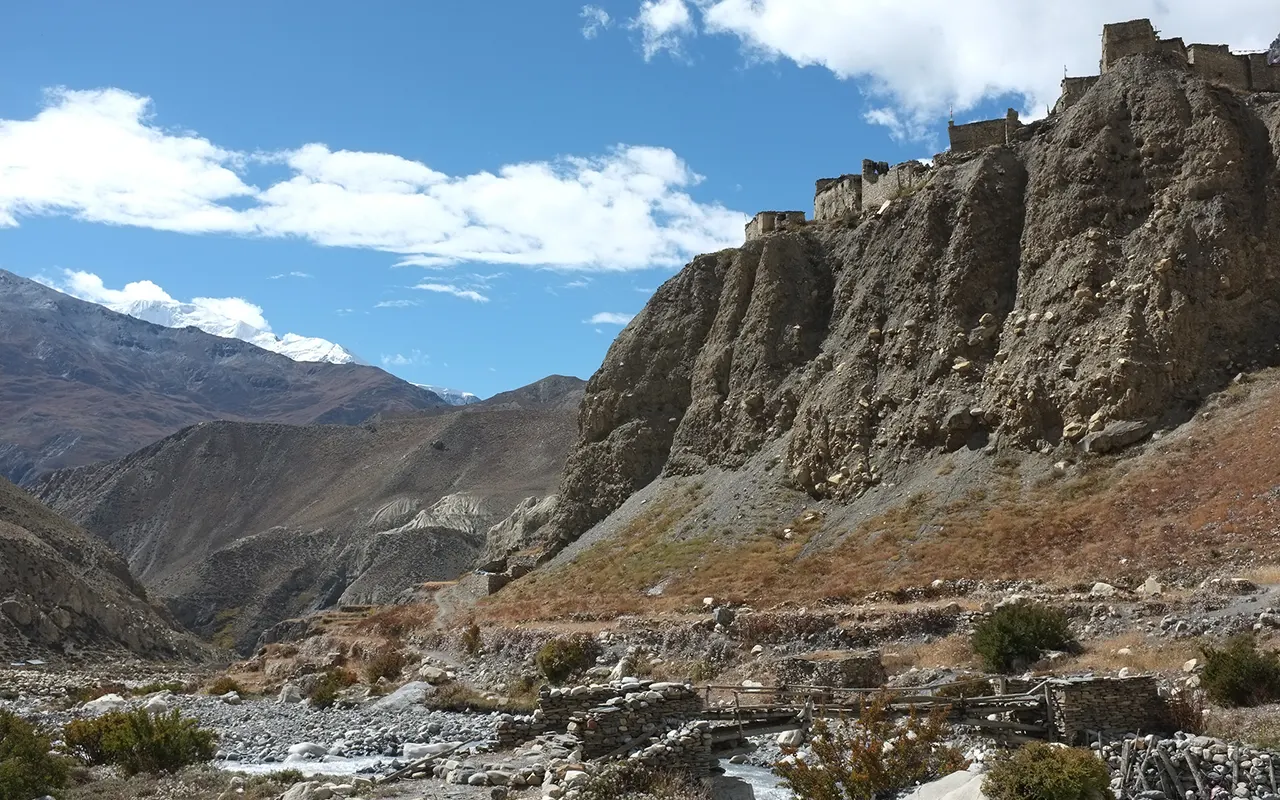
Upper Mustang is one of the most popular restricted areas. It has a clear permit system and a distinct landscape which draw so many travelers.
The other good alternative is the Manaslu Circuit. It has a combination of nature and culture and it links with the Annapurna region.
Nar Phu valley is gaining popularity among trekkers as well who desire a less busy and quieter path. It is characterized by remote villages and traditional way of life.
More interest may also be received in upper Dolpo and far western areas. These sites are not a common tourist spot and provide a more isolated trekking opportunity.
Even though these routes are now easier to access, they still require proper planning. Transport, accommodation, and permit arrangements are important.
How to plan Restricted Area Trekking in Nepal as a solo traveler
Planning Restricted Area Trekking in Nepal is now more flexible, but you still need to follow a clear process. Since permits and logistics are handled through agencies, preparation becomes important.
Start by choosing the trekking region that matches your time, budget, and interest. Some areas are shorter and easier to organize, while others need more days and higher costs.
After making a choice of the route, contact a registered trekking company in Nepal. They will assist in the permit process and booking of a licensed guide, transport and accommodation.
You should also make your traveling documents ready. Visa information is needed to get the permit so it is advisable to obtain your Nepal visa in advance.
Budget planning is another important aspect. Remote places usually demand flights, Jeeping, and permits, which tend to make things more expensive in limited regions.
Simple planning steps:
- Choose your walking space and time.
- Contact a registered trekking company.
- Give passport and visa details.
- Confirm guide and itinerary.
- Get restricted area permit Nepal.
- Prepare budget and gear.
- By taking these steps, then the process is easy and manageable.
- Allow system, price and optimum time to attend.
The permit system for Restricted Area Trekking in Nepal depends on the region you choose.
Permit system, cost, and best time to go
The permit system for Restricted Area Trekking in Nepal depends on the region you choose. Each area has its own fee structure. Permit fees vary by region. Some areas have fixed rates for a set number of days, while others charge per day.
For example, Upper Mustang and Upper Dolpo have higher permit fees compared to regions like Manaslu or Nar Phu. Some permits are charged per week, while others are charged per day after a fixed period.
Apart from the Restricted Area Permit, you may also need conservation area permits. These are required to enter protected regions and support local conservation work.
Trekking in restricted zones is most commonly good during spring (March to May) and in autumn (September to November). These months are more stable in weather and the visibility is clear.
In certain areas, it is possible though cold and difficult, to winter trek. During monsoon season, trails may be affected particularly in the lower regions, however there are still areas that are relatively dry such as Upper Mustang.
Tips, safety, and common mistakes to avoid
Restricted Area Trekking in Nepal offers a different experience compared to popular routes. Since these areas are remote, preparation and awareness are important.
One of the first things to focus on is physical preparation. Even though you will have a guide, you still need to walk several hours each day. Being in good shape will make your trek more comfortable.
The other thing is communication with your guide. A guide does not only show the path, one should also be helpful in safety, knowledge of the area, and altitude.
It is also important to pack wisely. The weather is unpredictable in hilly areas hence it is best to have the right layers and necessary equipment.
Travel insurance is widely encouraged. It must include high altitude trekking and evacuation of emergency particularly in remote areas.
Useful tips for solo trekkers:
- Select a trusted trekking company.
- Make sure that you communicate effectively with your guide.
- Walk slowly to acclimatize to altitudes.
- Bring adequate equipment and attire.
- Take a travel insurance including evacuation.
- Allow some additional days for delay.
- At the same time, there are some common mistakes that travelers should avoid.
- Most individuals think that solo allowed is complete trekking on their own. This is not correct. You still require agency assistance and direction.
- Underestimation of costs is another error. Limited spaces might be more costly in terms of permits and logistics.
- Other trekkers also hurry their itinerary, and this may cause altitude related problems. It is better to organize a slow climb gradually and add rest days, as necessary.
What this means for the future of trekking in Nepal
This change demonstrates that Nepal is adjusting to this new situation of the changing needs of travelers. Lots of people prefer flexible traveling nowadays, and this rule benefits that tendency.
Meanwhile, Nepal continues to put the emphasis on safety and responsible tourism. The government will have the benefit of maintaining the guide system so that the trekkers are assisted in remote locations.
Restricted Area Trekking in Nepal may now attract more solo travelers who were previously unsure about planning such trips. This will have the advantage of creating a more even distribution of trekkers in various regions.
It can also ease pressures on favorite trekking trails. When more people explore restricted areas, it helps distribute tourism more evenly.
Local communities in these regions may benefit as well. More visitors can support local businesses, improve income, and encourage sustainable tourism practices.
Final thoughts
Restricted Area Trekking in Nepal is now more accessible than before, especially for solo travelers. Planning becomes easier and more flexible with the group requirement being eliminated.
Nonetheless, the system needs to be organized properly. You require authorization, an authorized guide, and a certified agency. The following steps are essential to safety and hassle-free travel.
Unless you are a visitor who loves solitude on the trails, cultural life, and less-developed scenery, it is a good moment to visit these areas. Solo trekking in restricted areas Nepal may be an enjoyable experience with adequate preparation.
This will be a good move towards travelers as well as the local communities. It also has a lot of freedom but it is responsible in trekking.