
 English
 Dutch
Dutch Japanese
 Hindi
Hindi Italian
 Spanish
 French
 German
 Chinese
 Korean
 Arabic
 Hebrew
 Russian
 Portuguese
 Danish
 Czech
Czech Polish
 Swedish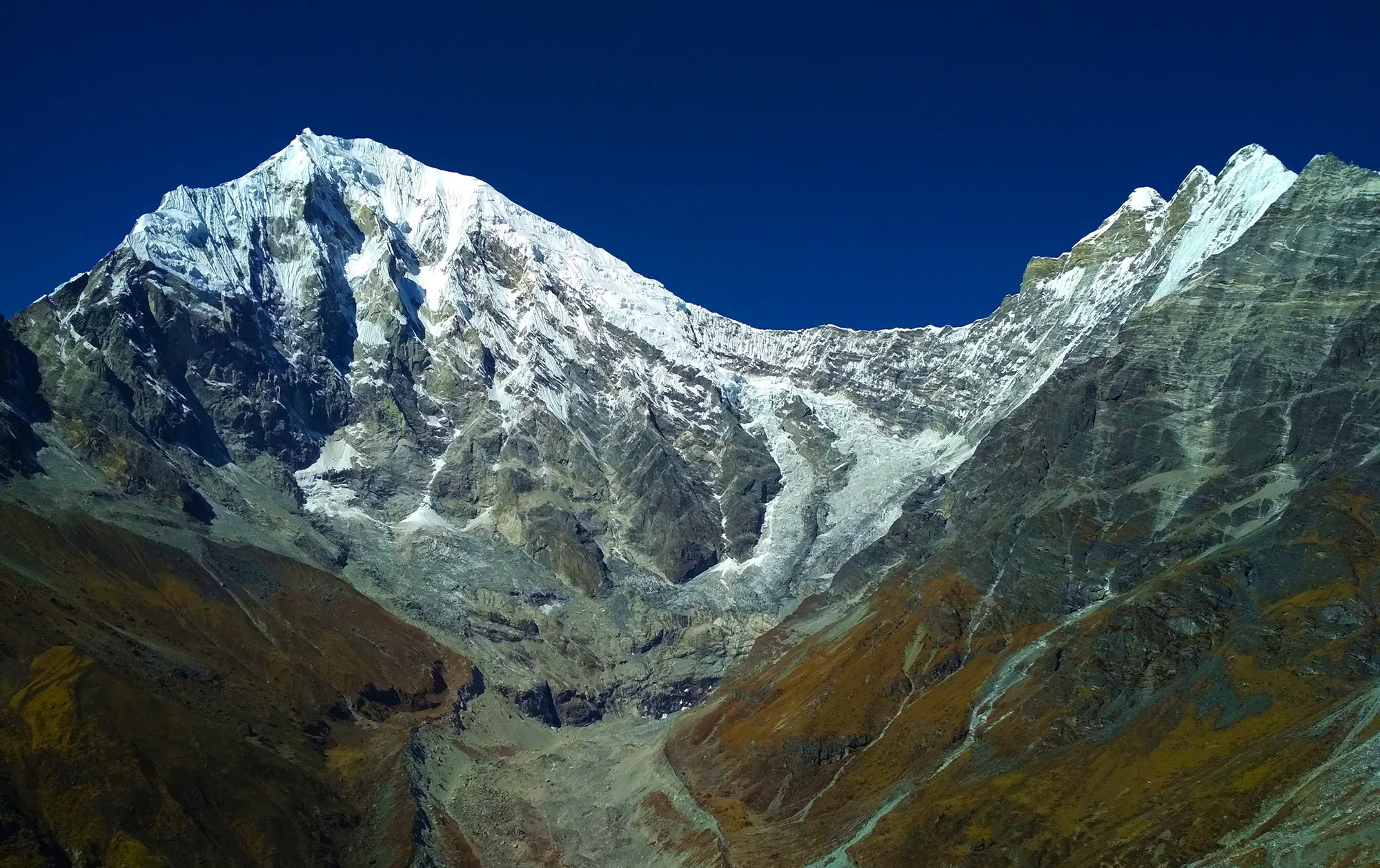


Max. Altitude
5,184m
Best Season
Oct -Dec & March-May
Activity
Trekking/Hiking
Start / End Point
Kathmandu/Kathmandu
Overview of Langtang Gosaikunda Trek
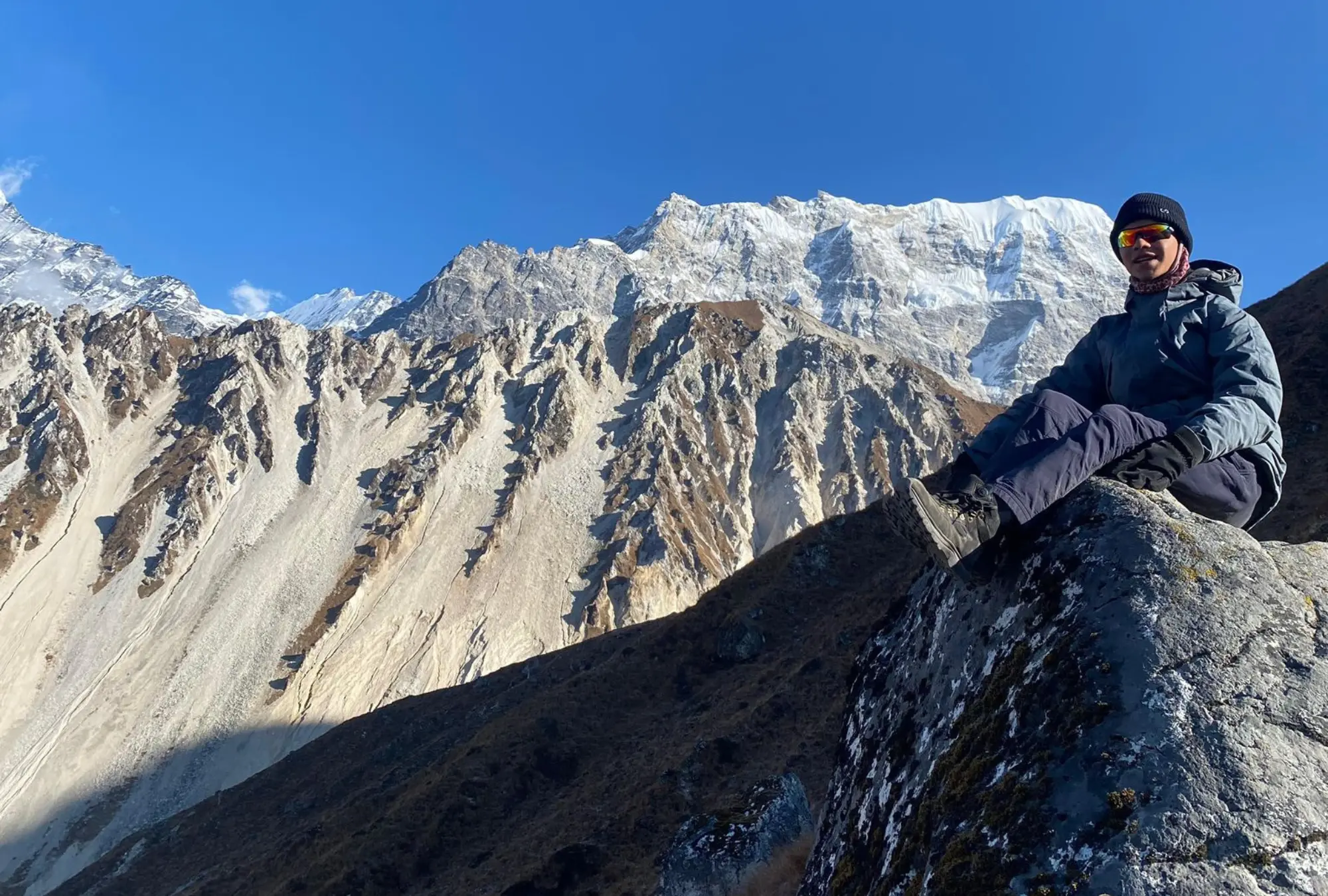
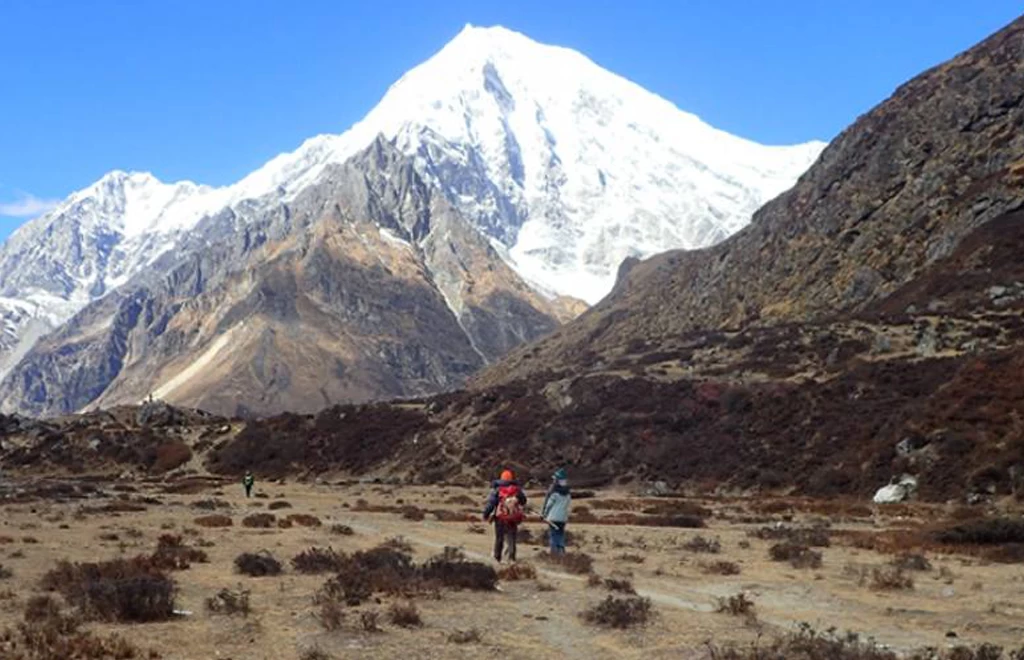
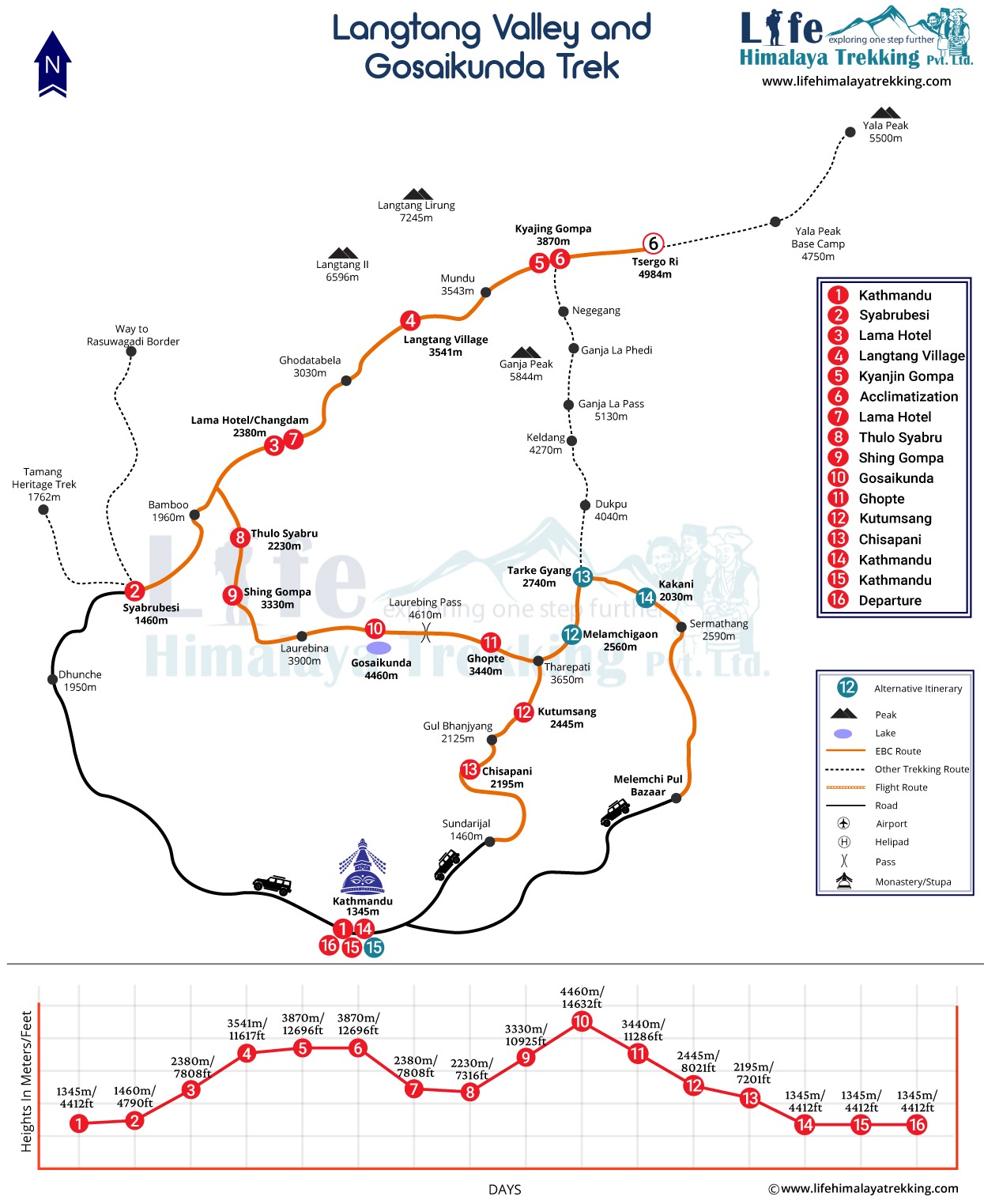
Langtang Gosaikunda Trek is a beautiful 15-day journey into the Himalayas that takes you to the Langtang Valley and the holy Gosaikunda Lakes. It is a trek that goes deep into the Langtang National Park, a carefully conserved zone of natural beauty and cultural heritage located north of Kathmandu and very close to the Tibetan border.
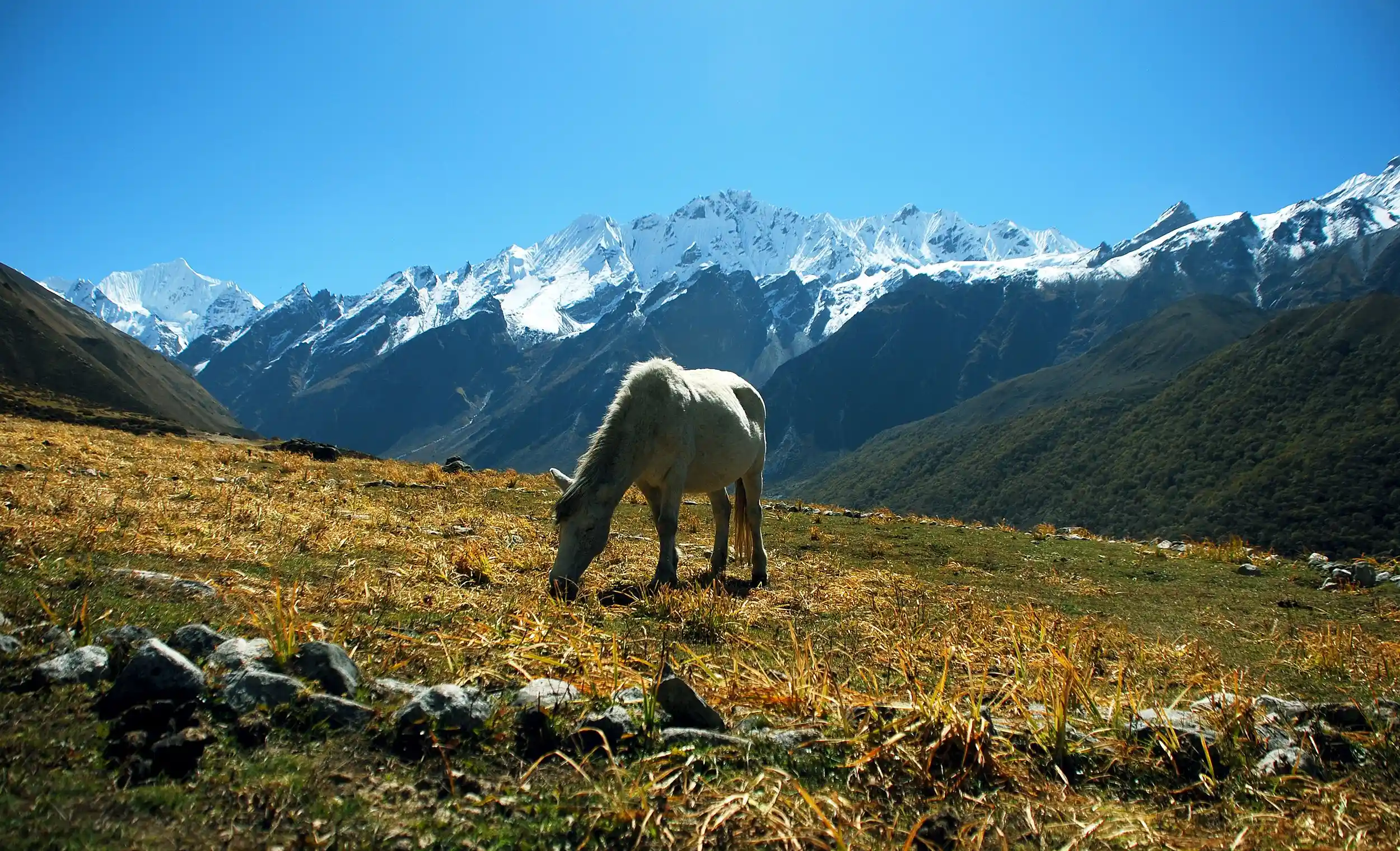
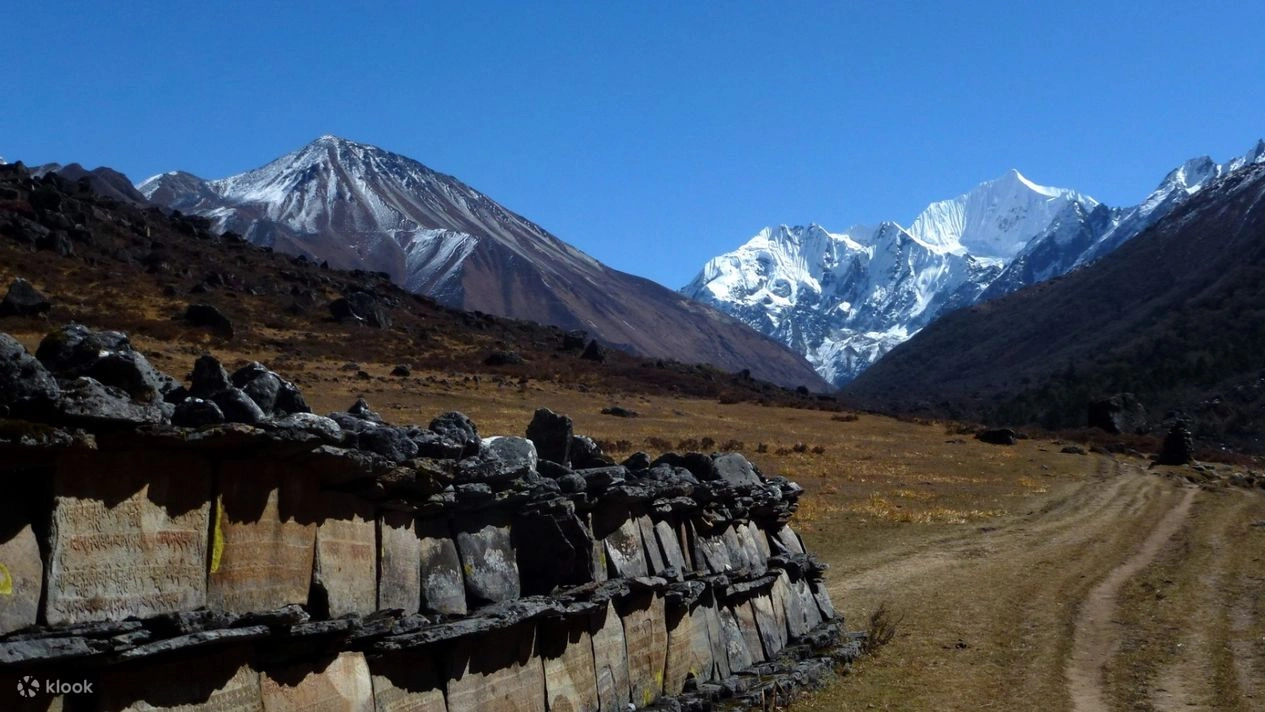
The Langtang Gosaikunda Trek allows you to pass through green forests, large alpine meadows, and quiet mountainous terrain and observe snow-white peaks. The road further cuts across the ancient Tamang villages where Tibetan Buddhist culture, prayer flags and old monasteries make the trek spiritual and cultural.
Although the trail is not located far away from urbanisation, the Langtang Gosaikunda Trek is peaceful and less crowded than the Everest or Annapurna treks. It goes through glacial rivers and traverses rhododendron and pine forests, where wildlife to be found includes red pandas and Himalayan birds.
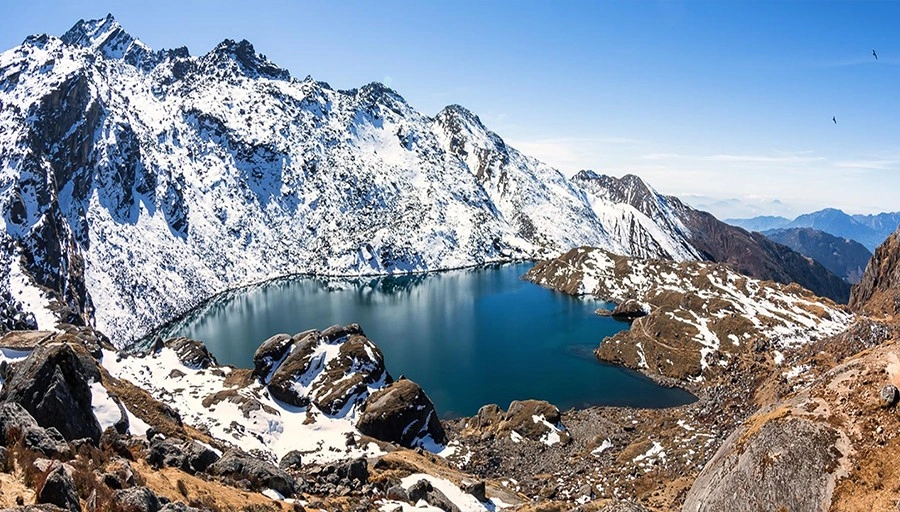
The further up you go, the more backwoods and traditional the villages are. The biggest attraction of the Langtang Gosaikunda Trek is the Gosaikunda Lake at 4,380 meters (14,370 ft), which both the Hindus and the Buddhists hold in high regard. The lake is enclosed by rocky hills and icy extremities, which provide a spiritual and serene environment.
The Langtang Gosaikunda Trek is moderate and is an endeavour that can be taken by a trekker of average fitness. Life Himalaya Trekking will take complete care of you. There are days which involve steep ascents and loads of walking on high altitudes, but the trail is well-conditioned.
The most thrilling part of the trek is crossing Lauribina La Pass at 4,610 meters (15,120 ft) above sea level, where one feels like they are in the middle of the world, as there is a wide panoramic view of the mountain. The side trip to Tserko Ri can be optional and will aid in acclimatisation, as well as pay off by offering a breathtaking panorama to the trekkers.
The accommodation during the Langtang Gosaikunda Trek will be in the local teahouses, which offer basic comfort and are very hospitable. The scenery is never the same, alternating between terraced agricultural lands and yak grazing and mountain tracks. The trek comes to an end from the serene Helambu area back to Kathmandu.
The spring and autumn seasons are ideal because of clear weather, and the sky conditions are suitable for performing this trek. Therefore, Langtang Gosaikunda Trek must be in every adventure and nature lover’s bucket list.
Highlights of Langtang Gosaikunda Trek
- Breathtaking views of Langtang, Ganesh Himal and Langtang Lirung mountains.
- The spiritual Gosaikunda lake in the mountains has a spectacular view.
- A shirt acclimatisation walk to Tserko Ri with a panoramic view of the Himalayas around.
- See the life of the Tamang communities and the Helambu Sherpa village, monasteries, and locals.
- Cross lush wood, rhododendron valleys and open highland meadows.
- Local teahouses with a taste of the local food and welcoming hospitality along the route.
Langtang Gosaikunda Trek Itinerary
01
Arrival at Kathmandu
Welcome to Nepal! Your Langtang Gosaikunda Trek starts when you land at Tribhuvan International Airport in Kathmandu, which is elevated 1,320 meters (4,330 ft) above sea level. A representative from Life Himalaya Trekking will receive you at the airport and take you to your hotel.
The ride is not too long, approximately 5 kilometres, and lasts approximately 20 minutes, which will allow you to have the first impressions of the vibrant streets of Kathmandu.
Once checked in, the remaining day is yours at liberty to relax, unwind or take a walk around the area markets and cafes.
In the evening, you will be introduced to your trekking guide, who will give you a thorough briefing on the Langtang Gosaikunda Trek. Your guide will discuss the itinerary on a day-to-day basis, assist you in verifying your trekking equipment and also answer any queries, so that you are fully ready to face the adventure that awaits you.
Have a good dinner at the hotel and sleep well, as tomorrow the trek is actually starting. The first day will be spent settling down, acclimatising in Kathmandu and the excitement of the journey into the Himalayan terrain.
Maximum Altitude
1400m/4,330 ft
Meals
Dinner
Trek Duration
20 minutes
Accomodations
Hotel
Transportation
Airport to Hotel Transfer
02
Drive from Kathmandu to Syabrubesi
The Langtang Gosaikunda Trek starts with a picturesque journey from Kathmandu to Syabrubesi. We leave the city after breakfast and head northwest in a personalised jeep or bus, and the trip takes approximately 7-8 hours to complete 122 km. The drive passes terraced farms, small towns, riverside, and if you are lucky, you see snow-capped Himalayan mountains.
The landscape becomes more dramatic as we go deeper into the hills, and the road becomes winding and hilly. In the late afternoon, we arrive at a small town called Syabrubesi, 1,503 m (4,930 ft) on the bank of a river and the official entry point to the Langtang region.
You can unwind in a warm tea house, take a stroll around the town or simply breathe in that pure mountain air. There is a warm dinner in the evening, and you look forward to the start of the trekking adventure tomorrow.
Maximum Altitude
1,503 m / 4,930 ft
Meals
Breakfast, Lunch, and Dinner
Trek Duration
7–8 hours
Accomodations
Lodge
03
Trek from Syabrubesi to Lama Hotel
This is the first day of the Langtang Gosaikunda Trek. We cross the Langtang Khola through Syabrubesi northwards after breakfast. The path goes over suspension bridges and through oak, rhododendron and maple forests.
On the road, there are small villages like Domen and Pairo, the ideal locations to have tea and mini-breaks and listen to the river and the jungle. Watch animals like grey langur monkeys and, possibly, red pandas.
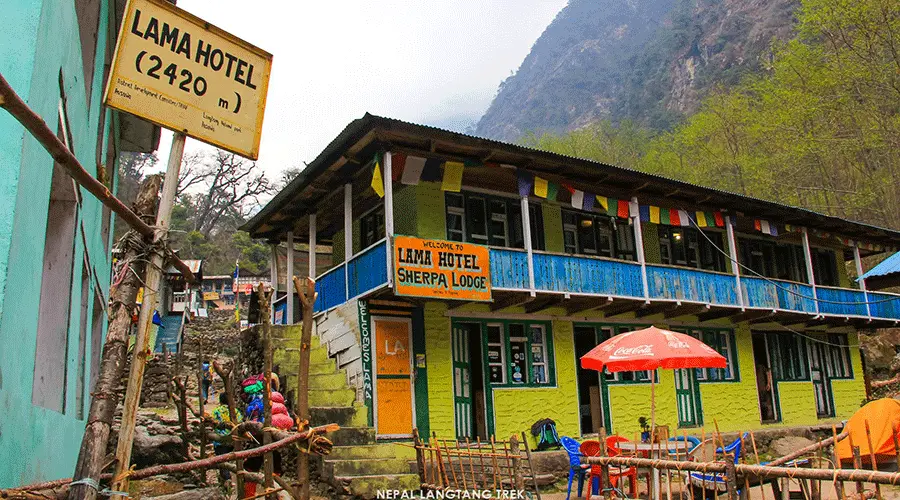
Afternoon increases the steepness of the trail to winding trails through Rimche to Lama Hotel (2,470 m/ 8,104 ft). Lama Hotel is a small village of teahouses, as the name suggests. Upon arrival, warm up with a hot tea or soup and sit next to the wood stove and exchange stories with other trekkers.
The elevation is more noticeable, and the air is colder, providing you with a real Himalayan experience. In the teahouse, dinner is served, and then a well-deserved sleep is obtained in expectation of the trek tomorrow.
Maximum Altitude
2,470 m / 8,104 ft
Meals
Breakfast, Lunch & Dinner
Trek Duration
6 hours
Accomodations
Lodge
04
Trek from Lama Hotel to Langtang Village
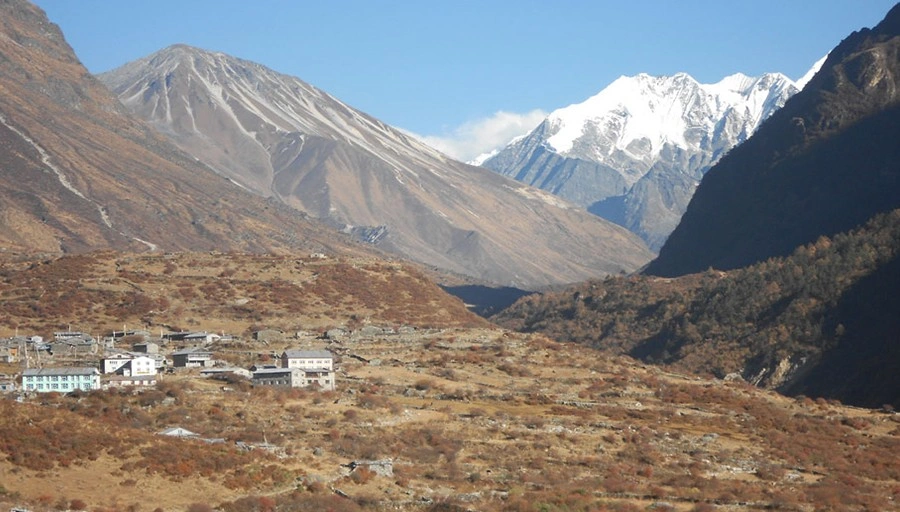
The Langtang Gosaikunda Trek is further followed by spectacular Himalayan sceneries as we trek through Lama Hotel to Langtang Village. The trail ascending after breakfast is through a grove-like ravine, which widens progressively to meadows and streams.
Towards the end of the morning, we arrive at Ghodatabela (3,030 m/ 9,940 ft), where we eat our lunch in grass pastures with grazing yaks. The Langtang Lirung (7,227 m) is seen in the distance, and this is a reminder of the magnificence of the mountains ahead.
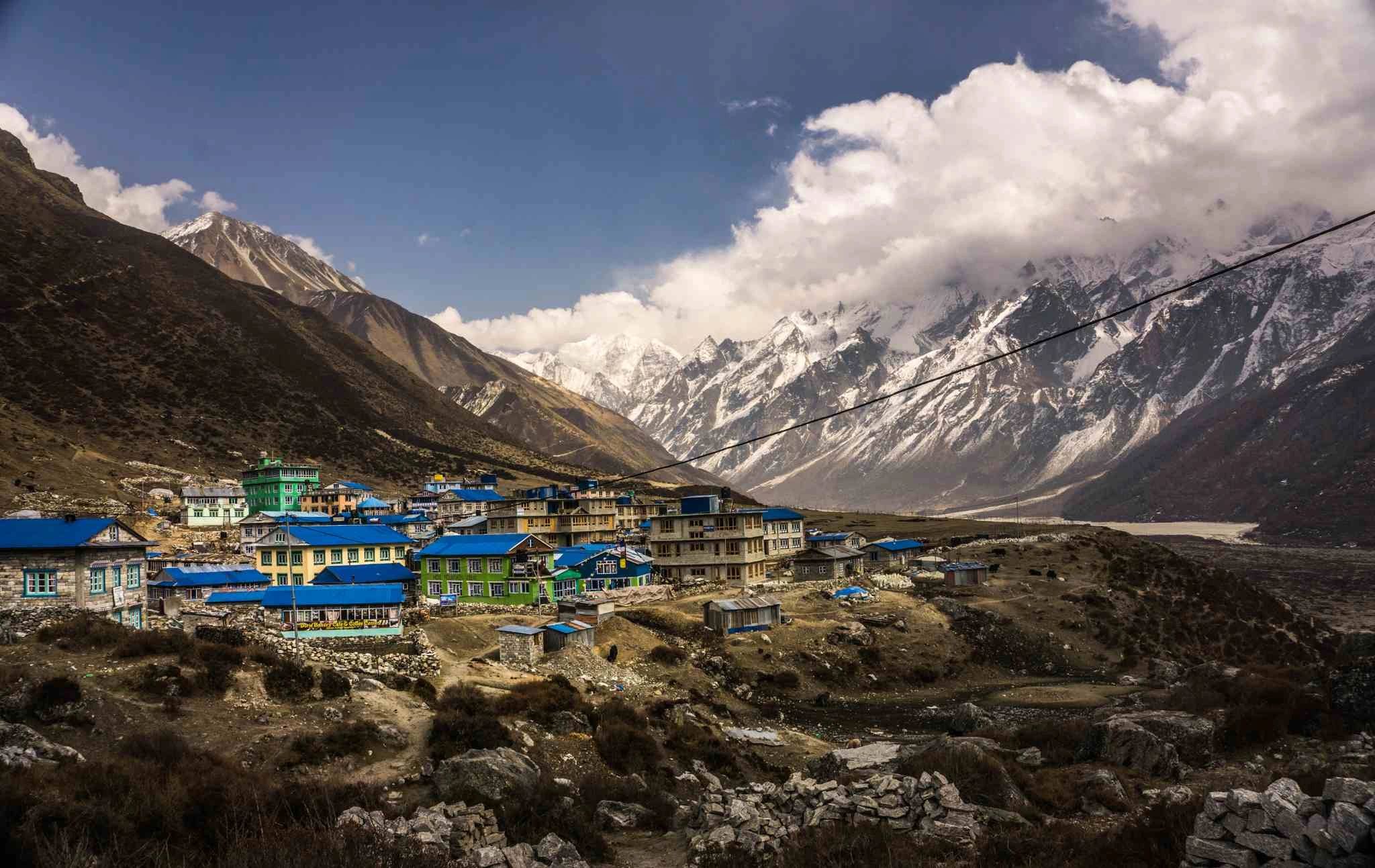
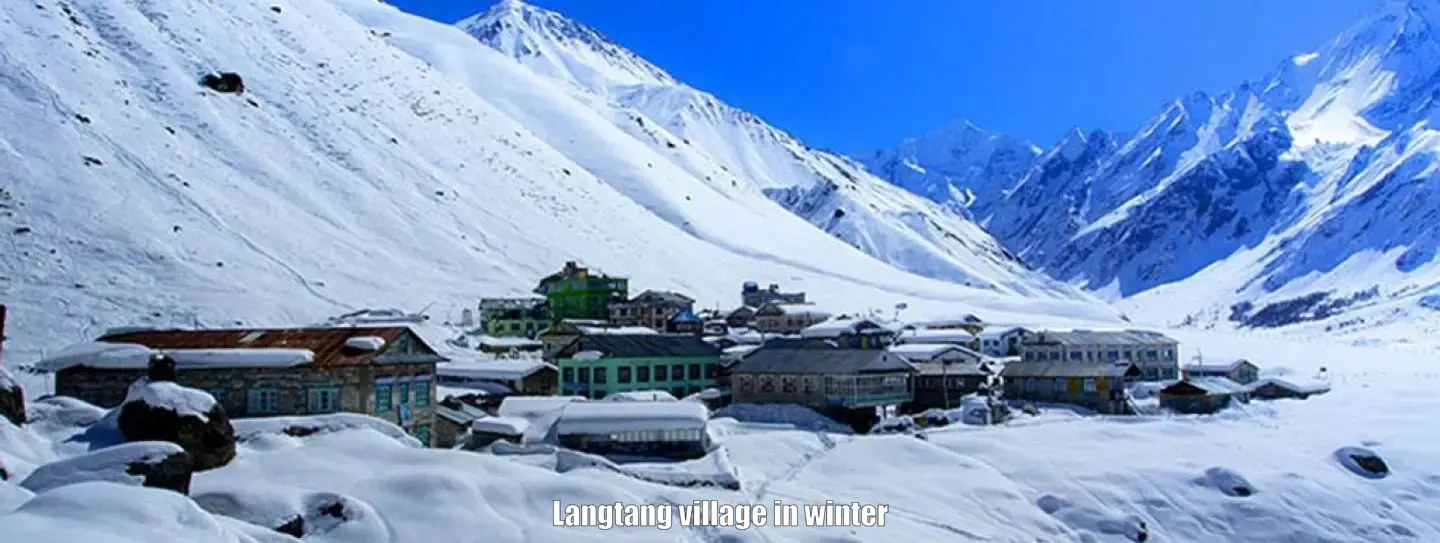
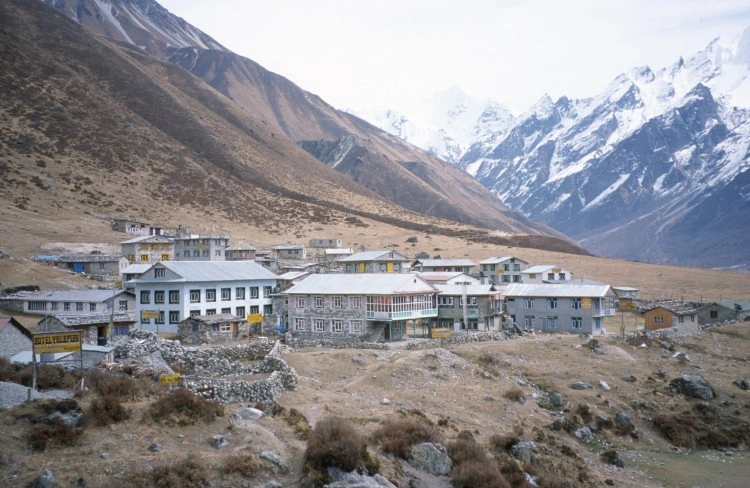
The trail goes through the small settlements, prayer wheels and mani stone walls in the afternoon, indicating the strong Tibetan Buddhist influence in this area. We pass through little streams and arrive at Langtang Village (3,430 m/ 11,253 ft), which was destroyed by the 2015 earthquake and then reconstructed.
The new village is warm and hospitable, including teahouses, stores, and a small monastery. You will be able to visit the neighbourhood, the local people, and appreciate the beautiful mountain landscape. Dinner is then eaten with the huge snow-clad mountains in sight, and a good day on the trail is completed.
Maximum Altitude
3,430 m / 11,253 ft
Meals
Breakfast, Lunch, and Dinner
Trek Duration
6–7 hours
Accomodations
Lodge
05
Trek from Langtang Village to Kyanjin Gompa
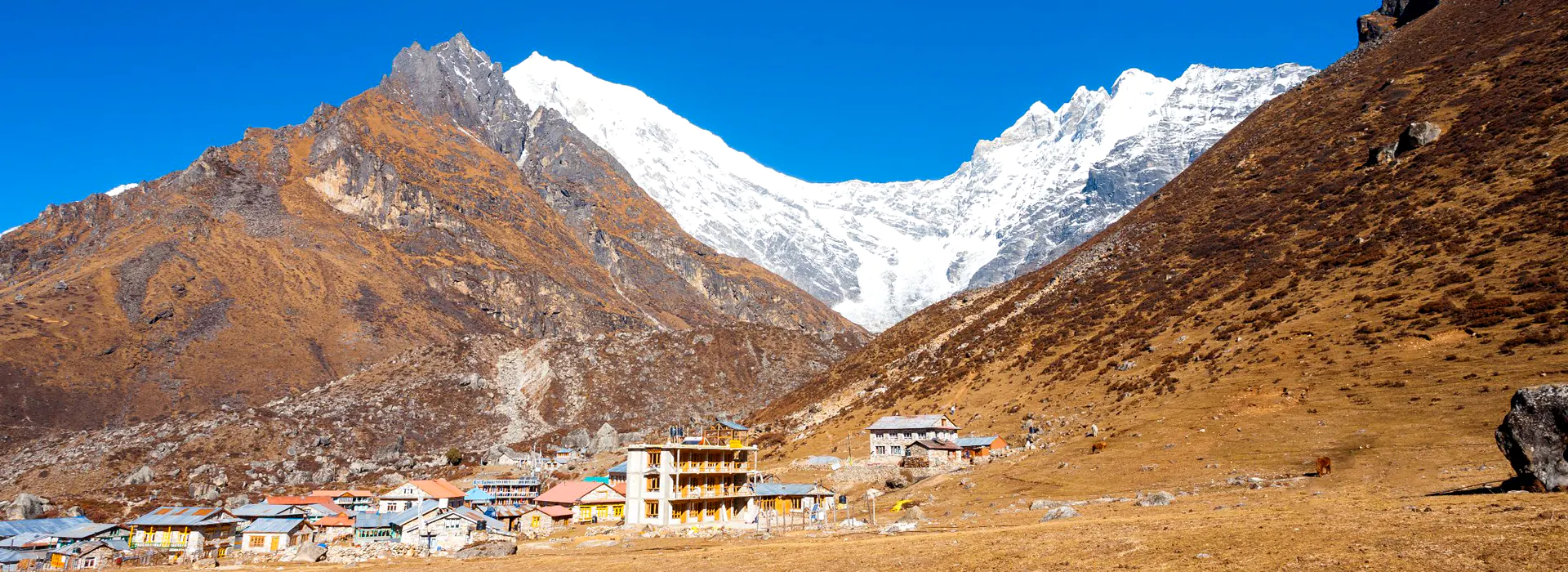
Today on the Langtang Gosaikunda Trek, we get to enjoy a shorter and most scenic walk from Langtang Village to Kyanjin Gompa. After breakfast, we head off to the north east, through yak pastures and small stone huts of the herdsmen. The scenery is alpine, with low shrubs and grass, and wooden bridges intersect the running streams.
We pass Mundu and Sindum villages, with picturesque views of the valley that has been cut across by the old glaciers.
By noon, we reach Kyanjin Gompa (3,870 m/ 12,700 ft), an attractive village with a beautiful Buddhist monastery. We tour the area that includes the monastery, prayer flags, and the local cheese factory. New yak cheese is a delicacy of the area.
The mountains around it, such as the Langtang Lirung and Kimshung mountains, as well as the Yansa Tsenji, are breathtaking. Take a short walk in the afternoon to familiarise yourself with the scenery, and relax. It is a day that allows your body to adapt to the increased altitudes, besides providing memorable Himalayan views.
Maximum Altitude
3,870 m / 12,700 ft
Meals
Breakfast, Lunch & Dinner
Trek Duration
3–4 hours
Accomodations
Lodge
06
Acclimatisation Hike to Tserko Ri and return to Kyanjin Gompa
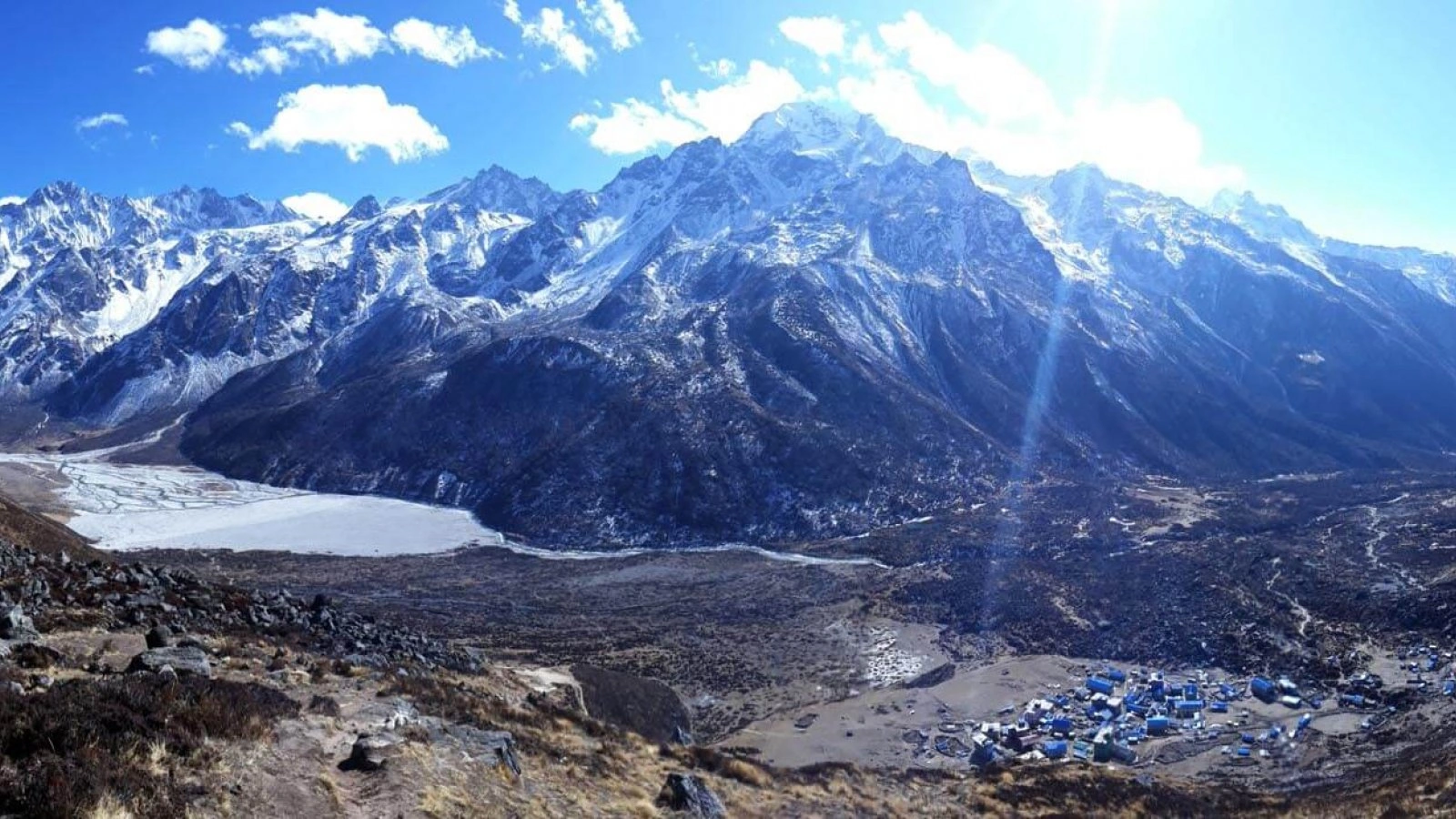
The 6th day of the Langtang Gosaikunda Trek will be devoted to acclimatisation. The trek reaches the highest point of Tserko Ri (5,184 m) after having breakfast for an acclimatisation hike. It is steep and difficult to climb, and it is rocky and even snowy.
We walk slowly to acclimatise to the elevation, and walk through alpine meadows and gradually get higher. As we go by, the Langtang Valley peeps below us, and the looming Himalayan mountains ring around us everywhere.
It is one of the highlights of the Langtang Gosaikunda trek to reach the Tserko Ri peak. The panoramic view of 360 degrees, and the view of Langtang Lirung, Dorje Lakpa, as well as even the faraway mountains of the Shishapangma range in Tibet, is majestic.
When we are done enjoying the landscape and snapping pictures, we come down slowly to Kyanjin Gompa.
Afternoons are at liberty to take a nap, visit other surrounding glaciers or visit the village. Hot supper and warm lodge are the finishing touch to an active day of acclimatising. This increase is a great preparation for the increased altitude to come on the trek.
Maximum Altitude
5,184 m / 17,008 ft
Meals
Breakfast, Lunch, and Dinner
Trek Duration
6–7 hours
Accomodations
Lodge
07
Trek from Kyanjin Gompa back to Lama Hotel
On day 7 of the Langtang Gosaikunda Trek, we have to go back from Kyanjin Gompa to Lama Hotel, the way that we came in. We leave Kyanjin (3,870 m) after breakfast and come down through Langtang Village, Ghodatabela, and Thangshyap. Going down a hill is less demanding on the lungs, and you might be more energetic with the rising oxygen levels. The valley provides various views of familiar landmarks, forests and rivers, which makes the descent a good one.
We have lunch on our way, and then proceed down through wooded areas. The 18 km hike that is done in 6-7 hours is a long day, but with a downhill path, it is doable.
At the end of the afternoon, we reached the hotel Lama (2,470 m). The teahouses are friendly, and you are able to rest, wash or enjoy the village air. Dinner offers the opportunity to review the experience of the journey through the upper Langtang Valley.
Although we are heading in a downward direction, the Langtang Gosaikunda Trek has new challenges and scenic beauty since we are getting ready to proceed towards Gosaikunda.
Maximum Altitude
3,870 m (start), descending to 2,470 m
Meals
Breakfast, Lunch, and Dinner
Trek Duration
6–7 hours
Accomodations
Lodge
08
Trek from Lama Hotel to Thulo Syabru
On the 8th day of the Langtang Gosaikunda Trek, we leave Lama Hotel after breakfast and head to Thulo Syabru, a lovely hilltop village. We first pass down to Bamboo, and then to terraced fields and forest patches. The track, in its turn, slowly abandons Langtang Khola and leads to a wooded ridge, to which you may encounter local villagers or cattle herded on its way. On the route, there is an opening of the southern horizon, which presents a perspective of the green hills and, on bright days, the Ganesh Himal range.
On the way, we have lunch in a teahouse, take a rest and embrace the mountain scenery. The last destination for the day will be Thulo Syabru (2,260 m), where there is a scenic village with stone houses, elegant windows carved in wood, and a blend of Buddhist chortens and a small Hindu shrine.
It is here that you can see Langtang Valley behind and have panoramic views of the Bhote Koshi canyon. Enjoy a warm dinner and socialise with hospitable Tamang locals in the evening, and then sleep.
Maximum Altitude
2,260 m / 7,415 ft
Meals
Breakfast, Lunch, and Dinner
Trek Duration
5–6 hours
Accomodations
Lodge
09
Trek from Thulo Syabru to Sing Gompa (Chandanbari)
On this day, the Langtang Gosaikunda Trek area heads us further up into the hills to Sing Gompa. After having breakfast, we walk through terraced fields and move through pine and oak forests. The path is gradually ascending, and one can see rhododendrons in spring, prayer flags, and little chortens on the way. There are rest stops where one can have a glimpse of the expanding horizons of Langtang Himal and Ganesh Himal in front of us.
We take a lunch break and then proceed through the safer zone of Langtang National Park. We finally get to Chandanbari (3,330 m), a tiny village with its monastery and its cheese factory. The air is cooler, and the altitude can be felt.
Once you relax in our teahouse, you may go to the Sing Gompa monastery or the cheese factory in the village to get fresh yak cheese. Evenings in the surrounding mountains and a warm dinner make this a memorable day, and we move on to Gosaikunda tomorrow.
Maximum Altitude
3,330 m / 10,925 ft
Meals
Breakfast, Lunch, and Dinner
Trek Duration
5–6 hours
Accomodations
Lodge
10
Trek from Sing Gompa to Gosaikunda Lake
Today is another highlight of this trek as we finally reach Gosaikunda Lake. We hike through pine and rhododendron-studded forests after an early breakfast at Sing Gompa. The path slowly gets steeper, and the vegetation changes into low alpine scrub. In the middle, we stop at Cholang Pati (3,650 m) to have a brief rest of taking in the breathtaking panorama of Langtang Lirung, Annapurna, and Manaslu.
We have lunch at Lauribina (3,900 m), and then proceed through the desolate hillside to the holy lakes. In the last leg of the trek, there are other small lakes, which are signified by the prayer flags denoting the spiritual importance of the region.
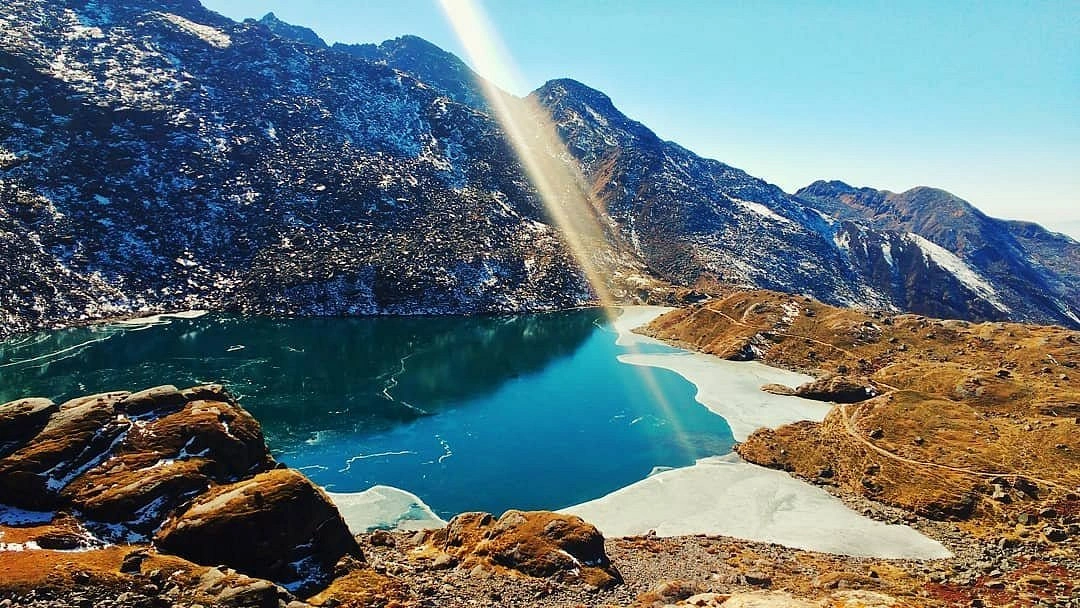
At last, there is Gosaikunda Lake (4,380 m), which is a blue-green alpine lake with snow peaks around it. You may have a look around at other smaller lakes, at a Shiva temple, or at the reflections of the mountains in the water. In the Evening take a hot dinner in the lodge, and a night beside one of the most sacred lakes of Nepal.
Maximum Altitude
4,380 m / 14,370 ft
Meals
Breakfast, Lunch, and Dinner
Trek Duration
5–6 hours
Accomodations
Lodge

11
Trek from Gosaikunda to Ghopte via Lauribina La Pass
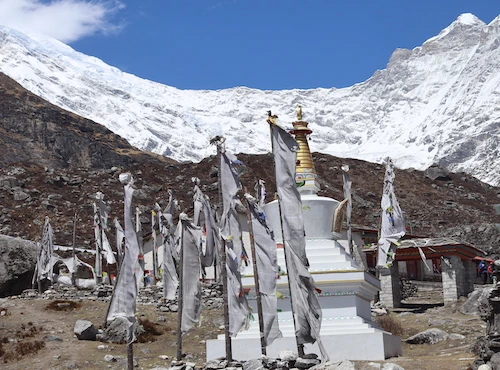
The most difficult day of the Langtang Gosaikunda Trek is the eleventh day, when we cross Lauribina La Pass (4,610 m) and enter the Helambu region. We start trekking from the holy lake Gosaikunda after having breakfast.
The trail is raised and rugged, and the air here is so thin that you have to breathe slowly and steadily. During winter or early spring, the snow can fall on the trail. The scene when we reach Lauribina La is majestic, and the prayer flags wave, and we have the views of Langtang behind us and rugged Helambu before us.
The climb is steep and descending in the beginning, where we will break for lunch at Phedi (3,700 m). The trail slowly changes from slanted post lunch to dry rocky land to mossy woodlands. We cross valleys, seasonal lakes, ridges and in the late afternoon arrive at Ghopte (3,430 m).
This small, isolated village has two teahouses where we take a hot dinner and sleep. The pass is now a great stepping stone of the Langtang Gosaikunda Trek, combining adventure, mountain views and the beginning of the peaceful forests of Helambu.
Maximum Altitude
4,610 m / 15,125 ft
Meals
Breakfast, Lunch, and Dinner
Trek Duration
7–8 hours
Accomodations
Lodge
12
Trek from Ghopte to Kutumsang
On Day 12 of the Langtang Gosaikunda Trek, we walk southwards through the hills of the Helambu region, following ridges and valleys. Our trail starts with a little ascent of Ghopte through pine and rhododendron woods on a fresh morning breeze and singing birds.
In approximately two hours, we arrive at Tharepati (3,600 m), which is a ridge that has breathtaking views of the Jugal Himal, Dorje Lakpa and even the mountains in the distant Everest region. Here, a brief tea-break gives us time to appreciate the view.
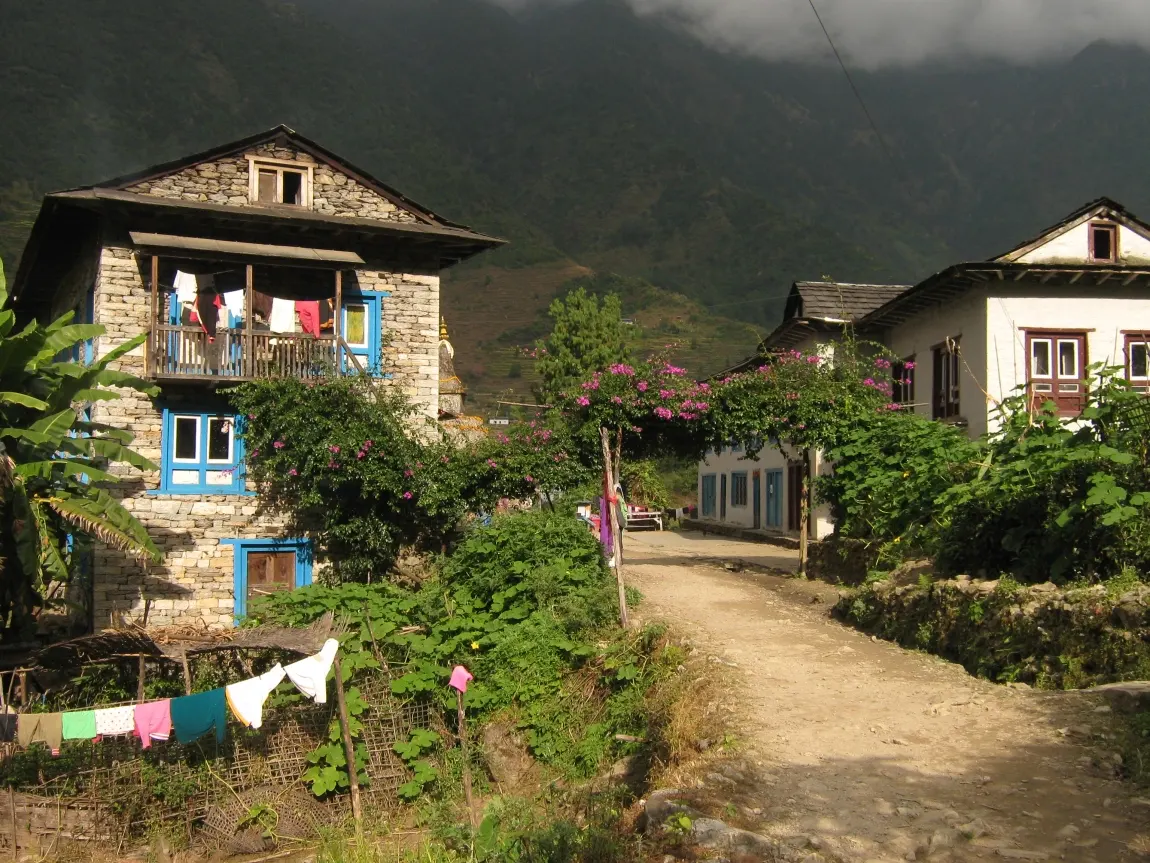
After Tharepati, we take the winding paths and the little ridges through the woods. The road gradually runs through the dispersed Tamang villages and terraced fields as we head to lower altitudes.
In the afternoon, we reach Kutumsang (2,470 m), which is a larger village, and there are numerous lodges. The air is also lighter, and you can have fun with the Tamang and Helambu Sherpa families in the area. The Langtang Gosaikunda Trek spends the day transitioning from alpine scenery to village life and ends with a peaceful evening and a good dinner.
Maximum Altitude
3,600 m (Tharepati), then 2,470 m (Kutumsang)
Meals
Breakfast, Lunch, and Dinner
Trek Duration
6–7 hours
Accomodations
Lodge
13
Trek from Kutumsang to Chisapani
After having breakfast at the teahouse, we continue our day descending towards the Mera Kharka. Our trial takes us through numerous uphill and downhill across the dense forest of pine and Rhododendron to reach Tharepati village.
Tharepati is the village that separates the routes of the longer Helambu valley trek. From here the two routes separate one towards the Melamchi Gaun and another towards Kutumsang; we follow the shorter trial of Helambu valley trekking.
The trial descends through the beautiful landscape, Rhododendron forest, and ridges towards the village of Mangengoth.
After having lunch here, we gently descend towards the beautiful Tamang settlements until we reach the beautiful Kutumsang village.
Maximum Altitude
2,300 m / 7,545 ft
Meals
Breakfast, Lunch, and Dinner
Trek Duration
6–7 hours
Accomodations
Lodge
14
Trek from Chisapani to Sundarijal, then drive back to Kathmandu
The Langtang Gosaikunda Trek on Day 14 starts with an early rise in the morning to have a glorious view of the Himalayas, a sunrise at Chisapani. Then, after having breakfast, we begin to descend through the woods to Shivapuri National Park.
It is an easy trail, and makes its way through the oak, rhododendron, and chir pine. Further down, the terrain turns subtropical, with the terraced fields and rich vegetation appearing on the road. We go through the village of Mulkharka and can have a cooling tea-break, and get early glimpses of Kathmandu Valley.
The last part takes one to Sundarijal (1,400 m), which has waterfalls and streams, which is where our trek ends. A private vehicle waits to take us back to Kathmandu, where we will get into our hotel.
We do a farewell dinner with Nepali cuisine with music and cultural performances in the evening, which is the best experience of the Langtang Gosaikunda Trek at the end of the day, and is organised by Life Himalaya Trekking- the best way to sum up the journey and give out the memories with guides and others.
Maximum Altitude
2300m/7,544 ft
Meals
Breakfast, Lunch, and Dinner
Trek Duration
4–5 hours trek + 1-hour drive
Accomodations
Lodge
15
Departure from Kathmandu – Farewell Nepal!
The Langtang Gosaikunda Trek comes to an end today. You can spend the rest of the day at your own discretion, either shopping, sightseeing or relaxing at your hotel after you have had breakfast. Our representative will get you to Tribhuvan International Airport in good time to board the flight, making sure that you have at least three hours.
When you leave Nepal, you have the recollections of the holy Gosaikunda Lake, breathtaking Himalayan mountains, and pleasant village experiences.
Life Himalaya Trekking would like to welcome you soon on another adventure. In the case of the adventurers who decide to go further, extra tours, jungle adventures, mountain flights, or a short hike can be organised.
16
Final Departure
Our adventurous journey ends today. Our representatives will easily transfer to you the International airport three hours before your flight schedule with a warm greeting and hospitality hoping you to see next time in Nepal.
If you have a late flight schedule, you can spend the rest of your day relaxing or doing souvenir shopping or personal activities.
If you have more time in Nepal, we can also organize some additional activities like Mt. Everest Mountain Flight, Bungee jumping, Paragliding, Jungle safari, and famous city tours that you are interested in.
Equipment Checklist 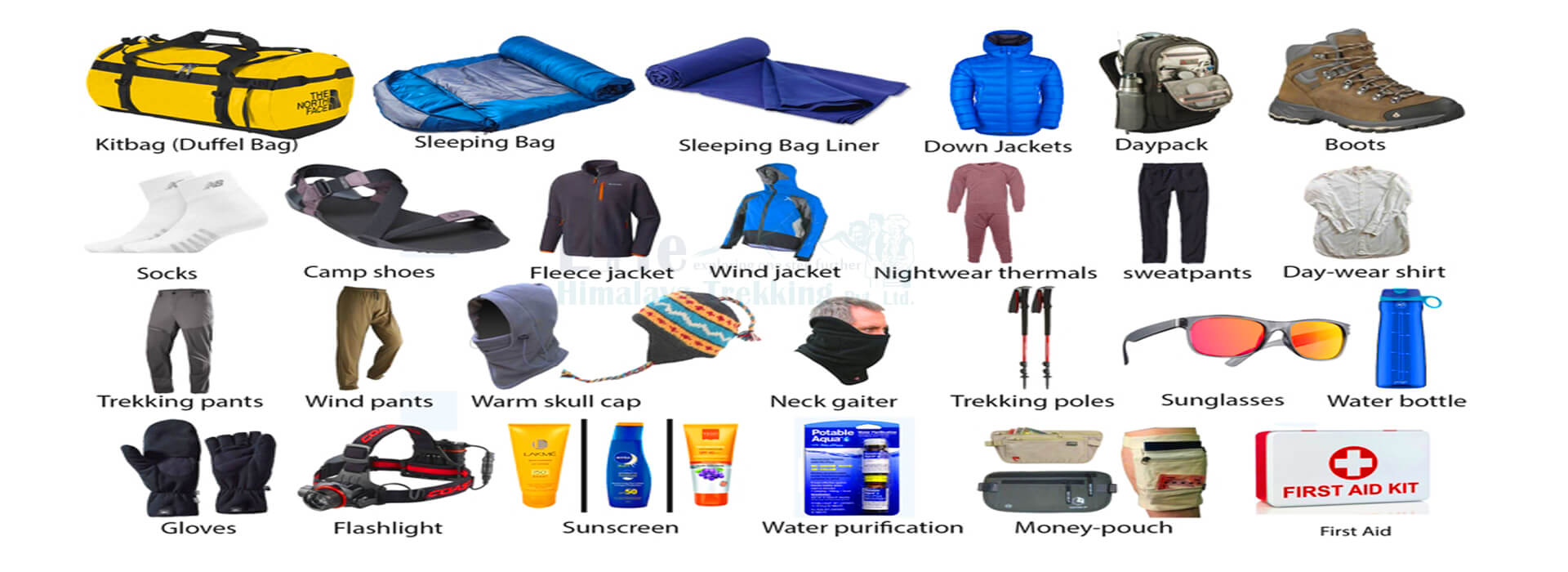
Required Equipments for Trekking in Nepal
- Breathable Underwear
- Sports Bra
- Base Layers
- Trekking Shirts
- Trekking Trousers and Shorts
- Fleece Jacket
- Down jacket (insulated jacket)
- Windcheater (water proof)
- Sun protection Hat
- Headband or Beanie
- Scarf or neckband
- Gloves (inner and outer )
- Hiking Boots
- Trekking Shoes
- Hiking Socks
- Thermal Socks
- Gaiters
- Duffel Bag
- Day pack
- Sleeping Bag
- Trekking poles
- Sunglasses
- Hydration bladder or Water bottle
- Head Lamps
- Batteries
- Personal towel
- Swiss army knife
- Sun lotion
- Medical & first-aid kit
- Woolen socks
- Waterproof jacket
- Lip Guard
- Insulated pants
- Baby wipers
Required Equipments for Climbing in Nepal
- Water bottle
- Batteries and bulbs
- Flashlight
- Personal towel
- Swiss army knife
- Rucksack
- Sun lotion
- Medical & first-aid kit
- Sewing kit
- Polypropylene/wool socks
- Other required equipment
- Sleeping bag
- Down Jacket
- Waterproof jacket
- Trekking shoes/boots
- Camp shoes
- Jumperorpile jacket
- Hiking pants
- Hiking shirts
- Full–sleeves shirt
- T-shirts
- Sun hat
- Gloves
- Woolen hat
- Long underwear
- Goggles or sun glasses
- Gaiters
- Sun block for lips
- Light cotton socks
- Mountain trekking boots
- Woolen socks to wear with boots
- Nylon wind breaker
- Insulated pants
- Nylon wind pants
- Long sleeved cotton/woolen shirts
- Sun hat
- Long cotton hiking shorts
- Fleece/wool for climbing
- Lightweight fleece
- Sleeping pad (karri mat) or thermarest
- Down high altitude sleeping bag
- Down jacket/trousers/vest
- Light cotton athletic socks and wool socks
- Water proof climbing jacket
- Head torch/batteries/bulbs
- Climbing sunglasses
- Lightweight thermal/insulated ski gloves
- Sun screen
- Warm climbing trousers
- Wool long underwear
- Other required equipment
- Climbing boots
- Gaiters
- Ice axe
- Harness
- Crampons
- Karabiners
- Tapes/slings
- Snow bars
- Ice screws
- Rock pegs
- Deadmen
- Crash hat
- Day bag
- Rucksack
- Lip salve
- T-shirts
- Ascenders
- Ascenders
- Kit bag
Whats Included
- Private transportation throughout the trek.
- 4*4 jeep KTM to Syabrubesh or Sundarijal to KTM
- Best available Lodge (Tea House) accommodation and full board meals throughout the trek.
- Breakfast, Lunch, and Dinner, included chosen from lodge menu and twin share accommodation during the trek.
- One highly experienced, helpful and friendly guide, porters (1 porter for 2 people) and their food, accommodation, salary, equipment, and accidental insurance for all staff
- TIMS Fee- Trekkers’ Information Management System (Please bring 3 passport size photos for permit)
- Langtang national park entry permit fee.
- Shivapuri national park entry permit
- As per group size experience, government licence holder trek guide, helpful and friendly strong, porters (1 porter for 2 people) and their food, accommodation, salary, equipment, and accidental insurance for all staff. ( 5 trekkers 1 assistant guide )
- Warm Down jacket and four seasonal sleeping bag will be provided during the Gosaikunda helambu trekking If necessary ( down jacket and sleeping bag are to be returned after the trip )
- Life Himalaya Trekking Duffelbag and T-shirt, Trek Map
- First Aid kits for the staffs and the groups.
- Services coordination for emergency and rescue operations
- Government taxes & office service charge.
- Archivment Certificate
Whats Excluded
- Meals not quantified in the ‘Meal Inclusions’ in the itinerary.
- Travel insurance.
- International airfare.
- Nepal entry visa charge.
- All beverages and others personal expenses.
- Snacks and other personal expenses.
- Battery charge,hot showers & international phone calls.
- Service not mentioned above.
Langtang Gosaikunda Trek - Essential Information
How difficult is the Langtang Gosaikunda Trek?
Langtang Gosaikunda Trek is a moderate trek and can be done by a trekker with a reasonable fitness level. No technical climbing abilities are required, but the journey takes a few days of continuous walking, and sometimes along steep paths.
The highest point of the trek is Lauribina La Pass at 4,610 m, and this one needs patience and a slow pace. Walking on rough trails with an average of 5-7 hours every day might be exhausting, particularly at an altitude of 3,000 m and above, because the air at that height is thin.
There are additional optional side trips, such as climbing to Tserko Ri for acclimatisation. The trails are generally well marked, along villages, woods and alpine sceneries, though both the altitude and weather may complicate the task.
The trek becomes manageable by acclimatisation days, like in Kyanjin Gompa and a slow schedule on ascent. It can be prepared with cardio activities such as hiking, jogging or cycling. With a positive frame of mind, the right equipment, and an informed guide, the Langtang Gosaikunda Trek will be doable for both beginner and experienced trekkers.
Weather & Best Time to Trek
The most suitable seasons of the Langtang Gosaikunda Trek are spring (March-May) and autumn (September-November). In spring, it is warm, and there is blooming of rhododendrons, and in autumn, it is clear, and the air is fresh after the monsoon. It is pleasant during the day, between 10-20 °C at lower altitudes, though nights become close to freezing, especially at mid or high camps such as Kyanjin or Gosaikunda.
Monsoon season (June-August) is not that favourable since the trails are slippery, roads are blocked, and the mountains are obscured by clouds, but the valleys are lush and green.
Cold weather and snow during Winter (December-February) make the high passes dangerous, but the skies are clear, and there are spectacular views.
Temperature is influenced by altitude, and layering is necessary. Trekking to observe festivals, such as Janai Purnima in Gosaikunda, can also include cultural experiences, but can also be accompanied by drizzling rains.
The weather is unpredictable and changes very fast; thus, the guides modify plans to ensure the safety of trekkers. The Langtang Gosaikunda Trek is best done in the spring and autumn seasons.
Food, Water & Drinks on the Trek
The tea houses in the Langtang Gosainkunda Trek offer a wide range of healthy food to the trekkers. The most common meal is Dal bhat, which is the traditional rice and lentil meal of Nepal that keeps the energy levels high. Alternatives are noodles, fried rice, momos (dumplings), soups, pasta and Tibetan bread.
In the higher altitudes, such as Kyanjin Gompa, basic food like porridge, pancakes, or yak cheese meals are the norm. Meat is periodically on sale, but not always fresh, and therefore, vegetarian meals are safer.
It is important to be hydrated, and that is why it is important to consume 3-4 litres of boiled or purified water every day. At high altitudes, bottled water is sold, but at some cost.
Purification of water can be done by the use of water purification tablets, drops or filters. Teahouses also offer hot beverages such as ginger tea, masala tea, black tea, coffee or herbal teas that help keep warm and hydrated.
At high altitude, alcohol is to be avoided. The Langtang Gosainkunda Trek requires proper dieting and hydration to enjoy and be safe during trekking.
Altitude Sickness & Acclimatisation Strategy
Acute Mountain Sickness (AMS) or Altitude Sickness may occur to trekkers in the Langtang Gosaikunda Trek when we reach high altitudes. Its maximum point of sleep is approximately 3,870 m at Kyanjin Gompa with optional day hikes to Tserko Ri (5,184 m) and crossing Lauribina La Pass at 4,610 m.
We plan a rest day in Kyanjin Gompa and a gradual increase in altitude to allow your body to acclimatise. The law of climbing high and sleeping low is implemented, e.g. climbing Tserko Ri during the day but going back to sleep at 3,870 m.
Mild symptoms encompass headache, nausea, fatigue or insomnia. The guides check the state of all people daily and prescribe rest, hydration or slowing down.
Severe symptoms must be addressed urgently. You can take Diamox on the advice of your physician. Under correct acclimatisation, hydration, taking pace and guidance, the majority of trekkers can cope with altitude. These measures will make your Langtang Gosaikunda Trek safe and happy.
Fitness & Trek Preparation
The Langtang Gosaikunda Trek is suitable for moderately fit individuals. You don’t need to be an athlete, but 5-7 hours of walking on a hilly and a downhill path is physically exhausting. Begin training at least 6-8 weeks before the trek with cardio activity such as hiking, jogging, cycling, or swimming. Do some exercise, walking uphill and climbing steps, to make your legs and lungs stronger.
During training, carry a small backpack to represent the conditions of a trek. Balance and endurance exercises, including squats and lunges, are core and leg exercises. Break in your hiking shoes to prevent blisters. It is also worth being mentally prepared for walking long days, having simple facilities and sleeping in cold conditions.
Clothing must be layered according to the varying temperatures. Being physically fit makes your trekking experience enjoyable and will also enable you to spend every day of the Langtang Gosaikunda Trek without feeling unsafe and uncomfortable.
Nepal Visa & Trekking Permits for Langtang Gosaikunda Trek
In order to complete the Langtang Gosaikunda Trek, the majority of travellers require a Nepal tourist visa, which is issued at Kathmandu airport, land entry port or at the embassies in your home country. One 15 days visa for 30 USD would be enough to do this trek. Your passport validity must be at least 6 months for the visa.
Permits are required for this trek. A Langtang National Park Entry and Shivapuri National Park permit and TIMS are necessary.
Check posts at Dhunche, Syabrubesi, and the entrance gates to the park, check your permits. Bring a copy of your passport along for easy identification.
Life Himalaya Trekking will obtain all the necessary permits for you, so you don’t have to worry about any documentation.
Do not litter or disturb the wildlife. Having your visa and permits in place, you are legally free to explore the trails safely. With proper permits, you can enjoy, bear responsibility and have no stress in your Langtang Gosaikunda Trek.
Health & Safety
During the Langtang Gosaikunda Trek, the leading priority is your health and safety. Some of the risks associated with trekking in high mountains include altitude sickness, rugged tracks and changing weather, but with proper planning, these risks can be minimised.
Our experienced guides will carry first aid kits and understand how to handle the general problems, such as headaches, blisters, or minor injuries. Personal medicines are recommended, and hygiene needs are observed as trekkers should consume cooked food and consume boiled or purified water.
The altitude factor is important, and in our schedule, we will have the acclimatisation day to avoid sickness.
Tracks are well marked; however, there are dangerous places such as landslides, rock falls, or small bridges. Take the advice of your guide.
Keep away and do not feed the wild animals if you encounter any. The weather is unpredictable and therefore bring along waterproof clothes and warm clothes.
Based on advice and attention to your guide, you can safely and without concerns enjoy the Langtang Gosaikunda Trek.
Transportation During the Trip.
The Langtang Gosaikunda Trek has good transportation control that will ensure that your trip is comfortable. On arrival, we offer airport transfers in Kathmandu, and on the day of departure, we offer return transfers.
The primary overland journey is the jeep drive from Kathmandu to Syabrubesi, which is approximately 122 km and 7-8 hours of mountainous roadways. Compared to the public buses, the private ones are safe, flexible, and comfortable.
On the final leg of the journey, we drive you back to your home from Sundarijal in a private vehicle, and this saves time and energy.
The private vehicle depends on your group size, but we assure you that all of the vehicles we provide are safe and comfortable with professional and experienced drivers. Such arrangements enable the trekkers to concentrate on scenery, culture and hiking.
Travel Insurance Requirements
The Langtang Gosaikunda Trek will require travel insurance because of the risks encountered in high altitudes, remote areas, and the deficiency in medical centres. It must include evacuation in a case of emergency, such as the use of helicopters to carry injured people, or in case of severe altitude sickness and medical care and hospitalisation.
The normal travel insurance might not include trekking beyond 3,000-4,500 meters, so be sure to select a policy which specifically includes high-altitude trekking. Trip cancellation insurance, lost luggage insurance, and additional costs due to unexpected circumstances, which might arise due to blocked roads or a change of itinerary, can also be covered through insurance.
Before the trek, give the guides the contact and policy information of your insurer for an emergency. Although conduct everything safely, emergencies may occur, and insurance will allow us to take quick action without having to worry about finances.
Travel Insurance is not included in your Langtag Gosaikunda Trek Package.
Budget Beyond the Package: Personal & Extra Costs
Although the Langtang Gosaikunda Trek package includes all the key costs such as permits, guide, porter, accommodation, and meals on the trail, you are to allocate extras. Food in Kathmandu, hot showers, charging devices, snacks, and drinks are generally charged individually.
Hot Showers in the highest elevation might take $2-5, and phone/camera charging might take $1-3 each. Beverages, additional tea and snacks prices go up with elevation.
Tips for guides and porters are expected, but not mandatory.
Extra expenses would be on souvenirs in villages or Kathmandu, and any other optional activities, such as tours of the city or a helicopter adventure.
ATMs are not present in rural regions, and one should carry enough Nepali rupees. An approximate amount of the personal costs on the trail is safe at 150-250 per person in total. Estimating these expenses will help you have a pleasant time in the Langtang Gosaikunda Trek with no unexpected expenses.
Local Language, Culture & Communication Tips
The Langtang Gosainkunda trek is a cultural exploration of the Tamang and Helambu Sherpas. The inhabitants adhere to the Buddhist customs, so prayer flags, stupas, and mani walls are found on the routes.
Tamang and Sherpa communities use their own languages, yet the majority of them know Nepali, and young individuals usually speak basic English. Simple phrases such as Namaste (hello), Dhanyabad (thank you) and Sanchai chhu (I am fine) will make locals delighted.
Observe cultural values: do not walk anticlockwise around stupas, remove shoes in houses or monasteries, dress decently, and do not touch heads. Never take pictures of people without their consent, particularly the elderly.
Be nice, smile, accept little gifts of tea or food, graciously. Children can come up to greet you or have minor conversations, but not to hand over money or candies.
Connectivity on the Trail: Mobile Network, Wi-Fi & Charging
It is possible but limited to stay in touch through a mobile phone during the Langtang Gosaikunda Trek. Generally, Nepal Telecom (NTC) is more covered compared to Ncell, and signals are available in Syabrubesi, Thulo Syabru, Langtang Village and in some cases, at Kyanjin Gompa.
Some tea houses have Wi-Fi, which is usually slow in elevated places such as Gosaikunda. You can charge your phone or camera in lodges, which normally costs you a very minimal fee, depending on the elevation.
Get a power bank and make sure batteries are kept warm because cold is fast to kill power. There might be gaps between coverage, and therefore, you should plan to be offline most of the time.
Guides have phones or emergency contacts, and satellite phones are sometimes used in extreme cases. Sometimes the network is capable of messaging or making quick calls. The lack of connectivity promotes the idea of a digital detox during the trek.
Things to Avoid During the Langtang–Gosaikunda Trek
During the Langtang Gosaikunda Trek, there are a number of pitfalls which may disrupt safety and pleasure. The need to acclimatise and climb to higher altitudes too fast should be avoided, as this prompts you to altitude sickness.
Stay hydrated, eat frequently and do not use untreated water. Alcohol and smoking are to be restricted because they slow down the process of acclimatisation. Always follow the marked paths, walk with your group, and do not walk at night.
Be considerate of local culture and the environment. Request permission to take pictures, wear modest clothes, do not litter, and do not directly give children money or candy.
Carry a lightweight bag, wear the shoes that are already broken in, and never take a chance of doing silly stuff like climbing ledges or swimming in Gosaikunda Lake.
Store valuables, permits and electronics safely. Common sense, taking the advice of your guide, and respect will guarantee you a safe, easy, and enjoyable trekking trip.
Extending Your Journey
Having finished the Langtang Gosaikunda Trek, it is time to see more of Nepal. Alternatives will be the Tamang Heritage Trail, a 4-6 day cultural loop of the villages and hot springs, or to go even further into Helambu.
Visit Nagarkot or the neighbouring hills for the panoramic view of the Kathmandu Valley.
A jungle tour is provided by wildlife safari in either Chitwan National Park or Bardia National Park, in contrast to the mountains.
The cultural and scenic experiences can be accomplished with the help of city tours in Kathmandu, Patan, Bhaktapur, or Pokhara.
You can also indulge in adventure activities like rafting, paragliding, bungee jumping or mountain flights. Helicopter tours may provide breathtaking aerial scenes of the Langtang Valley or Everest.
Extension involves you planning on a visa, travelling and rest days, but it will add colours to your trip to Nepal. These additions can be customised by Life Himalaya Trekking in such a way that your adventure does not end when the trek ends.
Photography & Drone Regulations
Langtang Gosaikunda Trek is a place of amazing photo spots. Always ask permission before photographing locals, and respect monastery rules or wildlife.
The Nepal Civil Aviation Authority issues permits to drones, and flying drones without a permit is dangerous. The drone can be seized at the army and police checkpoints. Do not fly over military locations, near individuals or holy places.
You can easily take photos of stunning panoramic landscapes and cultural scenes with your mobile phones and cameras during the Langtang Gosaikunda Trek.
Essential Advice for First-Time Trekkers
The Langtang Gosaikunda Trek is an activity that first-time trekkers should take slowly, get rest and move at a steady pace so as to acclimatise themselves to the altitude. Follow guides, hydrate and route advice.
Layered clothes, raincoats, warm thermal, and worn-in boots are an absolute necessity. Do not overpack. Keep in mind the attitude and flexibility of the plans because changes might occur due to the weather or logistics.
Meet other trekkers and locals, learn basic Nepali expressions, and adopt cultural experiences. Keep your body healthy, andearly treatment of blisters, sun protection, and cleanliness.
Mentally prepare yourself for the conditions of basic teahouse and twin share rooms, which are the norm. There is less room heating and more cold showers.
Do not push yourself beyond your boundaries, speak about the fatigue and do not think about other people and their walk, concentrate on your own. These guidelines will make the first trekking experience in Nepal enjoyable, rewarding and safe.
FAQs For Langtang Gosaikunda Trek
Langtang Gosaikunda Trek - FAQ
How long is the trek?
It is a 15-day trek that has 11-12 days of real walking.
What is the highest point?
The highest point of the trek is during an acclimatisation hike from Kyanjin Gompa to Tserko Ri, which stands at 5,184 m (17,008 ft).
Can beginners do this trek?
Yes, beginners can do it as it requires moderate fitness only.
What kinds of accommodation are offered?
Teahouses with simple twin rooms and a small dining area are offered during the trek; a tourist standard hotel is provided in Kathmandu for accommodation.
Are there ATMs on the trail?
No. Bring along enough Nepali money to spend.
Is a guide required?
Yes, a guide is required for this trek as the trail passes through forests and alpine areas.
Is there an age limit?
There is no strict limit. Any healthy trekker of any age can be a participant.
What would happen in case somebody falls ill or is hurt?
Guides offer first aid, and severe cases might need evacuation, including a helicopter rescue.
Can I trek in winter?
Yes, but you may face very cold weather, and perhaps snow. It might have some treacherous and blocked passes.
How safe is the trek?
The trek is very safe and doable if you follow the instructions of the guide and take all safety measures.
What equipment should I bring?
You must bring hiking boots, a sleeping bag, layers of clothes, a backpack, a headlamp, a reusable water bottle and a water purifier.
Can I finish the trek early?
Yes, your guides will help in providing quicker alternative exit routes.
How much is the overall distance of the walk?
It is about 120 km (75 miles) for the entire journey.
Do I need a sleeping bag?
Yes. Teahouses offer blankets, but a warm sleeping bag (-10 °C) will keep you warmer.
Are hot showers available?
Certain lodges have hot showers, which you can get at a fee; however, this is limited at high altitudes.
What are the toilet facilities?
Communal toilets, squat or western-style toilets, are available in the lower elevation. At elevated levels, the facilities are primitive.
Is alcohol allowed?
It is suggested to avoid alcohol as it may lead to dehydration and acclimatisation problems.
Shall I give my guide and porter a tip?
It is customary to tip 10% of your total trekking cost.
Will altitude affect sleep?
Above 3,500 m, your sleep might be light, but this is improved by acclimatisation.
Do I need a power adapter?
Yes. There are Type C and Type D outlets in Nepal (220 V). Carry a universal travel adapter.
Can I rent trekking gear?
Yes. Sleeping bags, jackets, poles, and other equipment can be rented in Kathmandu at very affordable prices.
Is the itinerary customisable?
Yes, the itinerary is customisable and can be customised according to your needs and interests.
Why choose this trek?
The Langtang Gosaikunda Trek is a blend of scenic landscape, alpine lakes, panoramic mountains, and the true village culture, which is easy to reach from Kathmandu, so you must choose this trek.
Video Reviews





Tripadvisor Reviews
Similar Trips
Join us on similar trips in the same region
View Details
Tamang Heritage and Langtang Valley Trek
View Details
Langtang Tamang Heritage Gosaikunda Circuit Trekking
View Details