
 English
 Dutch
Dutch Japanese
 Hindi
Hindi Italian
 Spanish
 French
 German
 Chinese
 Korean
 Arabic
 Hebrew
 Russian
 Portuguese
 Danish
 Czech
Czech Polish
 Swedish




Max. Altitude
8,167m
Best Season
Oct -Dec & March-May
Activity
Mountain Expedition
Start / End Point
Kathmandu / Kathmandu
Overview of Dhaulagiri Expedition
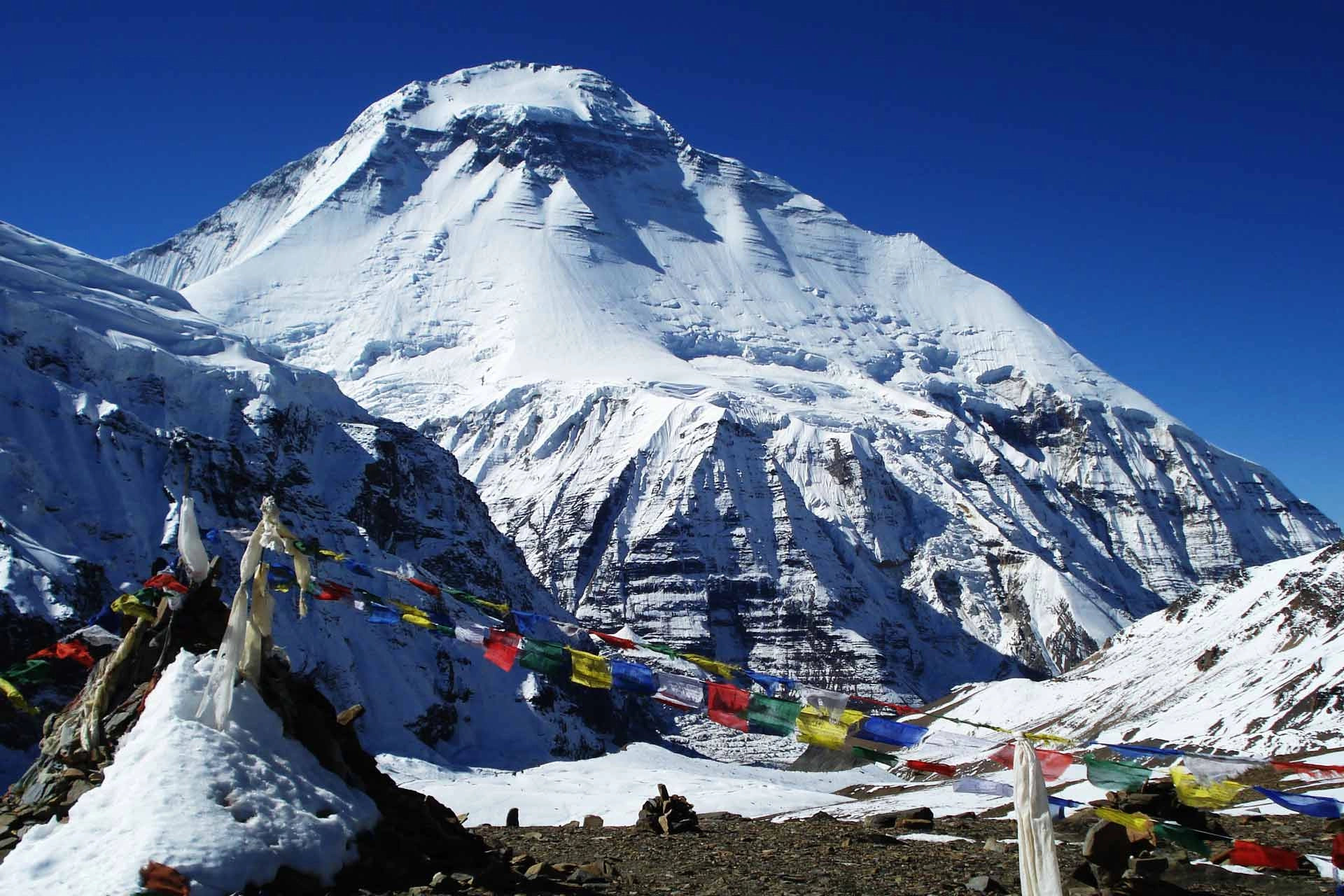
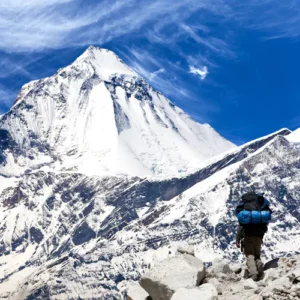
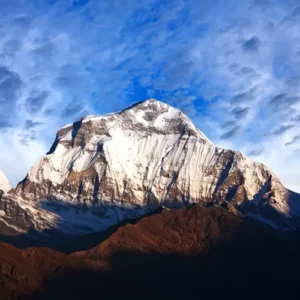
Do you wish to be a proud member of the 8000 m mountaineering club? Yes, then, join Life Himalaya and become one of the adventurous climbers on our Dhaulagiri expedition, the aim of which is to conquer the luckiest 7th-tallest peak in the world, Dhaulagiri, towering at 8167 m altitude.
This White Mountain stands as one of the parts of the Crown of the Himalayas, with a character that never releases its grip. Our Dhaulagiri expedition is thus a true Himalayan experience that will guide you to this uniquely shaped mountain that has denied climbers access for nearly ten years since the first attempt.
Finally, the Dhaulagiri expedition attained its first success on May 13, 1960, by a Swiss-Austrian expedition team, including Kurt Diemberger, Peter Diener, Ernst Forrer, Albin Schelbert, Nawang Dorjee Sherpa, and Nima Dorjee Sherpa, who ascended via its northeast ridge.
It is located in north-central Nepal, separated from the nearby Annapurna by the deeply carved valley of the Kali Gandaki River.
Our Mt. Dhaulagiri expedition will follow one of the loneliest trekking routes: the Dhaulagiri circuit trek, where we will be able to embrace the true essence of exploration.
Following this route, we will reach the Dhaulagiri Base Camp (4750 m), from where our Dhaulagiri expedition will begin in a true sense. From the base camp, we will take the classic route via the northeast ridge to the summit.
We will proceed to its four advanced camps: Camp I (5450 m), Camp II (6400 m), Camp III (7400 m), and Camp IV (7500 m). While most agencies will guide you directly from Camp III to the summit, we like to ensure the greatest chance of success at the summit.
And, so we offer our climbers more acclimatization opportunities by establishing Camp IV, from where we will then push for the summit.
The trail from these advanced camps to the summit is mainly composed of ice and snow and has moderate technical difficulties. There will be a medium rocky cliff of Jacob’s Ladder and icy seracs.
We offer you a one-on-one Sherpa guide for our Dhaulagiri expedition, which means your safety at the time of attacking the summit will be enhanced.
Once you stand at the summit, you will have the most stunning panorama in front of you. Dhaulagiri II, III, IV, V, Annapurna I, Fishtail, Nilgiri, Tukuche, high glaciers, and the serene expanse of the Hidden Valley will simply steal your attention.
As you start your descending journey of the Dhaulagiri expedition, you will have two more challenging passes to overcome: French Pass (5360 m) and Dhampus Pass (5240 m).
You will then return to the civilization of the Kali Gandaki Valley, from where you will head back to Kathmandu, filled with pride and a story to tell.
Thus, our extraordinary Dhaulagiri expedition is designed mainly for skilled and experienced mountaineers who seek extreme challenges and unforgettable experiences.
We advise you to undertake the challenge of our Dhaulagiri expedition in the autumn season rather than the spring in Nepal.
Highlights of Dhaulagiri Expedition
- Make your own history by conquering the 7th-tallest Himalayan peak on the planet
- Engage in an extraordinary trekking journey along the Dhaulagiri circuit route
- Stay at the base camp right beneath the gigantic Dhaulagiri Summit
- Behold the white crown mountain visuals from the Dhaulagiri and Annapurna ranges
- Journey through the Kali Gandaki Valley and bask in the allure of the Annapurna and Dhaulagiri Conservation Areas
- Interact with the Gurungs, Magars, and Thakali communities
- Enjoy the loneliness in Hidden Valley
- See Kathmandu and its must-see sites
Dhaulagiri Expedition Itinerary
01
Kathmandu Arrival, 1350 m, and Hotel Transfer
Your Dhaulagiri expedition will start with your arrival in the Himalayan Capital, Kathmandu, nestled in the wide Kathmandu Valley. Our expedition representative will receive you at TIA and transfer you to your hotel.
Spend your first evening relaxing and resting from jet lag, and enjoy the evening atmosphere of this beautiful city.
Maximum Altitude
1350 m
Accomodations
Hotel
Transportation
Airport to Hotel Transport
02
Sightseeing and Preparation for the Expedition
Today, you will meet our Dhaulagiri expedition leader, who will introduce you to your team and also share in-depth details about our Dhaulagiri expedition.
Then, together, we will arrange the climbing permits for the Mt. Dhaulagiri expedition, and then set out to shop for gear essential for the adventure.
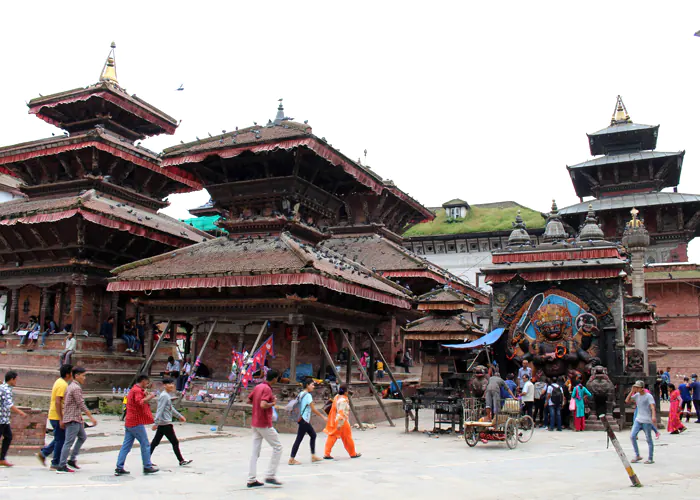
Afterward, you can enjoy your free time to explore Kathmandu Durbar Square and Thamel today.
Meals
Breakfast
Accomodations
Hotel
03
Kathmandu Sightseeing
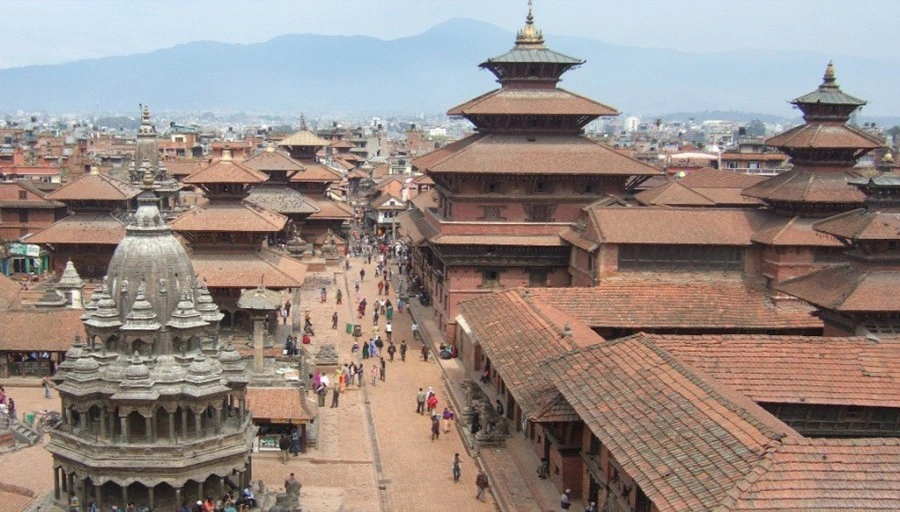
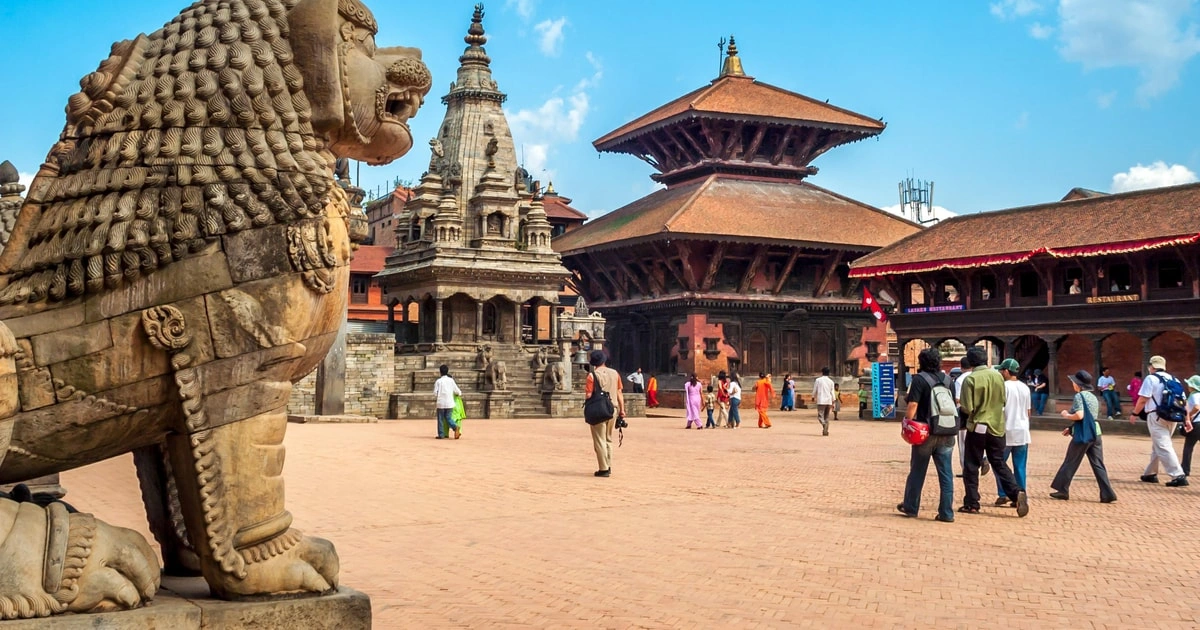
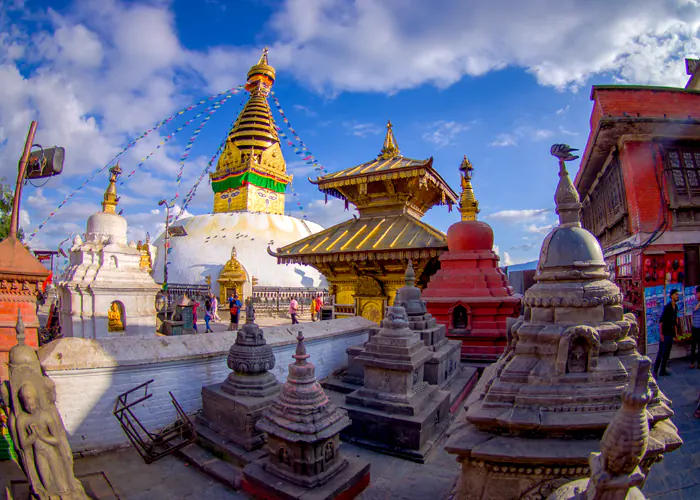
Today, you will see the very important landmarks and monuments of Kathmandu, including the Swayambhunath Monkey Temple, Boudhanath Temple, and Pashupatinath Temple, where you can observe the Nepalese culture before setting forth for your Dhaulagiri climbing adventure.
Make sure to go to bed early since we have a long and early drive ahead of us tomorrow morning.
Meals
Breakfast
Accomodations
Hotel
04
Drive from Kathmandu to Darbang via Pokhara and Beni, 1120 m, 8 to 9 hours
Today, we will wake up quite early and enjoy a quick breakfast. Then, we will leave the heavy traffic of Kathmandu through Thankot and begin to advance along the Prithvi Highway to Trishuli Bazaar.
A while later, the Mugling-Narayanghat Rajmarga will start to direct us to the Newari mountain town of Bandipur. We will start to see the appreciating images of Annapurna, Ganesh, and Manaslu as the road keeps us progressing further to Pokhara.
Now, the beautiful, calm Myagdi Khola will guide us along its bank to Kushma and Baglung. In around four hours, we will arrive at Beni, where Myagdi unites with the Kali Gandaki River.
Here, a checkpoint will examine our trekking and mountaineering permits essential for the Dhaulagiri expedition. The northward road will now take us through Mangalghat, Singa, Tatopani, Simalchaur, and Babiyachaur before we finally settle at Darbang.
Maximum Altitude
1120 m
Meals
Breakfast, Lunch, Dinner
Accomodations
Hotel
Transportation
8-9hrs drive
05
Trek to Phaliya Gaon, 1850 m, 6 to 7 hours
Our main trek of the Dhaulagiri expedition begins today as a walk from Darbang. A little further, we will come across a small checkpost, which will again check our papers and permits.
We will then start following the west bank of Myagdi Khola and climb to Shahashradhara Village. Here, we will cross the Duk River and start ascending steeply to Dharapani (1400 m) through Ratorunga village.
Admiring the beauties of Churen Himal, Annapurna, Dhaulagiri I and II, we will slowly climb to Hille Pokhari. The dense old forest trail will then elevate us through Takam (1670 m) village over the Dhara Khola.
Following the upstream trail over the riverbed, we will ascend through Sibang Village to finally reach the Phaliya Gaon.
Maximum Altitude
1850 m
Meals
Breakfast, Lunch, Dinner
Trek Duration
6-7 hours
Accomodations
Guest House
06
Trek to Muri, 1850 m, 3 to 4 hours
As we are now progressing toward the Dhaulagiri base camp, the trail will become increasingly dense. We will pass the water mills of the Ghatti Khola, and from there, the trail will climb for about two hours, leading us to Muri Village.
It is the Magar Village that gives us the magnificent views of Gurja Himal, Dhaulagiri, and Mana Pathi.
Maximum Altitude
1850 m
Meals
Breakfast, Lunch, Dinner
Trek Duration
6 hours
Accomodations
Guest House

07
Trek to Boghara, 2080 m, 6 to 7 hours
From Muri, we will follow the trail that curves along the steep cliff that reaches to 900 m. As we keep on climbing along this canyon, we will finally reach the summit of the Ghorband Dhara (1700 m).
Watching the splendid currents of Dhora Khola below, and Ghustung South in front, we will start navigating a rocky terrain that will elevate us for the next 2 hours.
Meandering the rice plantations of Mahatala and Naura, we will soon reach the Boghara Village, which is also called the Bagar Village. With the comfort and hospitality of the Magar people, we will enjoy the sight of the Manapathi and Dhaulagiri Peaks in the evening.
Maximum Altitude
2080 m
Meals
Breakfast, Lunch, Dinner
Trek Duration
6-7 hours
Accomodations
Guest House
08
Trek to Dobang, 2520 m, 6 to 7 hours
The Dhaulagiri Base Camp, which will be our home for a few days in our Dhaulagiri expedition, will soon be reached. But before, we will need to leave Boghara and trek upward along the canyon wall to reach Jyardan.
The sloped trail will now elevate us to a ridge that will guide us to Lipshe and then to Lapche Kharka (2310 m). The final 200 m steep climb now separates us from our overnight lodging at Dobang.
Maximum Altitude
2520 m
Meals
Breakfast, Lunch, Dinner
Trek Duration
6-7 hours
Accomodations
Guest House
09
Trek to Italian Base Camp, 3660 m, 7 to 8 hours
A path running inside the bamboo and rhododendron jungle will at first guide us to Chartare. Then, the wide grassy path will go straight towards the stunning clearing terrain of Sallaghari.
The trail will now change distinctly into a rocky and muddy trail as we proceed upward to the Chhonbarban Glacier. Before long, we will arrive at Italian Base Camp, which is also called Upper Vungini.
Setting up the tent below the west face of Dhaulagiri, we will watch the magnificent snowy walls of Dhaulagiri I, II, III, IV, and V, along with Tukuche Peak.
Maximum Altitude
3660 m
Meals
Breakfast, Lunch, Dinner
Trek Duration
7-8hrs
Accomodations
Camp
10
Acclimatization day
We have planned a rest day at the Italian Base Camp so we can prepare for the next stage of our Dhaulagiri expedition and prevent AMS. If you like, you can ask our guide to take you to the American Base Camp or Ice Cave for further acclimatization.
Meals
Breakfast, Lunch, Dinner
Accomodations
Camp
11
Trek to Dhaulagiri Base Camp, 4750 m, 6 to 7 hours
It’s time that we head towards our permanent home for the next few days in our Dhaulagiri expedition, to its base camp. First, our path crosses the rugged slope of Pakhoban Ridge (4700 m) and then descends along the rocky and icy trail to Swiss Base Camp (3770 m).
Now, the glacial terrain of Chhonbarban canyon will lead us along one of the most technical sections before we reach the base camp. With the help of the ropes and handrails, we will cross this section and reach Glacier Camp, aka French Camp (4940 m).
Glancing at the west and north face of Dhaulagiri, we will keep ascending the rocky outcrop of the Chhonbarban glacier, being mindful of crevasses.
In around 4 or 5 hours, we will be setting up our permanent tent at the Dhaulagiri Base Camp. Our fatigue will be reduced by the evening glow of Dhaulagiri I, II, III, IV, V, and VI, as well as Tukuche and Sita Chuchura.
Maximum Altitude
4750 m
Meals
Breakfast, Lunch, Dinner
Trek Duration
6-7 hours
Accomodations
Camp
12 - 38
Climbing period of Mount Dhaulagiri (8167 m)
From now on, our progress over the days will rely on the weather and the health of each climber. So, we can’t plan every detail of the Dhaulagiri expedition, and our expedition leader will have the right to decide every step hourly and daily.
We will spend a few days at the Dhaulagiri Base Camp, where our Sherpa team will hold a puja ceremony for the success of our Dhaulagiri expedition. These few days will also help us acclimatize and allow us to train and practice our mountaineering skills.
Our lead guide may also decide to take you on a rotation ascent between the advanced camps and the base camp of Mount Dhaulagiri before we finally attempt the summit.
Each climber will have a one-on-one guide, which means each one of you will get one Sherpa guide for extra security at the time of attacking the Dhaulagiri Summit.
From the base camp, we will make four advanced camps before attempting the summit attack following the northeast ridge. The following are the stages that we will follow:
Trek from Base Camp to Camp I (5400 m), 4 to 5 hours
Ascending from the base camp of Dhaulagiri to its advanced Camp I will be moderately tough and short. Traversing the icy limestone terrain, we will first climb over a steep rock tower called the Eiger Wall.
This wall separates the northern face of Dhaulagiri from its northeast spur. Afterward, we will climb an icefall from the base of the Eiger wall and head upward towards the ridge known as Jacob’s Ladder.
It is a moderate rock and ice cliff with a gradient of 35 to 40 degrees, which we need to cross with the help of fixed ropes. It will take around two hours to navigate this ridge, after which we will continue our ascent along the glacier moraine.
Camp I of the summit is situated right below the Northeast Col on a rugged mountainside.
Trek from Camp I to Camp II (6400 m), 2 to 3 hours
The trail between Camp I and Camp II is one of the hardest sections, not because of the technicality but because of the altitude, which will begin to take a toll on our bodies.
This section will require us to gain 1000 m elevation traversing along icy and rocky terrain. There will also be a few steep stretches of hard ice that can incline at gradients of up to 40 degrees over 50-60 meter distances. These sections are the most demanding of the ascent.
Once we cross them, we will be camping at Camp II just above the snow terrace.
Trek from Camp II to Camp III (7400 m), 4 to 5 hours
Yet another 1000 m vertical ascent awaits this day, which is more technical and challenging. The majority of the trail consists of an icy slope with a steepness of approximately 35-40 degrees.
However, our Sherpa guide will secure the entire path with fixed ropes. Still, extra caution is needed as this section is more exposed and prone to sudden avalanches.
After a demanding climb, you will finally reach Camp III, situated along the mountain ridge to the west. Congratulations, the toughest segment of the Dhaulagiri Expedition is now over.
Trek from Camp III to Camp IV (7500 m), 2 to 3 hours
Camp IV will be our final base before the ultimate push to the summit, which lies just 100 meters above Camp III. While most of the expedition launches their summit attack from Camp III, we will establish Camp IV to enhance our comfort and readiness before making our ascent to the peak.
Dhaulagiri 8167 m Summit Ascent, 10 to 12 hours
We will begin our Dhaulagiri Summit attempt between 11 to 12 PM. The entire route to the summit from Camp IV is characterized by a steep climb up an icy slope, with inclines that range from 35 to even 50 degrees in certain areas.
Our guide will fix the entire trail from Camp IV with 900 m-long fixed rope. At first, we will ascend the icy slope to a serac, then we will climb over this serac along a steep, icy slope that can incline up to 50 degrees.
The final stretch will then ascend us to the summit ridge, after which we will encounter the false or lower peak of the summit. From here, our ascent will take place along the exposed ridge till we reach the 8167 m altitude of the peak.
Be prepared to be the witness of one of the most astounding panoramas in the world. In front of you will be the Dhaulagiri II, III, IV, V, Annapurna I, Fishtail, Nilgiri, Tukuche, high glaciers, and the lonely stretch of the Hidden Valley.
Now, we will head straight down to Camp II via Camp III for our overnight stay.
Trek from Camp II to Dhaulagiri Base Camp, 5 to 6 hours
Today, we will proceed with our descent to the base camp of Dhaulagiri via Camp I, thus completing our Dhaulagiri expedition.
Attention
We have set aside a few contingency days in between, as the Dhaulagiri climbing adventure may not go as planned, and the days could be significantly impacted by the weather and the health of the climbers.
Meals
8,167m (Dhaulagiri Summit)
Accomodations
Camp
39
Trek to Hidden Valley, 5200 m via French Pass, 5360 m, 6 to 7 hours
After we gather and dispose of our garbage, we will get ready to head back down from Dhaulagiri Base Camp to civilization. We will take the trail that goes northeast from Dhaulagiri.
Then, once again, we will trek along the glacial terrain of the Chhonbarban Glacier and veer left. After ascending the sharp edge and scree, we will reach a very wide plateau from where we will take the route that goes west.
This route will lead us upward over the French Pass, which is named after the successful effort put in by the 1950 French team that included Lionel Terray, Gaston Rebuffat, and Luis Lachenal.
We will now head down from the pass along its northeast spur and cross the large ridge. The trail will become easier as we descend to the Hidden Valley surrounded on all sides by Sita Chuchura, Tashi Kang, and Tukuche, along with gigantic Dhaulagiri.
Maximum Altitude
5360 m
Meals
Breakfast, Lunch, Dinner
Trek Duration
6-7 hours
Accomodations
Tented Camp
40
Trek to Yak Kharka, 3680 m via Dhampus Pass (5240 m), 6 to 7 hours
We have yet another major climb to tackle before our Dhaulagiri expedition finally eases. From Hidden Valley, the trail will ascend for two more hours over the gigantic Dhampus Pass, where we can look straight at the Dhampus Peak.
We will now have to overcome the 1500 m sharp descent from the pass before we can be back in the subtropical climate of the Kali Gandaki Valley.
We will once again set up our tent this time in between the green surroundings of Yak Kharka.
Maximum Altitude
5240 m
Meals
Breakfast, Lunch, Dinner
Trek Duration
6-7 hours
Accomodations
Tented Camp
41
Trek to Marpha, 2670 m, 5 to 6 hours
Our descent will continue to Marpha today, which also marks the end of the trekking segment of our Dhaulagiri expedition and our return to lower altitudes.
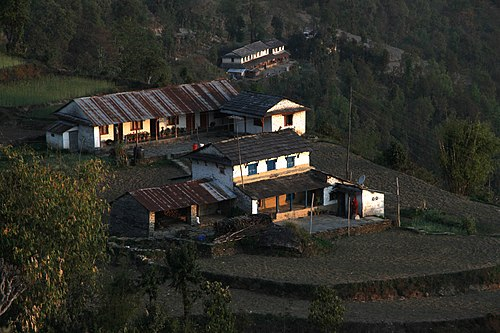
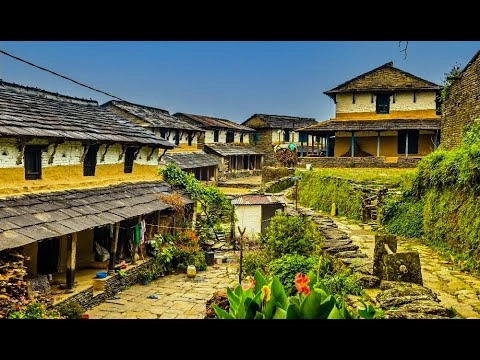
From Yak Kharka, the trail descends through Alubari, leading us to the apple orchards of Marpha in Kali Gandaki.
Maximum Altitude
2670 m
Meals
Breakfast, Lunch, Dinner
Trek Duration
5-6 hours
Accomodations
Tented Camp
42
Drive to Pokhara, 822 m, 5 to 6 hours
From Marpha, we will travel through Jomsom, Tatopani, and Ghasa to Beni. From here, we will be out of the Dhaulagiri Conservation Area, from where the Pokhara Baglung Highway will lead us directly to the beautiful tourist town of Pokhara.
Maximum Altitude
822 m
Meals
Breakfast, Lunch, Dinner
Trek Duration
5-6 hours Trek
Accomodations
Hotel
43
Fly to Kathmandu, 1350 m, 30 minutes
An early morning short flight will transfer us back to the comforting setting of Kathmandu today.
Maximum Altitude
1350 m
Meals
Breakfast, Lunch, Dinner
Accomodations
Hotel
Transportation
30 min
44
Free Day in Kathmandu
You will have a day off in Kathmandu when you can relax or explore the places you missed before. In the evening, we will organize a farewell dinner for you, and we will also award you with your Dhaulagiri climbing certificate.
Meals
Breakfast, Lunch, Dinner
Accomodations
Hotel
45
Departure
Today, you will return to your homeland with the remarkable memory of your Dhaulagiri expedition, one of the most difficult yet rewarding expeditions of your life. Life Himalaya will arrange a private airport transfer for you.
Meals
Breakfast, Lunch, Dinner
Accomodations
Hotel
Equipment Checklist 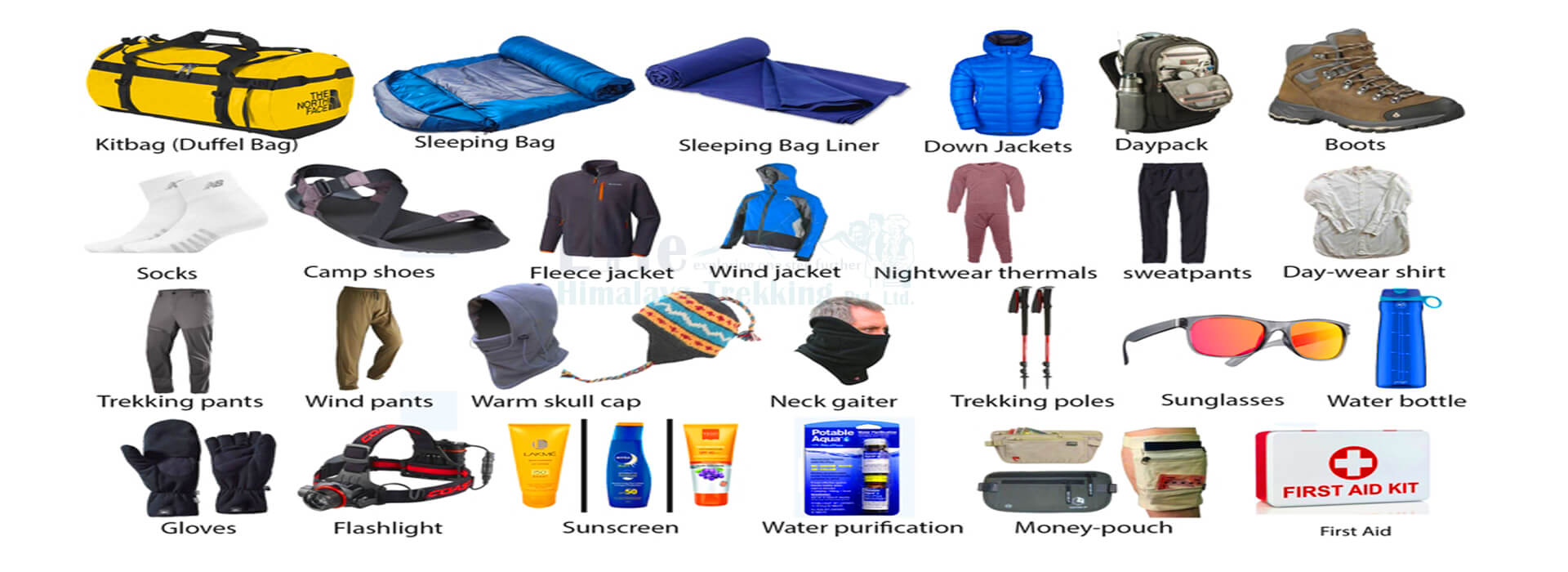

Required Equipments for Trekking in Nepal
- Breathable Underwear
- Sports Bra
- Base Layers
- Trekking Shirts
- Trekking Trousers and Shorts
- Fleece Jacket
- Down jacket (insulated jacket)
- Windcheater (water proof)
- Sun protection Hat
- Headband or Beanie
- Scarf or neckband
- Gloves (inner and outer )
- Hiking Boots
- Trekking Shoes
- Hiking Socks
- Thermal Socks
- Gaiters
- Duffel Bag
- Day pack
- Sleeping Bag
- Trekking poles
- Sunglasses
- Hydration bladder or Water bottle
- Head Lamps
- Batteries
- Personal towel
- Swiss army knife
- Sun lotion
- Medical & first-aid kit
- Woolen socks
- Waterproof jacket
- Lip Guard
- Insulated pants
- Baby wipers
Required Equipments for Climbing in Nepal
- Water bottle
- Batteries and bulbs
- Flashlight
- Personal towel
- Swiss army knife
- Rucksack
- Sun lotion
- Medical & first-aid kit
- Sewing kit
- Polypropylene/wool socks
- Other required equipment
- Sleeping bag
- Down Jacket
- Waterproof jacket
- Trekking shoes/boots
- Camp shoes
- Jumperorpile jacket
- Hiking pants
- Hiking shirts
- Full–sleeves shirt
- T-shirts
- Sun hat
- Gloves
- Woolen hat
- Long underwear
- Goggles or sun glasses
- Gaiters
- Sun block for lips
- Light cotton socks
- Mountain trekking boots
- Woolen socks to wear with boots
- Nylon wind breaker
- Insulated pants
- Nylon wind pants
- Long sleeved cotton/woolen shirts
- Sun hat
- Long cotton hiking shorts
- Fleece/wool for climbing
- Lightweight fleece
- Sleeping pad (karri mat) or thermarest
- Down high altitude sleeping bag
- Down jacket/trousers/vest
- Light cotton athletic socks and wool socks
- Water proof climbing jacket
- Head torch/batteries/bulbs
- Climbing sunglasses
- Lightweight thermal/insulated ski gloves
- Sun screen
- Warm climbing trousers
- Wool long underwear
- Other required equipment
- Climbing boots
- Gaiters
- Ice axe
- Harness
- Crampons
- Karabiners
- Tapes/slings
- Snow bars
- Ice screws
- Rock pegs
- Deadmen
- Crash hat
- Day bag
- Rucksack
- Lip salve
- T-shirts
- Ascenders
- Ascenders
- Kit bag
What's Included
- All ground and air transportation throughout the trek.
- Best available accommodation and full board meals throughout the trek.
- One highly experienced, helpful and friendly guide, porters (1 porter for 2 people) and their food, accommodation, salary, equipment, and accidental insurance for all staff
- TIMS Fee- Trekkers’ Information Management System (Please bring 2 passport size photos for permit)
- All national park and conservation areas permit fee.
- Government taxes & office service charge
What's Excluded
- Meals not quantified in the ‘Meal Inclusions’ in the itinerary’
- Travel insurance
- International airfare
- Nepal entry visa charge.
- All beverage and others personal expenses.
- Snacks and other personal expenses
- Hot shower during the trek.
Dhaulagiri Expedition Trip Information
Phases of Dhaulagiri Climbing Adventure
Engaging in the Dhaulagiri Circuit Trek Route
Your 45-day Dhaulagiri expedition will begin with traversing the secluded route of the Dhaulagiri circuit till you reach the base camp of Dhaulagiri.
Puja Ceremony and Rest at the Base Camp
For the next few days, you will stay at the Dhaulagiri Base Camp to acclimate to the high altitude air. Our Sherpa team will also conduct a small puja ceremony for the success of our Dhaulagiri expedition. You will also practice your mountaineering skills while staying at the base camp.
Mt. Dhaulagiri expedition begins.
From the base camp, you will gradually ascend to the higher camps of the Dhaulagiri Summit, which are Camp I, II, III, and IV. There may also be a rotation ascent with back and forth movements between the camps.
Attack the Dhaulagiri Summit
From Camp IV, you will push for the 8000 m summit of Dhaulagiri, after which you will descend to Camp II and subsequently to its base camp.
Descent through the French and the Dhampus Passes
From the Dhaulagiri Base Camp, your descending journey begins by overcoming the two massive passes of French Col and Dhampus Pass, after which you will return to the civilization of Kathmandu through the Kali Gandaki Valley.
What does Life Himalaya offer you for your Dhaulagiri Expedition?
Life Himalaya has a very capable team providing you with a huge advantage for the higher success of your Dhaulagiri expedition. A very skilled, professional, and experienced Sherpa guide will oversee the entire expedition, who will create a very supportive and nurturing environment during our 45-day Dhaulagiri expedition.
They will also ensure you have very effective communication between team members and our staff. We also organize our Mt. Dhaulagiri expedition in a small and well-structured group, which will be led by our certified and experienced Sherpa leader.
He will manage all the risky scenarios so that you can focus only on your goal. Our Dhaulagiri expedition prioritizes safety, which is why we maintain a one-to-one client-to-Sherpa ratio. In addition, we offer the following services for you:
- Decades of our experience in handling the high-altitude expeditions
- Skilled and certified local Sherpa guides and porters at your service
- Supplemental oxygen bottle for each climber if needed
- Immediate and effective rescue management protocols
- Most transparent and affordable pricing with no hidden charges
- Outstanding crew and cooking staff available at the higher camps
- Excellent acclimating itinerary, exceptional team, perfect logistics, and optimal route
- Provision of all necessary camping and climbing equipment
Best Season for Dhaulagiri Expedition
Generally, spring (March to May) and autumn (September to November) are regarded as the best seasons for high mountain expeditions in Nepal. However, the weather conditions on Dhaulagiri are particularly suitable during the post-monsoon autumn period.
According to the reports of the climbers, they often experience warmth and sunshine during autumn while ascending the challenging trail between Camp II and Camp III.
In spring, the pre-monsoon time, a clear and sunny morning can quickly transform into a snowstorm accompanied by hurricane-force winds. Climbers often term this phenomenon as Afternoon Storms.
In winter (December to February), the climate stabilizes, with temperatures going down to -40°C, making the camping nearly unbearable.
On the other hand, during the summer of June to August, the climate is often misty with dark clouds and heavy monsoon rain, leading to swollen rivers and treacherous, slippery trails.
Difficulty Grade of Dhaulagiri Climbing Adventure
The Dhaulagiri summit is known as a 4D peak, while its classic northeast ridge route is rated from AD (Assez Difficile – Fairly Difficult) to PD+ (Peu Difficile – A Little Difficult), including specific sections that reach AD+.
Thus, Dhaulagiri is more a technically demanding summit than Mount Everest but less extreme than K2 peak. As for its trekking route, the Dhaulagiri circuit trek route falls under the category III hard hiking route.
Therefore, overall, our Dhaulagiri expedition is regarded as a highly extreme adventure that is suitable only for experienced mountaineers who have previously successfully climbed other high-altitude peaks between 7000 and 8000 m altitude.
Additionally, the remote location, risk of sudden climate change, avalanches, rockfalls, and serac collapses also increase the challenge level of our Mt. Dhaulagiri expedition.
Thus, you must have significant physical endurance to handle prolonged exertion, high altitudes, strong winds, and extreme cold.
Technically Challenging Sections of Mt. Dhaulagiri Expedition
Some of specifically hardest sections of the Dhaulagiri expedition that demand technical skill are as follows:
Trail from Camp I to Camp II
The route between Camp I and Camp II is one of the most challenging sections, with a vertical altitude gain of 1000 m. It involves a tough climb over a steep icefall with high-angle slopes of up to 40 degrees over a 50 to 60 m distance.
Ladders will be necessary to use on this section, and it can take a few hours to get through this segment of the Dhaulagiri expedition.
Trail from Camp II to Camp III
When you ascend from Camp II to Camp III, you will have to overcome the long, continuous slopes of ice and snow with a steady incline of 35-40 degrees.
You will be exposed to cold, fierce winds with a significant risk of avalanche due to the snow-covered icy layer. The entire trail will be secured with fixed ropes.
Approach to the Summit
The route up to the Dhaulagiri Summit features a long, steep climb over an icy slope with an inclination reaching 35 to even 50 degrees in some areas.
You will be using around 900 m of fixed ropes in this section. After the false peak, there is also an exposed ridge where fixed ropes will again be necessary until you reach the summit.
Altitude Sickness/Acute Mountain Sickness/AMS Management
AMS is the main obstacle that we will encounter on our 45 days Dhaulagiri expedition due to the formidable elevations and frequent variations in altitude.
It doesn’t mean all climbers will go through this discomfort. Some may acclimatize quickly, while some may take time to get used to the low air pressure and low oxygen level of Dhaulagiri air.
The key to preventing and minimizing AMS lies in the gradual pace and following the high altitude trek and low altitude sleeping method. You should also remain attentive to early signs of AMS, such as headache, cough, dizziness, nausea, insomnia, and exhaustion.
In such a case, you mustn’t neglect to inform our guide in a timely manner and respect his decision. He may take you down, administer you oxygen, give you Diamox, or pause your progress for a few days.
Our team has carefully placed timely rest days between the trek, such as in Kathmandu and Italian Base Camp. Additionally, we have organized rest and training sessions at Dhaulagiri Base Camp, where our guide may also take you on a rotational ascent between advanced camps before tackling the summit challenge.
Physical and Mental Training for 45 Days Dhaulagiri Expedition
Dhaulagiri is one of the most challenging summits that demands an excellent level of physical and mental fitness, along with expertise in technical skills and a degree of independence.
Therefore, no matter how confident you are in your skills and health, we request that you commit 6 to 8 weeks of your time to prepare yourself for our Dhaulagiri expedition.
Build your cardiovascular stamina and muscular strength through common aerobic routines such as weight lifting, squats, walks, runs, pull-ups, push-ups, and swimming.
Likewise, get the altitude training by hiking to the remote mountainous terrain in your homeland. You can also join a gym to seek the professional guidance that suits the needs of your Dhaulagiri expedition.
Also, do not overlook the importance of your mental health. Dhaulagiri is relatively remote and isolated, where you will meet only very few people. Such isolation can sometimes take a toll on your mental state.
Therefore, to enhance your mental resilience, determination, self-discipline, and concentration, you can practice meditation, deep breathing, and yoga.
Finally, keep in mind that the success of our Dhaulagiri expedition heavily depends on teamwork and your coordination with our team and guide.
Technical Training for Dhaulagiri Expedition
Even though you already possess some technical mountaineering skills, it will be a good idea to get more training to refine your abilities or practice them further.
So our advice will be to join the technical training for this purpose. Get a fixed line training course where you can pick up skills of using various climbing gear, such as harness, jumar, crampons, ropes, and rappelling with the Figure 8 method.
You should also get some ice climbing or rock climbing training so you can get used to the ascending section of the trail.
You should also learn to tie various kinds of secured knots, such as Alpine Butterfly, Munter Hitch, Overhand Knot, and Figure of 8. Also, practice navigating using the ladder and switching between ropes.
Accommodation, Meals, and Transportation
During your stay in Kathmandu and Pokhara, you will sleep in very luxurious five-star accommodations in double rooms. When walking the trail of the Dhaulagiri circuit trek, you will spend the nights in humble mountain teahouses from Darbang to Sallaghari.
From Italian Base Camp onward, you will sleep in two-person tents. Life Himalaya will offer you very comfortable, large, durable, cold, and wind-proof tents, which will act as your second home from Dhaulagiri Base Camp and during overnight stays at higher camps.
Your tents will be equipped with a solar panel, mattress, pillow, and sleeping bags. Additionally, you will have separate individual tents for kitchen, dining, shower, and toilet.
You will get three courses (breakfast, lunch, and dinner) in your trekking and climbing segment of the Dhaulagiri expedition, along with hot beverages and fresh fruits.
Regarding your transportation, we will depend only on the private vehicle provided for your arrival and departure days from Kathmandu, Kathmandu tour, expedition preparation, and travel from Kathmandu to Darbang, as well as from Marpha to Pokhara. We will also manage your flight from Pokhara back to Kathmandu.
Travel Insurance
Travel insurance is a must for our Dhaulagiri climbing adventure, which should be distinct from your regular travel insurance. For our Dhaulagiri expedition, your insurance policy should include high-risk mountaineering activities along with hiking and climbing.
It should also compulsorily include the emergency helicopter and air ambulance evacuation if necessary. Thus, make sure your insurance policy coverage clearly outlines this criterion, where the maximum altitude of the expedition should be at least 8200 m.
Similarly, your insurer must also handle your financial liabilities for medical expenses for treatment and repatriation, accident coverage, and general protections like additional accommodation, loss of gear and baggage, and trip delays or cancellations.
Please ensure your insurance is active during the entire time of our Dhaulagiri climbing journey and is valid in Nepal.
Dhaulagiri Expedition Cost and Permits
For the Dhaulagiri expedition, we will need several permits, which are as follows:
Climbing Permit for Dhaulagiri Summit
We need to have authorization from the Nepal Mountaineering Association to climb the Dhaulagiri Summit. Implemented from September 1, 2025, the new cost for the climbing permit of Dhaulagiri summit, based on the season, is as follows:
- Spring climbing: US$3000 per climber for foreign and NPR 40,000 per climber for Nepali
- Autumn Climbing: US$1500 per climber for foreign and NPR 25,000 per climber for Nepali
- Winter and Summer climbing: US$750 per climber for foreign and NPR 12,500 per climber for Nepali
Dhaulagiri Circuit Trekking Permit
Since we will be hiking along the route of the Dhaulagiri Circuit, we will also need:
The ACAP (Annapurna Conservation Area Permit): US$3000 per climber
The TIMS (Trekkers’ Information Management System) Card: US$2000 per climber
As for other mandatory costs needed for the Dhaulagiri expedition, they are as follows:
Garbage Deposit: US$3000 per climber (Refundable with correct disposal of wastes on biodegradable bags in Dhaulagiri Base Camp)
Liaison Officer fee: US$2500 per team (for monitoring the guidelines and prompt rescue management)
Personal Gear purchase or rent: US$7000 to US$8000
Extra supplemental oxygen: US$550 per bottle
Attention
Life Himalaya will cover all the permit costs except for personal gear purchase, extra supplemental oxygen bottle, personal expenses, visa and international airfare, personal insurance, and meals in Kathmandu and Pokhara.
FAQs For Dhaulagiri Expedition
Between spring and autumn, which season is more suitable for the Dhaulagiri expedition?
It is a high-altitude mountaineering expedition to reach the 8167 m summit of Dhaulagiri, the 7th tallest Himalayan peak on the planet.
Between spring and autumn, which season is more suitable for the Dhaulagiri expedition?
Generally, spring is a preferred season among climbers, but understanding the climate pattern of Dhaulagiri, autumn will be more suitable.
Is Dhaulagiri Summit an easy 8000 m peak to climb?
Certainly not, in fact, Dhaulagiri is one of the technically challenging summits with a fatality rate of 16 to 17%. Therefore, serious planning, preparation, skill, and health are needed.
Is Dhaulagiri harder to climb than Mount Everest?
If we compare altitude, then Dhaulagiri is certainly easier than Everest, but if we compare the route and technicality, then Dhaulagiri will be slightly harder than Mount Everest.
What other peaks should I aim for after Dhaulagiri climbing?
After Dhaulagiri climbing, you can certainly aim to ascend Annapurna I, Makalu, Kanchenjunga, Lhotse, and Everest. You can also aim to ascend K2 peak between China and Pakistan.
Is the Dhaulagiri expedition risky?
Yes, the Dhaulagiri expedition is a risky adventure that needs the experience and skill of handling emergencies. Plus, it also requires very careful planning and very accurate logistics with the support of local guides.
What is the normal and safest approach to the Dhaulagiri Summit?
The classic Northeast ridge is the easier, safer, and standard route to the Dhaulagiri Summit.
How many days have you allocated for the Dhaulagiri climbing?
We have allocated 26 days for the Dhaulagiri climbing from its base camp.
How long will it take to reach the Summit of Dhaulagiri from Camp IV?
Generally, it depends on your pace, but it may take around 7 to 8 hours.
Will you carry satellite phones, and will I be allowed to use them?
Yes, our team will have satellite phones, and you can use them at an extra fee.
Will you supply us with any gear for your Dhaulagiri expedition?
Yes, we will be giving you screws, ropes, ice bars, masks, oxygen bottles, climbing gear for ladders, a walkie-talkie, a satellite phone, first aid supplies, hoses, regulators, boots, and other emergency tools like a Gamow Bag and an ice wall, etc.
How many climbing guides will you offer us on your Dhaulagiri expedition?
We will be offering you a one-to-one Sherpa guide, which means each climber will have one Sherpa guide with them.
Will your guide provide any training sessions during your 45 days Dhaulagiri expedition?
Yes, during your few days’ stay at the Dhaulagiri base camp, he will provide you with some practice sessions.
What kind of tents will you provide for sleeping at the higher camps of Dhaulagiri?
Very strong, durable, cold, and windproof high-quality tents will be offered for your sleep at higher camps.
Can I charge my mobile when staying at the higher camps of the Dhaulagiri summit?
Yes, we have a solar panel arranged for you so you can charge your phone easily.
Do I need to have a climbing for the Dhaulagiri expedition?
Yes, a climbing permit from NMA is a must, which we will acquire for you on your second day in Kathmandu.
Video Reviews





Tripadvisor Reviews
Similar Trips
Join us on similar trips in the same region
View Details
Lhotse Expedition
View Details
Manaslu Expedition with Helicopter
View Details