 Английский
 Голландский
 Японский
 Хинди
 Итальянский
 Испанский
 Французский
 Немецкий
 Китайский
 Корейский
 арабском
 древнееврейский
 Русский
 Португальский
 Датский
 Чешский
 Польский
 Шведский

Планируйте свой следующий шаг
Путешествие в Гималаи!
Мы разрабатываем индивидуальные и гибкие планы отдыха, учитывая продолжительность вашего отпуска, дополнительные пожелания и требования.
Планируйте свои поездки


Nepal is home to some of the highest mountains in the world, making it a popular destination for trekkers who want to experience the Himalayas on foot. There are a number of trekking routes in the country from the foothills of the Annapurna range to the remote valleys that surround Mount Everest, leading to the base camps of the country’s major peaks.
Base camp trekking in Nepal is not limited to one destination. Trekkers can choose from well-established routes such as Everest Base Camp and Annapurna Base Camp or explore less visited regions such as Kanchenjunga, Makalu and Dhaulagiri. The landscapes, walking conditions, cultural experiences and physical demands for each route are different.
Some routes are suitable for first-time high-altitude trekkers, while others require previous trekking experience and excellent physical fitness. When selecting a route, the time available, budget, fitness and interest in the remote mountains are all important.
This guide compares eight popular base camp trekking destinations in Nepal. It compares the main attractions, duration, difficulty, altitude, and best trekking seasons to help you choose a route that suits your experience and travel plans.

Base camp trekking involves walking through mountain valleys and high-altitude landscapes to reach the starting point or designated camp used by mountaineering expeditions. These camps are situated near the base of Himalayan peaks and provide opportunities to experience mountain scenery, glaciers, and mountaineering environments.
But it doesn’t mean you have to climb the mountain to get to the base camp. The trekker can explore the various destinations like Everest Base Camp and Annapurna Base Camp without climbing the surrounding peaks.
Typically, several days of walking through forests, traditional villages, river valleys and alpine country are included. As the trail gains elevation, the landscape changes, with green hills gradually giving way to rocky slopes, glaciers and snow-covered mountains.
Nepal base camp trekking also offers the chance to learn about the local communities. The Sherpa community is prominent in the Everest region, while the Annapurna and Manaslu regions are home to diverse communities, including Gurung, Magar, and Tibetan-influenced populations.
Depending on the destination, trekkers stay in teahouses, mountain lodges, or camping facilities. Remote camping treks may require additional support from guides, cooks, and porters.
There are several trekking options in Nepal that lead to one of the major base camps of the Himalayas. These eight trekking destinations vary in accessibility, difficulty, duration, and the experiences they offer.
Everest Base Camp Trek is a popular trek to the foot of the world’s highest peak. The route passes through traditional Sherpa villages, Buddhist monasteries, and high mountain valleys in the Khumbu region.
The standard trek begins with a flight to Lukla, followed by a gradual ascent through Phakding to Namche Bazaar. This then leads to Tengboche, Dingboche, Lobuche and Gorakshep before reaching Everest Base Camp.
Everest Base Camp is located at approximately 5,364 m (17,598 ft). The trekkers also head to Kala Patthar (5,545 m /18,192 ft). Kala Patthar offers panoramic views of Mount Everest and the surrounding Himalayan peaks, with a clearer view of Everest’s summit than the base camp.
Namche Bazaar is an important stop on the route, where you can get a place to stay, some shops and acclimatize. Another important place of interest is the monastery of Tengboche, which offers views of the mountains and is connected to the Buddhist traditions of the area.
The basic standard tour lasts between 12 and 14 days depending on the weather and acclimatization, but can add days for adverse conditions.
The trek is moderate to challenging due to its duration, daily walking hours, and high altitude. Previous high-altitude trekking experience is beneficial but not mandatory for physically fit trekkers who follow a suitable acclimatization schedule.
Продолжительность: от 12 до 14 дней
Highest point: Kala Patthar, approximately 5,545 m (18,192 ft)
Уровень сложности: от среднего до сложного
Best for: Trekkers seeking the Everest experience and a well-established Himalayan route
Those who want a shorter trip to the Himalayas and want some diversity of scenery may well consider the Annapurna Base Camp Trek. The trail winds through traditional villages, terraced farmland, forests and the mountain valleys, leading to the Annapurna Sanctuary.
Most routes begin near Pokhara and pass through Chhomrong and Deurali, with some itineraries also including Ghandruk. Trekkers slowly rise in altitude and get a view of Annapurna South, Hiunchuli and Machhapuchhre.
One of the main highlights is Machhapuchhre Base Camp (3,700 m / 12,139 ft). This trail then heads towards the Annapurna Base Camp (4130 m /13,550 ft).
The last part leads to a mountain sanctuary amidst tall peaks. The scenery is drastically different as the trail opens up to the alpine landscape.
The duration of the Annapurna Base Camp tour is 7 to 12 days, which depends on the starting point, walking speed and route taken.
Although shorter than many high-altitude treks, the route involves steep stone stairways, repeated ascents and descents, and several hours of walking each day. It is essential to be well-prepared for those with less trekking experience.
The preferred seasons are spring and autumn, although the right preparation and weather conditions will enable winter trekking as well.
Продолжительность: от 7 до 12 дней
Highest point: Approximately 4,130 m (13,550 ft)
Сложность: умеренная
Best for: Beginners with reasonable fitness, families with suitable trekking experience and travellers with limited time
The Manaslu Base Camp Trek explores a relatively remote region of the Nepalese Himalayas. Surrounding Mount Manaslu, the eighth highest peak in the world, this area boasts its mountain scenery, traditional settlements and Tibetan-influenced culture.
The route is essentially the Manaslu Circuit. The trail follows the Budhi Gandaki Valley through the villages of Jagat, Deng, Namrung, and Samagaun.
Samagaun is a significant acclimatisation area. An optional day hike leads to Manaslu Base Camp at approximately 4,800 m (15,748 ft). Another popular spot around the village is Birendra Lake.
The standard Manaslu Circuit continues from Samagaun to Samdo and Dharamsala before crossing Larkya La Pass (5,106 m / 16,752 ft) and descending toward Bimthang.
It’s a side trip from the main circuit to reach the base camp and the pass is a part of the main trekking circuit.
A full Manaslu Circuit Trek with a Manaslu Base Camp side trip typically takes 14 to 18 days, including acclimatization.
The walk is difficult due to the remote location, the long walking days and the high altitude. It’s especially recommended for hikers with multi-day mountain experience.
Продолжительность: от 14 до 18 дней
Highest point: Larkya La Pass, approximately 5,106 m (16,752 ft), when following the full circuit
Base camp altitude: Approximately 4,800 m (15,748 ft)
Сложность: вызов
Best for: Experienced trekkers interested in remote landscapes and traditional mountain communities
The Kanchenjunga Base Camp Trek is an excellent option for experienced trekkers seeking remote mountain landscapes in eastern Nepal. The Kanchenjunga mountain is the third-highest in the world and the surrounding area is characterized by large forest areas, mountain valleys and glacier scenery.
The Kanchenjunga region has fewer and less developed facilities than some of the established trekking regions. The trip takes longer and is a logistical challenge.
Both North and South Base Camps can be included on the trek. The northern trail leads through Ghunsa, Kambachen and Lhonak into Pangpema, the North Base Camp (5,143 m /16,873 ft).
The southern route leads toward Oktang (4,730 m / 15,518 ft), a viewpoint near the Yalung Glacier.
Trekkers seeking a more comprehensive experience can visit both base camps, while shorter itineraries may focus on either the northern or southern route.
Expect long days of walking, limited places to stay and remote settlements while trekking. Depending on the itinerary and facilities, camping support may be required on some sections.
A combined North and South Kanchenjunga Base Camp Trek typically takes 20 to 26 days. It is a demanding and tough trek and should be attempted only by persons with prior experience of trekking in high altitudes.
Продолжительность: от 20 до 26 дней
Highest point: Approximately 5,143 m (16,873 ft) at Pangpema when visiting the North Base Camp
Difficulty: Challenging to strenuous
Best for: Experienced trekkers looking for remote mountain landscapes and fewer visitors
The Makalu Base Camp Trek explores the remote landscapes of Makalu Barun National Park in eastern Nepal. It is a long-distance hike through deep valleys, forests and traditional villages as well as high-altitude terrain.
It usually starts from the Num area and goes through Seduwa and Tashigaon. The trail then climbs steeply to Khongma Danda before crossing high mountain passes and descending into the Barun Valley.
The terrain gets more rugged as one goes farther into the valley. The trail goes past alpine vegetation, rocky areas, glacial sections and eventually reaches Makalu Base Camp.
Makalu Base Camp is situated at approximately 4,870 m (15,978 ft), offering views of Mount Makalu and the surrounding Himalayan peaks.
The one thing that sets this trek apart from Everest Base Camp is the remoteness. The route has fewer lodges and more limited facilities than Everest Base Camp, requiring careful planning of accommodation, food, transportation, and trekking support.
The travel time is approximately 18 to 22 days, depending on origin and travel and acclimatization plans.
This is a strenuous hike and should be undertaken by physically fit people. Experience of long walking in the mountains is desirable.
Продолжительность: от 18 до 22 дней
Highest point: Approximately 4,870 m (15,978 ft)
Сложность: вызов
Best for: Experienced trekkers interested in remote valleys and less developed mountain trails
The Dhaulagiri Base Camp Trek is one of the challenging treks in Nepal. It leads to Mount Dhaulagiri, the seventh-highest peak in the world, through forest paths, rocky footpaths, glaciers and high mountain camps.
Typically, the trek starts from the lower Myagdi area and slowly climbs into the Dhaulagiri range. The main stops to be made are at Italian Base Camp, Glacier Camp and Dhaulagiri Base Camp.
The base camp of Dhaulagiri is at around 4,740 m (15,551 ft). Close views are available around this area of the mountain and its glacier system.
Depending on the route, the hike may go over French Pass (5360 m, 17,585 ft) and Dhampus Pass (5240 m, 17,192 ft).
The high passes demand careful timing of the weather and proper trekking conditions. Some sections of the route involve glacier crossings, loose rock, and difficult mountain terrain. Unlike popular teahouse routes, the Dhaulagiri Circuit typically requires camping equipment and a larger trekking support team.
The entire tour is typically 18-22 days in length. It is best suited to experienced trekkers who are comfortable with remote camping and demanding high-altitude conditions.
Продолжительность: от 18 до 22 дней
Highest point: French Pass, approximately 5,360 m (17,585 ft), when completing the full Dhaulagiri Circuit
Base camp altitude: Approximately 4,740 m (15,551 ft)
Уровень сложности: Очень сложный
Best for: Experienced trekkers with previous high-altitude and camping experience
The Mera Peak Base Camp Trek is not a typical base camp trek as it is closely linked with a climbing expedition. It takes trekkers through the Hinku Valley towards the base camp of Mera Peak in the Everest region.
The trek typically begins at Lukla and passes through forests, mountain villages, and high-altitude valleys. The key destinations are Kothe, Thangnak and Khare.
The trail then heads towards Mera Base Camp (5,350 m / 17,552 ft) from Khare. The base camp serves as a staging area for climbers preparing to ascend Mera Peak.
Higher sections of the Mera Peak approach offer views of Himalayan peaks, depending on the location and weather conditions.
A combined Mera Peak trekking and climbing expedition typically takes 14 to 18 days, while a base camp-only itinerary may be shorter depending on the route and acclimatization schedule.
Climbing to the summit of Mera Peak is not necessary to visit its base camp. If you are thinking of tackling the summit, though, you will need extra preparation, technical gear, climbing permits and experienced and certified climbing support.
It is a route that is suitable for fit trekkers wishing to visit a high-altitude climbing area. Those attempting the summit must prepare for glacier travel, high-altitude mountaineering, and the use of appropriate climbing equipment.
Duration: 14 to 18 days for a combined trekking and climbing itinerary; shorter options are available for base camp-only visits.
Base camp altitude: Approximately 5,350 m (17,552 ft)
Сложность: вызов
Best for: Trekkers interested in high-altitude trekking and people preparing for a trekking peak climb
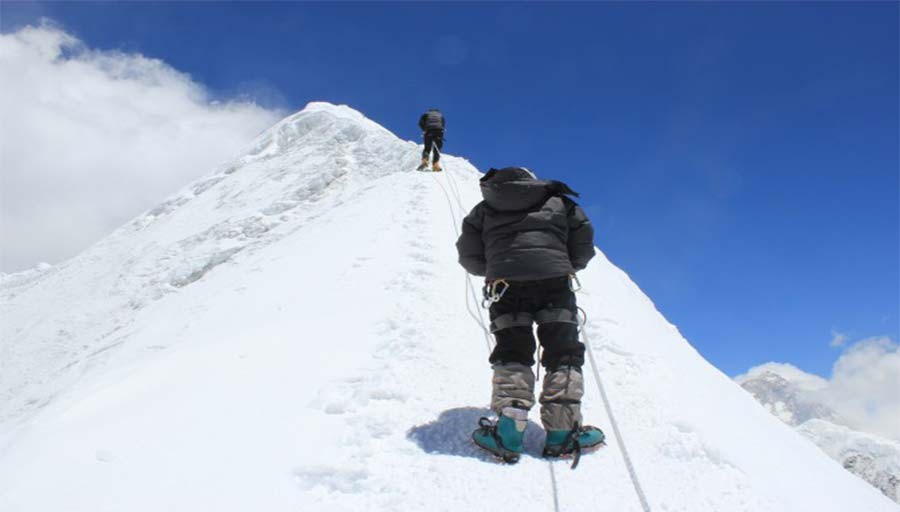
The Island Peak Base Camp Trek is another option for trekkers interested in exploring a Himalayan climbing area. Island Peak, also called Imja Tse, is in the Everest region, near the Imja Valley.
The route follows the main Everest Base Camp trail through Namche Bazaar to Dingboche before branching toward Chhukung and Island Peak Base Camp.
Chhukung is located at approximately 4,730 m (15,518 ft), and trekkers can continue from here to Island Peak Base Camp at approximately 5,100 m (16,732 ft). Climbers who are preparing for the summit attempt of Island Peak use the camp.
The trail offers breathtaking views of the surrounding mountains like Lhotse, Nuptse and Ama Dablam. Trekkers also explore the Imja Valley, which offers a quieter mountain experience away from the main Everest Base Camp trail.
A combined Island Peak trekking and climbing expedition typically takes 15 to 19 days, while a base camp-only trek may be shorter depending on the route and acclimatization schedule.
Climbing Island Peak does present a number of technical challenges, but reaching base camp is a high-altitude trekking activity. Climbers should have the correct equipment and training on using crampons, ice axes and climbing ropes.
This high-altitude trek is not recommended for inexperienced hikers without adequate preparation. Good fitness and proper acclimatization are important.
Duration: 15 to 19 days for a combined trekking and climbing itinerary; shorter options are available for base camp-only visits.
Base camp altitude: Approximately 5,100 m (16,732 ft)
Сложность: вызов
Best for: Experienced trekkers preparing for a Himalayan climbing experience
When deciding which mountain destination to go to, comparing length, high point and challenge will help you narrow your choice.
The following table gives an overview of the eight routes. These are approximate times and are subject to change depending on the tour.
| путешествие | Длительность | Main high point | Трудность |
| Путь к Эвересту | 12–14 дней | 5,545 m (18,192 ft), Kala Patthar | От умеренного до сложного |
| Базовый лагерь Аннапурны | 7–12 дней | 4,130 м (13,550 футов) | Средняя |
| Manaslu Base Camp and Circuit | 14–18 дней | 5,106 m (16,752 ft), Larkya La | Оспаривание |
| Базовый лагерь Канченджанга | 20–26 дней | 5,143 m (16,873 ft), Pangpema | от сложного до напряженного |
| Базовый лагерь Макалу | 18–22 дней | 4,870 м (15,978 футов) | Оспаривание |
| Dhaulagiri Base Camp Circuit | 18–22 дней | 5,360 m (17,585 ft), French Pass | Очень сложно |
| Базовый лагерь пика Мера | 14–18 дней | 5,350 м (17,552 футов) | Оспаривание |
| Базовый лагерь Айленд Пик | 15–19 дней | 5,100 м (16,732 футов) | Оспаривание |
The highest trekking elevations listed in the table are not necessarily the elevations of the base camps themselves. For example, Kala Patthar is an optional viewpoint on the Everest Base Camp Trek, while Larkya La Pass is part of the Manaslu Circuit.
There is no single route that suits every traveller. The decision should be based on your fitness, trekking experience, time availability and type of mountain experience that you wish to have.
Annapurna Base Camp can be suitable for well-prepared beginners with reasonable fitness who follow a gradual ascent itinerary.
It is shorter than many other routes in the Himalayas, has teahouse accommodation and a fairly easy path to follow.
However, beginners should not underestimate the physical demands. The trail has steep uphill sections, stone steps and high-altitude walking.
Everest Base Camp is a suitable choice for first-timers in Nepal who would like to visit the Khumbu area.
This trek is a mixture of mountains, Sherpa culture, monasteries and established trekking facilities. It also provides opportunities to visit important settlements such as Namche Bazaar and Tengboche.
A suitable acclimatization schedule is essential, even for physically fit travellers.
Kanchenjunga, Makalu and Dhaulagiri are better choices for people with previous trekking experience.
These are longer trips, with fewer amenities and more difficult terrain. The routes of Dhaulagiri are very difficult due to the camping system, glacier sections and the high passes.
Travellers who are looking for quieter trails and remote mountain areas can choose to hike in Kanchenjunga and Makalu.
Both regions have fewer visitors than Everest and Annapurna. Their longer trails also make it possible for them to visit the local settlements as well as less developed trekking areas.
For those who prefer a remote Himalayan experience but don’t want to choose one of the longest trekking trails, Manaslu is an alternative.
For those who have only a little time, Annapurna Base Camp is the best option.
Depending on the walking schedule and where you start, the well-planned itinerary takes about a week to 12 days.
Short Everest Base Camp itineraries are also available, but reducing the number of days should never come at the expense of proper acclimatization.
Everest and Annapurna provide excellent opportunities for mountain photography.
Everest is suitable for photographing glaciers, high mountain settlements and large Himalayan peaks. The Annapurna region offers diverse photography opportunities, including rhododendron forests, traditional villages, terraced farmland, and mountain panoramas.
Kanchenjunga is another good choice for photographers interested in remote landscapes and glacier scenery.
Making the right choice of season could improve the trekking experience. Weather conditions impact visibility, trail conditions, temperatures and access to remote destinations.
Весна (с марта по май) is one of the preferred seasons for Himalayan trekking. Temperatures gradually rise, and rhododendron forests bloom along many lower-altitude trekking routes. Generally, there are good mountain views, but they may be obscured by afternoon clouds.
Осень (с сентября по ноябрь) is another popular season. Rainfall slowly subsides and many of the trekking areas have stable weather and excellent mountain visibility. October and November are particularly popular for Everest, Annapurna and Manaslu.
Зима (с декабря по февраль) brings colder temperatures, especially at higher elevations. High passes and remote trails may be affected by snowfall. Some base camp treks remain possible during winter, but snow, extreme cold, avalanche risk, and trail conditions must be assessed before departure.
Муссон (с июня по август) is generally less suitable for many Himalayan routes. Trails may be slippery and the risk of landslips and transport delays may increase during heavy rainfall. Consider alternatives in Upper Mustang and parts of Dolpo during this season, due to the rain shadow.
For most base camp trekking destinations, spring and autumn provide the most reliable conditions. Weather conditions may quickly vary in the mountains, though, so be flexible.
The expenses of base camp trekking packages in Nepal vary from one trek to another, based on the number of days, the group size and the services that are included in a base camp package.
For a general idea, a guided Annapurna Base Camp Trek may cost around USD 700 to USD 1,200 per person. An Everest Base Camp Trek may cost approximately USD 1,300 to USD 2,500 because of flights, longer logistics and the cost of operating in the Khumbu region.
Manaslu packages generally cost around USD 1,100 to USD 2,500, while Kanchenjunga and Makalu treks can cost USD 1,600 to USD 4,000 or more, depending on the itinerary and support arrangements.
Dhaulagiri Circuit packages generally cost more because of camping equipment, food supplies, and additional trekking support staff. These price ranges are estimates and do not represent fixed package prices. Final cost is dependent on group size, transport, accommodation and services included.
Look for packages that include permits, domestic flights, rooms and food, guide services, porter service and ground transportation. Travel insurance, personal equipment, tips, international flights and personal expenses may be paid separately.
Depending on the area in which you are doing base camp trekking and the route that you want to choose, the permits required for that are different in Nepal. Certain places need an entry permit to the national park or a conservation area; some areas have more permits issued by the Department of Immigration.
Here is an explanation of the main permits for eight popular base camp trekking routes in Nepal.
| Трек к базовому лагерю | Требуемые разрешения | Дополнительные требования |
| Базовый лагерь Эверест | Sagarmatha National Park Entry Permit and Khumbu Pasang Lhamu Rural Municipality Entry Permit | Licensed guide and agency arrangements are required under applicable trekking regulations. TIMS is not generally required for the standard Everest route. |
| Аннапурны Базовый Лагерь Трек | Разрешение на заповедник Аннапурны (ACAP) | Licensed guide and agency-issued TIMS card under current Nepal Tourism Board guidelines. |
| Поход в базовый лагерь Манаслу | Manaslu Restricted Area Permit (RAP) and Manaslu Conservation Area Permit (MCAP) | Licensed guide and registered trekking agency. Additional permits may be needed if the itinerary enters the Annapurna Conservation Area. |
| Трек к базовому лагерю Канченджанги | Kanchenjunga Restricted Area Permit and Kanchenjunga Conservation Area Permit | Licensed guide, registered trekking agency andagency-issued TIMS card. |
| Трек к базовому лагерю Макалу | Разрешение на вход в национальный парк Макалу Барун | Licensed guide and agency-issued TIMS card. |
| Треккинг в базовый лагерь Дхаулагири | Annapurna Conservation Area Permit (ACAP), depending on the route | Licensed guide and agency arrangements. Confirm additional requirements according to the exact itinerary. |
| Mera Peak Base Camp Trek | Makalu Barun National Park Entry Permit is not required for the standard Hinku Valley approach; local Khumbu and other applicable route permits must be confirmed. | Licensed guide and agency-issued TIMS card. A separate climbing permit is required if attempting the Mera Peak summit. |
Important: Permit requirements can change and some routes cross more than one protected area. TIMS requirements depend on the trekking region, planned route, and applicable government regulations. Ensure the most up-to-date rules are understood before traveling, with the help of a registered trekking agency. Visiting a base camp does not generally require a mountaineering permit, but attempting a mountain summit requires the appropriate climbing authorization.

For base camp trekking in Nepal, good physical fitness is essential, especially on those trips, which involve a number of days of walking.
Trekking difficulty depends on more than the highest elevation reached. The walking time, steep climbs and descents, weather and track conditions and availability of accommodation also influence the experience.
Trekkers need to get ready by walking regularly, going for hikes on rough terrain and developing their cardiovascular fitness. Other activities like cycling, swimming and stair climbing can also be beneficial to fitness.
Strength training of the legs, back and core is helpful, as trekkers are likely to be walking for several hours, carrying a daypack.
The other important factor is high altitude. At higher elevations, lower atmospheric pressure reduces the oxygen available to the body, making physical activity more demanding.
A gradual ascent and sufficient acclimatization days are essential for reducing the risk of altitude sickness. Maintaining proper hydration also supports general health during the trek. If you have a headache, nausea, dizziness, or unusual tiredness, you should let your guide know.
Do not ascend to a higher altitude while experiencing symptoms of altitude sickness. Immediate descent and medical assistance are needed for severe symptoms.
Pack depending on the destination, season and altitude of your trek. Here are some essentials to help you get ready for your trip.
Одежда
Снаряжение для похода
Личные вещи
Additional Items for Remote Treks
Hiring a licensed guide is a practical choice for most Himalayan base camp treks. A licensed guide assists with navigation, itinerary planning, communication, and understanding local trail conditions.
They also know the local settlements, weather and available facilities. This can be especially beneficial in outlying areas where lodging and transportation may be scarce.
A porter can carry heavier luggage and equipment, allowing trekkers to walk with a lighter daypack. A larger support team may be required on camping routes with regard to food, tents and other items.
In Nepal, many trekking routes are protected and restricted and have regulations for guides and agency arrangements. Trekkers must confirm and comply with current trekking regulations before traveling, as independent trekking is restricted on certain routes.
A registered trekking agency can arrange permits, accommodation, transportation, trekking staff, and emergency support.
Safety must be at the forefront of any trip up the mountains of the Himalayas. Weather, terrain and trail changes can make any route difficult, even on established routes.
Can I charge my phone and camera during base camp treks?
Charging facilities are available at many teahouses on established trekking routes, often for an additional fee. Electricity may be limited or unavailable in remote areas.
Is Wi-Fi available during base camp trekking in Nepal?
Wi-Fi is available at many teahouses on popular routes, often for an additional fee. Internet connections may be slow, unreliable, or unavailable at higher elevations.
Can I use my credit card during base camp treks?
The majority of mountain lodges do not accept credit cards. Bring an adequate amount of Nepalese rupees, as there are limited ATM and card facilities outside major towns.
Are hot showers available along base camp trekking routes?
Many teahouses offer hot showers for an additional fee, but facilities become more limited at higher elevations and on remote trekking routes.
Можно ли взять напрокат снаряжение для треккинга в Непале?
Yes, trekking equipment like sleeping bags, down jackets and trekking poles can be hired from trekking shops in Kathmandu and Pokhara.
What happens if a domestic flight is cancelled during my trek?
If a domestic flight is canceled, trekkers may need to wait for the next available flight or arrange alternative transportation. Additional costs depend on the package terms and available alternatives.
Are there medical facilities along Nepal’s base camp trekking routes?
There are some basic health posts in the trekking settlements and advanced medical facilities are scarce, especially in remote areas.
Can I store extra luggage before starting my base camp trek?
Many hotels in Kathmandu and Pokhara offer luggage storage facilities for trekkers. Confirm availability with your hotel before departure.
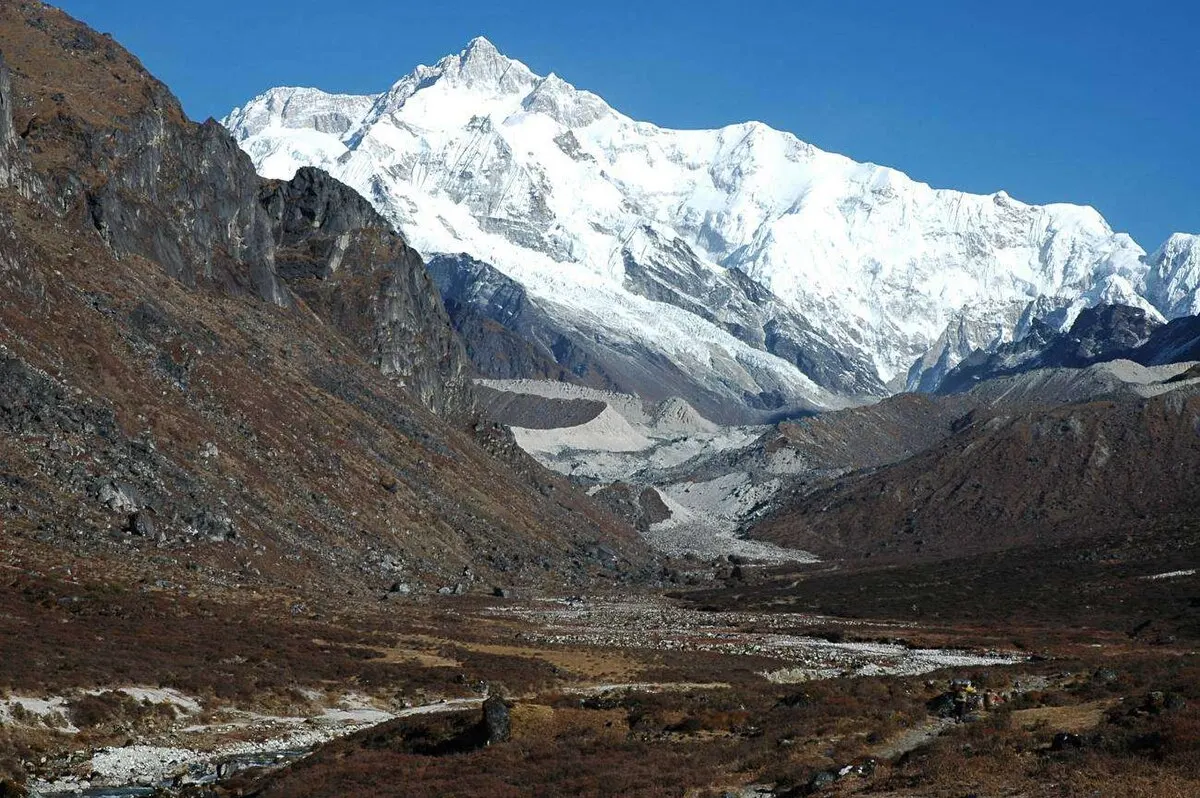
Nepal offers a variety of base camp trekking locations, including popular routes like Everest and Annapurna, as well as more offbeat ones like Kanchenjunga, Makalu and Dhaulagiri.
Before choosing, check out the trip, lodging, license, travel and acclimatization plan. With an appropriate group of trekkers and preparations, your trek will be safer and more enjoyable.
Pick a trail that is appropriate for your level and not just the highest one.


Мы разрабатываем индивидуальные и гибкие планы отдыха, учитывая продолжительность вашего отпуска, дополнительные пожелания и требования.
Планируйте свои поездки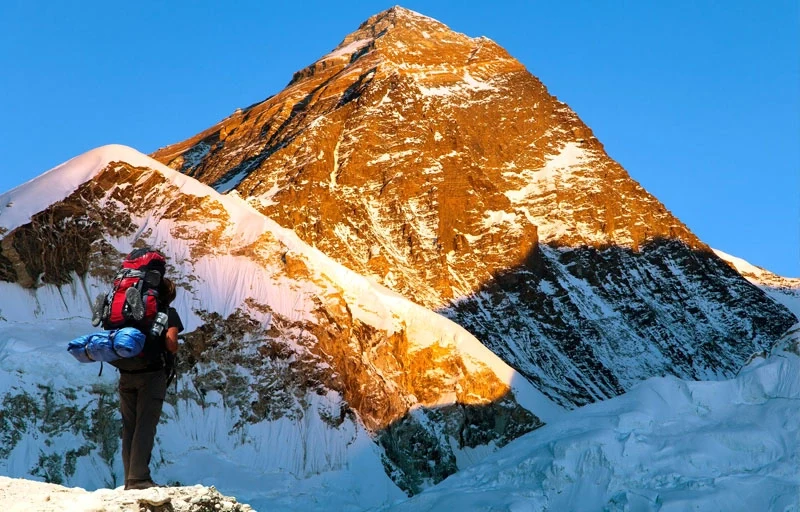
Пообщайтесь с нашим дизайнером путешествий Шибой
Нужна помощь? Наш опытный агент готов помочь! Заполните форму ниже, чтобы начать чат и получить быстрое решение ваших вопросов.